Automated Y Maze
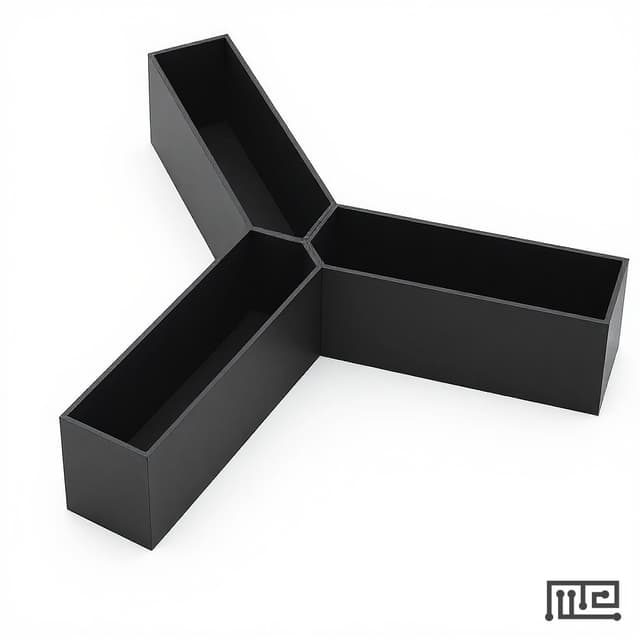
Automated three-arm maze system for assessment of spatial working memory and spontaneous alternation behavior in mice and rats, featuring silent door control and non-reflective construction.
| Automation Level | semi-automated |

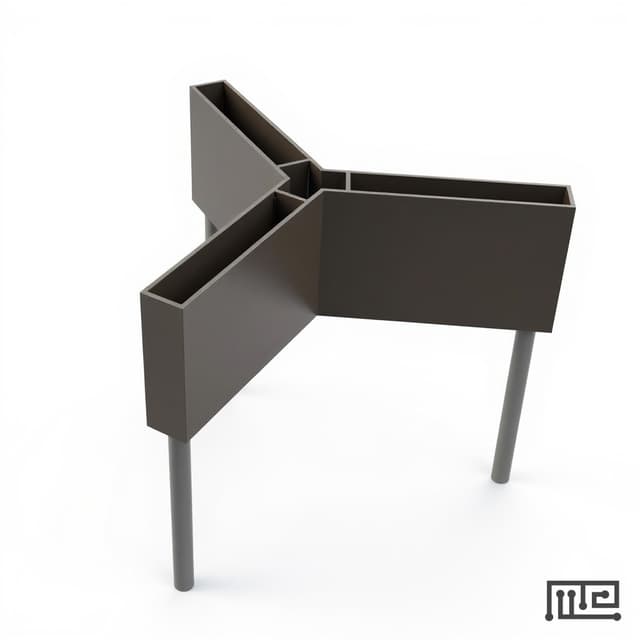
The Automated Y Maze is a precision behavioral testing apparatus designed for assessment of spatial working memory and spontaneous alternation behavior in rodents. This three-arm maze utilizes automated door control systems to create controlled choice paradigms for evaluating hippocampal-dependent cognitive functions. The system features silent door operation (<10dB) to minimize acoustic interference with behavioral responses.
Constructed from matted, non-reflective acrylic to reduce visual distraction and glare artifacts that could confound behavioral measurements. The odor-free material allows for effective decontamination using 70% ethanol between testing sessions. Available in mouse and rat configurations with species-appropriate arm dimensions to ensure optimal behavioral expression while maintaining standardized testing conditions.
How It Works
The Y maze exploits the natural tendency of rodents to explore novel environments through spontaneous alternation behavior. When placed in the maze, intact animals typically alternate arm entries, avoiding recently visited locations - a behavior dependent on functional hippocampal circuitry and spatial working memory processes. The automated door system controls access to specific arms, allowing researchers to create defined choice points and measure decision-making patterns.
The three-arm configuration creates a simple choice paradigm where animals must remember their previous location to demonstrate successful alternation. Automated doors operate silently to prevent acoustic cues that could influence behavioral responses. The system records entry sequences, allowing calculation of alternation percentages and analysis of spatial memory performance. Non-reflective surfaces eliminate visual landmarks that could serve as external cues, ensuring that behavioral responses depend on internal spatial representations rather than environmental markers.
Features & Benefits
Behavioral Construct
- Spatial working memory
- Spontaneous alternation
- Hippocampal function
- Cognitive assessment
- Spatial navigation
Automation Level
- semi-automated
Research Domain
- Aging Research
- Behavioral Pharmacology
- Learning and Memory
- Neurodegeneration
- Neuroscience
- Toxicology
Species
- Mouse
- Rat
Weight
- 21.0 kg
Dimensions
- L: 43.2 mm
- W: 38.0 mm
- H: 27.9 mm
Comparison Guide
| Feature | This Product | Typical Alternative | Advantage |
|---|---|---|---|
| Door Operation Noise Level | Less than 10dB operation | Manual systems operate silently but pneumatic alternatives often produce 30-50dB acoustic artifacts | Maintains natural behavioral responses without stress-inducing mechanical sounds that could confound spatial memory assessment. |
| Surface Properties | Matted non-reflective acrylic construction | Basic models often use glossy surfaces that create visual reflections | Eliminates reflection-based visual landmarks that animals might use instead of spatial memory for navigation. |
| Species Configuration | Dedicated mouse (35cm arms) and rat (50cm arms) sizes available | Single-size systems require animals to adapt to suboptimal dimensions | Species-appropriate scaling ensures natural movement patterns and optimal behavioral expression for accurate cognitive assessment. |
| Material Compatibility | Compatible with 70% ethanol cleaning protocols | Some materials degrade with alcohol-based disinfectants | Enables rapid turnover between subjects using standard laboratory decontamination procedures without equipment damage. |
| Automation Level | Automated door control with programmable timing | Manual systems require constant supervision and introduce experimenter variability | Provides standardized testing conditions and enables complex temporal paradigms while reducing labor requirements. |
This system combines silent automated operation with species-optimized dimensions and non-reflective construction. The programmable door control enables both spontaneous and forced alternation protocols while maintaining the behavioral validity of traditional Y-maze testing.
Practical Tips
Verify door timing accuracy using a stopwatch before each testing session to ensure consistent delay intervals.
Why: Temporal precision is critical for delayed alternation protocols and reproducible behavioral measurements.
Clean door mechanisms weekly with dry brush to remove debris that could affect silent operation.
Why: Accumulated bedding material or food particles can cause door noise that introduces behavioral confounds.
Randomize arm assignment across animals to prevent location bias in behavioral data.
Why: Subtle environmental differences between arms could systematically influence choice patterns if not controlled.
If alternation rates drop below 50%, check for residual odor trails using UV light detection.
Why: Incomplete cleaning can leave olfactory cues that override spatial memory-based navigation strategies.
Exclude trials where animals remain in the start arm for more than 60 seconds to avoid anxiety artifacts.
Why: Extended hesitation periods indicate stress responses that interfere with normal exploratory behavior patterns.
Ensure door mechanisms cannot trap animal appendages by testing with appropriately sized probe objects.
Why: Door closure speed must balance automated control with animal safety to prevent injury during testing.
Conduct testing during active periods of the circadian cycle for optimal behavioral engagement.
Why: Spatial memory performance varies with circadian rhythms and metabolic state of test subjects.
Record environmental temperature and humidity during testing sessions for data normalization.
Why: Environmental conditions can influence activity levels and choice latencies in behavioral paradigms.
Setup Guide
What’s in the Box
- Y-maze base unit with three arms (typical)
- Automated door control system (typical)
- Control electronics and wiring (typical)
- Assembly hardware and connectors (typical)
- User manual and setup guide (typical)
- Cleaning and maintenance instructions (typical)
Warranty
ConductScience provides standard one-year manufacturer warranty covering defects in materials and workmanship, with technical support for setup and operational guidance.
Compliance
References
Background reading relevant to this product:
What is the typical alternation percentage for normal laboratory mice in this apparatus?
Intact laboratory mice typically demonstrate 60-80% spontaneous alternation, significantly above the 50% chance level. Performance below 60% may indicate hippocampal dysfunction or spatial memory impairment.
How long should animals be habituated before testing begins?
Most protocols require 5-10 minutes of free exploration in the maze before formal testing to reduce anxiety-related behaviors that could confound spatial memory assessment.
Can the automated doors be programmed for delayed alternation protocols?
The door control system enables temporal manipulation of arm access, supporting both immediate and delayed alternation paradigms with researcher-defined delay intervals.
What tracking parameters should be monitored during testing?
Key metrics include arm entry sequence, latency between entries, total distance traveled, and time spent in each arm to provide comprehensive behavioral phenotyping data.
How does this compare to traditional manual Y-maze testing?
Automated door control eliminates experimenter bias and enables precise temporal manipulation of choice availability, while silent operation reduces stress-related behavioral artifacts common in manual systems.
What is the recommended inter-trial interval for repeated testing?
Most protocols employ 24-48 hour intervals between sessions to prevent habituation effects while allowing assessment of learning curves or treatment responses over time.
Can the system accommodate juvenile animals?
The mouse configuration is suitable for animals 21 days and older, though arm entry criteria may require adjustment for smaller body sizes to ensure reliable detection.
Have a question about this product?
Accessories
Enhance your setup with compatible accessories

Frequently Bought Together

Upgrade Options