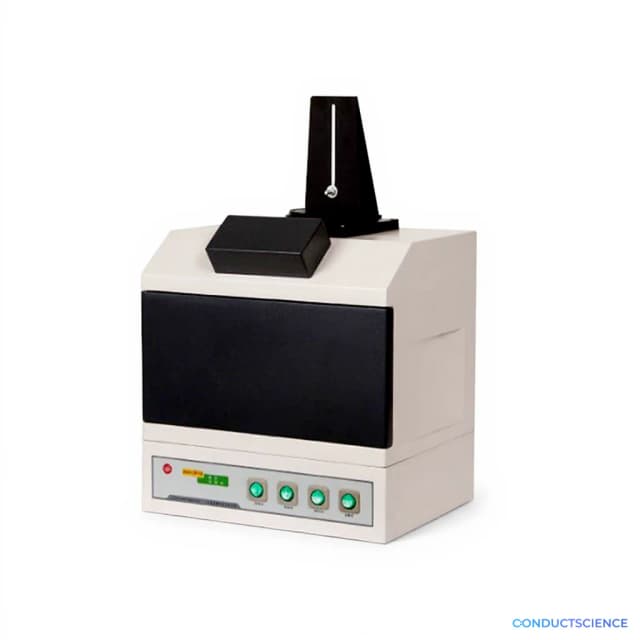
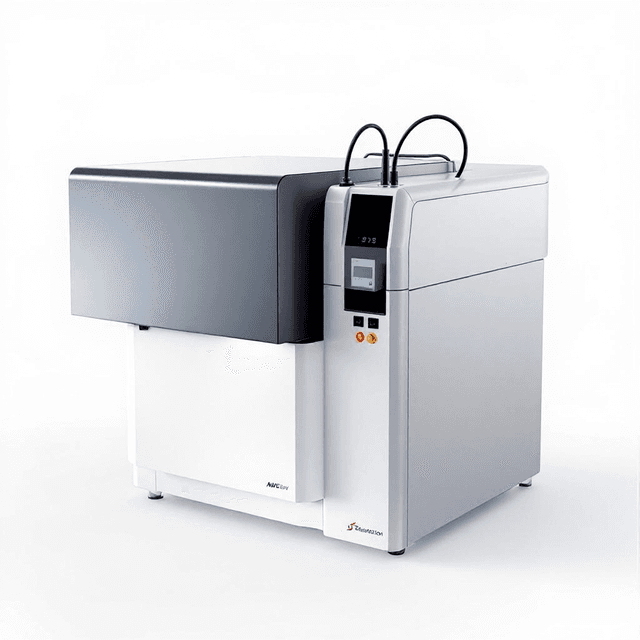
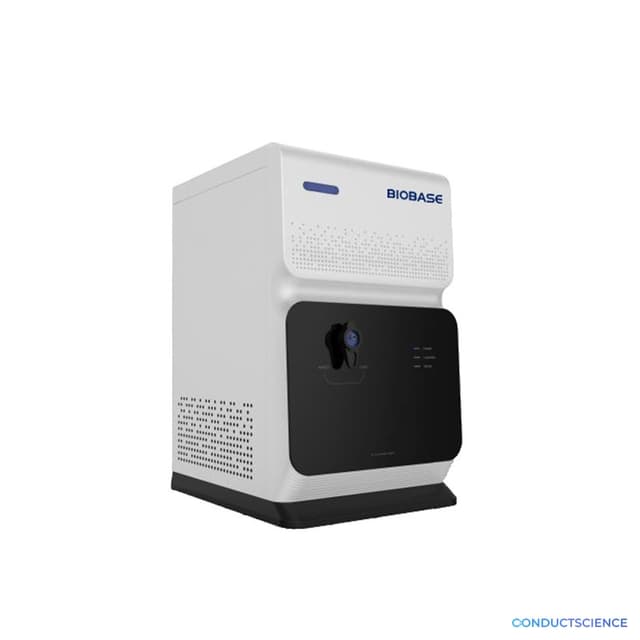
Automatic Gel Imaging and Analysis System BK-AG1000 BK-AG200 (Customized)
Automated gel imaging and analysis system combining high-resolution documentation with integrated densitometric analysis software for protein, DNA, and RNA electrophoresis workflows.
| Automation Level | fully-automated |

The Automatic Gel Imaging and Analysis System BK-AG1000 BK-AG200 is a specialized laboratory instrument designed for automated documentation and quantitative analysis of electrophoretic gels. This system combines high-resolution imaging capabilities with integrated analysis software to provide researchers with comprehensive gel documentation and band quantification in a single platform.
The system automates the traditional manual processes of gel photography and densitometric analysis, reducing operator variability and improving reproducibility in protein, DNA, and RNA gel analysis workflows. The integrated design eliminates the need for separate imaging and analysis equipment, streamlining laboratory workflows and reducing bench space requirements.
How It Works
The system employs high-resolution digital imaging technology to capture electrophoretic gel images under controlled illumination conditions. The imaging chamber provides uniform lighting with options for both transillumination and epi-illumination modes, accommodating various gel staining methods including ethidium bromide, methylene blue, and fluorescent dyes.
Integrated analysis software performs automated lane detection and band identification using edge-detection algorithms. The system calculates molecular weights based on migration distances relative to standard markers and performs densitometric analysis to quantify band intensities. Background correction algorithms account for gel-to-gel variations in staining intensity and imaging conditions.
Data processing includes peak integration for overlapping bands, normalization options for loading controls, and statistical analysis functions for multi-gel comparisons. The system generates standardized reports with molecular weight calculations, relative quantification data, and quality metrics for experimental documentation.
Features & Benefits
Automation Level
- fully-automated
Research Domain
- Analytical Chemistry
- Cancer Research
- Cell Biology
- Developmental Biology
- Immunology
- Materials Science
- Microbiology
- Pharmaceutical QC
Weight
- 29.98 kg
Dimensions
- L: 42.0 mm
- W: 43.6 mm
- H: 38.0 mm
Comparison Guide
| Feature | This Product | Typical Alternative | Advantage |
|---|---|---|---|
| System Integration | Fully integrated imaging and analysis platform | Separate imaging and analysis software requiring manual data transfer | Eliminates workflow interruptions and reduces data handling errors between documentation and analysis steps. |
| Automation Level | Fully automated operation from imaging to analysis | Manual or semi-automated systems requiring operator intervention | Reduces hands-on time and improves consistency across multiple gel analyses. |
| Customization Options | Customized configuration based on laboratory requirements | Fixed configurations with limited adaptability | Allows optimization for specific experimental workflows and throughput requirements. |
| Analysis Capabilities | Comprehensive densitometric analysis with molecular weight calculations | Basic imaging systems often lack quantitative analysis features | Provides complete analytical workflow without requiring additional software purchases. |
This system offers a comprehensive solution combining automated imaging with integrated analysis capabilities. The customized configuration approach allows optimization for specific laboratory workflows and experimental requirements.
Practical Tips
Perform illumination calibration weekly or after any system movement to maintain consistent imaging conditions.
Why: Uniform illumination is critical for accurate densitometric measurements and reproducible quantification results.
Clean imaging chamber surfaces with appropriate solvents after each use to prevent contamination buildup.
Why: Residual staining reagents can interfere with illumination uniformity and cause background artifacts in subsequent analyses.
Include molecular weight standards on every gel and use consistent loading volumes across samples.
Why: Standards enable accurate size determination and loading controls allow normalization for quantitative comparisons.
Verify lane detection accuracy before proceeding with automated analysis, manually adjusting if necessary.
Why: Incorrect lane boundaries can lead to inaccurate band assignments and compromised quantification results.
If bands appear saturated, reduce exposure time or use diluted samples to maintain linear detection range.
Why: Saturated signals cannot be accurately quantified and may compromise comparative analysis between samples.
Document all analysis parameters and save analysis templates for consistent processing of similar experiments.
Why: Standardized analysis parameters ensure reproducibility across experiments and facilitate method validation.
Handle UV-transilluminated gels with appropriate protective equipment and minimize exposure time during imaging.
Why: UV radiation poses safety risks to operators and can cause DNA damage that affects quantification accuracy.
Setup Guide
What’s in the Box
- Main imaging unit (typical)
- Analysis software package (typical)
- Power adapter (typical)
- USB interface cable (typical)
- Gel platform accessories (typical)
- Calibration standards (typical)
- User manual and quick start guide (typical)
- Installation CD/USB drive (typical)
Warranty
ConductScience provides standard one-year manufacturer warranty covering hardware components and software updates, with technical support for installation and operation procedures.
Compliance
What gel formats and sizes are compatible with the imaging system?
Consult product datasheet for specific gel size compatibility and platform configurations available for the customized system.
Can the system analyze both protein and nucleic acid gels?
Yes, the system supports analysis of protein, DNA, and RNA gels with appropriate staining methods and analysis protocols for each application.
What file formats are supported for data export?
The system typically supports standard image formats (TIFF, JPEG) and data formats (CSV, Excel) for integration with laboratory information systems.
How is molecular weight calibration performed?
Molecular weight calibration uses standard protein or DNA markers with known sizes, creating calibration curves based on migration distance relationships.
What maintenance procedures are required?
Regular maintenance includes illumination system cleaning, periodic calibration verification, and software updates to maintain optimal performance.
Can multiple users access the same analysis data?
Software capabilities for multi-user access and data sharing depend on the specific configuration - consult product specifications for network and user management features.
What is the typical analysis time per gel?
Analysis time varies with gel complexity and number of lanes, but automated processing typically reduces analysis time compared to manual densitometry methods.
How does the system handle overlapping bands?
Advanced peak deconvolution algorithms can separate overlapping bands for individual quantification, though resolution depends on band separation and intensity differences.
Have a question about this product?