Benchtop Conductivity Test Meter
Microprocessor-based conductivity meter measuring 0-199.9 μS/cm with automatic temperature compensation for laboratory water quality analysis and environmental monitoring applications.
| Measuring range | (0ï½199.9)μs/cm |
| ATC | 0ï½50â |
| Temperature coefficient | 2.0%/â |
| corresponding electrode constant | 0.1 |
| Working condition | temperature: 5~35°C, RH<85%Power: 220V±10%, 50Hz ± 1Hz,DC9VNo notable vibrationNo strong magnetic field interference(except for geomagnetic field) |
| Automation Level | manual |
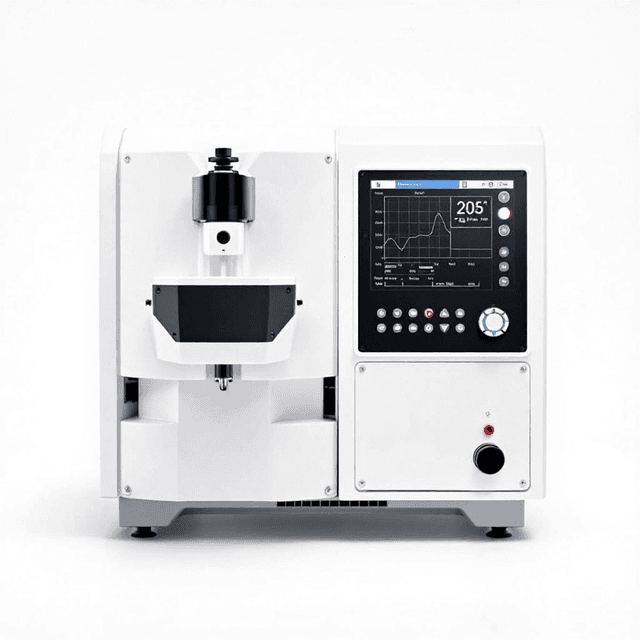
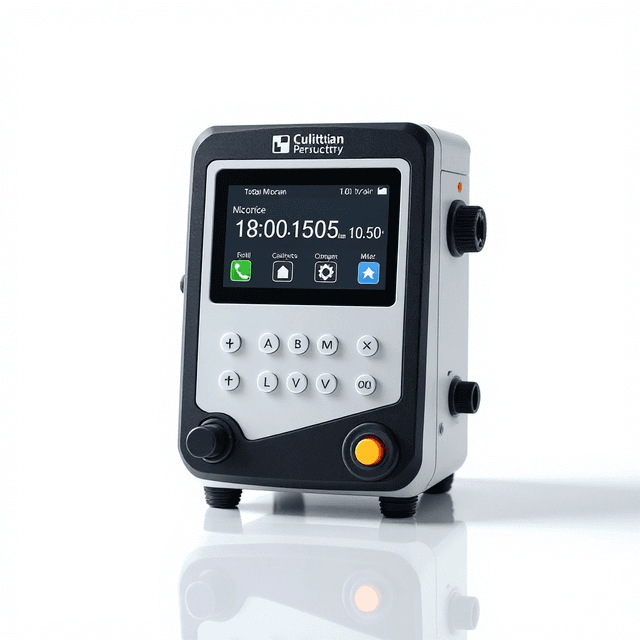
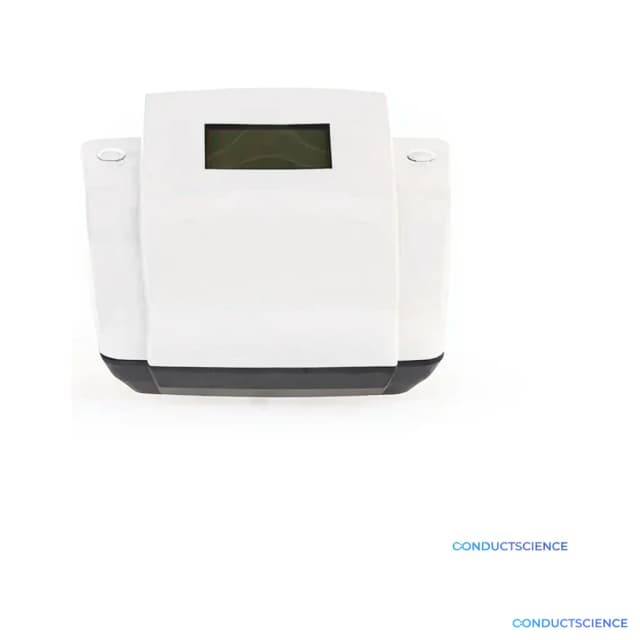
The Benchtop Conductivity Test Meter (CS-LH-EC014) is a microprocessor-based electrical conductivity measurement instrument designed for laboratory and field analysis of ionic content in aqueous solutions. The meter employs a high-speed microprocessor chip to deliver stable conductivity measurements across a range of 0-199.9 μS/cm with 0.1 μS/cm resolution and ±1.0% full-scale accuracy.
The instrument features automatic temperature compensation (ATC) from 0-50°C with a 2.0%/°C temperature coefficient, ensuring accurate measurements across varying thermal conditions. With an electrode constant of 0.1, the meter is optimized for low-conductivity measurements commonly encountered in purified water systems, environmental monitoring, and quality control applications. The benchtop design provides stable operation in laboratory environments while maintaining portability for field measurements.
How It Works
Electrical conductivity measurement relies on the principle that dissolved ions in solution create conductive pathways for electrical current. The meter applies a known alternating voltage between two electrodes immersed in the sample and measures the resulting current flow. Higher ionic concentrations produce greater conductivity values, providing a quantitative assessment of total dissolved solids.
The instrument's microprocessor calculates conductivity using Ohm's law, accounting for the electrode geometry through the cell constant (0.1 cm⁻¹). Automatic temperature compensation corrects for the temperature dependence of ionic mobility, as conductivity typically increases 2% per degree Celsius. The meter's 0.1 μS/cm resolution enables detection of small changes in ionic content, while the ±1.0% accuracy ensures reliable quantitative measurements for research and quality control applications.
Features & Benefits
Research Domain
- Analytical Chemistry
- Environmental Monitoring
- Food Science
- Industrial Hygiene
- Materials Science
- Pharmaceutical QC
Measuring range
- (0ï½199.9)μs/cm
ATC
- 0ï½50â
Temperature coefficient
- 2.0%/â
corresponding electrode constant
- 0.1
Working condition
- temperature: 5~35°C, RH<85%Power: 220V±10%, 50Hz ± 1Hz,DC9VNo notable vibrationNo strong magnetic field interference(except for geomagnetic field)
Automation Level
- manual
Brand
- ConductScience
Accuracy
- ±1.0%FS
Dimensions
- 310Ã250Ã187mm
Weight
- 1.52 kg
Weight
- 3.35 lbs
Dimensions
- L: 12.2 in
- W: 9.84 in
- H: 7.36 in
Comparison Guide
| Feature | This Product | Typical Alternative | Advantage |
|---|---|---|---|
| Measurement Range | 0-199.9 μS/cm | Entry-level models often limited to higher ranges or lower resolution | Optimized range covers purified water and low-conductivity environmental samples critical in quality control workflows. |
| Resolution | 0.1 μS/cm | Basic meters typically offer 1 μS/cm resolution | Higher sensitivity enables detection of small changes in ionic content for process monitoring applications. |
| Temperature Compensation | Automatic 0-50°C with 2.0%/°C coefficient | Manual compensation or limited temperature ranges | Eliminates calculation errors and improves measurement consistency across varying thermal conditions. |
| Accuracy | ±1.0% full scale | Entry-level models often ±2-3% accuracy | Higher precision supports quality control documentation and regulatory compliance requirements. |
| Design | Benchtop with microprocessor control | Handheld units with basic electronics | Stable platform reduces measurement variability and provides consistent electrode positioning for laboratory use. |
| Calibration Standard | Includes 1408 μS/cm standard | Calibration solutions sold separately | Ready-to-use calibration enables immediate deployment and maintains measurement traceability. |
This benchtop conductivity meter combines high sensitivity (0.1 μS/cm resolution) with laboratory-grade accuracy (±1.0% FS) for low-conductivity measurements. The automatic temperature compensation and microprocessor control provide consistent performance for quality control and environmental monitoring applications.
Practical Tips
Perform daily calibration with the 1408 μS/cm standard before critical measurements.
Why: Maintains measurement accuracy and provides traceability for quality control documentation.
Store the conductivity electrode in appropriate storage solution when not in use.
Why: Prevents electrode drying and maintains stable response characteristics over time.
Allow samples to equilibrate to measurement temperature before testing.
Why: Ensures accurate automatic temperature compensation and reduces measurement variability.
Record both conductivity and temperature values for each measurement.
Why: Provides complete documentation for quality control and enables post-measurement analysis if needed.
If readings drift, check electrode for contamination or air bubbles around sensing elements.
Why: Contaminated electrodes or air bubble interference can cause unstable or inaccurate measurements.
Ensure adequate sample volume to fully immerse electrode sensing elements.
Why: Incomplete immersion leads to measurement errors and potential electrode damage.
Use fresh calibration standards and replace solutions showing signs of contamination.
Why: Degraded standards compromise measurement accuracy and calibration validity.
Rinse electrode with distilled water between samples of different conductivities.
Why: Prevents cross-contamination and carryover effects that could affect measurement accuracy.
Setup Guide
What’s in the Box
- Benchtop conductivity meter (main unit)
- Conductivity electrode with cable
- 1408 μS/cm calibration standard solution
- 220V AC power adapter
- User manual and calibration certificate (typical)
- Electrode storage solution (typical)
- Sample beakers (typical)
Warranty
ConductScience provides a one-year manufacturer warranty covering defects in materials and workmanship, along with technical support for calibration procedures and measurement protocols.
Compliance
What is the measurement range and resolution for low-conductivity samples?
The meter measures 0-199.9 μS/cm with 0.1 μS/cm resolution, making it suitable for purified water systems, environmental samples, and other low-conductivity applications requiring high sensitivity.
How does automatic temperature compensation work?
The instrument automatically corrects conductivity readings for temperature variations from 0-50°C using a 2.0%/°C temperature coefficient, eliminating the need for manual calculations or reference tables.
What electrode constant is used and why?
The meter uses a 0.1 cm⁻¹ electrode constant, optimized for low-conductivity measurements where higher sensitivity is required compared to standard 1.0 cm⁻¹ electrodes.
How often should the instrument be calibrated?
Calibration frequency depends on usage and accuracy requirements. For quality control applications, daily calibration with the provided 1408 μS/cm standard is recommended before measurements.
What environmental conditions are required for accurate measurements?
The meter requires stable conditions: 5-35°C temperature, <85% relative humidity, minimal vibration, and absence of strong magnetic fields for optimal performance.
Can the meter be used for field measurements?
Yes, the compact benchtop design (1.52 kg) and 9V DC power option make it suitable for field applications, provided environmental conditions remain within specifications.
How does this compare to handheld conductivity meters?
Benchtop design provides superior stability and accuracy compared to handheld units, with microprocessor control and more stable electrode positioning for laboratory applications.
What maintenance is required for the conductivity electrode?
Regular electrode cleaning with distilled water, proper storage in electrode solution between measurements, and periodic inspection for deposits or damage maintain measurement accuracy.
Have a question about this product?
Accessories
Enhance your setup with compatible accessories
Upgrade Options