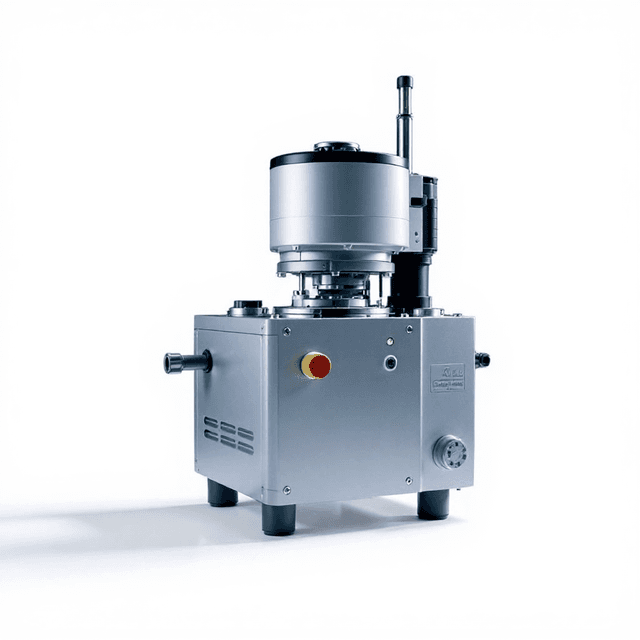
pH Conductivity Meter
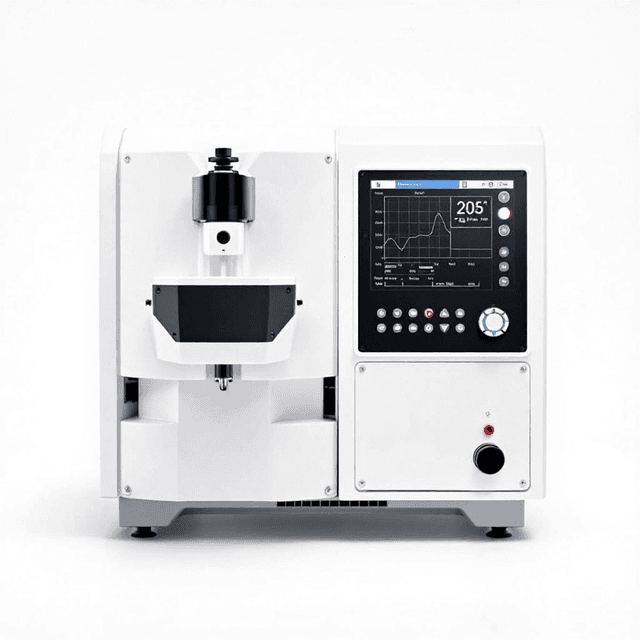
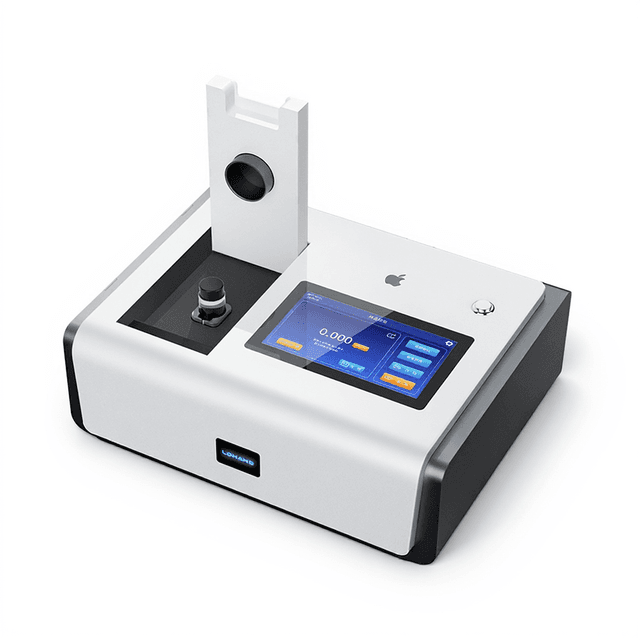
Benchtop digital conductivity meter with automatic temperature compensation, measuring 0-199.9 μS/cm conductivity range with data storage capabilities and high-precision electrode system.

Louise Corscadden, PhD
Director of Science · ConductScience
Ask Louise about pH Conductivity Meter fit, setup, configuration, or quote prep.
Already working with us? Sign in to connect this with My Scientist.
Key Specifications
Full details →- Model fit
- Configured during quote
- SKU family
- CS-LH-EC016
- Shipping box
- 12.2 x 9.84 x 7.36 cm
- Ordering
- Online checkout and quote request available
- Category
- Benchtop Analyzers
- Build notes
- Confirm accessories, station layout, and support needs before purchase
The pH Conductivity Meter (CS-LH-EC016) is a benchtop analytical instrument designed for precise measurement of electrical conductivity in aqueous solutions. This digital analyzer features automatic temperature compensation across a 0-50°C range and provides conductivity measurements from 0 to 199.9 μS/cm with 0.1 μS/cm resolution. The instrument incorporates data storage and extraction capabilities with specialized left and right hand placement options for laboratory ergonomics.
Built with a high-precision electrode system and metal bending tube type arc-spark stand, the meter delivers ±1.0% full scale accuracy for reliable quantitative analysis. The automatic temperature compensation function accounts for temperature-dependent conductivity variations using a 2.0%/°C coefficient, ensuring consistent measurements across varying sample temperatures. Operating requirements include stable environmental conditions with temperatures between 5-35°C and relative humidity below 85%.
How It Works
Conductivity measurement relies on the principle that ionic solutions conduct electrical current proportionally to their ion concentration. The instrument applies a low-voltage alternating current between two electrodes immersed in the sample solution. The resulting current flow is measured and converted to conductivity units, typically expressed in microsiemens per centimeter (μS/cm). Higher ion concentrations produce greater current flow and thus higher conductivity readings.
The automatic temperature compensation (ATC) system continuously monitors sample temperature and applies mathematical correction factors to account for temperature-dependent ion mobility changes. Since ionic conductivity typically increases by approximately 2% per degree Celsius, the instrument uses the programmed temperature coefficient of 2.0%/°C to normalize readings to a standard reference temperature. This ensures accurate and comparable measurements regardless of sample temperature variations within the 0-50°C compensation range.
The electrode constant of 0.1 defines the geometric relationship between electrode surface area and spacing, calibrating the instrument for the specific electrode configuration. Data storage functionality allows measurement logging and subsequent extraction for analysis, while the ergonomic design accommodates both left and right-handed operation in laboratory settings.
Features & Benefits
Research Domain
- Analytical Chemistry
- Environmental Monitoring
- Food Science
- Industrial Hygiene
- Microbiology
- Pharmaceutical QC
Measuring range
- (0ï½199.9)μs/cm
ATC
- 0ï½50â
Temperature coefficient
- 2.0%/â
corresponding electrode constant
- 0.1
Working condition
- temperature: 5~35°C, RH<85%Power: 220V±10%, 50Hz ± 1Hz,DC9VNo notable vibrationNo strong magnetic field interference(except for geomagnetic field)
Automation Level
- semi-automated
Brand
- ConductScience
Accuracy
- ±1.0%FS
Dimensions
- 310Ã250Ã187mm
Weight
- 1.52 kg
Shipping weight
- 3.35 lb
Shipping box
- L: 12.2 cm
- W: 9.84 cm
- H: 7.36 cm
| Feature | This Product | Typical Alternative | Advantage |
|---|---|---|---|
| Measuring Range | 0-199.9 μS/cm with 0.1 μS/cm resolution | Entry-level models often provide wider ranges with lower resolution | Optimized resolution enables precise monitoring of purified water and low-conductivity pharmaceutical solutions where small changes are significant. |
| Temperature Compensation | Automatic compensation across 0-50°C range with 2.0%/°C coefficient | Basic models may lack ATC or have limited temperature ranges | Eliminates manual temperature corrections and ensures consistent results across typical laboratory temperature variations. |
| Data Management | Built-in storage and extraction capabilities | Handheld models often lack data logging features | Enables measurement documentation and trend analysis required for quality control and regulatory compliance. |
| Electrode Configuration | 0.1 electrode constant optimized for low conductivity | General-purpose electrodes may use different constants | Specialized electrode constant maximizes sensitivity and accuracy for applications requiring precise low-conductivity measurements. |
| Ergonomic Design | Left and right hand placement options with arc-spark stand | Standard benchtop designs with fixed orientation | Accommodates different user preferences and workspace configurations for improved measurement efficiency in busy laboratories. |
| Measurement Accuracy | ±1.0% full scale accuracy | Portable meters typically offer ±2-3% accuracy | Higher accuracy supports quantitative analysis requirements and reduces measurement uncertainty in critical applications. |
This benchtop conductivity meter offers specialized capabilities for low-conductivity measurements with automatic temperature compensation and data logging functionality. The instrument provides laboratory-grade accuracy with ergonomic features designed for routine analytical use in regulated environments.
Practical Tips
Use certified conductivity standards that bracket your expected sample range and calibrate at the same temperature as your samples when possible.
Why: This approach minimizes interpolation errors and ensures maximum accuracy within your specific measurement range.
Clean the electrode with mild detergent solution weekly and store in appropriate storage solution between extended periods of non-use.
Why: Regular cleaning prevents contamination buildup that can affect response time and measurement accuracy.
Allow samples to equilibrate to room temperature before measurement or ensure they fall within the 0-50°C ATC range.
Why: Temperature equilibration improves measurement precision and ensures optimal performance of the automatic temperature compensation system.
Record multiple measurements per sample and monitor for measurement drift during extended analysis sessions.
Why: Statistical analysis of replicate measurements improves data reliability and helps identify potential instrument or sample issues.
If readings appear unstable, check for electrode air bubbles, inadequate sample volume, or electromagnetic interference from nearby equipment.
Why: These common issues can cause measurement instability and are easily corrected once identified.
Ensure the instrument is properly grounded and avoid measuring samples with pH extremes that could damage the electrode.
Why: Proper grounding prevents electrical hazards while protecting the electrode extends instrument life and maintains measurement reliability.
Document calibration dates, standard lot numbers, and environmental conditions as part of your measurement records.
Why: Complete documentation supports data integrity requirements and aids in troubleshooting measurement anomalies.
Inspect electrode cables regularly for damage and ensure secure connections to prevent electrical noise in measurements.
Why: Cable integrity directly affects measurement stability and accuracy in conductivity analysis.
Setup Guide
What’s in the Box
- pH Conductivity Meter main unit
- Conductivity electrode with cable
- Power adapter (DC 9V)
- User manual and calibration guide
- Standard conductivity solution set (typical)
- Electrode stand and accessories (typical)
- USB cable for data transfer (typical)
Warranty
ConductScience provides a standard one-year manufacturer warranty covering defects in materials and workmanship. Technical support includes calibration guidance, troubleshooting assistance, and application consultation throughout the warranty period.
Compliance
What is the optimal calibration frequency for maintaining measurement accuracy?
Calibration frequency depends on usage intensity and sample types. For routine analysis, weekly calibration with certified standards is recommended. Daily calibration may be necessary for critical applications or when measuring samples with high ionic strength that could affect electrode performance.
How does the electrode constant affect measurement range and sensitivity?
The 0.1 electrode constant optimizes the instrument for low conductivity measurements (0-199.9 μS/cm). This configuration provides maximum sensitivity for purified water, pharmaceutical solutions, and environmental samples where precise detection of low ionic content is critical.
What sample volume is required for accurate conductivity measurement?
Minimum sample volume should completely immerse the electrode sensing area with additional volume for temperature equilibration. Typically 50-100 mL is sufficient, though consult the electrode specifications for exact minimum immersion requirements.
Can the instrument measure conductivity in non-aqueous solutions?
The instrument is designed for aqueous solutions where the 2.0%/°C temperature coefficient and electrode constant apply. Non-aqueous solvents have different conductivity characteristics and temperature dependencies that may require alternative calibration approaches.
How does sample temperature affect measurement accuracy outside the ATC range?
The automatic temperature compensation operates from 0-50°C. Samples outside this range require manual temperature correction or cooling/heating to within the compensation range for accurate measurement.
What data formats are available for measurement storage and export?
The instrument includes data storage and extraction capabilities, though specific file formats and data transfer protocols should be verified in the product datasheet for compatibility with laboratory information systems.
How should the electrode be maintained between measurements?
Rinse the electrode with deionized water between samples and store in electrode storage solution when not in use. Avoid prolonged exposure to air which can dry the sensing surface and affect response time and accuracy.
What causes measurement drift and how can it be minimized?
Common sources include electrode aging, temperature fluctuations, and sample contamination. Minimize drift through regular calibration, stable environmental conditions, proper electrode maintenance, and using fresh calibration standards.
Have a question about this product?
Have a question? Just ask.
Send it over and we'll email you a personalized answer — no call, no scheduling.
Prefer to talk it through?