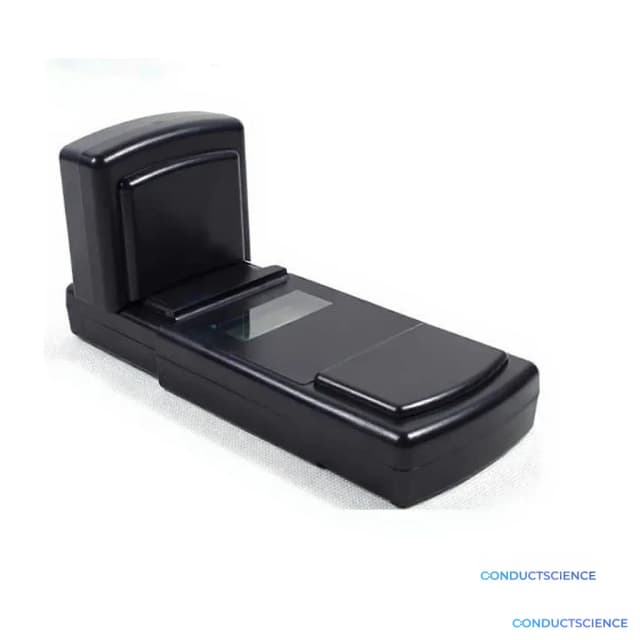
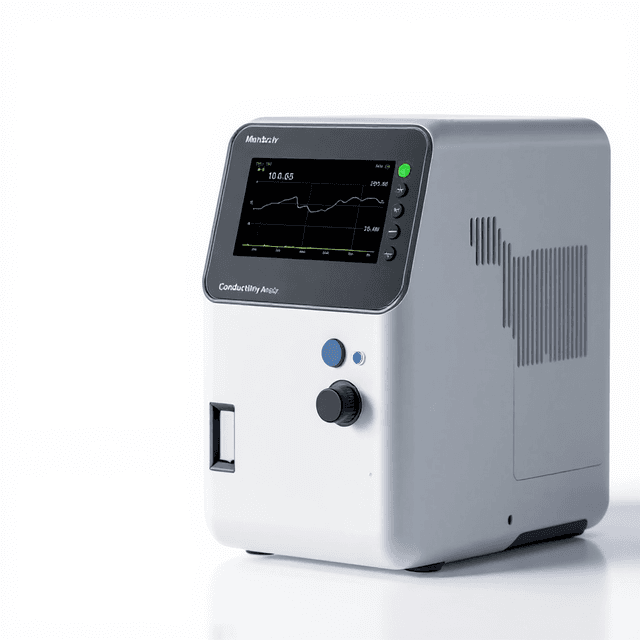
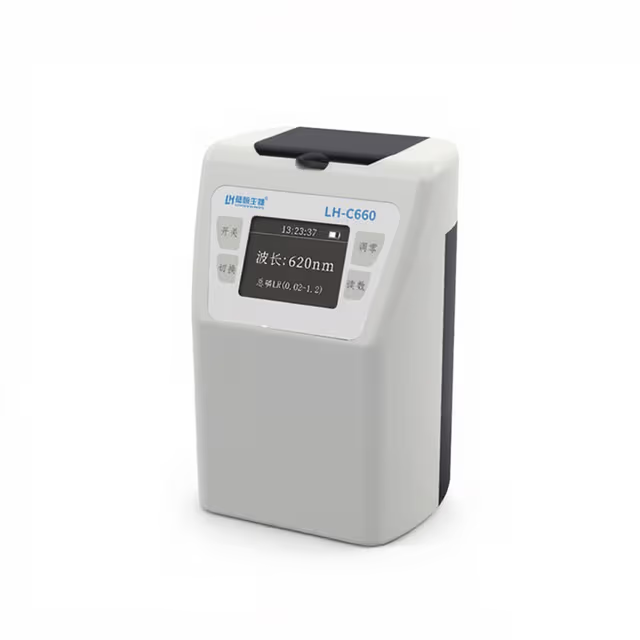
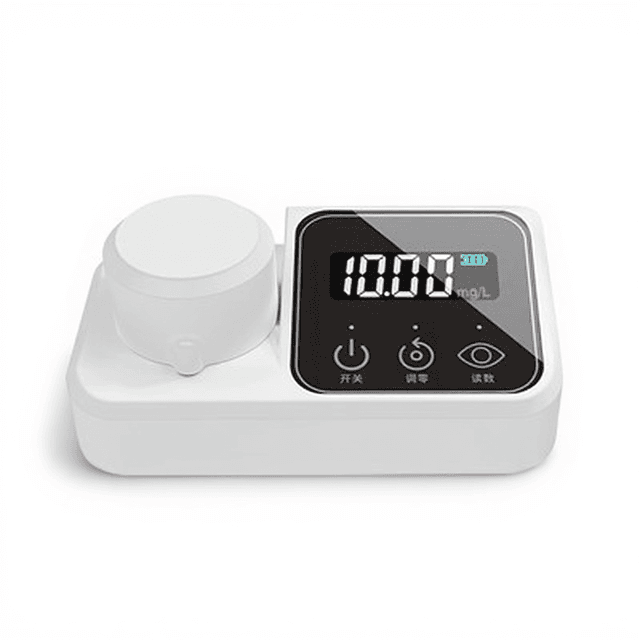
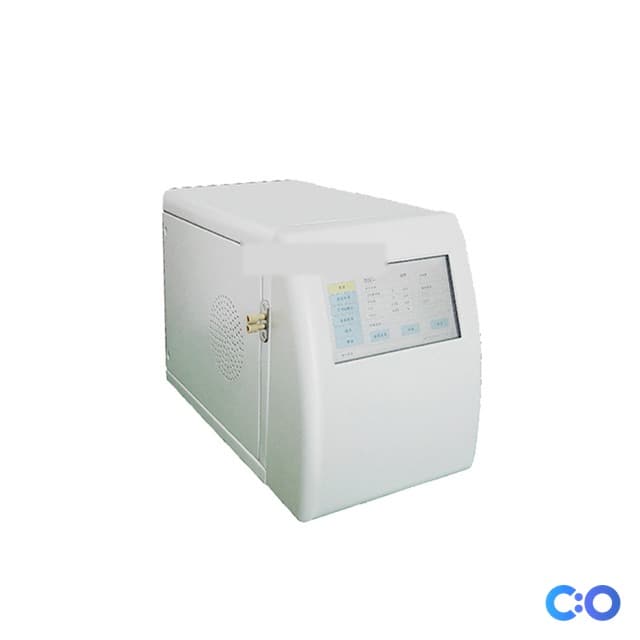
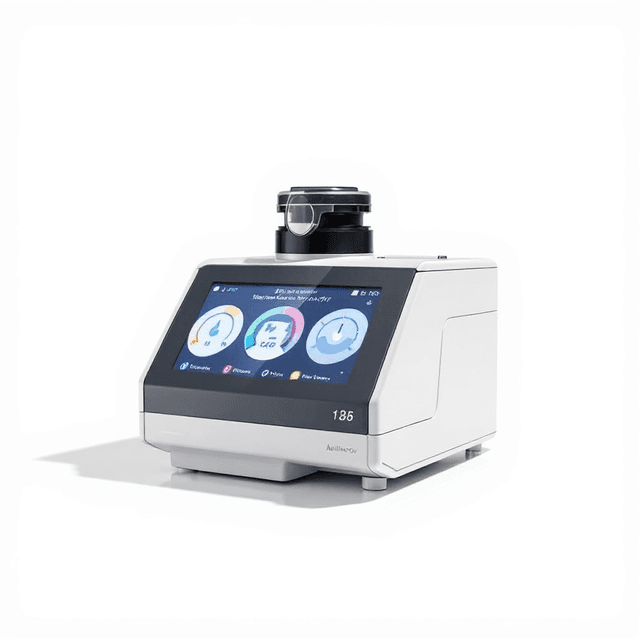
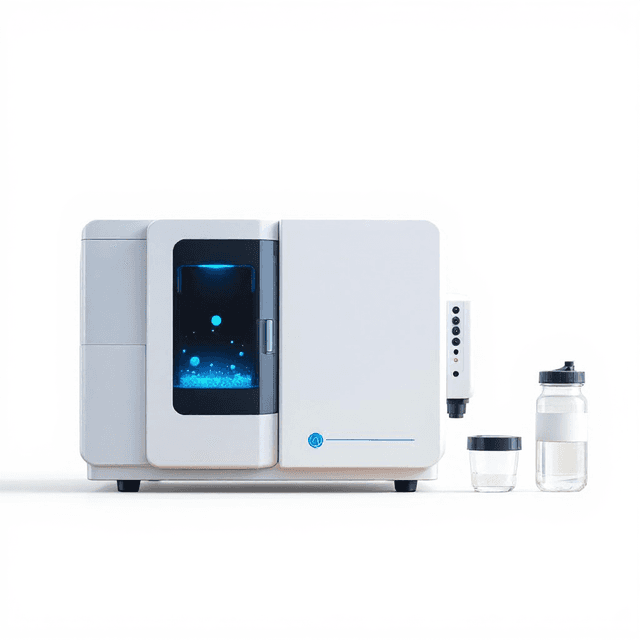
Benchtop Multiparameter Water Quality Analyzer
Benchtop colorimetric analyzer for simultaneous measurement of 14 water quality parameters including COD, total nitrogen, phosphorus, and chlorine species with LED photometry and thermal printer documentation.
| Auxiliary Controls | 8 touch induction keys |
| Light Source | LED cold light (100,000+ hour lifespan) |
| Data Storage | 10,000 test results |
| Compatible Vessels | 10mL colorimetric bottles, 16mm digestion tubes |
| Output | Built-in thermal printer |
| Parameters Tested | Residual Chlorine, Nitrite, Phosphorus, Ammonia Nitrogen, Sulfur, Dissolved Oxygen, pH, Chlorine Dioxide, Ozone, Urea, COD, Total Phosphorus, Total Nitrogen, Total Chlorine |
The Benchtop Multiparameter Water Quality Analyzer provides simultaneous colorimetric analysis of 14 critical water quality parameters through LED-based photometry. The instrument employs standardized colorimetric methods for quantitative determination of residual chlorine, nitrite, phosphorus, ammonia nitrogen, sulfur, dissolved oxygen, pH, chlorine dioxide, ozone, urea, COD, total phosphorus, total nitrogen, and total chlorine in water samples.
Built around a 7-inch IPS color touchscreen interface with 8 auxiliary touch controls, the analyzer accommodates both 10mL colorimetric bottles and 16mm digestion tubes for versatile sample handling. The LED cold light source provides stable illumination with 100,000+ hour operational lifespan, while onboard data storage captures up to 10,000 test results with integrated thermal printer output for immediate documentation.
How It Works
The analyzer operates on established colorimetric principles where target analytes react with specific reagents to produce colored complexes with absorbance proportional to concentration. The LED cold light source provides stable, monochromatic illumination across the visible spectrum, with light passing through the sample contained in either 10mL colorimetric bottles or 16mm digestion tubes. Transmitted light intensity is measured by photodetectors, with absorbance calculated according to Beer-Lambert law.
Each of the 14 parameters utilizes distinct colorimetric chemistry: ammonia nitrogen through Nessler or phenate methods, phosphorus via molybdenum blue formation, COD through dichromate oxidation, and chlorine species via DPD colorimetric reactions. The instrument's optical system automatically selects appropriate wavelengths for each test, while the touchscreen interface guides users through standardized analytical protocols. Results are calculated using pre-programmed calibration curves and displayed with statistical analysis including precision metrics.
Temperature compensation algorithms account for thermal effects on reaction kinetics and optical properties, while the 10,000-result data storage system maintains traceability through automated timestamping and sample identification. The integrated thermal printer provides immediate hard-copy documentation of results, calibration data, and quality control metrics for laboratory record-keeping requirements.
Features & Benefits
Auxiliary Controls
- 8 touch induction keys
Light Source
- LED cold light (100,000+ hour lifespan)
Data Storage
- 10,000 test results
Compatible Vessels
- 10mL colorimetric bottles, 16mm digestion tubes
Output
- Built-in thermal printer
Parameters Tested
- Residual Chlorine, Nitrite, Phosphorus, Ammonia Nitrogen, Sulfur, Dissolved Oxygen, pH, Chlorine Dioxide, Ozone, Urea, COD, Total Phosphorus, Total Nitrogen, Total Chlorine
Automation Level
- semi-automated
Brand
- ConductScience
Display Type
- 7-inch IPS color touchscreen
Research Domain
- Analytical Chemistry
- Clinical Diagnostics
- Environmental Monitoring
- Food Science
- Industrial Hygiene
- Pharmaceutical QC
Weight
- 5.0 lbs
Dimensions
- L: 19.0 in
- W: 22.0 in
- H: 17.0 in
Comparison Guide
| Feature | This Product | Typical Alternative | Advantage |
|---|---|---|---|
| Parameter Count | 14 simultaneous parameters including COD, total nitrogen, phosphorus, and chlorine species | Entry-level models typically offer 3-8 parameters | Comprehensive water quality assessment in single analytical session reduces sample handling and increases laboratory efficiency. |
| Display Interface | 7-inch IPS color touchscreen with 8 auxiliary touch controls | Basic models often use LCD displays with membrane keypads | Intuitive graphical interface accelerates method selection and results interpretation for complex analytical workflows. |
| Light Source Technology | LED cold light source with 100,000+ hour lifespan | Many systems still utilize tungsten or halogen lamps requiring regular replacement | Eliminates lamp replacement costs and provides stable spectral output throughout instrument lifetime. |
| Data Storage Capacity | 10,000 test results with built-in thermal printer | Limited onboard storage often requires immediate data export | Extensive memory enables long-term trending and compliance documentation without external computer dependency. |
| Sample Vessel Flexibility | Compatible with both 10mL colorimetric bottles and 16mm digestion tubes | Single vessel type compatibility in most systems | Accommodates various analytical protocols and sample preparation methods within one instrument platform. |
| Analytical Method Scope | Covers nutrients, oxygen demand, pH, and disinfectant residuals | Specialized instruments often focus on single parameter groups | Reduces equipment investment and bench space requirements while maintaining analytical versatility for diverse water types. |
The analyzer combines multiparameter capability with advanced LED optics and comprehensive data handling in a compact benchtop configuration. The touchscreen interface and extensive data storage provide operational advantages for high-throughput water quality laboratories requiring rapid turnaround and documentation capabilities.
Practical Tips
Perform daily blank calibration with fresh deionized water and verify with certified reference materials before each analytical batch.
Why: Optical baseline drift and reagent aging can introduce systematic errors requiring frequent calibration verification.
Clean sample vessels with dilute acid followed by deionized water rinse to remove mineral deposits and organic residues.
Why: Contaminated vessels cause cross-contamination between samples and interfere with optical measurements.
Prepare reagents in small volumes and store according to manufacturer specifications to maintain analytical accuracy.
Why: Reagent degradation is the primary source of analytical errors in colorimetric methods.
Analyze duplicate samples and control standards at 10% frequency to monitor precision and accuracy trends.
Why: Statistical quality control identifies instrument drift and method problems before they affect sample results.
Check LED light source alignment and sample vessel seating if results show high variability or baseline instability.
Why: Optical misalignment causes measurement imprecision and can indicate mechanical wear or contamination.
Handle digestion tubes with appropriate PPE and ensure adequate ventilation when working with acid preservation reagents.
Why: Chemical reagents pose inhalation and contact hazards requiring proper laboratory safety protocols.
Document reagent lot numbers and expiration dates in analytical logs to maintain traceability for quality assurance.
Why: Reagent batch variations can affect analytical results and regulatory compliance documentation requirements.
Use matrix-matched standards when analyzing complex industrial effluents or high-salinity samples.
Why: Matrix effects can cause interference in colorimetric methods, requiring calibration standards that match sample composition.
Setup Guide
What’s in the Box
- Benchtop multiparameter water quality analyzer
- AC power adapter with regional plug
- Set of 10mL colorimetric sample bottles (typical)
- 16mm digestion tube set (typical)
- User manual and quick start guide
- Calibration certificate and QC documentation (typical)
- Thermal printer paper roll (typical)
- USB cable for data transfer (typical)
Warranty
ConductScience provides a standard one-year manufacturer warranty covering defects in materials and workmanship, with technical support available for calibration procedures, analytical method guidance, and troubleshooting assistance.
Compliance
References
Background reading relevant to this product:
What colorimetric methods are used for each of the 14 parameters?
The analyzer employs established colorimetric methods including DPD reactions for chlorine species, molybdenum blue for phosphorus, Nessler or phenate methods for ammonia nitrogen, and dichromate oxidation for COD. Specific wavelengths and reaction conditions are pre-programmed for each parameter with automatic selection during analysis.
How does the LED light source compare to traditional tungsten lamps for analytical accuracy?
LED sources provide superior spectral stability, longer operational life (100,000+ hours vs 1,000-2,000 hours for tungsten), and reduced thermal drift. The cold light operation eliminates temperature-induced baseline shifts common with tungsten systems, improving measurement precision and reducing maintenance requirements.
What is the typical analytical range and detection limits for key parameters like COD and total nitrogen?
Detection ranges vary by parameter and selected analytical method. COD typically ranges from 0-1000 mg/L depending on digestion protocol, while nitrogen species generally cover 0-50 mg/L ranges. Consult the method-specific documentation for precise detection limits and linear ranges for each parameter.
Can the instrument handle high-salinity or complex matrix samples?
The colorimetric methods are generally suitable for moderate salinity levels typical of natural waters. High ionic strength matrices may require dilution or standard addition techniques to minimize interference effects. Matrix-matched standards are recommended for complex industrial effluents or highly mineralized waters.
What reagent stability and storage requirements apply to the analytical methods?
Reagent stability varies by chemistry, with some solutions stable for weeks under refrigeration while others require daily preparation. The user manual provides specific storage temperatures, shelf life, and preparation protocols for each parameter. Fresh reagent blanks should be analyzed with each batch to verify reagent quality.
How does data export work for integration with laboratory information systems?
The instrument stores 10,000 results in internal memory with thermal printer capability for immediate documentation. Data export capabilities through USB connection allow transfer to external systems, though specific file formats and LIMS integration protocols should be verified for compatibility with existing laboratory databases.
What quality control procedures are recommended for routine operation?
Daily QC should include blank analysis, duplicate samples, and certified reference materials or spiked samples for each parameter. Control charts tracking accuracy and precision over time help identify drift or systematic errors. Calibration verification using independent standards is recommended before each analytical batch.
Are there any specific sample preservation requirements before analysis?
Sample preservation varies by parameter, with some requiring immediate analysis while others permit storage with appropriate preservation. COD samples typically require acid preservation and refrigeration, while chlorine species must be analyzed immediately. Follow EPA or Standard Methods preservation protocols for each specific parameter.
Have a question about this product?
Accessories
Enhance your setup with compatible accessories
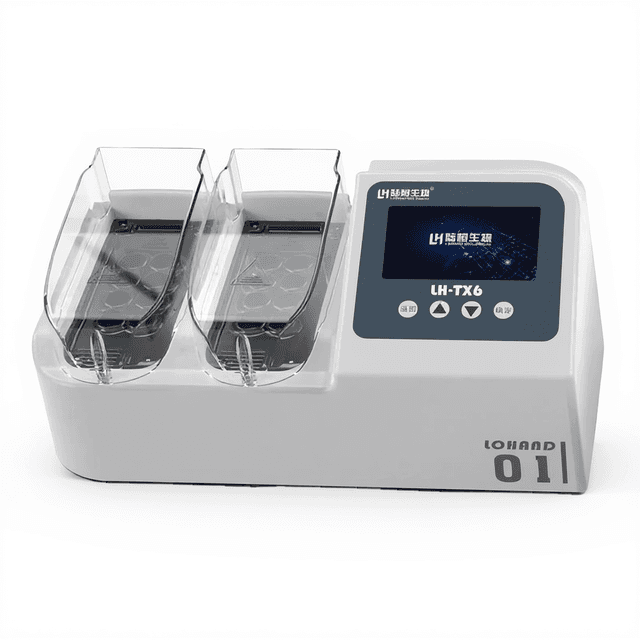
Frequently Bought Together
Upgrade Options