Portable COD and Nutrient Analyzer
Portable multiparameter analyzer measuring COD, ammonia nitrogen, total phosphorus, and total nitrogen with ±5% accuracy and >30-hour battery life.

Louise Corscadden, PhD
Director of Science · ConductScience
Ask Louise about Portable COD and Nutrient Analyzer fit, setup, configuration, or quote prep.
Already working with us? Sign in to connect this with My Scientist.
Key Specifications
Full details →- Model fit
- Configured during quote
- SKU family
- LH-WQ-0003
- Shipping box
- 19.0 x 22.0 x 17.0 cm
- Ordering
- Online checkout and quote request available
- Category
- Portable Analyzers
- Build notes
- Confirm accessories, station layout, and support needs before purchase
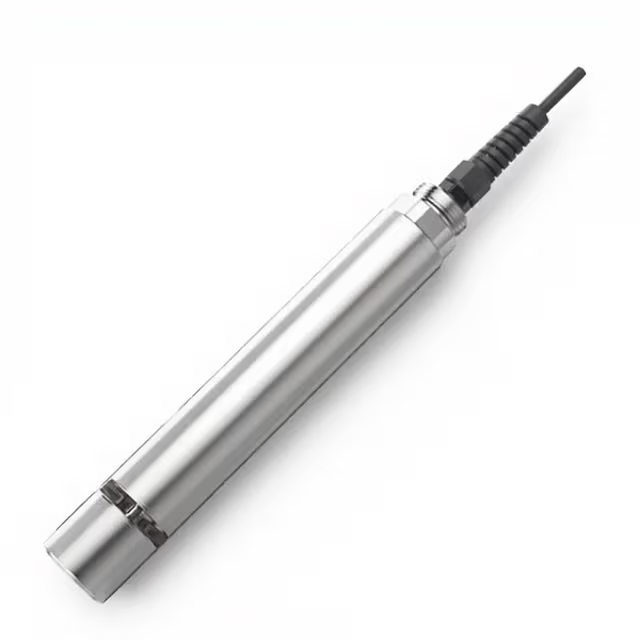
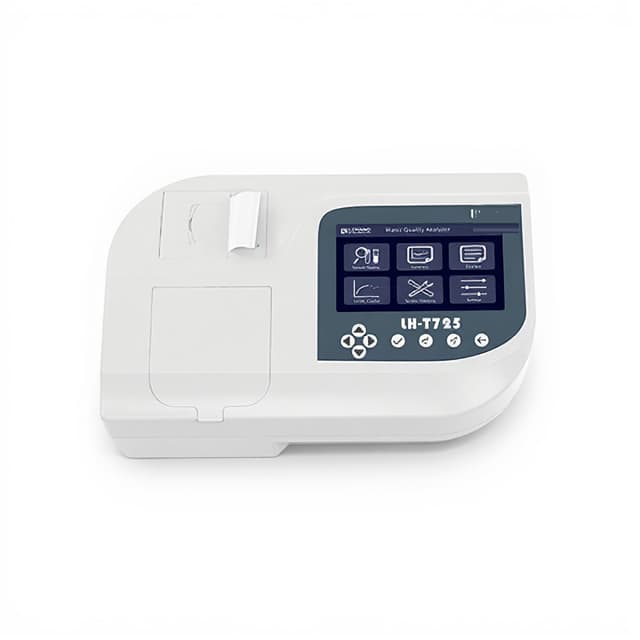
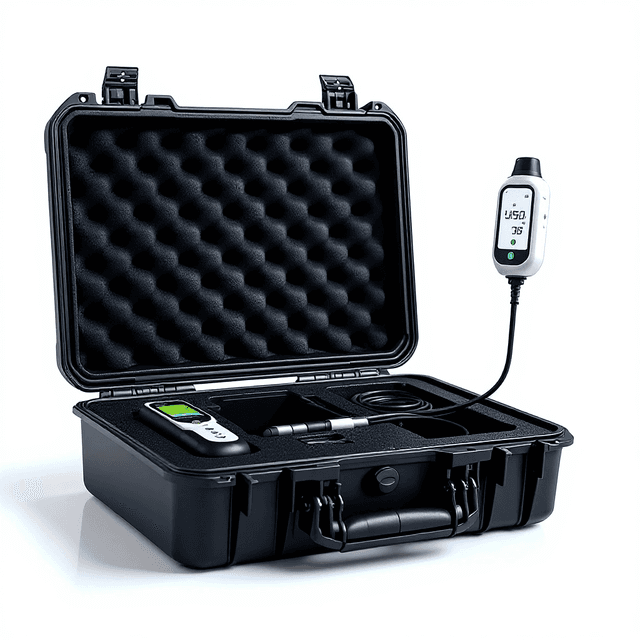
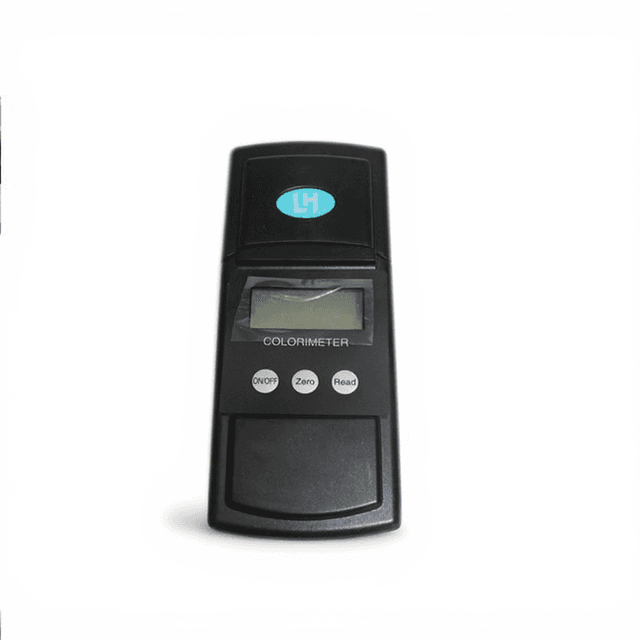
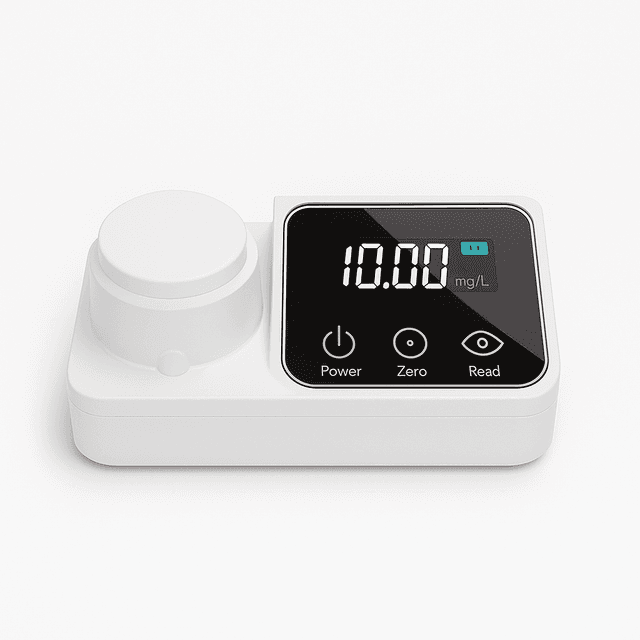
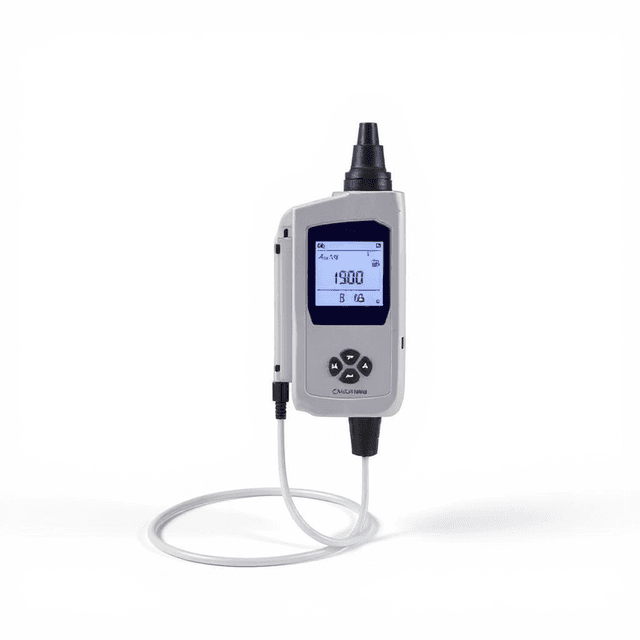
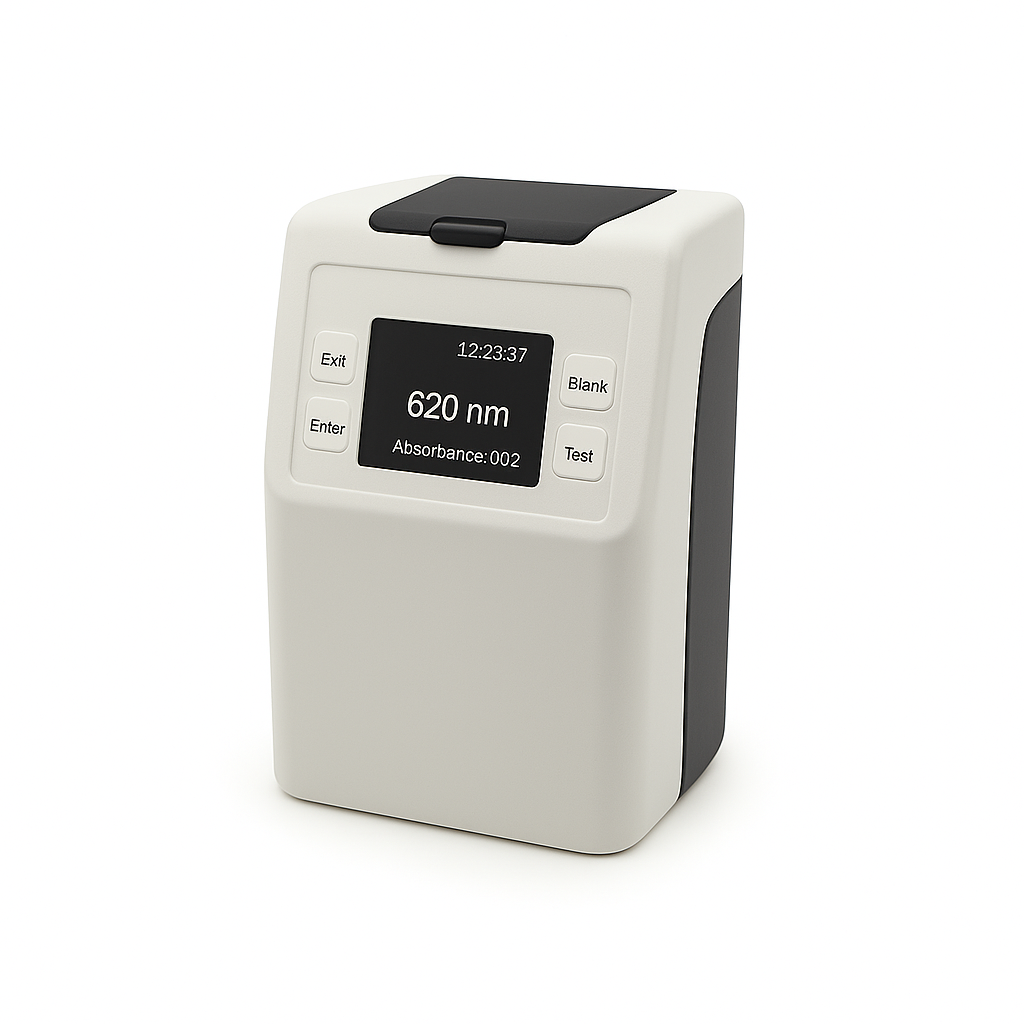
The Portable COD and Nutrient Analyzer provides multiparameter water quality assessment for field and laboratory applications. This handheld instrument simultaneously measures chemical oxygen demand (COD), ammonia nitrogen, total phosphorus, and total nitrogen in aqueous samples with ±5% accuracy across clinically relevant concentration ranges. The rugged IP65+ enclosure withstands field conditions while maintaining analytical performance.
Extended battery operation (>30 hours) enables continuous monitoring campaigns without external power requirements. The analyzer supports environmental research, wastewater treatment optimization, agricultural runoff assessment, and industrial discharge monitoring where real-time nutrient analysis is required for decision-making.
How It Works
The analyzer employs colorimetric analysis principles for simultaneous measurement of multiple water quality parameters. COD determination utilizes dichromate oxidation at elevated temperature, with spectrophotometric detection of chromium(III) formation proportional to organic matter concentration. Ammonia nitrogen measurement relies on the Berthelot reaction, forming indophenol blue complex detectable at 630 nm wavelength.
Total phosphorus analysis involves acid persulfate digestion to convert all phosphorus forms to orthophosphate, followed by molybdenum blue colorimetric detection. Total nitrogen determination combines persulfate oxidation to convert organic and ammonia nitrogen to nitrate, with subsequent cadmium reduction and diazotization reaction for spectrophotometric quantification.
Integrated optical systems with LED light sources and photodiode detectors provide stable measurement performance across the specified concentration ranges. Temperature compensation algorithms account for thermal effects on reaction kinetics and optical properties.
Features & Benefits
COD Range
- 10-15,000 mg/L
Ammonia Nitrogen Range
- 0.05-100 mg/L
Total Phosphorus Range
- 0.02-20 mg/L
Total Nitrogen Range
- 0.5-500 mg/L
Battery Life
- Over 30 hours
IP Rating
- IP65+
Automation Level
- semi-automated
Brand
- ConductScience
Research Domain
- Analytical Chemistry
- Environmental Monitoring
Shipping weight
- 1.0 lb
Shipping box
- L: 19.0 cm
- W: 22.0 cm
- H: 17.0 cm
| Feature | This Product | Typical Alternative | Advantage |
|---|---|---|---|
| COD Measurement Range | 10-15,000 mg/L | Entry-level models often limited to narrower ranges or require multiple measurement cells | Wide dynamic range accommodates diverse sample types without dilution or concentration steps. |
| Multiparameter Capability | COD, ammonia nitrogen, total phosphorus, total nitrogen | Single-parameter instruments require multiple devices for comprehensive analysis | Simultaneous measurement reduces field time and ensures consistent sample conditions across parameters. |
| Measurement Accuracy | ±5% | Field instruments often provide ±10% or lower accuracy | Laboratory-quality precision enables regulatory compliance and research-grade data collection. |
| Battery Life | Over 30 hours | Typical field instruments offer 8-16 hours of operation | Extended operation supports multi-day field campaigns without recharging requirements. |
| Environmental Protection | IP65+ rating | Many portable analyzers offer IP54 or lower protection | Enhanced dust and moisture protection ensures reliable operation in challenging field conditions. |
This analyzer combines wide measurement ranges across four critical water quality parameters with laboratory-grade accuracy in a portable, field-ruggedized package. The extended battery life and environmental protection ratings support demanding field applications while maintaining analytical performance.
Practical Tips
Perform daily calibration checks using certified reference materials at the beginning of each field session.
Why: Environmental conditions and reagent aging can affect measurement accuracy over time.
Flush all fluid lines with distilled water after each use session and store with preservation solution.
Why: Prevents reagent crystallization and contamination that can affect subsequent measurements.
Allow samples to reach ambient temperature before analysis if they were refrigerated during transport.
Why: Temperature differences can affect reaction kinetics and optical measurements leading to systematic errors.
Run duplicate measurements on 10% of samples and include blank and spiked samples in each analytical batch.
Why: Quality control measures verify measurement precision and detect systematic bias or contamination.
If readings appear unstable, check for air bubbles in the sample chamber and re-prime the system.
Why: Air bubbles interfere with optical measurements and create erratic results.
Wear appropriate PPE when handling reagent cartridges and dispose of spent reagents according to local regulations.
Why: Analytical reagents may contain hazardous chemicals requiring proper handling and disposal procedures.
Setup Guide
What’s in the Box
- Portable COD and Nutrient Analyzer main unit
- Battery charger and power adapter
- Sample vials and caps (typical)
- Reagent cartridge set for all parameters (typical)
- Calibration standards (typical)
- USB cable for data transfer (typical)
- User manual and quick reference guide
- Carrying case (typical)
Warranty
ConductScience provides a standard 1-year manufacturer warranty covering defects in materials and workmanship, with technical support for calibration and operational guidance.
Compliance
References
Background reading relevant to this product:
What sample volume is required for each analysis?
Consult product datasheet for specific sample volume requirements, which typically range from 1-10 mL depending on the parameter and concentration range.
How frequently does the instrument require calibration?
Calibration frequency depends on usage intensity and accuracy requirements. Daily calibration checks are recommended for critical applications, with full recalibration typically needed weekly or monthly.
Can the analyzer store measurement data for later download?
Consult product datasheet for data storage capacity and transfer options. Most portable analyzers include internal memory and USB or wireless connectivity for data management.
What is the analysis time for a complete multiparameter measurement?
Analysis time varies by parameter but typically ranges from 2-10 minutes per test depending on reaction kinetics and measurement protocol.
Are replacement reagents and consumables readily available?
ConductScience provides ongoing supply of reagent cartridges, calibration standards, and consumables specific to this analyzer model.
How does temperature affect measurement accuracy?
The instrument includes temperature compensation algorithms, but extreme temperatures may require thermal equilibration or controlled measurement conditions for optimal accuracy.
Have a question about this product?
Have a question? Just ask.
Send it over and we'll email you a personalized answer — no call, no scheduling.
Prefer to talk it through?
Accessories
Enhance your setup with compatible accessories