Industrial Online Water Quality Universal Controller
Multi-parameter water quality controller supporting 14 sensor types with HD touchscreen interface, IP65 protection, and remote communication for continuous industrial and environmental monitoring.

Louise Corscadden, PhD
Director of Science · ConductScience
Ask Louise about Industrial Online Water Quality Universal Controller fit, setup, configuration, or quote prep.
Already working with us? Sign in to connect this with My Scientist.
Key Specifications
Full details →- Model fit
- Configured during quote
- SKU family
- LH-WQ-0010
- Shipping box
- 19.0 x 22.0 x 17.0 cm
- Ordering
- Online checkout and quote request available
- Category
- Industrial Sensors
- Build notes
- Confirm accessories, station layout, and support needs before purchase
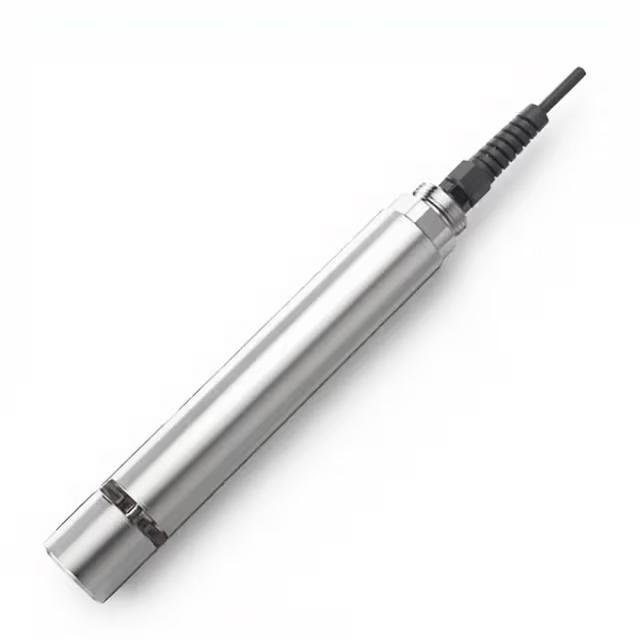
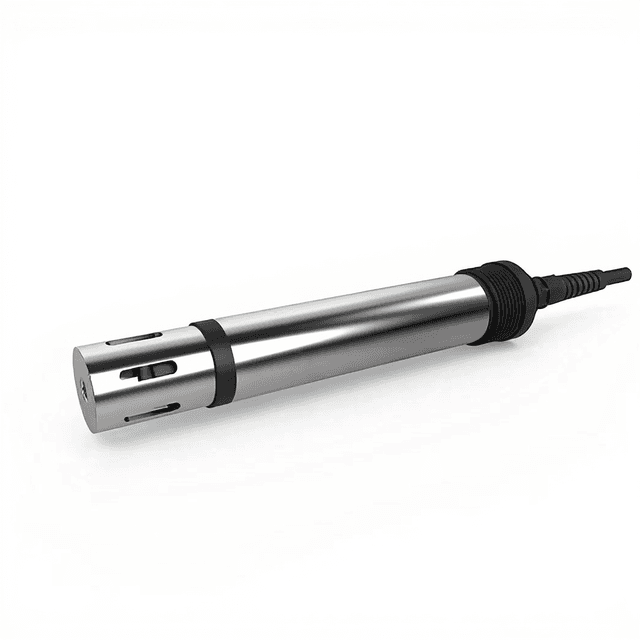
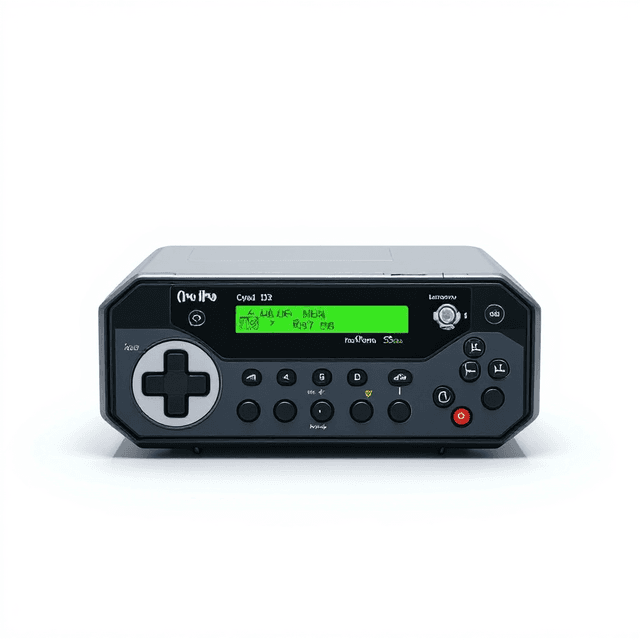
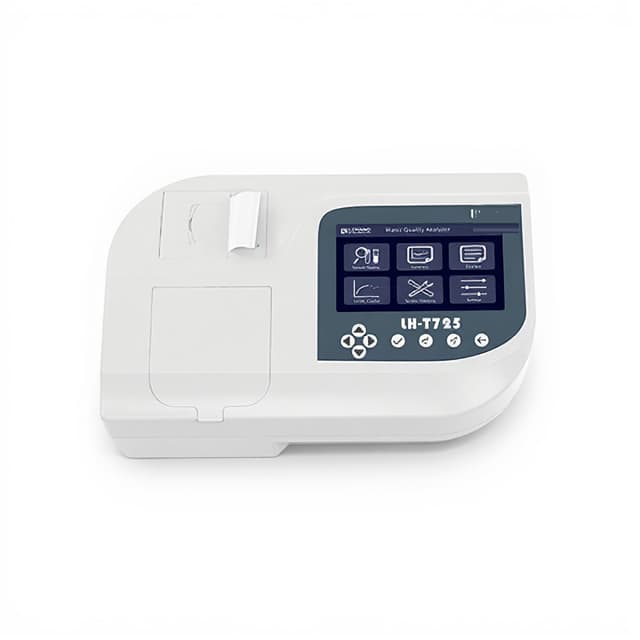
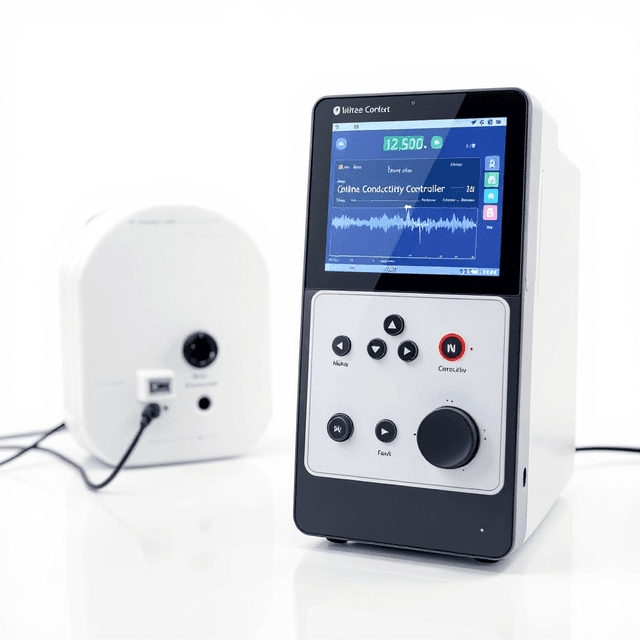
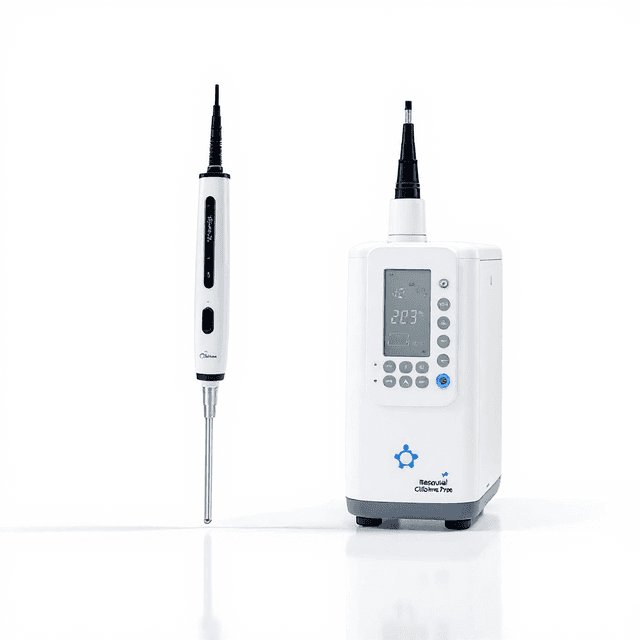
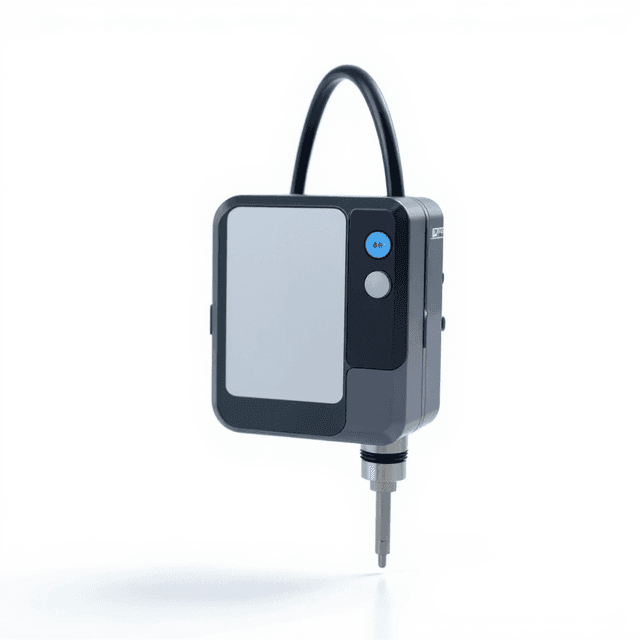
The Industrial Online Water Quality Universal Controller is a multi-parameter monitoring system designed for continuous, real-time assessment of water quality across industrial and environmental applications. This controller supports 14 distinct sensor types including pH, conductivity, dissolved oxygen, turbidity, fluorescence DO, ORP, COD, chlorine dioxide, residual chlorine, ammonia nitrogen, nitrate, chlorophyll, blue-green algae, and ozone measurements. The system features an HD color touchscreen interface with bilingual support (English/Chinese) and IP65 environmental protection for deployment in harsh industrial environments.
The controller integrates high and low alarm functions with remote communication capabilities, enabling automated monitoring workflows and immediate notification of parameter excursions. With measurement accuracies of ±0.02 pH units, ±5% for dissolved oxygen (0-20 mg/L range), and ±5% full scale for COD and ammonia nitrogen parameters, the system provides laboratory-grade precision for field deployment. The universal design accommodates multiple sensor configurations simultaneously, allowing researchers to monitor complex water chemistry profiles from a single control unit.
How It Works
The controller operates through electrochemical, optical, and spectrophotometric measurement principles depending on the sensor type. pH sensors utilize glass electrode potentiometry to measure hydrogen ion activity, while conductivity sensors employ four-electrode conductance cells to determine ionic strength. Dissolved oxygen measurements are performed using both electrochemical (Clark-type) and optical fluorescence quenching methods, with the optical sensors providing maintenance-free operation in fouling conditions.
Turbidity measurements utilize 90-degree nephelometric light scattering at 860 nm wavelength, following ISO 7027 methodology for accurate suspended particle quantification. Chemical parameters like COD, ammonia nitrogen, and nitrate are measured using UV-visible spectrophotometry with reagentless optical cells or ion-selective electrodes. The controller's microprocessor continuously samples all connected sensors, applies temperature compensation algorithms, and stores data with timestamp logging.
Alarm functions compare real-time measurements against user-defined thresholds, triggering local and remote notifications when parameters exceed acceptable ranges. The remote communication module transmits data via standard industrial protocols, enabling integration with SCADA systems and centralized monitoring networks for facility-wide water quality management.
Features & Benefits
IP Rating
- IP65
Interface Languages
- English, Chinese
Communication
- Remote communication capable
Alarm
- High and low alarm
Supported Sensors
- pH, Conductivity, Dissolved Oxygen, Turbidity, Fluorescence DO, ORP, COD, Chlorine Dioxide, Residual Chlorine, Ammonia Nitrogen, Nitrate, Chlorophyll, Blue-Green Algae, Ozone
pH Sensor Range
- 0-14 pH (+/-0.02)
DO Sensor Range
- 0-20 mg/L (+/-5%)
Turbidity Sensor Range
- 0-3000 NTU
COD Sensor Range
- 0-600 mg/L (+/-5% F.S.)
Ammonia Nitrogen Range
- 0-100 mg/L (+/-5% F.S.)
Automation Level
- semi-automated
Brand
- ConductScience
Display Type
- HD color touchscreen
Research Domain
- Analytical Chemistry
- Environmental Monitoring
- Food Science
- Industrial Hygiene
- Microbiology
- Pharmaceutical QC
Shipping weight
- 10.0 lb
Shipping box
- L: 19.0 cm
- W: 22.0 cm
- H: 17.0 cm
| Feature | This Product | Typical Alternative | Advantage |
|---|---|---|---|
| Sensor Type Support | 14 sensor types including specialized parameters (chlorophyll, blue-green algae, ozone) | Basic controllers typically support fewer sensor types | Enables comprehensive water quality assessment without multiple instrument purchases and reduces system complexity. |
| pH Measurement Accuracy | ±0.02 pH units across 0-14 pH range | Standard controllers often provide lower precision | Delivers laboratory-grade accuracy for applications requiring precise pH control and regulatory compliance documentation. |
| Environmental Protection | IP65 rating with HD color touchscreen | Many controllers offer limited weather protection | Enables reliable operation in harsh industrial and outdoor environments while maintaining clear data visualization. |
| Alarm Functions | High and low alarm capabilities with remote notification | Basic models may lack comprehensive alarm features | Provides immediate response to parameter excursions and enables automated facility monitoring integration. |
| Interface Languages | Bilingual support (English and Chinese) | Most controllers offer single language operation | Accommodates international research teams and multinational facility operations without language barriers. |
| Communication Capability | Remote communication with data transmission protocols | Entry-level models may lack remote monitoring features | Enables integration with existing facility management systems and automated data collection workflows. |
This controller distinguishes itself through comprehensive 14-sensor compatibility, laboratory-grade measurement accuracy (±0.02 pH), and industrial-grade construction with IP65 protection. The bilingual interface and remote communication capabilities address both technical performance and operational convenience requirements for research and industrial applications.
Practical Tips
Perform sequential calibration of sensors in order of measurement stability, starting with pH and conductivity before proceeding to optical and chemical sensors.
Why: This sequence prevents cross-contamination of calibration standards and ensures measurement accuracy across all sensor types.
Store calibration standards at specified temperatures and verify expiration dates before use, particularly for pH buffers and dissolved oxygen solutions.
Why: Temperature and age variations in standards directly affect calibration accuracy and subsequent measurement precision.
Clean optical sensor windows weekly with appropriate solvents to prevent fouling buildup that affects turbidity and fluorescence measurements.
Why: Optical fouling causes measurement drift and reduced sensitivity in spectrophotometric sensor types.
Inspect sensor cables and connectors monthly for corrosion or damage, particularly in harsh chemical environments.
Why: Cable degradation leads to electrical noise and measurement instability across all connected sensors.
Document sensor installation locations and orientations to ensure consistent measurement conditions during maintenance and calibration procedures.
Why: Sensor positioning affects measurement accuracy and reproducibility, particularly for flow-sensitive parameters like dissolved oxygen.
Implement redundant sensors for critical parameters in applications where measurement failure could impact process safety or regulatory compliance.
Why: Backup measurements provide continuous monitoring capability during sensor maintenance or replacement procedures.
Configure data logging intervals based on expected parameter variation rates, using shorter intervals for rapidly changing systems.
Why: Appropriate sampling frequency captures critical parameter changes while avoiding excessive data storage and transmission overhead.
Use check standards between calibrations to verify sensor performance and identify drift before measurements become unreliable.
Why: Regular verification detects sensor degradation early, preventing invalid data collection and maintaining measurement traceability.
Setup Guide
What’s in the Box
- Industrial water quality controller unit
- HD color touchscreen interface
- Power supply and connection cables
- Sensor connection harnesses (typical)
- Mounting hardware and brackets (typical)
- User manual and quick start guide
- Calibration certificate and reference materials (typical)
- Communication module and software (typical)
Warranty
ConductScience provides a standard one-year manufacturer warranty covering defects in materials and workmanship, with technical support for installation, calibration, and troubleshooting assistance. Extended warranty and calibration service programs are available for critical monitoring applications.
Compliance
References
Background reading relevant to this product:
Can the controller measure all 14 sensor types simultaneously?
The controller supports connection of multiple sensors simultaneously with individual measurement channels. The specific number of concurrent sensors depends on the input channel configuration - consult product datasheet for maximum simultaneous sensor capacity.
What calibration standards are required for the different sensor types?
pH sensors require buffer solutions at pH 4.0, 7.0, and 10.0. Conductivity sensors need certified conductivity standards (typically 84 μS/cm, 1413 μS/cm, 12.88 mS/cm). Dissolved oxygen sensors require air-saturated water and zero oxygen solution. Turbidity sensors use formazin or polymer standards at defined NTU values.
How does temperature compensation work across different sensor types?
The controller applies automatic temperature compensation algorithms specific to each sensor type. pH compensation follows the Nernst equation, conductivity uses standard temperature coefficients, and dissolved oxygen applies Henry's law corrections. Temperature sensors integrated with each probe provide real-time compensation data.
What data output formats and logging intervals are available?
The controller stores data in standard formats with user-selectable logging intervals from seconds to hours. Remote communication protocols include Modbus RTU, 4-20mA analog output, and digital communication interfaces - consult datasheet for specific protocol specifications and data format options.
Can the system operate in extreme temperature or chemical environments?
The controller maintains IP65 protection with operating temperature range specifications in the product datasheet. Individual sensors have specific chemical compatibility and temperature ranges depending on sensor type and construction materials - verify sensor specifications for intended application conditions.
How is sensor fouling and drift detected and compensated?
The system monitors measurement stability and response time to detect sensor fouling. Drift detection compares readings against expected values during calibration verification. Some sensor types include automatic cleaning functions or fouling-resistant designs - specific features vary by sensor model.
What power requirements and backup options are available?
Power specifications are detailed in the product datasheet including voltage range, power consumption, and surge protection features. Backup power options depend on installation requirements - consult datasheet for power supply specifications and available backup power interfaces.
How does the remote communication integrate with existing monitoring systems?
The controller supports standard industrial communication protocols for integration with SCADA systems, data historians, and facility monitoring networks. Configuration includes IP addressing, data polling intervals, and alarm notification routing - specific protocol capabilities are detailed in the technical specifications.
Have a question about this product?
Have a question? Just ask.
Send it over and we'll email you a personalized answer — no call, no scheduling.
Prefer to talk it through?
Accessories
Enhance your setup with compatible accessories