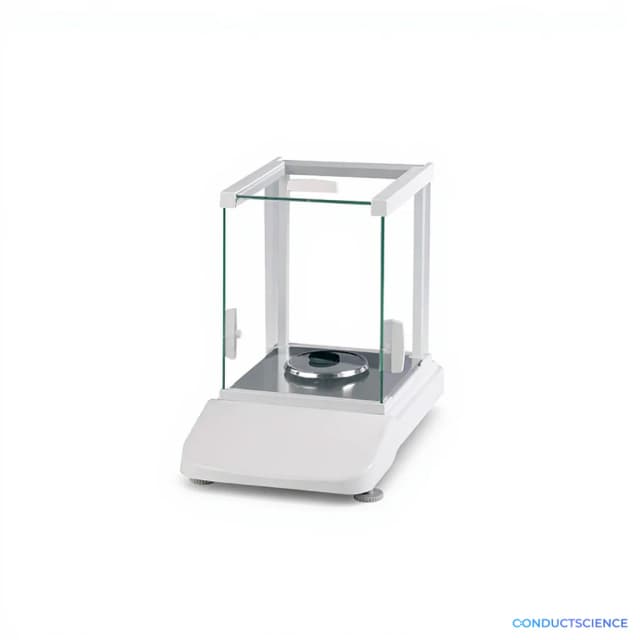
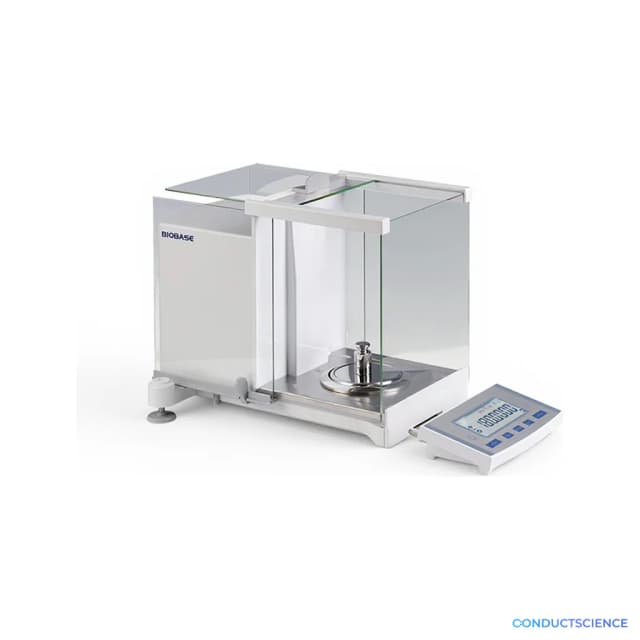
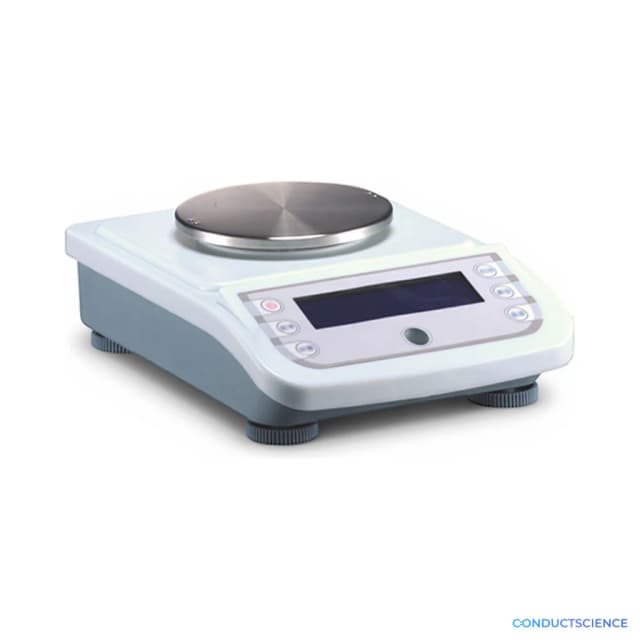
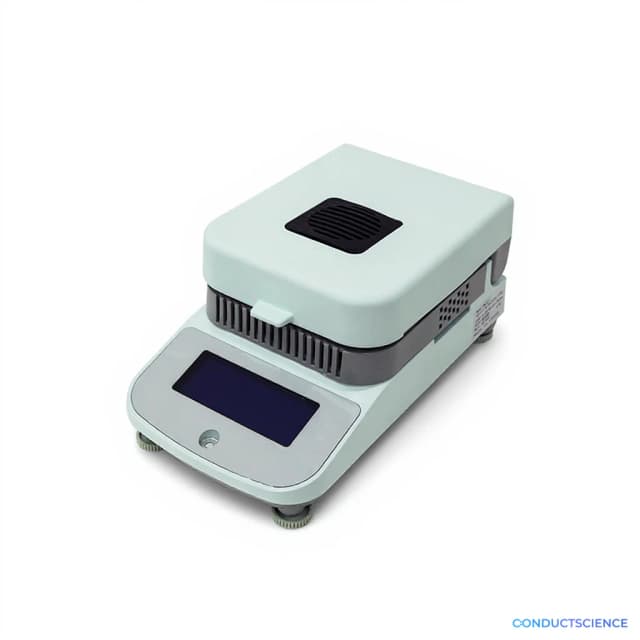
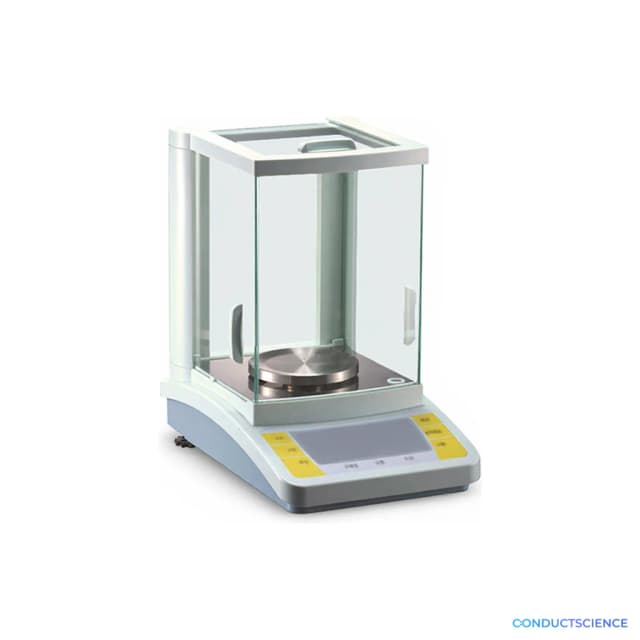
BP-B/P Series Electronic Precision Balance
Electronic precision balance series offering 1mg readability across capacity ranges from 100g to 1000g with 1-second stabilization time for analytical weighing applications.
| Automation Level | manual |
| BP1203B | BP2003B |
| BP3003B | BP4103B |
| BP5003B | BP10003 |
| BP1003P | BP2003P |
| 0~120g | 0~200g |

The BP-B/P Series Electronic Precision Balance provides analytical weighing capabilities for laboratory applications requiring milligram-level precision. This series offers multiple capacity options ranging from 100g to 1000g with 1mg readability across all models, utilizing electromagnetic force restoration technology for stable measurements. The balance features a compact design with a 34.0 × 35.0 × 21.5 cm footprint and 1-second stabilization time for efficient sample processing.
Available in both B-series and P-series configurations, the balance accommodates various sample sizes through different weighing pan diameters (φ80mm to φ110mm). The 1mg repeatability specification ensures consistent results across multiple measurements, making it suitable for quantitative analysis protocols in research and quality control applications where precise mass determination is critical.
How It Works
The BP-B/P Series utilizes electromagnetic force restoration (EFR) technology to achieve precise mass measurements. When a sample is placed on the weighing pan, the resulting downward force displaces a coil within a permanent magnetic field. The balance's internal microprocessor detects this displacement and generates a proportional electromagnetic force to restore the coil to its original position, with the current required for restoration being directly proportional to the sample mass.
The system incorporates automatic internal calibration routines and temperature compensation algorithms to maintain measurement accuracy across varying environmental conditions. Digital signal processing filters mechanical vibrations and air currents to achieve the specified 1-second stabilization time while maintaining 1mg readability and repeatability across all capacity ranges.
Features & Benefits
Automation Level
- manual
BP1203B
- BP2003B
BP3003B
- BP4103B
BP5003B
- BP10003
BP1003P
- BP2003P
0~120g
- 0~200g
0~300g
- 0~410g
0~500g
- 0~1000g
0~100g
- 0~200g
Readability
- 1mg
Scale Size
- φ90mm
φ110mm
- φ80mm
Stable Time
- 1s
Repeat Ability
- 1mg
Brand
- ConductScience
Research Domain
- Analytical Chemistry
- Environmental Monitoring
- Food Science
- Materials Science
- Microbiology
- Pharmaceutical QC
Capacity
- 0~100g
Weight
- 11.97 kg
Dimensions
- L: 13.78 mm
- W: 13.39 mm
- H: 8.46 mm
Comparison Guide
| Feature | This Product | Typical Alternative | Advantage |
|---|---|---|---|
| Readability | 1mg across all models | Entry-level models often offer 10mg or limited to lower capacities | Consistent analytical precision regardless of selected capacity range for versatile laboratory use |
| Stabilization Time | 1 second | Standard analytical balances typically require 2-5 seconds | Enables higher sample throughput in analytical workflows without sacrificing measurement quality |
| Capacity Range | 100g to 1000g across seven models | Limited model selection often requires compromise between capacity and precision | Optimizes capacity-to-readability ratio for diverse analytical requirements within single product series |
| Weighing Technology | Electromagnetic force restoration | Lower-cost models often use strain gauge systems | Provides superior long-term accuracy and reduced drift for critical analytical measurements |
| Pan Size Options | φ80mm to φ110mm across models | Fixed pan size limits sample container compatibility | Accommodates diverse sample geometries and container types within precision weighing envelope |
The BP-B/P Series offers analytical-grade 1mg readability with rapid 1-second stabilization across an extended capacity range. Electromagnetic force restoration technology and multiple pan size options provide versatility for diverse analytical weighing requirements.
Practical Tips
Perform daily calibration using NIST-traceable weights and allow 30-minute warm-up before first calibration cycle.
Why: Temperature equilibration ensures measurement stability and accuracy throughout the working day.
Use the tare function to zero the display with sample containers in place rather than subtracting container weight manually.
Why: Direct taring eliminates calculation errors and provides more accurate net sample weights.
Clean weighing pan and chamber weekly with alcohol-dampened cloth, avoiding harsh solvents or abrasive materials.
Why: Regular cleaning prevents residue buildup that can affect measurement accuracy and cause drift over time.
Record multiple measurements for statistical analysis, particularly for samples near the lower measurement limit.
Why: Replicate measurements improve precision and identify potential systematic errors in analytical protocols.
If readings fluctuate excessively, check for air currents, vibration sources, and verify level adjustment.
Why: Environmental disturbances are the most common cause of measurement instability in precision balances.
Avoid placing magnetic materials near the balance and ensure adequate ventilation when weighing volatile samples.
Why: Magnetic interference affects electromagnetic force restoration accuracy, while volatile samples require proper containment.
Setup Guide
What’s in the Box
- BP-B/P Series electronic balance (typical)
- AC power adapter (typical)
- Weighing pan (size varies by model) (typical)
- User manual and documentation (typical)
- Calibration certificate (typical)
Warranty
ConductScience provides a standard 1-year manufacturer warranty covering defects in materials and workmanship. Technical support includes calibration guidance and troubleshooting assistance for optimal measurement performance.
Compliance
What external weights are required for calibration and how often should calibration be performed?
Calibration requires NIST-traceable weights matching the balance capacity (100g to 1000g depending on model). Daily calibration is recommended for critical analytical work, with weekly calibration acceptable for routine measurements. Environmental changes require recalibration.
How does the 1-second stabilization time compare to other analytical balances in this class?
The 1-second stabilization represents rapid measurement capability for milligram-precision balances. Most analytical balances in this range require 2-5 seconds for stabilization, making this series suitable for high-throughput applications.
What environmental conditions affect measurement accuracy and how are they compensated?
Temperature fluctuations, air currents, and vibrations impact accuracy. The balance includes internal temperature compensation and requires stable environmental conditions. Use draft shields for volatile samples and maintain consistent room temperature.
Can the balance interface with laboratory information management systems (LIMS)?
Interface capabilities depend on specific model configuration. Consult product datasheet for available communication ports and data output formats compatible with your LIMS requirements.
What is the minimum sample weight for reliable measurements given the 1mg readability?
For analytical applications, minimum sample weight should be approximately 10-20 times the readability (10-20mg) to achieve acceptable relative uncertainty. Smaller samples require specialized microbalances for reliable quantification.
How do I select between B-series and P-series models for my application?
Selection criteria include required capacity, available bench space for the weighing pan size, and specific application requirements. Consult technical specifications to match pan diameter and capacity to your typical sample characteristics.
Have a question about this product?
Accessories
Enhance your setup with compatible accessories
Frequently Bought Together