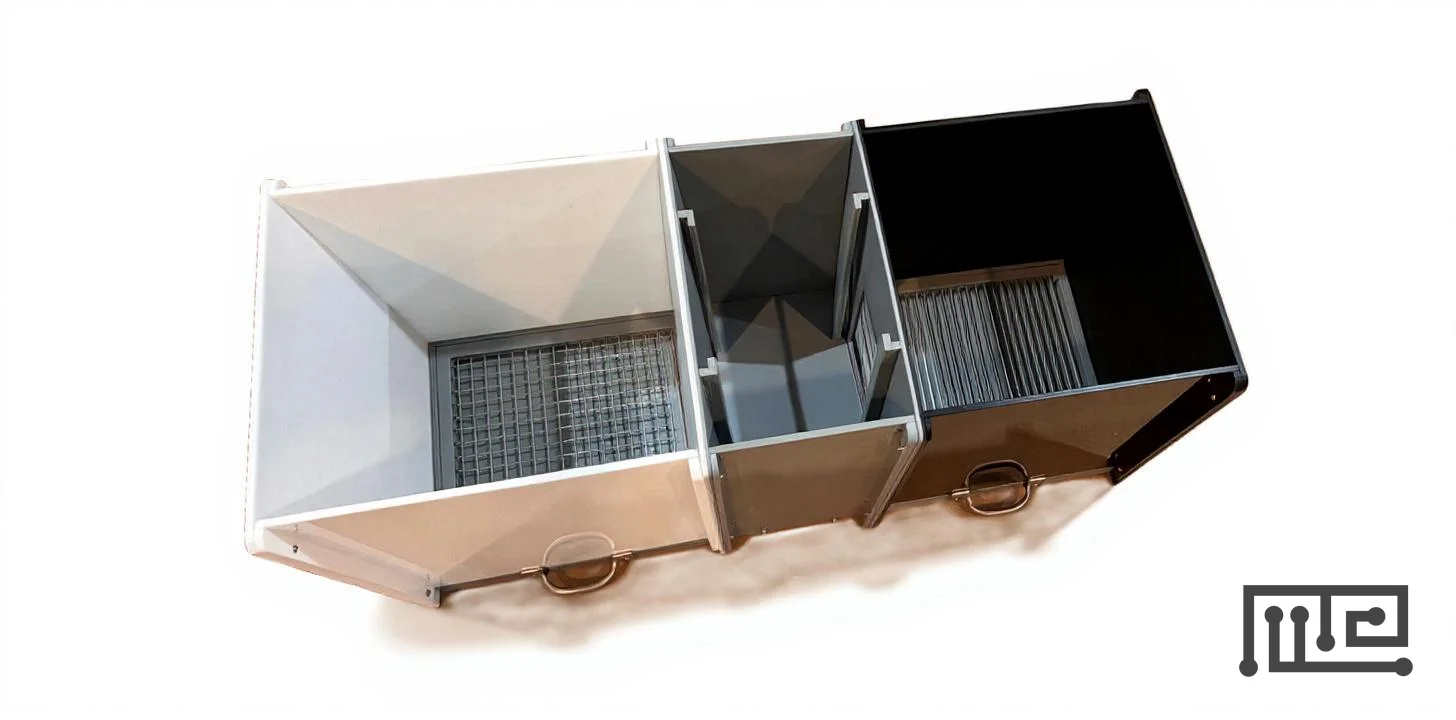
Conditioned Place Preference Apparatus
Behavioral testing apparatus for evaluating drug reward, aversion, and preference using conditioned place preference paradigms in rodents and larger animal models.

Louise Corscadden, PhD
Director of Science · ConductScience
Ask Louise about Conditioned Place Preference Apparatus fit, setup, configuration, or quote prep.
Already working with us? Sign in to connect this with My Scientist.
Used in a 2018 paper in Nature
The paper
“Reward behaviour is regulated by the strength of hippocampus–nucleus accumbens synapses”
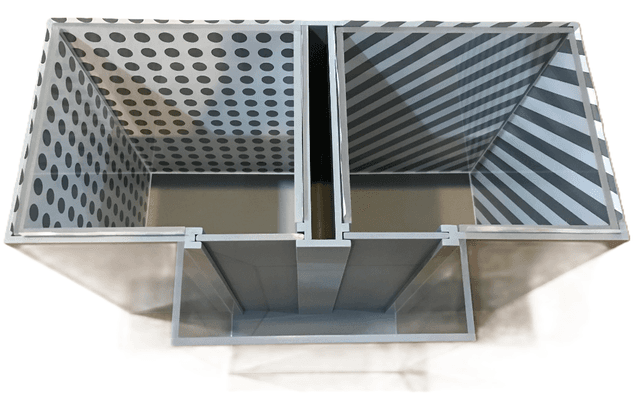
The ability of optogenetic potentiation to induce CPP was evaluated using a three chamber CPP arena (Maze Engineers), which consisted of two chambers distinguishable by visual cues and a smaller chamber connecting the two rooms.
Maze Engineers is part of ConductScience.
Key Specifications
Full details →- Model fit
- 4 selectable configurations
- SKU family
- CS-958149
- Shipping box
- 65.0 x 36.0 x 27.0 cm
- Ordering
- Online checkout and quote request available
- Category
- Behavioral Mazes
- Build notes
- Confirm accessories, station layout, and support needs before purchase
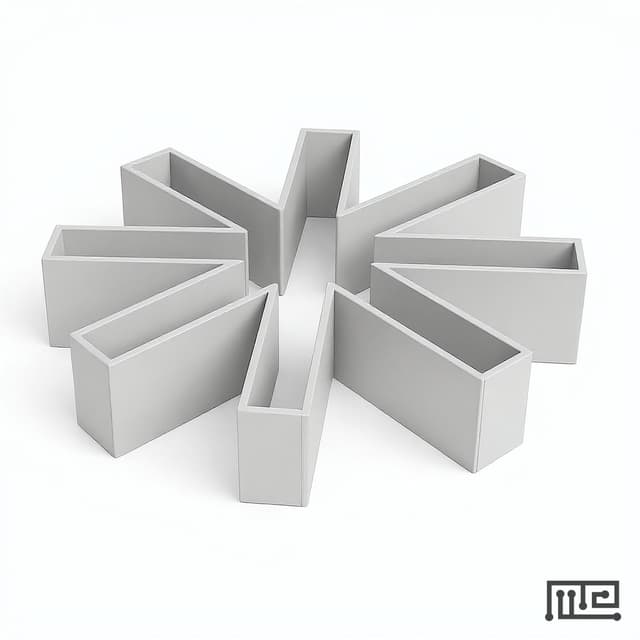
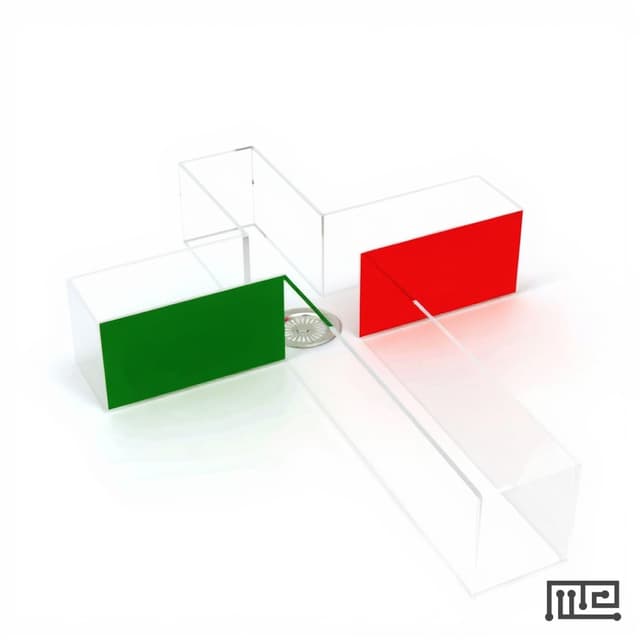
The Conditioned Place Preference (CPP) apparatus is a widely used behavioral testing system for evaluating the rewarding or aversive properties of pharmacological agents, environmental stimuli, and social interactions. The apparatus consists of two or three distinct compartments with different visual and tactile cues, connected by a central neutral zone with removable guillotine doors for controlled access during conditioning and test phases.
Constructed from acrylic for easy cleaning and odor elimination, the apparatus features contrasting black and white compartments with interchangeable floor textures to provide distinct contextual cues. The system is compatible with video tracking software including EthoVision XT, ANY-maze, and BehaviorCloud for automated data collection and analysis. Available in mouse, rat, and pig configurations to accommodate different experimental models and research requirements.
How It Works
The conditioned place preference paradigm operates on the principle of classical conditioning, where animals learn to associate specific environmental contexts with rewarding or aversive stimuli. During the conditioning phase, subjects are confined to one compartment following administration of the test stimulus (e.g., drug injection) and to the opposite compartment following control treatment (e.g., saline injection). The distinct visual cues (black versus white walls) and tactile cues (different floor textures) provide clear contextual differences that facilitate association formation.
During the test phase, removable guillotine doors are opened to allow free movement between all compartments. Animals that have formed positive associations with the stimulus-paired environment will spend significantly more time in that compartment, indicating a conditioned place preference. Conversely, animals that avoid the stimulus-paired compartment demonstrate conditioned place aversion, suggesting the stimulus has aversive properties.
Video tracking systems monitor animal movement and automatically calculate time spent in each compartment, distance traveled, and locomotor activity patterns. This automated data collection eliminates observer bias and provides detailed behavioral metrics for statistical analysis of preference behaviors.
Features & Benefits
Shipping weight
- 6.06 lb
Shipping box
- L: 65.0 cm
- W: 36.0 cm
- H: 27.0 cm
| Feature | This Product | Typical Alternative | Advantage |
|---|---|---|---|
| Compartment Configuration | Two-compartment design with central neutral zone | Some models use three-compartment designs without neutral zones | The neutral zone prevents forced choice situations and allows natural exploration patterns during testing. |
| Visual Contrast System | High-contrast black and white compartments | Entry-level models may use colored panels or patterns | Strong black-white contrast provides optimal visual discrimination for reliable conditioning across different lighting conditions. |
| Floor Texture Options | Interchangeable textured floor inserts | Many models have fixed floor surfaces | Customizable tactile cues allow researchers to optimize discrimination learning for their specific experimental requirements. |
| Species Configurations | Available in mouse, rat, and pig sizes | Most suppliers focus on rodent models only | Multiple size options enable cross-species validation studies and accommodate diverse research models. |
| Construction Material | Acrylic construction throughout | Some models use mixed materials or painted surfaces | Uniform acrylic construction ensures complete odor elimination between subjects and consistent visual properties. |
This CPP apparatus combines essential design features including high visual contrast, interchangeable floor textures, and precise door control in a cleanable acrylic construction. The availability of multiple species configurations and video tracking compatibility makes it suitable for diverse behavioral pharmacology applications.
| Model | SKU | Listed price | Status | Shipping box |
|---|---|---|---|---|
| Automated Mouse/Rat | CS-958149 | $5,900.00 | Available | 65.0 x 36.0 x 27.0 cm |
| Pig | CS-958149 | $2,290.00 | Available | 65.0 x 36.0 x 27.0 cm |
| Rat Standard | CS-958149 | $2,290.00 | Available | 65.0 x 36.0 x 27.0 cm |
| Mouse Standard | CS-958149 | $1,890.00 | Available | 65.0 x 36.0 x 27.0 cm |
Practical Tips
Verify zone detection accuracy by manually tracking a test subject and comparing with software output before beginning experiments.
Why: Incorrect zone boundaries can lead to systematic errors in time allocation measurements.
Clean all surfaces with 70% ethanol and allow complete drying between each subject to prevent odor-based confounds.
Why: Residual odors from previous subjects can create unintended contextual cues that interfere with place preference formation.
Conduct pre-conditioning sessions to identify and exclude animals with strong baseline compartment preferences exceeding 65%.
Why: Strong initial biases can mask or artificially enhance conditioning effects, reducing the sensitivity of the assay.
If animals freeze or show reduced exploration, check lighting levels and ensure the testing environment is quiet and consistent.
Why: High stress environments can suppress normal exploratory behavior and prevent accurate preference assessment.
Record both total distance traveled and time in compartments to distinguish between preference effects and general activity changes.
Why: Some treatments may alter locomotor activity without affecting preference, which could confound interpretation of place preference results.
Ensure guillotine doors operate smoothly without sharp edges or pinch points that could injure animals during movement.
Why: Door-related injuries can create negative associations that confound conditioning and violate animal welfare standards.
Setup Guide
What’s in the Box
- Main apparatus with side compartments and central zone
- Removable guillotine doors with mounting hardware
- Interchangeable floor texture inserts
- Feces collection trays
- Assembly and operation manual
- Cleaning protocol guidelines (typical)
Warranty
ConductScience provides a standard one-year manufacturer warranty covering defects in materials and workmanship, with technical support available for setup and operational questions.
Compliance
What is the optimal conditioning protocol duration for establishing reliable place preferences?
Typical protocols use 3-8 conditioning sessions of 15-45 minutes each, alternating between stimulus-paired and control-paired compartments. The duration depends on the stimulus strength and species used.
How do I prevent inherent compartment bias in naive animals?
Pre-conditioning testing identifies any baseline preferences. Animals showing strong initial bias (>65% time in one compartment) should be conditioned with the stimulus paired to their non-preferred side.
Can the apparatus accommodate automated drug delivery systems?
Yes, the open-top design allows integration with programmable injection systems or implanted cannula connections for precise timing of stimulus delivery during conditioning.
What tracking software parameters should be optimized for reliable data collection?
Set minimum movement distance to 2-3 cm to filter minor position adjustments, sampling rate to 10-30 Hz, and ensure proper lighting contrast for accurate zone detection.
How do I validate that conditioning has occurred before the preference test?
Some protocols include intermediate probe sessions with limited access time, or measure locomotor activity changes during conditioning as indicators of learned associations.
What is the recommended inter-session interval for conditioning phases?
Most protocols use 24-48 hour intervals between conditioning sessions to allow consolidation of associative memories while maintaining consistent circadian timing.
Have a question about this product?
Have a question? Just ask.
Send it over and we'll email you a personalized answer — no call, no scheduling.
Prefer to talk it through?