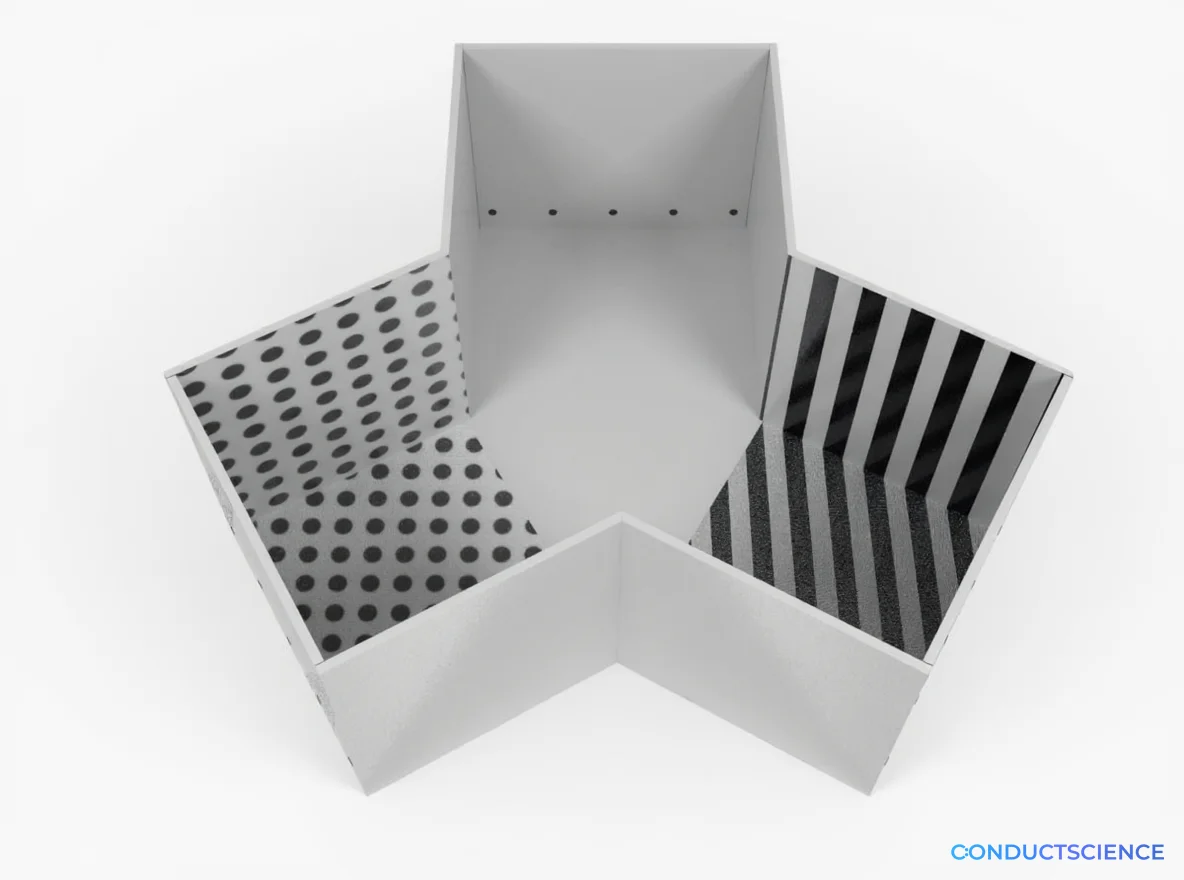
Conditioned Place Preference Cador 1992
Behavioral testing apparatus for measuring conditioned place preference and associative learning in laboratory animals using established Cador 1992 methodology.
| Automation Level | semi-automated |
| Species | Mouse, Rat |

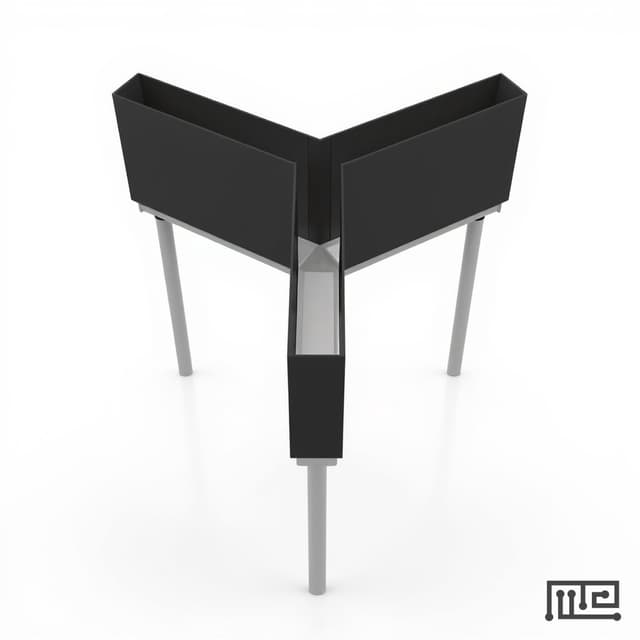
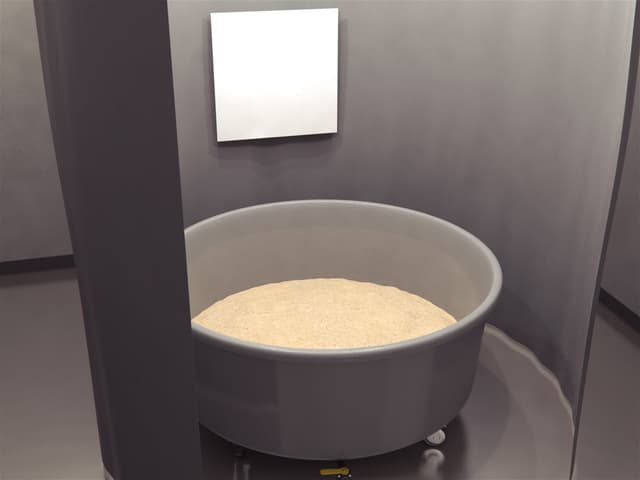
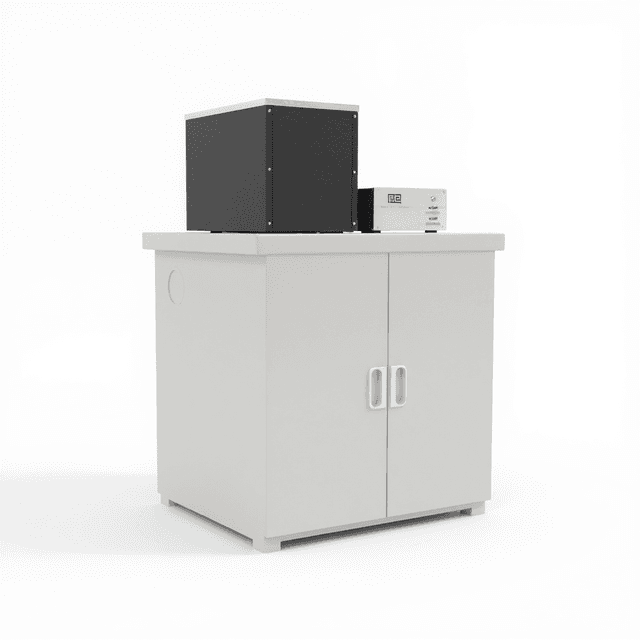
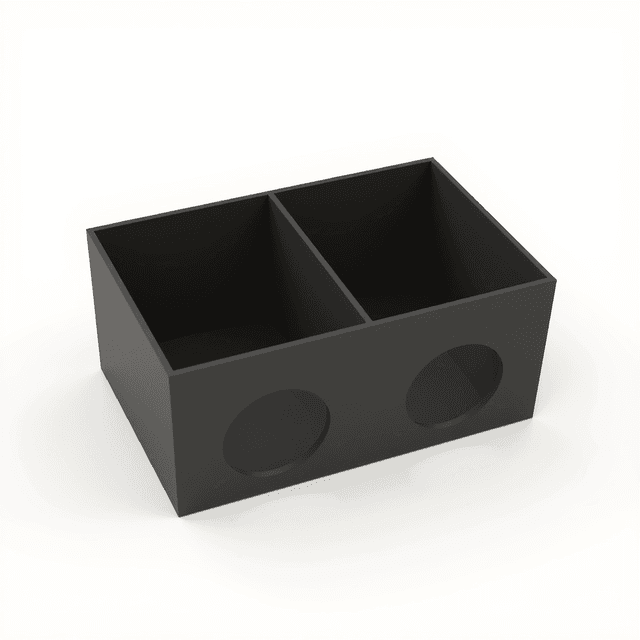
The Conditioned Place Preference (CPP) apparatus based on Cador 1992 methodology provides a controlled environment for assessing associative learning and motivational valence in laboratory animals. This behavioral testing system measures an animal's learned preference for environmental cues that have been paired with rewarding or aversive stimuli through classical conditioning principles.
The apparatus enables researchers to quantify place conditioning by measuring time spent in distinct compartments after training sessions where specific environmental contexts are paired with pharmacological treatments, natural rewards, or aversive stimuli. This paradigm is fundamental for studying drug reward mechanisms, addiction liability, and motivational aspects of learning and memory.
How It Works
The conditioned place preference paradigm operates on classical conditioning principles where environmental contexts serve as conditioned stimuli that become associated with unconditioned stimuli (drugs, rewards, or aversive treatments). During conditioning phases, animals receive treatments in one compartment and control treatments in another, creating differential associations with each environment.
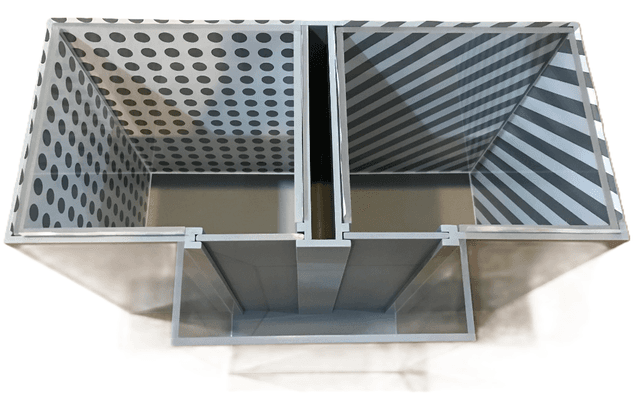
The apparatus typically consists of distinct compartments with different visual, tactile, and olfactory cues. Animals are initially tested for baseline preferences, then undergo conditioning sessions where they experience alternating exposures to treatment and control environments. The conditioning strength is measured by comparing time spent in treatment-paired versus control-paired compartments during drug-free test sessions.
Preference scores are calculated as the difference between post-conditioning and pre-conditioning time spent in the treatment-paired compartment. Positive scores indicate conditioned place preference (reward-like effects), while negative scores suggest conditioned place aversion. This quantitative measure provides insight into the motivational valence of experimental treatments.
Features & Benefits
Behavioral Construct
- Place preference
- Associative learning
- Reward processing
- Motivational valence
- Conditioned behavior
Automation Level
- semi-automated
Research Domain
- Addiction Research
- Anxiety and Depression
- Behavioral Pharmacology
- Learning and Memory
- Neuroscience
Species
- Mouse
- Rat
Weight
- 6.06 kg
Dimensions
- L: 65.0 mm
- W: 36.0 mm
- H: 27.0 mm
Comparison Guide
| Feature | This Product | Typical Alternative | Advantage |
|---|---|---|---|
| Methodology Validation | Based on established Cador 1992 protocol with extensive literature validation | Some systems use modified or proprietary protocols with limited validation | Enables direct comparison with decades of published research using this methodology |
| Environmental Cue Configuration | Standardized multi-modal cue system for robust contextual discrimination | Basic visual cue differences or limited sensory modalities | Provides stronger conditioning through multiple sensory channels for reliable preference formation |
| Protocol Flexibility | Accommodates both preference and aversion conditioning paradigms | Some systems designed for single conditioning type | Allows comprehensive assessment of both rewarding and aversive treatment effects in single apparatus |
| Species Compatibility | Optimized for standard laboratory rodent species | Generic designs may not account for species-specific behavioral patterns | Ensures appropriate spatial dimensions and environmental features for natural rodent behavior |
This system provides validated Cador 1992 methodology with standardized environmental cues and flexible protocol capabilities. The design emphasizes literature compatibility and robust conditioning through multi-modal sensory discrimination.
Practical Tips
Verify environmental cue distinctiveness through pilot testing to ensure animals can readily discriminate between compartments.
Why: Inadequate cue discrimination reduces conditioning strength and experimental sensitivity.
Clean apparatus thoroughly between animals using appropriate disinfectants while preserving environmental cue integrity.
Why: Residual odors from previous subjects can confound place preference measurements.
Conduct habituation sessions before baseline testing to reduce novelty stress effects on preference measurements.
Why: Stress-induced behaviors can mask conditioning effects and reduce data reliability.
If animals show strong compartment bias at baseline, use counterbalanced treatment assignment to control for inherent preferences.
Why: Uncontrolled baseline bias can be mistakenly interpreted as conditioning effects.
Record both time spent and entry frequency to distinguish preference from general locomotor changes.
Why: Treatment effects on activity can be confounded with actual place preference if only time measures are used.
Ensure proper ventilation when using olfactory cues to prevent concentration buildup that could affect animal welfare.
Why: Excessive odor concentrations can cause respiratory irritation or unwanted aversive associations.
Setup Guide
What’s in the Box
- Multi-compartment testing chamber (typical)
- Environmental cue inserts for compartment differentiation (typical)
- Recording system or timer interface (typical)
- Protocol documentation and setup guide (typical)
- Calibration reference materials (typical)
Warranty
ConductScience provides standard one-year manufacturer warranty covering defects in materials and workmanship, with technical support for protocol optimization and troubleshooting.
Compliance
What is the optimal conditioning session duration for establishing robust place preference?
Conditioning sessions typically range from 15-30 minutes depending on species and treatment strength. Consult established protocols and pilot studies to optimize timing for specific experimental conditions.
How many conditioning sessions are required for reliable preference establishment?
Most protocols employ 4-8 conditioning sessions with alternating treatment and control exposures. The number may vary based on treatment potency and research objectives.
Can the apparatus accommodate both rewarding and aversive conditioning paradigms?
Yes, the system supports both conditioned place preference and conditioned place aversion protocols by pairing treatments with environmental contexts.
What environmental cues are most effective for compartment discrimination?
Effective cue combinations include visual patterns, floor textures, and odor cues that are clearly discriminable but do not inherently bias animal preferences.
How should baseline preference bias be addressed in experimental design?
Use counterbalanced designs where treatment compartment assignment is based on initial preference patterns to control for inherent chamber bias.
What data parameters should be recorded during testing sessions?
Record total time in each compartment, number of compartment entries, latency to enter compartments, and locomotor activity patterns for comprehensive behavioral analysis.
Have a question about this product?
Accessories
Enhance your setup with compatible accessories
Frequently Bought Together