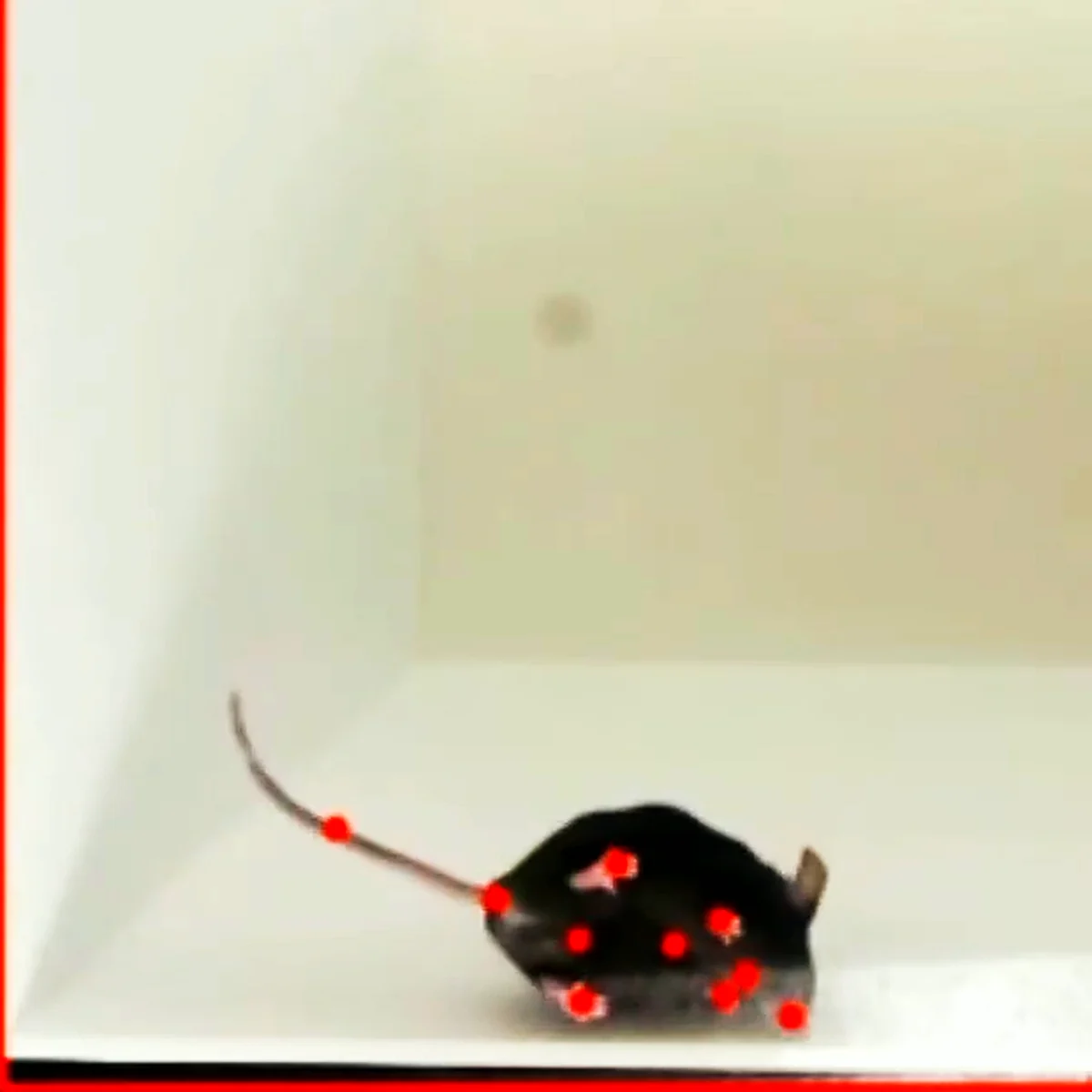
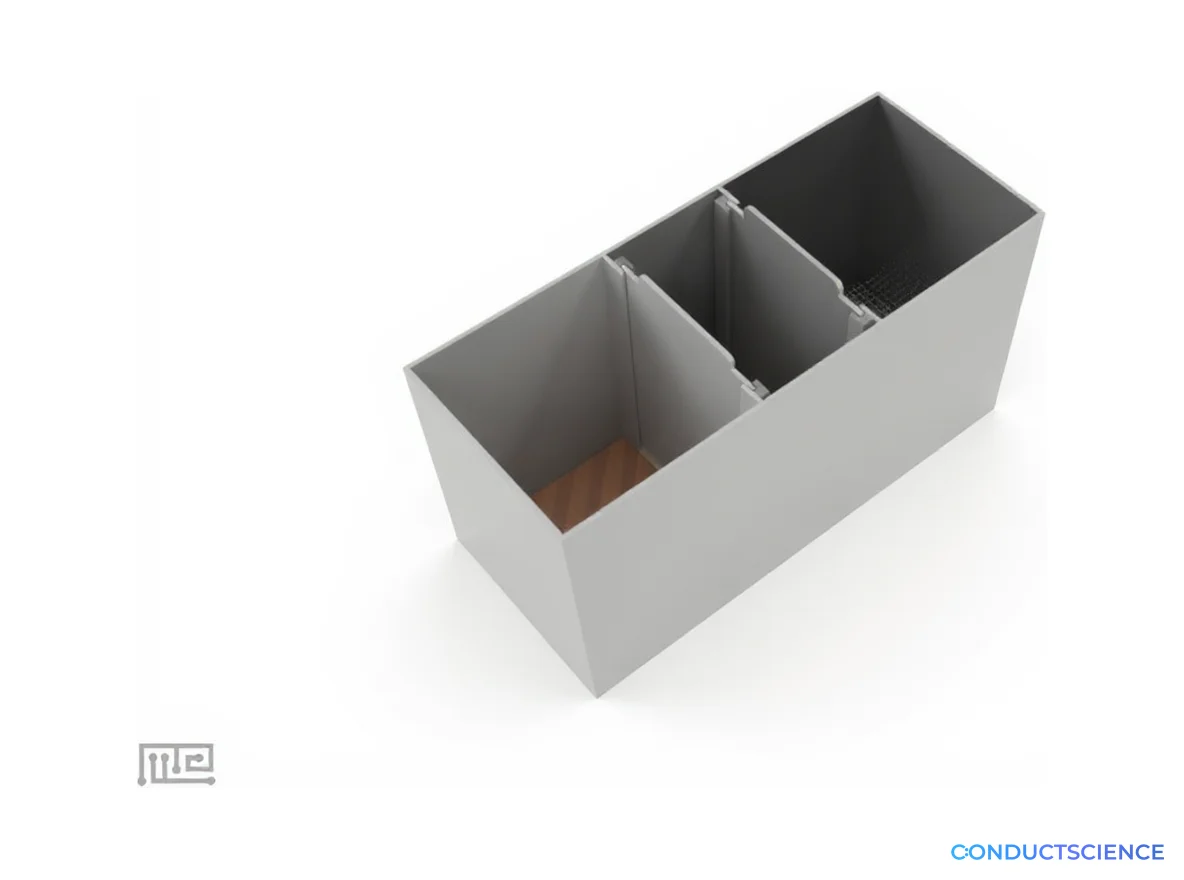
Conditioned Place Preference Isaac 1989
SKU CS-958287
$1,830.00
IncludesStandard care
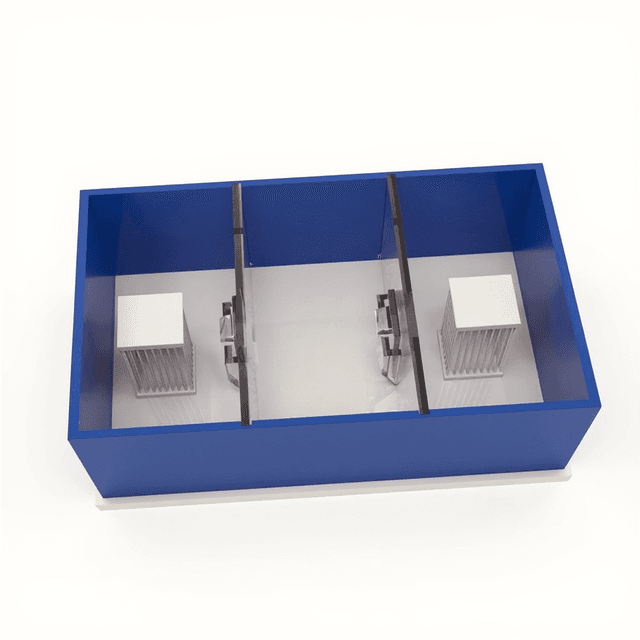
Behavioral testing apparatus for assessing drug reward, addiction potential, and place-based learning through conditioned place preference methodology established by Isaac (1989).
CE MarkedBAA available
Scientist guidance

Louise Corscadden, PhD
Director of Science · ConductScience
Ask Louise about Conditioned Place Preference Isaac 1989 fit, setup, configuration, or quote prep.
Already working with us? Sign in to connect this with My Scientist.
Key Specifications
Full details →- Model fit
- Mouse, Rat
- SKU family
- CS-958287
- Shipping box
- 65.0 x 36.0 x 27.0 cm
- Ordering
- Online checkout and quote request available
- Category
- Behavioral Mazes
- Build notes
- Confirm accessories, station layout, and support needs before purchase
The Conditioned Place Preference (CPP) apparatus based on Isaac 1989 methodology is a specialized behavioral testing system designed to assess drug reward, addiction potential, and place-based learning in laboratory animals. This paradigm measures an animal's preference for environmental contexts previously paired with pharmacological agents or other stimuli, providing quantitative data on motivational and reward-seeking behaviors.
The system enables researchers to evaluate the rewarding or aversive properties of drugs, environmental stimuli, or experimental manipulations by monitoring time spent in distinct compartments with different visual, tactile, or olfactory cues. Data collection focuses on locomotor activity patterns and compartment preference ratios, supporting investigations into addiction mechanisms, drug efficacy, and behavioral conditioning processes.
How It Works
The conditioned place preference paradigm operates on classical conditioning principles, where neutral environmental contexts acquire motivational significance through repeated pairing with unconditioned stimuli. Animals learn to associate distinct visual, tactile, or olfactory cues within separate compartments with specific pharmacological or physiological states, leading to measurable preference changes.
During conditioning phases, subjects receive drug or control treatments in designated compartments, establishing associative memories between environmental contexts and internal states. The apparatus tracks locomotor activity and time allocation between compartments during test sessions, quantifying the strength of conditioned responses through preference ratios and activity patterns.
Behavioral output reflects the balance between approach and avoidance motivations, with increased time spent in drug-paired environments indicating rewarding effects, while decreased occupancy suggests aversive associations. Data analysis focuses on compartment preference scores, total activity levels, and temporal patterns of exploration behavior.
Features & Benefits
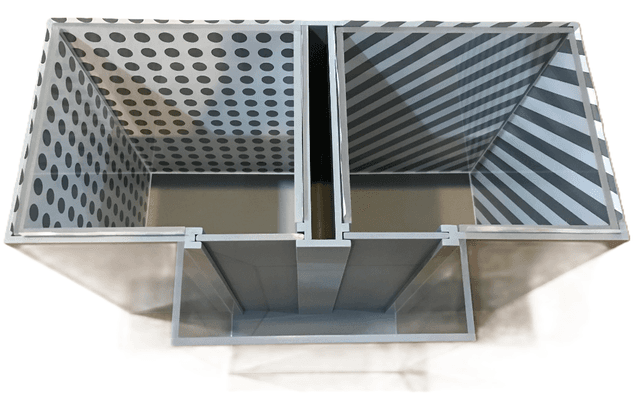
Multi-compartment design with distinct environmental cues
Enables clear contextual discrimination during conditioning phases, ensuring robust associative learning between environments and treatment conditions
Automated activity tracking system
Provides continuous monitoring of locomotor patterns and compartment occupancy without researcher intervention, reducing handling stress and improving data consistency
Programmable session protocols
Allows customization of conditioning and test phase durations to match specific experimental requirements and drug pharmacokinetics
Real-time data acquisition
Enables immediate visualization of behavioral patterns during experiments, facilitating protocol adjustments and quality control monitoring
Integrated environmental control
Maintains consistent lighting, temperature, and acoustic conditions across sessions, minimizing confounding variables in behavioral measurements
Digital data output formats
Facilitates statistical analysis and integration with laboratory information management systems for streamlined data processing
Modular chamber configuration
Supports adaptation for different species sizes and experimental designs while maintaining standardized measurement protocols
Behavioral Construct
- Reward Learning
- Place Preference
- Conditioned Response
- Drug Seeking
- Environmental Association
- Motivational Behavior
Automation Level
- semi-automated
Research Domain
- Addiction Research
- Anxiety and Depression
- Behavioral Pharmacology
- Learning and Memory
- Neurodegeneration
- Neuroscience
Species
- Mouse
- Rat
Compatible Tracking Software
- ConductVision
Shipping weight
- 6.06 lb
Shipping box
- L: 65.0 cm
- W: 36.0 cm
- H: 27.0 cm
| Feature | This Product | Typical Alternative | Advantage |
|---|---|---|---|
| Environmental Cue Differentiation | Multi-modal sensory discrimination based on Isaac 1989 methodology | Basic two-chamber designs with limited cue options | Enhanced discrimination learning reduces false positives from environmental confounds |
| Activity Tracking Resolution | Automated sensor-based monitoring system | Manual observation or basic motion detection | Provides quantitative locomotor data alongside preference measurements for comprehensive behavioral analysis |
| Session Programming | Configurable conditioning and test protocols | Fixed timing protocols | Enables optimization of conditioning schedules for different drug classes and experimental requirements |
| Data Integration | Digital output compatible with analysis software | Manual data recording systems | Facilitates statistical analysis and reduces transcription errors in behavioral datasets |
This apparatus implements the established Isaac 1989 methodology with modern automated tracking capabilities and configurable environmental parameters. The system provides standardized conditioned place preference assessment with enhanced data acquisition compared to traditional manual observation methods.
Addiction Research
Evaluating the rewarding properties of novel psychoactive substances by measuring place preference development following repeated drug-environment pairings.
Behavioral Pharmacology
Assessing the reinforcing efficacy of therapeutic compounds by quantifying conditioned place preference responses in preclinical drug development.
Neuroscience
Investigating neural mechanisms underlying reward processing and associative learning by correlating place preference behaviors with neurochemical or electrophysiological measurements.
Learning and Memory
Studying contextual memory formation and retrieval by analyzing how environmental cues become associated with specific physiological or pharmacological states.
Anxiety and Depression
Evaluating the motivational effects of antidepressant treatments by measuring changes in place preference patterns following chronic drug administration.
Neurodegeneration
Monitoring cognitive and motivational deficits in animal models of neurodegenerative diseases through alterations in conditioned place preference acquisition and expression.
Practical Tips
Calibration
Verify sensor sensitivity using calibration standards before each experimental series to ensure consistent activity detection across all compartments.
Why: Sensor drift can introduce systematic bias in activity measurements between conditioning environments.
Maintenance
Clean chambers thoroughly between animals using appropriate disinfectants, ensuring complete odor elimination before next session.
Why: Residual olfactory cues from previous subjects can influence place preference responses independently of experimental manipulations.
Best Practices
Conduct baseline preference sessions for all subjects before beginning conditioning to identify animals with strong inherent compartment biases.
Why: Pre-existing preferences can confound interpretation of treatment effects and require statistical correction or subject exclusion.
Troubleshooting
Monitor for abnormal locomotor patterns such as repetitive circling or freezing behavior that may indicate equipment malfunction or animal distress.
Why: Atypical movement patterns can invalidate preference measurements and suggest technical or welfare issues requiring intervention.
Data Quality
Record environmental conditions including temperature, humidity, and ambient noise levels during each session for inclusion in statistical models.
Why: Environmental variability can influence behavioral baseline levels and should be controlled statistically when present.
Safety
Implement appropriate containment protocols for drug administration areas and ensure proper ventilation in testing rooms.
Why: Controlled substances require secure handling procedures and adequate air exchange prevents accumulation of volatile compounds.
Setup Guide
Unpack and Inspect
Remove apparatus components and verify all chambers, sensors, and connecting hardware are present and undamaged.
Environmental Setup
Position apparatus in a quiet room with controlled lighting and minimal external disturbances to ensure consistent testing conditions.
Chamber Configuration
Assemble compartments with distinct visual and tactile cues, ensuring clear environmental differentiation between conditioning contexts.
Sensor Calibration
Test activity detection systems and verify accurate tracking across all compartments using calibration protocols.
Software Setup
Configure data acquisition software with appropriate session parameters, animal identification codes, and experimental protocols.
Baseline Testing
Conduct habituation sessions with test subjects to establish baseline preference patterns and verify normal exploratory behavior.
Protocol Validation
Run control experiments to confirm consistent detection sensitivity and validate experimental timeline parameters.
What’s in the Box
- Main apparatus with conditioning chambers (typical)
- Activity detection sensors (typical)
- Data acquisition interface (typical)
- Control software and installation media (typical)
- Calibration standards (typical)
- User manual and protocol guides (typical)
- Power supply and connecting cables (typical)
Warranty
ConductScience provides standard one-year manufacturer warranty covering hardware components and technical support for software configuration and troubleshooting assistance.
Compliance
ARRIVE GuidelinesSupports standardized reporting of animal research through systematic behavioral data collection and experimental design documentation.
Good Laboratory Practice (GLP)Compatible with regulated preclinical research environments requiring traceable data acquisition and validated measurement protocols.
IACUC Protocol StandardsFacilitates compliance with institutional animal care protocols through minimally invasive behavioral assessment methods.
Q
What conditioning protocol duration is recommended for establishing robust place preferences?
A
Conditioning protocols typically involve 3-8 sessions per environment, with 15-30 minute exposures depending on drug pharmacokinetics and species. Consult established literature for specific compound timing requirements.
Q
How is compartment preference quantified and what constitutes a significant preference?
A
Preference is calculated as time spent in drug-paired compartment divided by total session time, with values >0.5 indicating preference. Statistical significance typically requires >65% time allocation or predetermined effect size criteria.
Q
Can the apparatus accommodate different species and age groups?
A
Chamber dimensions and sensor sensitivity can be configured for various rodent species. Juvenile animals may require modified protocols due to different locomotor patterns and attention spans.
Q
What environmental cues are most effective for compartment discrimination?
A
Visual contrast (striped vs. solid patterns), tactile differences (mesh vs. solid flooring), and spatial configuration provide reliable discrimination. Olfactory cues should be avoided due to persistence between sessions.
Q
How should data be analyzed to account for baseline preferences and individual variability?
A
Pre-conditioning baseline sessions identify inherent compartment biases. Analysis should include preference change scores, individual animal trajectories, and appropriate statistical controls for repeated measures.
Q
What factors can confound conditioned place preference results?
A
Handling stress, environmental instability, drug dose-response relationships, and session timing relative to circadian rhythms can influence results. Consistent protocols and environmental controls are essential.
Q
How does this methodology compare to other reward assessment techniques?
A
CPP provides indirect reward assessment without active responding requirements, unlike operant self-administration. It measures motivational valence of drug experiences rather than reinforcing efficacy during active consumption.
Have a question about this product?
Track rodents with ConductVision
ConductVision is our video-tracking software. Record your sessions on video, and it scores standard rodent tests, such as those listed below.
Examples of tests it scores
To check whether ConductVision scores your protocol in this apparatus, ask in your quote request.
Ask a question
Have a question? Just ask.
Send it over and we'll email you a personalized answer — no call, no scheduling.
Personalized email reply
Usually within one business day
Helpful answers published here
Prefer to talk it through?
Accessories
Enhance your setup with compatible accessories
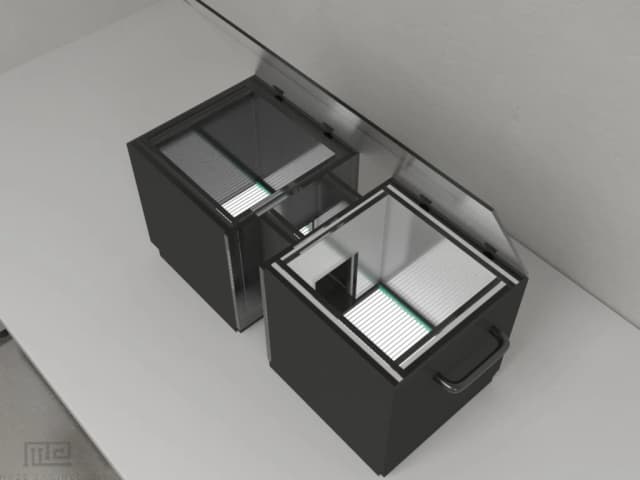
Total: $0.00
Frequently Bought Together
Total: $7,790.00

Conditioned Place Preference Isaac 1989
$1,830.00
Added to quoteView Quote