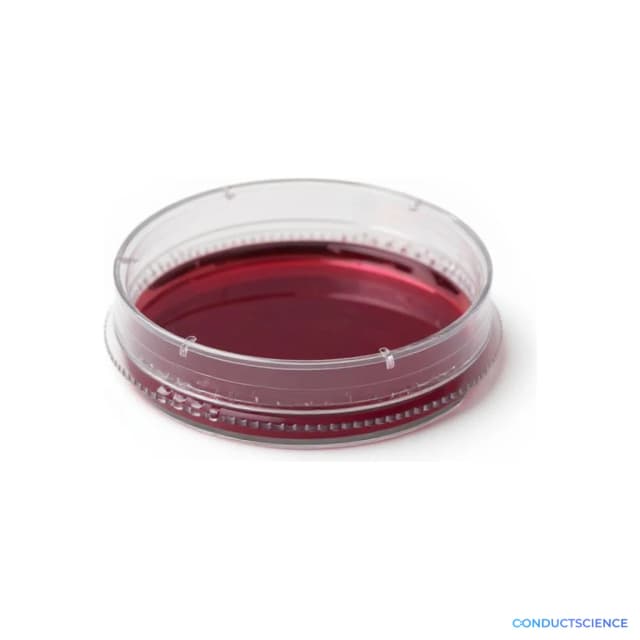
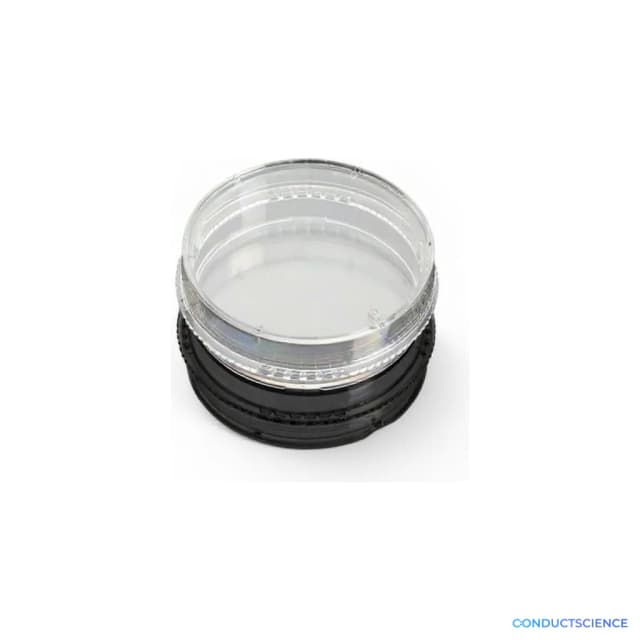
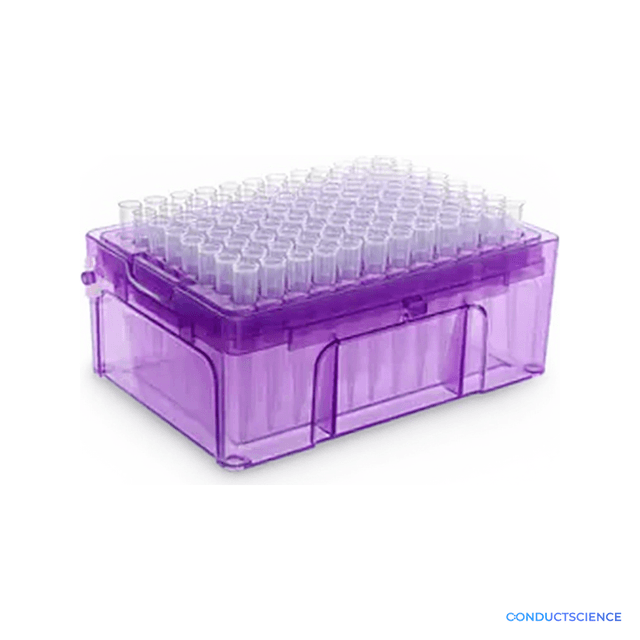
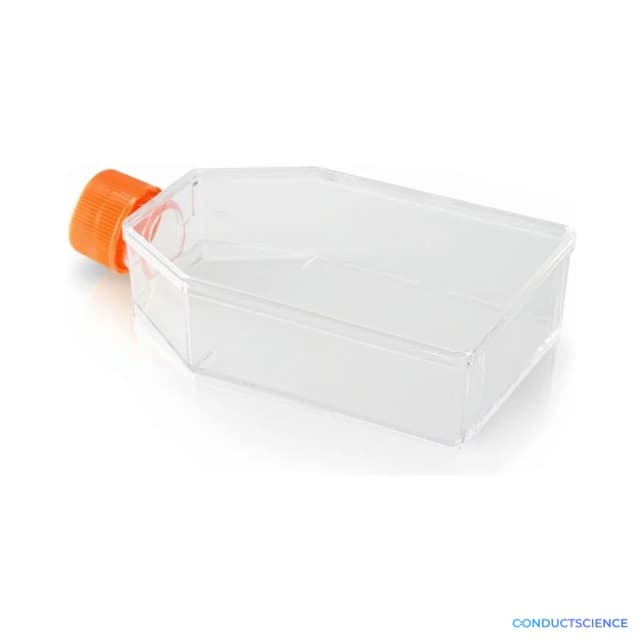
ConductScience Cell Culture Dishes 100mm, TC-Treated (Case of 10)
$75.00 per unit | 10 units per pack Bulk pricing: Case of 10 at $750.00 ($75.00 per unit)
| Automation Level | manual |

100mm cell culture dishes with tissue culture (TC) treated surface for optimal cell adhesion and growth. These sterile dishes provide a standardized platform for mammalian cell cultivation, protein extraction workflows, and various cell-based assays. The TC treatment creates a hydrophilic surface that promotes cell attachment and spreading while maintaining sterility throughout the culture period.
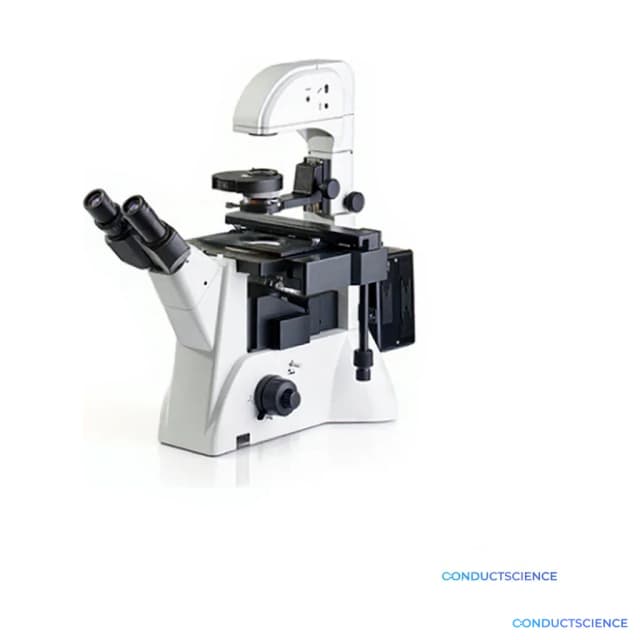
Standard 100mm diameter format ensures compatibility with existing laboratory equipment including incubators, biosafety cabinets, and microscope stages. The treated surface chemistry supports attachment-dependent cell lines across multiple research applications, from basic cell biology studies to drug screening protocols.
How It Works
The tissue culture treated surface undergoes controlled oxidation to create negatively charged functional groups that enhance cell adhesion. This treatment modifies the hydrophobic polystyrene surface to become hydrophilic, allowing cell culture media to spread evenly and promoting protein adsorption that facilitates cell attachment.
The 100mm diameter provides approximately 55 cm² of growth surface, optimized for cell density requirements in standard protocols. The dish geometry allows for uniform media distribution and gas exchange while maintaining sterile conditions throughout the culture period.
Features & Benefits
Automation Level
- manual
Research Domain
- Cancer Research
- Cell Biology
- Developmental Biology
- Immunology
- Microbiology
- Pharmaceutical QC
Weight
- 632.15 kg
Dimensions
- L: 30.0 mm
- W: 25.0 mm
- H: 20.0 mm
Comparison Guide
| Feature | This Product | Typical Alternative | Advantage |
|---|---|---|---|
| Surface Treatment | TC-treated for cell adhesion | Some models offer specialized coatings or non-treated surfaces | Optimized surface chemistry ensures consistent cell attachment across different cell types |
| Diameter Size | Standard 100mm format | Various sizes available from 35mm to 150mm | Provides optimal balance of surface area and media volume for most applications |
| Packaging Format | Individual sterile packaging | Bulk or multi-pack configurations vary by manufacturer | Individual packaging reduces contamination risk and allows flexible usage |
| Material Construction | Clear polystyrene | Some models use different polymers or glass substrates | Proven biocompatibility with standard optical clarity for routine microscopy |
These TC-treated 100mm dishes provide standard cell culture functionality with reliable surface chemistry for adherent cell applications. Individual sterile packaging and clear polystyrene construction support routine laboratory workflows requiring consistent cell attachment and optical observation.
Practical Tips
Pre-warm culture media to 37°C before adding to dishes to prevent thermal shock to cells during seeding.
Why: Temperature equilibration promotes immediate cell attachment and reduces stress-induced cell death.
Store unopened packages in dry conditions away from direct sunlight to preserve TC surface properties.
Why: UV exposure and humidity can degrade surface treatment effectiveness over time.
Distribute cell suspension evenly by gentle swirling motion rather than pipetting directly onto center of dish.
Why: Even distribution prevents cell clumping and ensures uniform culture density across the surface.
Allow cells to attach for 2-4 hours before first media change to ensure stable adherence to TC-treated surface.
Why: Premature media changes can disrupt initial cell attachment and reduce culture viability.
If cells fail to attach, verify media pH and osmolality as TC treatment effectiveness can be reduced by extreme conditions.
Why: Surface chemistry interactions depend on proper physiological conditions in the culture environment.
Use biosafety cabinet for all cell culture manipulations and follow institutional guidelines for biological waste disposal.
Why: Proper containment prevents contamination of cultures and protects laboratory personnel from potential biohazards.
Setup Guide
What’s in the Box
- Sterile 100mm cell culture dishes
- Individual sterile packaging (typical)
Warranty
ConductScience provides standard warranty coverage for manufacturing defects with technical support for cell culture applications.
Compliance
What cell density should be seeded in 100mm dishes?
Seeding density varies by cell type, typically 1-5 × 10^6 cells for adherent lines, allowing 70-80% confluence at harvest for most applications.
How long do TC-treated surfaces remain effective?
TC treatment is stable for the shelf life of sterile packaging, typically 2-3 years when stored in dry conditions away from UV light.
Can these dishes be used for suspension cultures?
TC-treated surfaces are optimized for adherent cell lines; non-treated dishes are preferred for suspension cultures to prevent unwanted attachment.
What media volume is recommended for 100mm dishes?
10-15 mL provides adequate coverage and nutrient availability while allowing proper gas exchange in standard incubator conditions.
Are these dishes compatible with live cell imaging?
Clear polystyrene construction allows standard microscopy, though specialized imaging dishes with optical-grade bottoms may be preferred for high-resolution applications.
How should dishes be disposed of after use?
Follow institutional biosafety protocols for contaminated plasticware disposal, typically involving autoclave sterilization before waste processing.
Have a question about this product?
Replacement Parts & Consumables
Upgrade Options