ConductScience Serological Pipettes 25mL, Sterile (Bulk 15-Pack)
$38.00 per unit | 15 units per pack Bulk pricing: Bulk 15-Pack at $570.00 ($38.00 per unit)

Louise Corscadden, PhD
Director of Science · ConductScience
Ask Louise about ConductScience Serological Pipettes 25mL, Sterile (Bulk 15-Pack) fit, setup, configuration, or quote prep.
Already working with us? Sign in to connect this with My Scientist.
Key Specifications
Full details →- Model fit
- Configured during quote
- SKU family
- CS-SP-25ML-100
- Shipping box
- 30.0 x 5.0 x 5.0 cm
- Ordering
- Online checkout and quote request available
- Category
- Cell Culture
- Build notes
- Confirm accessories, station layout, and support needs before purchase
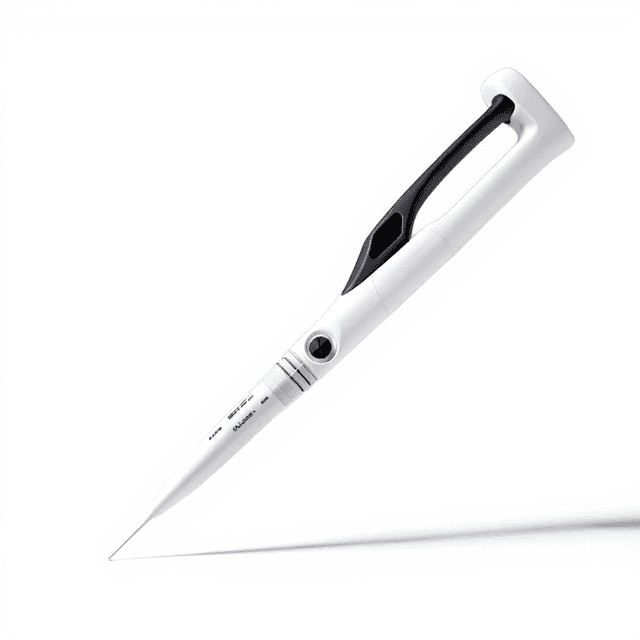
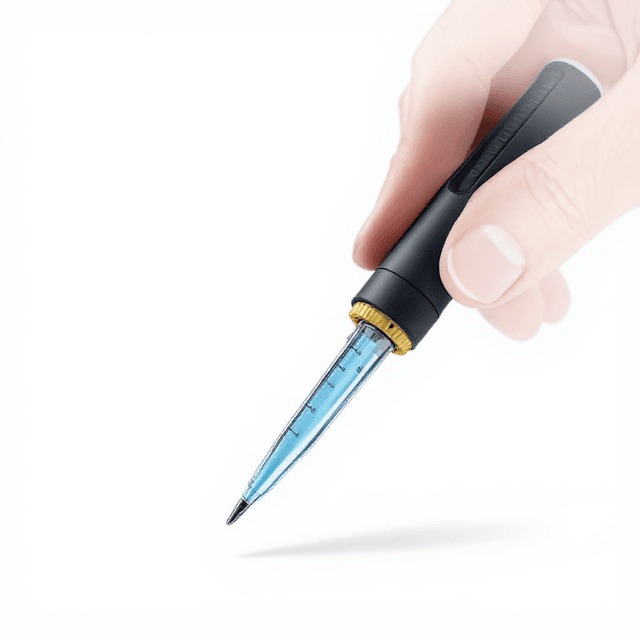
ConductScience 25mL serological pipettes are manufactured from polystyrene (PS) and sterilized via electron beam radiation to ensure sterility for cell culture applications. Each pipette is non-pyrogenic and certified DNase/RNase free, eliminating nuclease contamination that could compromise molecular biology protocols. The red color-coded band provides rapid volume identification in laboratory workflows.
These single-use pipettes feature graduated markings for accurate volume measurement and delivery in tissue culture, cell biology, and analytical laboratory applications. The electron beam sterilization process provides terminal sterilization without chemical residues, making them suitable for sensitive cell culture work and sterile technique protocols.
How It Works
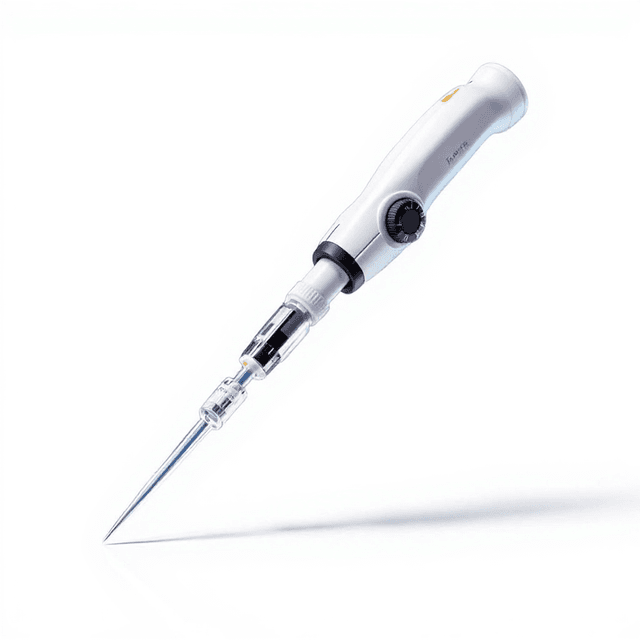
Serological pipettes operate on the principle of gravity-assisted liquid flow controlled by graduated volume markings. The pipette design incorporates a tapered tip for precise liquid uptake and a graduated barrel with calibrated markings that allow accurate volume measurement. When used with a pipette controller or manual aspiration, liquid is drawn into the pipette and dispensed by controlling air pressure or gravity flow.
The electron beam sterilization process exposes the pipettes to high-energy electrons that disrupt DNA and cellular structures of microorganisms, achieving sterility without heat or chemical treatment. This method preserves the physical properties of the polystyrene material while eliminating viable microorganisms. The DNase/RNase free certification ensures that no nuclease enzymes are present that could degrade nucleic acids during molecular biology applications.
Features & Benefits
Automation Level
- manual
Research Domain
- Analytical Chemistry
- Cell Culture
- Clinical Diagnostics
- Immunology
- Microbiology
- Pharmaceutical QC
Shipping weight
- 0.66 lb
Shipping box
- L: 30.0 cm
- W: 5.0 cm
- H: 5.0 cm
| Feature | This Product | Typical Alternative | Advantage |
|---|---|---|---|
| Sterilization Method | Electron beam sterilization | Many alternatives use gamma radiation or ethylene oxide | Electron beam provides terminal sterilization without chemical residues or potential polymer degradation. |
| Volume Capacity | 25mL graduated capacity | Common volumes range from 1mL to 50mL | 25mL capacity suits medium-volume cell culture and analytical applications without waste. |
| Nuclease Status | DNase/RNase free certified | Not all manufacturers provide nuclease-free certification | Critical for protecting RNA/DNA integrity in molecular biology workflows. |
| Material Construction | Polystyrene (PS) | Various plastic materials including polypropylene | PS offers optical clarity for visual monitoring and chemical compatibility with standard reagents. |
| Color Coding | Red identification band | Color coding systems vary by manufacturer | Reduces volume selection errors in laboratories using multiple pipette sizes simultaneously. |
These pipettes combine electron beam sterilization with DNase/RNase free certification and red color coding for reliable performance in sterile cell culture and molecular biology applications. The 25mL capacity serves medium-volume liquid handling requirements with polystyrene construction for optical clarity and chemical compatibility.
Practical Tips
Always work within a laminar flow hood when using sterile pipettes to maintain aseptic conditions.
Why: Prevents environmental contamination that could compromise sterile technique protocols.
Dispose of used pipettes in appropriate biohazard containers based on sample contamination level.
Why: Prevents exposure to biological materials and meets laboratory safety requirements.
Use consistent aspiration and dispensing speeds to maintain volume accuracy across samples.
Why: Variable flow rates can affect meniscus formation and final delivered volumes.
Store unopened pipettes in original packaging until use to maintain sterility assurance.
Why: Exposure to laboratory environment can introduce contaminants that compromise sterility.
If liquid drips from pipette tip during aspiration, check pipette controller seal integrity.
Why: Air leaks prevent proper vacuum formation and affect volume control accuracy.
Pre-wet pipette tip with sample liquid before final volume aspiration for viscous solutions.
Why: Ensures accurate volume delivery by accounting for liquid retention on pipette surfaces.
Verify volume accuracy using gravimetric methods if precise quantitation is critical.
Why: Provides traceability to mass standards for applications requiring documented measurement uncertainty.
Setup Guide
What’s in the Box
- 100 individually wrapped 25mL serological pipettes (typical)
- Product specification sheet (typical)
Warranty
ConductScience provides standard manufacturer warranty coverage for material defects and sterility assurance. Technical support available for application guidance and product specifications.
Compliance
References
Background reading relevant to this product:
What sterilization method is used and why is it preferable for cell culture?
Electron beam sterilization provides terminal sterilization without heat or chemical residues that could affect cell viability or leave toxic compounds.
Are these pipettes suitable for RNA/DNA work?
Yes, they are certified DNase/RNase free, preventing nuclease contamination that could degrade nucleic acids during molecular biology procedures.
What is the accuracy specification for volume delivery?
Consult product datasheet for specific accuracy tolerances and graduation specifications per ISO standards.
Can these pipettes be autoclaved for reuse?
No, these are single-use disposable pipettes designed for sterile applications where cross-contamination prevention is critical.
How do I identify the 25mL volume in multi-pipette workflows?
The red color-coded band provides rapid visual identification of the 25mL capacity to prevent volume selection errors.
Are these pipettes compatible with standard pipette controllers?
Yes, they feature standard sizing compatible with electronic and manual pipette controllers commonly used in laboratories.
What chemical compatibility should I consider?
Polystyrene construction provides compatibility with most aqueous solutions and common laboratory reagents; consult chemical compatibility charts for specific solvents.
Have a question about this product?
Have a question? Just ask.
Send it over and we'll email you a personalized answer — no call, no scheduling.
Prefer to talk it through?
Upgrade Options