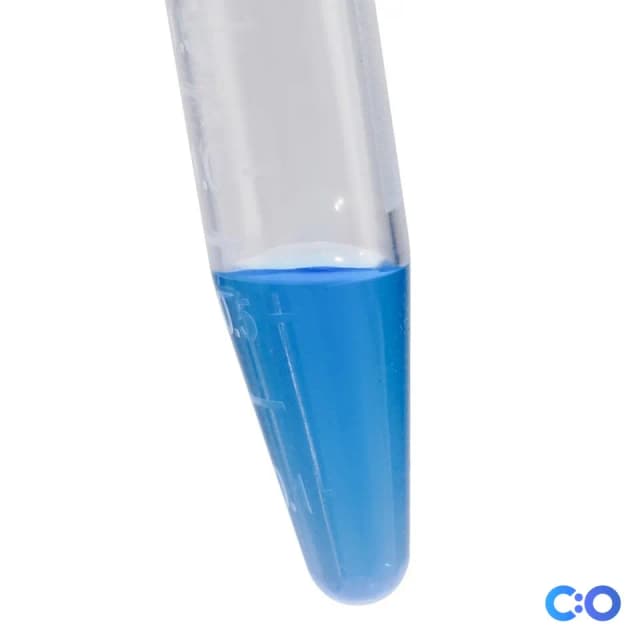
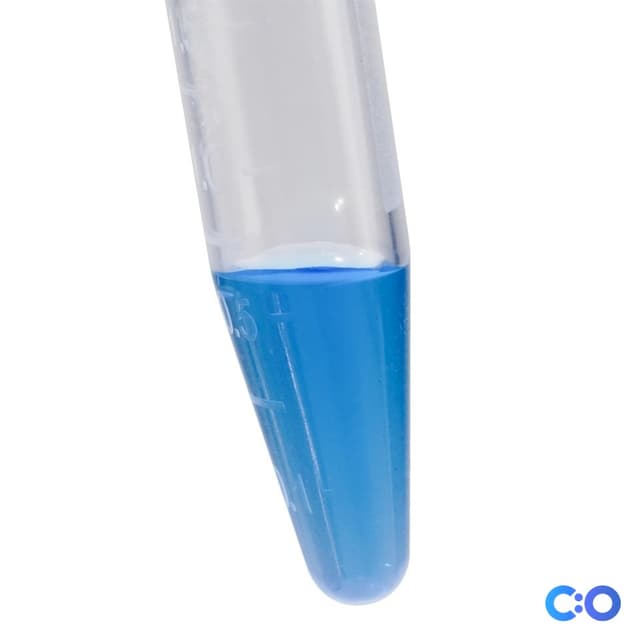
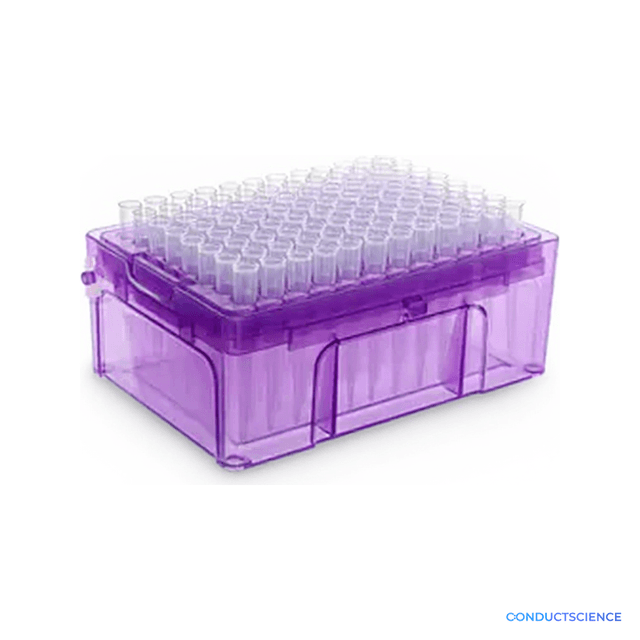
ConductScience Microcentrifuge Tubes 1.5mL, Clear (Pack of 50)
$18.00 per unit | 50 units per pack Bulk pricing: Pack of 50 at $900.00 ($18.00 per unit)

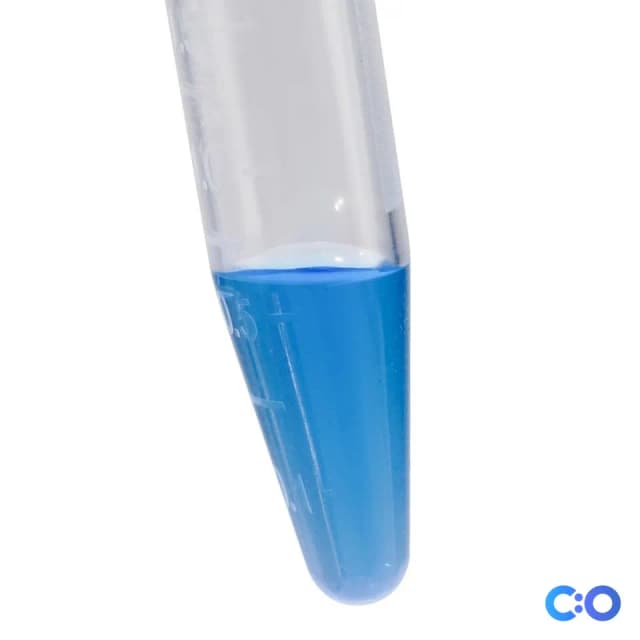
ConductScience 1.5mL Microcentrifuge Tubes provide reliable sample containment for centrifugal separation applications up to 20,000xg. Manufactured from medical-grade polypropylene, these clear tubes feature snap-cap closures and frosted writing surfaces for sample identification. The tubes are supplied DNase and RNase-free with autoclavable construction for sterile protocols.
These consumable vessels support routine laboratory centrifugation workflows including cell pelleting, protein precipitation, nucleic acid isolation, and subcellular fractionation. The 1.5mL capacity accommodates standard microcentrifuge protocols while the clear polypropylene construction allows visual monitoring of separation phases and pellet formation.
How It Works
Microcentrifugation relies on applying centrifugal force to separate components based on differential sedimentation rates. When samples are subjected to high-speed rotation, particles experience radial acceleration proportional to their mass, with denser materials moving toward the tube bottom while lighter components remain in the supernatant.
The polypropylene tube construction withstands the mechanical stress generated during high-speed centrifugation up to 20,000xg. The conical bottom geometry concentrates pelleted material into a small volume, facilitating complete supernatant removal without disturbing the separated fraction. The snap-cap closure maintains sample integrity during processing while allowing controlled access for reagent addition or sample retrieval.
Features & Benefits
Research Domain
- Analytical Chemistry
- Cell Biology
- Clinical Diagnostics
- Microbiology
- Pharmaceutical QC
Weight
- 4.41 kg
Dimensions
- L: 22.6 mm
- W: 18.8 mm
- H: 15.1 mm
Comparison Guide
| Feature | This Product | Typical Alternative | Advantage |
|---|---|---|---|
| Material Construction | Medical-grade polypropylene with DNase/RNase-free certification | Standard polypropylene without certified nuclease-free status | Eliminates nucleic acid degradation concerns in molecular biology protocols. |
| Maximum RCF Rating | 20,000xg maximum centrifugal force | Entry-level tubes often rated for lower g-forces | Accommodates high-speed separation protocols without tube failure or deformation. |
| Closure System | Snap-cap with secure retention | Friction-fit caps that may become loose during processing | Prevents sample loss and contamination during vigorous centrifugation cycles. |
| Writing Surface | Frosted area for permanent labeling | Smooth surfaces requiring labels that may detach | Maintains sample identification through multiple processing steps and cleaning cycles. |
| Sterilization Compatibility | Autoclavable construction for steam sterilization | Some tubes may not withstand repeated autoclaving | Supports sterile protocols in cell culture and microbiology applications. |
These microcentrifuge tubes combine medical-grade polypropylene construction with nuclease-free certification and high g-force tolerance. The frosted writing surface and secure snap-cap design enhance sample tracking and containment reliability in demanding laboratory environments.
Practical Tips
Always balance tubes in opposing positions or use water-filled tubes as counterweights to prevent rotor damage.
Why: Unbalanced loads can cause catastrophic rotor failure and equipment damage during high-speed operation.
Inspect tubes for stress cracks before each use, particularly around the cap hinge area.
Why: Repeated opening and closing can weaken the plastic, leading to sample loss during centrifugation.
Do not exceed the 20,000xg maximum rating even if your centrifuge is capable of higher speeds.
Why: Exceeding rated g-forces can cause tube failure, creating safety hazards and sample contamination.
Use clear tubes to visually confirm complete separation before removing supernatant.
Why: Incomplete separation can lead to cross-contamination between pelleted and liquid phases.
Pre-cool tubes and centrifuge when processing temperature-sensitive samples.
Why: Heat generated during centrifugation can denature proteins or degrade nucleic acids.
If caps pop open during centrifugation, check for overfilling or insufficient cap closure force.
Why: Proper filling volume and cap engagement prevent pressure-related opening during acceleration.
Use permanent markers on the frosted surface rather than adhesive labels for long-term storage.
Why: Labels may detach during repeated freeze-thaw cycles or solvent exposure.
Setup Guide
What’s in the Box
- 500 x 1.5mL microcentrifuge tubes
- Snap caps (attached)
- Product documentation (typical)
Warranty
ConductScience provides standard warranty coverage for manufacturing defects with technical support for product specifications and compatibility questions.
Compliance
References
Background reading relevant to this product:
What is the maximum centrifugal force these tubes can withstand?
The tubes are rated for maximum 20,000xg centrifugal force, suitable for most microcentrifugation protocols including cell pelleting and protein precipitation.
Are these tubes compatible with automated liquid handling systems?
The standard 1.5mL microcentrifuge tube format is compatible with most automated pipetting systems and sample processors designed for this tube geometry.
Can these tubes be used for organic solvent extraction?
Polypropylene provides good chemical resistance to many solvents, but compatibility should be verified for specific organic solvents and extended contact times.
How should tubes be stored to maintain sterility?
Store in original packaging in a clean, dry environment. For sterile applications, autoclave tubes before use or store in sterile conditions after sterilization.
What temperature range can these tubes withstand?
Consult product datasheet for specific temperature specifications. Polypropylene typically maintains integrity from -80°C to +121°C for autoclaving.
Are the caps attached or separate?
The tubes feature attached snap caps that remain connected to prevent loss during sample processing while allowing single-handed operation.
How do these compare to glass centrifuge tubes?
Polypropylene tubes offer break resistance and chemical compatibility for most biological samples, while glass tubes provide better clarity and thermal stability for specialized applications.
Have a question about this product?
Accessories
Enhance your setup with compatible accessories
Frequently Bought Together
Related Products