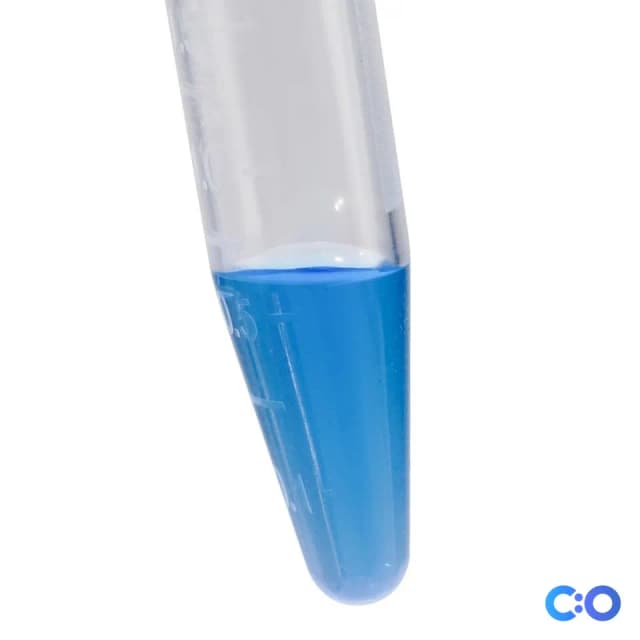
ConductScience Screw Cap Microtubes 1.5mL, Sterile (Case of 20)
$35.00 per unit | 20 units per pack Bulk pricing: Case of 20 at $700.00 ($35.00 per unit)
| Automation Level | manual |

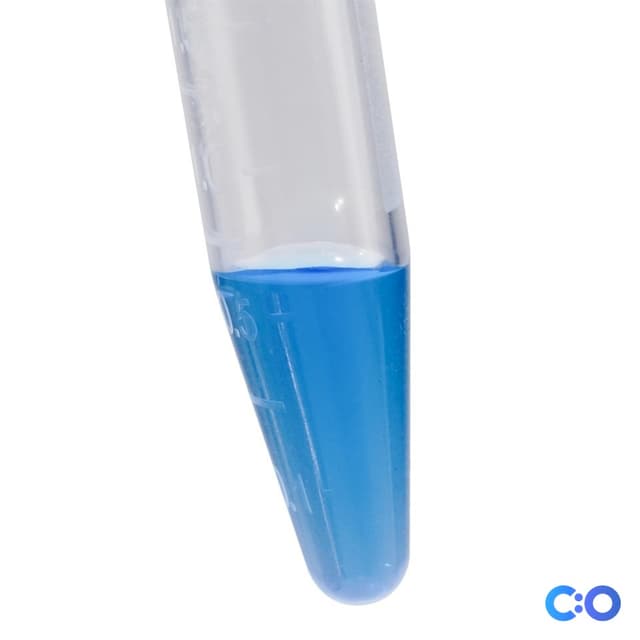
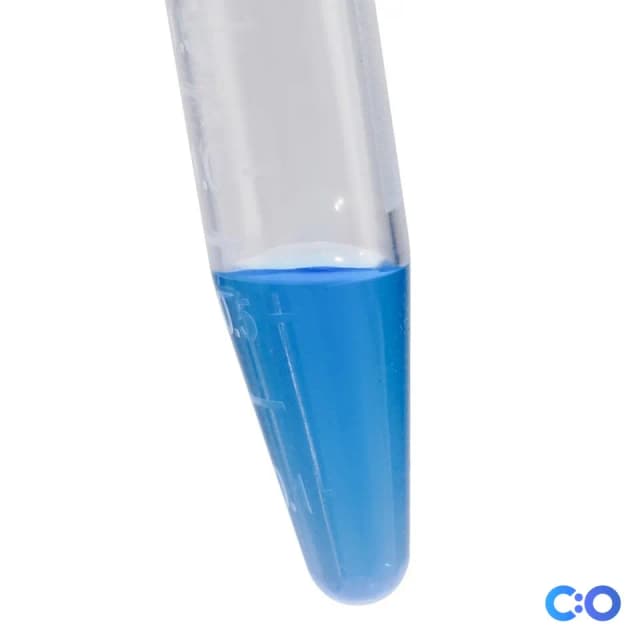
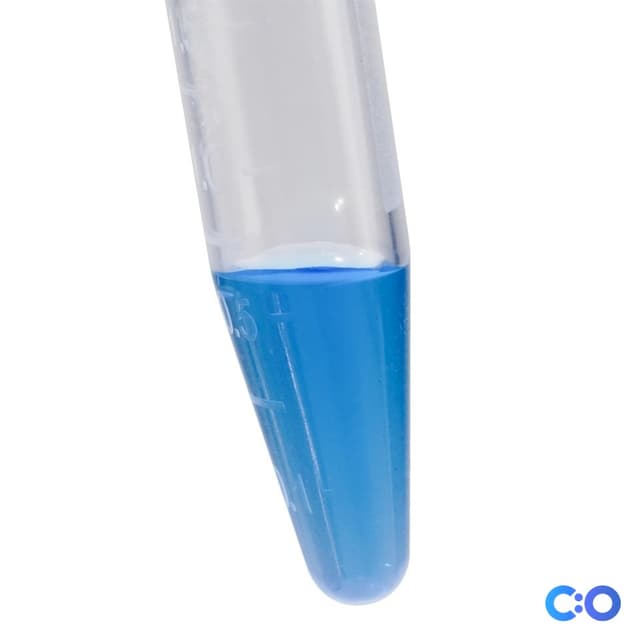
ConductScience Screw Cap Microtubes are 1.5mL microcentrifuge tubes engineered for secure sample containment in research applications. Manufactured from medical-grade polypropylene, these tubes feature an integrated O-ring seal within the screw cap mechanism to prevent sample loss during centrifugation, storage, and handling. The leak-proof design maintains sample integrity across temperature cycling and extended storage periods.
Each tube is supplied sterile and certified DNase/RNase-free to prevent nucleic acid degradation in molecular biology workflows. The autoclavable construction allows for sterilization and reuse when protocols permit. The 1.5mL capacity accommodates standard sample volumes for microcentrifuge applications while maintaining compatibility with common laboratory equipment including microcentrifuges, heating blocks, and automated liquid handling systems.
How It Works
The screw cap microcentrifuge tube operates through a threaded closure system that provides mechanical compression against an integrated O-ring seal. When the cap is fully tightened, the O-ring creates a hermetic seal against the tube rim, preventing liquid egress even under centrifugal forces exceeding 20,000 x g. The polypropylene material exhibits chemical inertness and temperature stability, maintaining structural integrity from -80°C to +121°C.
During centrifugation, samples are subjected to radial acceleration that drives denser particles toward the tube bottom while lighter components remain in the supernatant. The secure cap seal prevents sample aerosolization and cross-contamination between tubes. The smooth internal surface minimizes sample retention and facilitates complete recovery of processed materials.
Features & Benefits
Automation Level
- manual
Research Domain
- Analytical Chemistry
- Cell Biology
- Clinical Diagnostics
- Food Science
- Materials Science
- Microbiology
Weight
- 4.41 kg
Dimensions
- L: 22.6 mm
- W: 18.8 mm
- H: 15.1 mm
Comparison Guide
| Feature | This Product | Typical Alternative | Advantage |
|---|---|---|---|
| Cap Sealing Mechanism | Threaded screw cap with integrated O-ring seal | Snap-fit caps with friction sealing | Provides more secure closure for high-speed centrifugation and prevents accidental opening during handling. |
| Sterility Assurance | Sterile packaging with DNase/RNase-free certification | Basic sterile packaging without nuclease testing | Eliminates nucleic acid degradation risk in molecular biology applications. |
| Material Grade | Medical-grade polypropylene construction | Standard laboratory-grade plastics | Ensures consistency and purity for critical applications requiring validated materials. |
| Temperature Range | Autoclavable design rated for steam sterilization | Limited temperature resistance in some models | Allows reuse after sterilization in non-critical applications, reducing consumable costs. |
These microcentrifuge tubes combine secure screw cap sealing with medical-grade construction and sterile packaging. The O-ring sealed design provides enhanced leak protection compared to standard snap-cap alternatives, while DNase/RNase-free certification supports molecular biology workflows.
Practical Tips
Fill tubes to maximum 90% capacity to prevent overflow during thermal expansion or vigorous mixing.
Why: Overfilling can compromise seal integrity and lead to sample loss.
Inspect O-ring condition before each use, checking for cracks, cuts, or hardening that could affect sealing.
Why: Damaged O-rings allow sample leakage and potential cross-contamination.
Verify tube volume accuracy using calibrated pipettes when precise volumetric work is required.
Why: Manufacturing tolerances can affect actual capacity for quantitative applications.
Always balance tubes properly in centrifuge rotors and ensure caps are fully tightened before operation.
Why: Imbalanced loads or loose caps can cause rotor damage and sample aerosolization.
If caps become difficult to remove after freezing, allow tubes to reach room temperature before attempting to open.
Why: Thermal contraction can increase sealing force and make caps harder to remove.
Use consistent tube orientation when loading samples to ensure reproducible centrifugation results.
Why: Tube position affects pellet formation and supernatant clarity in analytical procedures.
Label tubes before sample addition using solvent-resistant markers or pre-printed labels.
Why: Post-loading labeling risks sample loss if tubes must be reopened for identification.
Setup Guide
What’s in the Box
- 500 sterile microcentrifuge tubes with screw caps
- Individual sterile packaging (typical)
- Product documentation and certificates (typical)
Warranty
ConductScience provides standard manufacturer warranty covering defects in materials and workmanship. Technical support available for application guidance and troubleshooting.
Compliance
What centrifuge speeds can these tubes withstand?
These tubes are designed for microcentrifuge applications and can withstand typical centrifugal forces. Consult product datasheet for specific RCF ratings and speed limitations.
Are the tubes compatible with automated liquid handlers?
Yes, the standard 1.5mL microcentrifuge tube format ensures compatibility with most automated pipetting systems and liquid handling robots.
Can the tubes be used for PCR applications?
While the tubes are DNase/RNase-free, they are not specifically designed for PCR. For thermal cycling applications, use dedicated PCR tubes with thinner walls for optimal heat transfer.
What is the shelf life of the sterile packaging?
Sterile integrity is maintained provided packaging remains intact. Consult product labeling for specific expiration dating and storage requirements.
Are the O-rings replaceable if damaged?
The O-rings are integrated into the cap design and are not user-replaceable. Discard tubes with damaged sealing components.
How many freeze-thaw cycles can the tubes withstand?
Polypropylene construction provides good freeze-thaw stability. Number of cycles depends on sample composition and temperature extremes. Monitor for crack development.
Have a question about this product?
Accessories
Enhance your setup with compatible accessories
Frequently Bought Together
Related Products