Crab Complex Maze
Multi-path behavioral maze system for spatial learning and memory assessment in controlled research environments.

Louise Corscadden, PhD
Director of Science · ConductScience
Ask Louise about Crab Complex Maze fit, setup, configuration, or quote prep.
Already working with us? Sign in to connect this with My Scientist.
Key Specifications
Full details →- Model fit
- Mouse, Rat
- SKU family
- CS-958192
- Shipping box
- 65.0 x 36.0 x 27.0 cm
- Ordering
- Online checkout and quote request available
- Category
- Behavioral Mazes
- Build notes
- Confirm accessories, station layout, and support needs before purchase
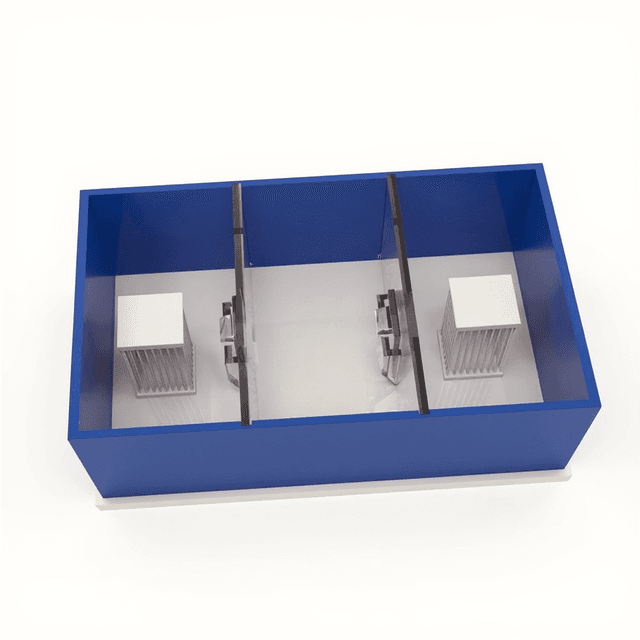
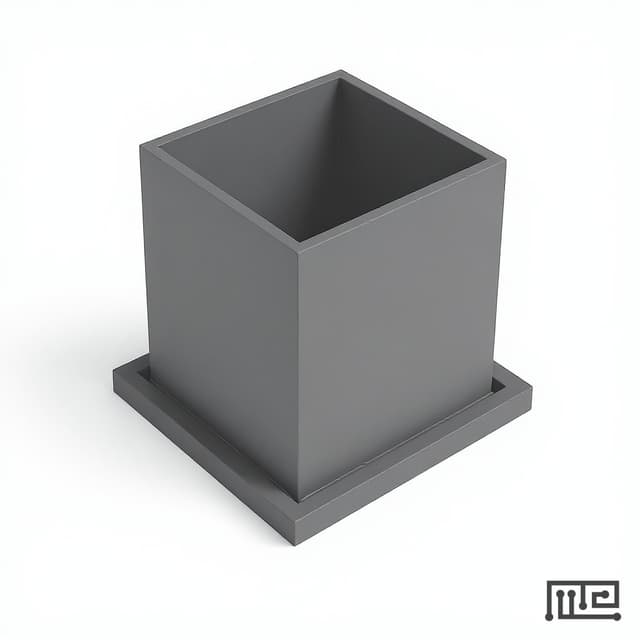
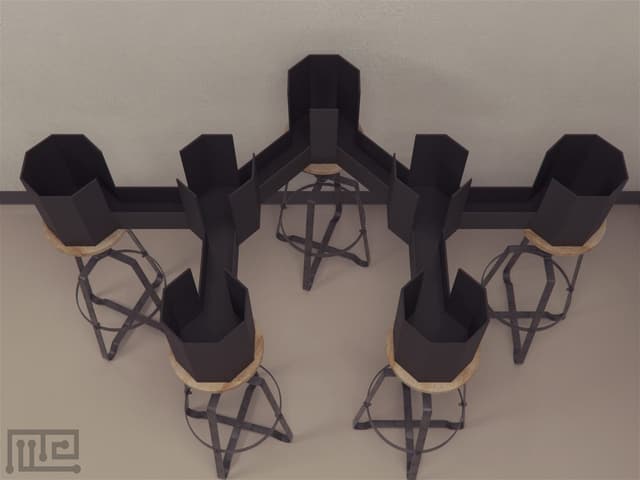
The Crab Complex Maze is a specialized behavioral apparatus designed for comprehensive spatial learning and memory assessment in research environments. This multi-path maze system provides researchers with a controlled platform for evaluating complex navigational behaviors, spatial cognition, and learning acquisition patterns in laboratory subjects.
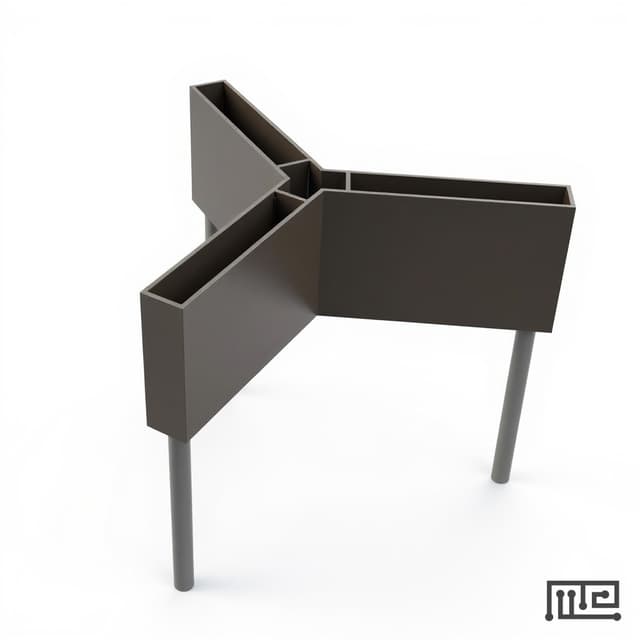
The maze features an intricate pathway design that challenges subjects to navigate through multiple decision points, enabling detailed analysis of spatial memory formation, retention, and retrieval. The apparatus supports various experimental protocols for investigating cognitive function, learning disabilities, and the effects of pharmacological interventions on spatial memory performance.
How It Works
The Crab Complex Maze operates on the principle of spatial navigation challenge, requiring subjects to learn and remember multiple pathway options to reach designated goal locations. The maze's complex structure incorporates multiple choice points, dead ends, and alternative routes that engage hippocampal-dependent spatial memory systems.
During testing, subjects must encode spatial relationships between maze landmarks, form cognitive maps of the environment, and retrieve stored spatial information to navigate efficiently. The apparatus allows researchers to manipulate environmental cues, pathway availability, and reward locations to assess different aspects of spatial cognition including working memory, reference memory, and cognitive flexibility.
Performance metrics are typically derived from path length, navigation time, error frequency, and search strategies, providing quantitative measures of spatial learning acquisition and memory retention across multiple testing sessions.
Features & Benefits
Behavioral Construct
- Spatial Learning
- Spatial Memory
- Cognitive Flexibility
- Working Memory
- Reference Memory
Automation Level
- manual
Research Domain
- Addiction Research
- Aging Research
- Behavioral Pharmacology
- Learning and Memory
- Neurodegeneration
- Neuroscience
Species
- Mouse
- Rat
Compatible Tracking Software
- ConductVision
Shipping weight
- 6.06 lb
Shipping box
- L: 65.0 cm
- W: 36.0 cm
- H: 27.0 cm
| Feature | This Product | Typical Alternative | Advantage |
|---|---|---|---|
| Pathway Complexity | Multiple decision points and route options | Simpler designs often provide fewer choice points | Enables assessment of more sophisticated spatial navigation strategies and cognitive flexibility |
| Configuration Flexibility | Modular design with removable barriers | Fixed configurations limit experimental options | Allows researchers to modify maze complexity according to specific protocol requirements |
| Construction Approach | Standardized modular components | Custom-built systems vary in dimensions | Ensures consistent testing conditions and enables cross-study comparisons |
| Tracking Compatibility | Designed for overhead monitoring systems | Basic mazes may lack tracking optimization | Facilitates automated behavioral analysis and detailed movement tracking |
The Crab Complex Maze provides enhanced spatial complexity through its multi-pathway design and modular configuration system. The apparatus offers researchers flexible experimental options while maintaining standardized testing conditions.
Practical Tips
Conduct habituation sessions before testing to ensure subjects are comfortable navigating the maze environment.
Why: Reduces stress-related variables that could confound spatial learning measurements.
Clean all surfaces thoroughly between subjects using appropriate disinfectants and allow complete drying.
Why: Prevents olfactory cues from previous subjects from influencing navigation behavior.
Verify maze dimensions and pathway alignments regularly to ensure consistent testing conditions.
Why: Maintains standardized spatial relationships critical for valid cognitive assessments.
Position tracking cameras to eliminate blind spots and ensure complete coverage of all maze pathways.
Why: Complete behavioral tracking is essential for accurate analysis of navigation strategies and path efficiency.
If subjects show preference for specific pathways, rotate maze orientation or modify environmental cues.
Why: Prevents development of non-spatial navigation strategies that could bias learning assessments.
Ensure all barrier connections are secure before each testing session to prevent escape or injury.
Why: Subject safety and data integrity depend on proper maze assembly and structural stability.
Setup Guide
What’s in the Box
- Maze pathway sections (typical)
- Barrier elements and connectors (typical)
- Assembly hardware (typical)
- Configuration guide (typical)
- User manual and protocol examples (typical)
Warranty
ConductScience provides standard manufacturer warranty coverage with technical support for equipment setup and operational guidance.
Compliance
References
Background reading relevant to this product:
What species size range is compatible with this maze configuration?
The maze is designed for standard laboratory rodents including mice and rats. Consult product specifications for specific pathway dimensions and clearance requirements.
How do I modify the maze complexity between experiments?
The modular design allows researchers to reconfigure pathway layouts by repositioning barrier elements and adjusting route options according to experimental protocols.
What tracking systems are compatible with this apparatus?
The maze supports overhead video tracking systems and automated behavioral analysis software. Ensure adequate lighting and camera positioning for optimal tracking performance.
How should I clean the maze between subjects?
Remove all barrier elements and clean surfaces with appropriate disinfectant solutions. Allow complete drying before reassembly to prevent odor cues from affecting subsequent subjects.
What environmental factors should I control during testing?
Maintain consistent lighting, temperature, and noise levels. Position visual landmarks consistently and eliminate external distractions that could interfere with spatial navigation.
How many trials are typically required for spatial learning assessment?
Protocol requirements vary by research design. Most spatial learning studies employ multiple daily trials over several days to assess acquisition and retention phases.
Can this maze be used for both acquisition and retention testing?
Yes, the apparatus supports both initial learning protocols and long-term memory retention assessments through systematic testing paradigms and pathway modifications.
Have a question about this product?
Have a question? Just ask.
Send it over and we'll email you a personalized answer — no call, no scheduling.
Prefer to talk it through?