Cyanide Test Kit
Chemical test kit for rapid detection and quantification of cyanide ions in water samples using colorimetric analysis methods.
| Product name | Model No. |
| cyanide test kit | LH2034 |
| Automation Level | manual |
| Brand | ConductScience |
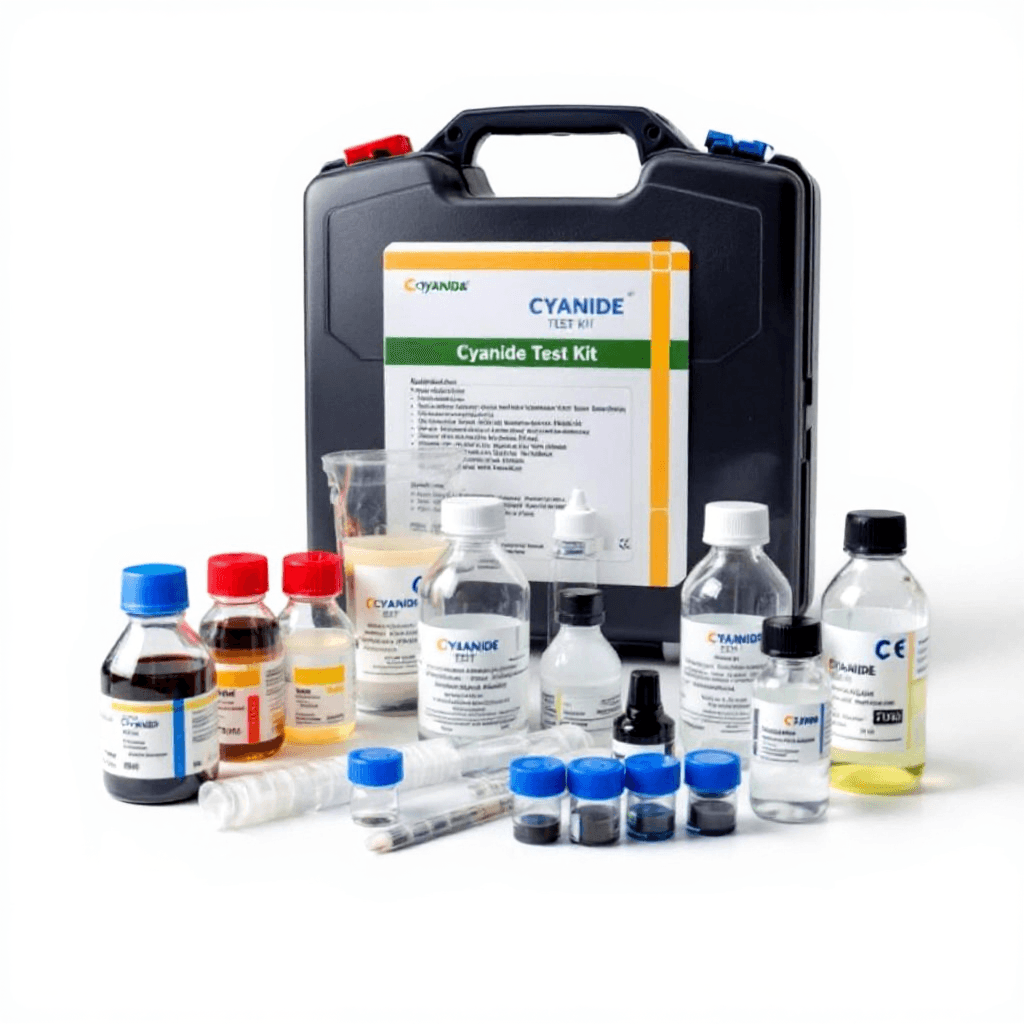
The Cyanide Test Kit (Model LH2034) is a chemical analysis tool designed for rapid detection and quantification of cyanide ions in aqueous samples. This colorimetric assay system enables researchers to perform field-ready or laboratory-based cyanide measurements without requiring complex instrumentation or specialized analytical facilities.
The kit employs established wet chemistry principles for cyanide detection, providing a practical solution for environmental monitoring, industrial process control, and research applications where cyanide contamination assessment is critical. Results can be obtained through visual color comparison or spectrophotometric measurement, depending on the required analytical precision.
How It Works
The Cyanide Test Kit utilizes colorimetric detection chemistry based on the reaction of cyanide ions with specific chromogenic reagents. When cyanide is present in the sample, it forms colored complexes that can be quantified through visual comparison with provided color standards or through spectrophotometric measurement at defined wavelengths.
The test procedure typically involves sample preparation to optimize pH and ionic strength, followed by reagent addition in a specified sequence. Color development occurs within minutes, allowing for rapid field assessment. The intensity of color formation is directly proportional to cyanide concentration within the kit's analytical range.
Detection limits and analytical precision depend on environmental conditions, sample matrix effects, and operator technique. Interfering substances such as sulfides, heavy metals, or oxidizing agents may require sample pretreatment or correction factors for accurate results.
Features & Benefits
Product name
- Model No.
cyanide test kit
- LH2034
Automation Level
- manual
Brand
- ConductScience
Research Domain
- Analytical Chemistry
- Environmental Monitoring
- Food Science
- Industrial Hygiene
- Pharmaceutical QC
- Toxicology
Weight
- 0.26 lbs
Dimensions
- L: 30.0 in
- W: 20.0 in
- H: 10.0 in
Comparison Guide
| Feature | This Product | Typical Alternative | Advantage |
|---|---|---|---|
| Analysis Method | Colorimetric detection with visual or spectrophotometric readout | Some kits use electrochemical sensors or ion-selective electrodes | Colorimetric methods are less susceptible to electrical interference and require no battery power for basic visual interpretation. |
| Portability | Complete field-portable kit design | Laboratory-based methods require fixed instrumentation | Enables on-site testing for immediate contamination assessment without sample transport delays. |
| Result Time | Rapid color development within minutes | Instrumental methods may require longer analysis cycles | Provides real-time results for emergency response or process monitoring applications. |
| User Requirements | Designed for field use with basic chemical handling training | Advanced instruments require specialized operator training | Reduces training requirements and enables broader deployment across field personnel. |
This cyanide test kit provides rapid, field-portable analysis capabilities using established colorimetric chemistry. The design emphasizes practical usability for environmental monitoring and industrial screening applications where immediate results are prioritized over maximum analytical precision.
Practical Tips
Prepare fresh calibration standards from certified reference materials immediately before each testing session.
Why: Standard stability ensures accurate quantitation and proper color development comparison.
Store reagent containers tightly sealed and check for color changes or precipitation before each use.
Why: Reagent degradation can lead to poor color development and inaccurate results.
Maintain consistent timing intervals for reagent addition and color development across all samples and standards.
Why: Reaction kinetics affect final color intensity and analytical precision.
Filter turbid samples through 0.45 μm membrane before analysis to remove particulate interference.
Why: Suspended particles can scatter light and interfere with accurate color assessment.
Run duplicate analyses and blank controls with each sample batch to assess precision and contamination.
Why: Quality control measures identify analytical problems and validate result reliability.
Work in well-ventilated areas and wear appropriate personal protective equipment when handling reagents.
Why: Chemical reagents may present health hazards requiring proper safety precautions.
If color development is weak or absent, check sample pH and consider matrix interference from competing ions.
Why: Chemical conditions strongly influence reagent performance and color formation kinetics.
Setup Guide
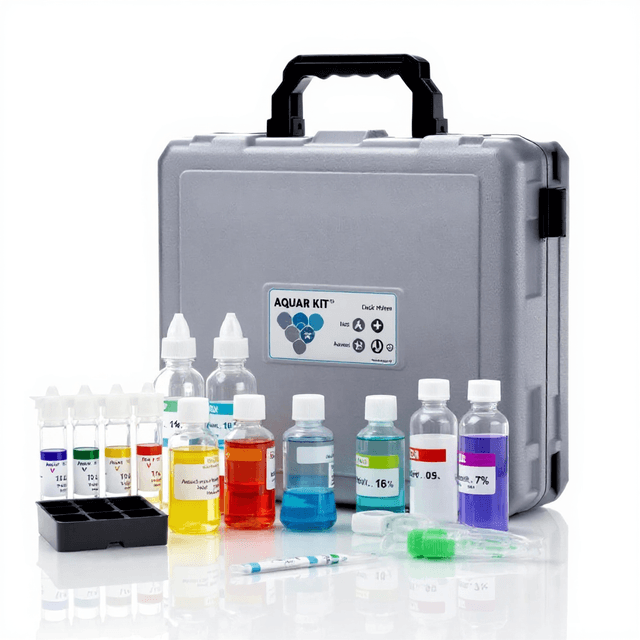
What’s in the Box
- Colorimetric reagent vials (typical)
- Sample collection containers (typical)
- Color comparison chart (typical)
- Measuring pipettes or droppers (typical)
- Instruction manual with protocols (typical)
- Quality control standards (typical)
Warranty
ConductScience provides a standard one-year manufacturer warranty covering reagent stability and kit component integrity, with technical support for analytical protocols and troubleshooting.
Compliance
References
Background reading relevant to this product:
What is the detection limit and analytical range for cyanide measurement with this kit?
Detection limits and analytical range depend on the specific reagent chemistry and protocol implementation. Consult the product datasheet for validated performance specifications and calibration procedures.
How do I handle samples with high turbidity or color that might interfere with visual interpretation?
Turbid or colored samples may require filtration or dilution prior to analysis. Alternatively, use spectrophotometric measurement at the specified wavelength to minimize visual interference effects.
What is the shelf life of the reagents and how should they be stored?
Reagent stability varies by component. Store according to individual container labels, typically at room temperature away from direct light. Check expiration dates before use and discard expired reagents.
Can this kit detect both free cyanide and complexed cyanide species?
The kit's specificity for free versus complexed cyanide depends on the reagent chemistry and any sample pretreatment steps. Review the analytical protocol to determine which cyanide species are measured.
How do I validate the accuracy of results against certified reference materials?
Run certified cyanide standards alongside sample analyses to verify kit performance. Calculate percent recovery and compare with acceptable quality control limits specified in the documentation.
What common substances interfere with cyanide detection in this system?
Potential interferents include sulfides, heavy metals, strong oxidizing agents, and high chloride concentrations. Consult the method documentation for specific interference profiles and correction procedures.
Is it possible to analyze multiple samples simultaneously with one kit?
The number of analyses per kit depends on reagent volumes and sample size requirements. Check the specifications for the number of tests provided and consider batch processing protocols.
Have a question about this product?
Accessories
Enhance your setup with compatible accessories
Frequently Bought Together