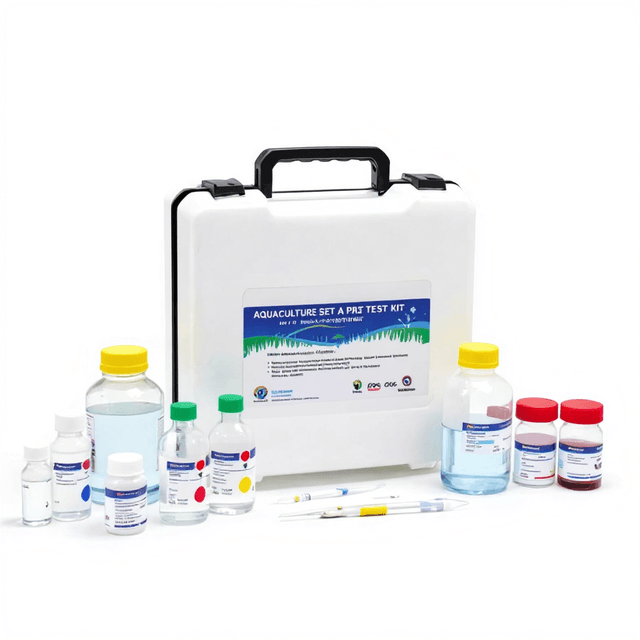
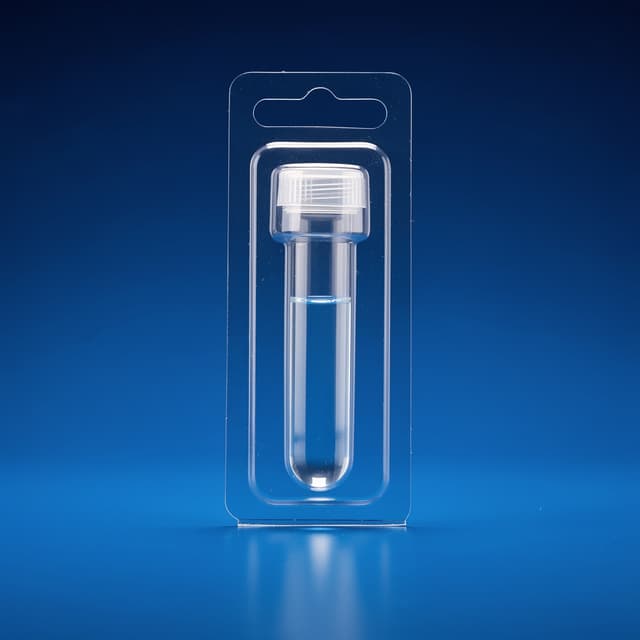
Cyanide Test Tube
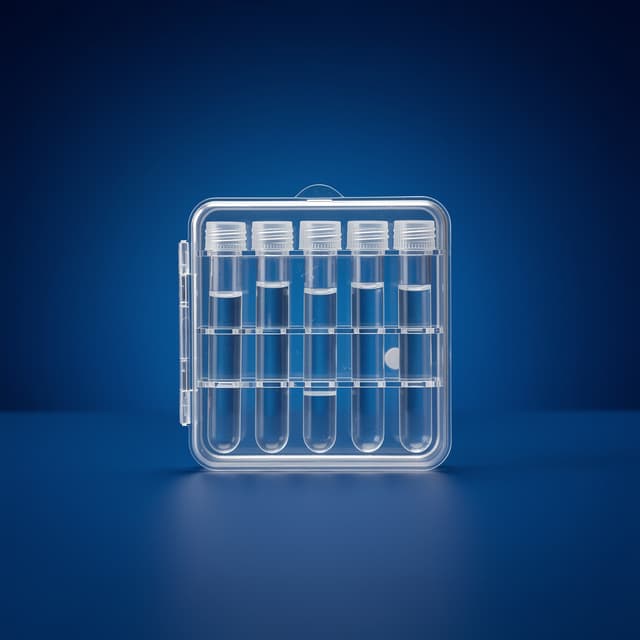
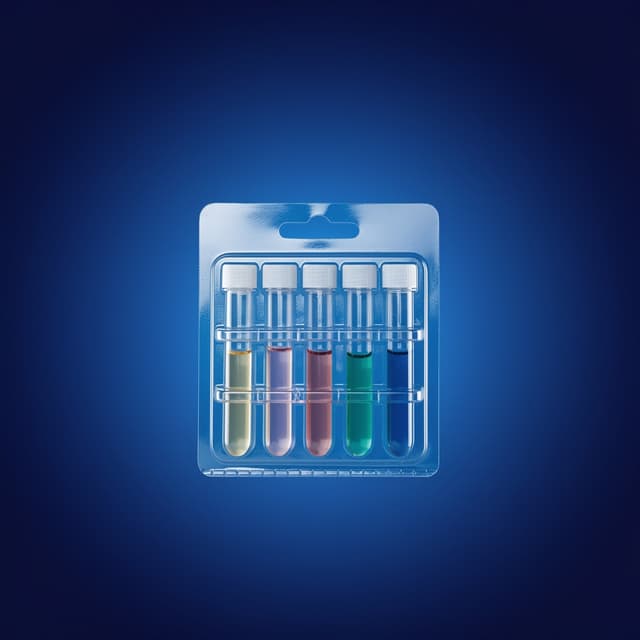
Colorimetric test tube for rapid detection and quantification of cyanide contamination in water samples using visual color comparison methodology.

The Cyanide Test Tube is a colorimetric detection system designed for rapid field and laboratory analysis of cyanide contamination in water samples. This single-use analytical device employs chemical indicator reagents to produce visible color changes proportional to cyanide concentration levels in aqueous samples.
The test tube utilizes a standardized colorimetric methodology where sample water is drawn into the pre-loaded reagent tube, mixed through gentle agitation, and compared against a reference color chart after the specified reaction time. This approach enables quantitative or semi-quantitative assessment of cyanide levels without requiring complex instrumentation or extensive sample preparation protocols.
How It Works
The cyanide test tube operates through a colorimetric detection mechanism where cyanide ions react with pre-loaded chemical reagents to produce a measurable color change. The reaction typically involves the formation of colored complexes that are proportional to the cyanide concentration in the sample matrix.
When the water sample is introduced into the tube and mixed with the reagents through agitation, the chemical reaction proceeds over a specified time period. The resulting color intensity corresponds to the cyanide concentration, which is quantified by visual comparison against a standardized colorimetric reference card.
This methodology provides a direct measurement approach without requiring sample dilution, complex preparation steps, or instrumental analysis, making it suitable for rapid field screening and preliminary laboratory assessment of cyanide contamination levels.
Features & Benefits
Pack Size
- 24-Pack
Weight
- 0.26 kg
Dimensions
- L: 8.8 mm
- W: 7.3 mm
- H: 5.9 mm
Comparison Guide
| Feature | This Product | Typical Alternative | Advantage |
|---|---|---|---|
| Analysis Method | Colorimetric visual comparison | Many alternatives require instrumental analysis with spectrophotometers or electrochemical sensors | Provides immediate results without requiring calibrated instrumentation or power sources in field conditions |
| Sample Preparation | Direct sample analysis with minimal preparation | Instrumental methods often require pH adjustment, filtration, or chemical preservation steps | Reduces analysis time and eliminates potential contamination from additional reagent handling |
| Reagent Storage | Pre-loaded reagents in single-use format | Traditional methods require separate reagent preparation and storage | Eliminates reagent degradation concerns and ensures consistent reaction conditions across analyses |
| Equipment Requirements | No instrumentation required for basic screening | Most alternatives require spectrophotometers, electrodes, or chromatographic systems | Enables testing in remote locations or facilities without analytical laboratory infrastructure |
| Result Interpretation | Visual color comparison against reference card | Instrumental methods provide digital readouts with higher precision | Allows immediate interpretation without data processing or calibration curve calculations |
This cyanide test tube offers rapid colorimetric screening capabilities with minimal equipment requirements and immediate visual results. The pre-loaded reagent system and standardized protocol provide consistent performance for field and preliminary laboratory applications.
Practical Tips
Ensure complete air evacuation from the tube before sample collection to achieve proper sample volume and reagent mixing.
Why: Residual air can interfere with color development and affect reaction stoichiometry.
Perform the color comparison under consistent lighting conditions, preferably natural daylight or standardized laboratory lighting.
Why: Color perception varies significantly under different light sources and can affect quantification accuracy.
Store unused tubes in original packaging away from temperature extremes and direct sunlight.
Why: Reagent degradation can occur with improper storage, leading to reduced sensitivity or false results.
Verify color card accuracy periodically by testing known cyanide standards if available.
Why: Color cards can fade or change over time, affecting the accuracy of visual comparisons.
Handle test tubes with appropriate personal protective equipment and dispose according to local hazardous waste regulations.
Why: Cyanide reagents and samples pose potential health risks and require proper safety protocols.
If no color development occurs, verify sample pH is within the method's specified range.
Why: Extreme pH conditions can inhibit the colorimetric reaction or alter reagent chemistry.
Test duplicate samples when possible to assess measurement precision and identify potential sampling errors.
Why: Single measurements may miss analytical variations that could indicate sample heterogeneity or handling issues.
Setup Guide
What’s in the Box
- Cyanide test tube with pre-loaded reagents
- Colorimetric reference card (typical)
- Usage instructions (typical)
- Safety data sheet (typical)
Compliance
Warranty & ConductCare
ConductScience provides standard warranty coverage for consumable test products, including replacement for manufacturing defects. Technical support is available for proper usage protocols and result interpretation guidance.
What is the detection limit and linear range for cyanide quantification?
Consult product datasheet for specific detection limits, linear range, and precision data as these analytical performance parameters are not specified in the basic product information.
How long is the required reaction time before reading results?
The reaction time is specified in the product instructions but varies based on the specific reagent formulation. Follow the timing protocol provided with each batch for accurate results.
Can this test differentiate between free cyanide and total cyanide?
The test methodology and specificity for different cyanide species should be confirmed in the technical documentation, as colorimetric methods may have varying selectivity profiles.
What interfering substances might affect the color reaction?
Common interferences in cyanide colorimetric testing include sulfides, heavy metals, and high chloride concentrations. Consult the method documentation for complete interference profiles.
Is this method suitable for samples with high turbidity or color?
Sample matrix effects including turbidity, color, and suspended solids may interfere with visual color comparison. Pre-filtration or dilution may be required for certain sample types.
How should unused test tubes be stored?
Store in a cool, dry environment away from direct sunlight to maintain reagent stability. Check expiration dates and storage temperature requirements on product packaging.
Can results from this test be used for regulatory reporting?
This is typically a screening method. Confirmatory analysis using EPA-approved instrumental methods may be required for regulatory compliance reporting depending on jurisdiction requirements.
Have a question about this product?
Accessories
Enhance your setup with compatible accessories
Frequently Bought Together