Ozone Test Tube
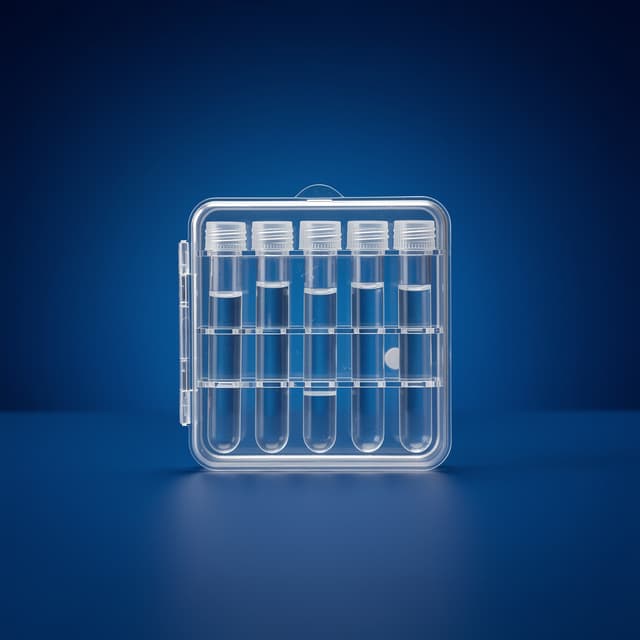
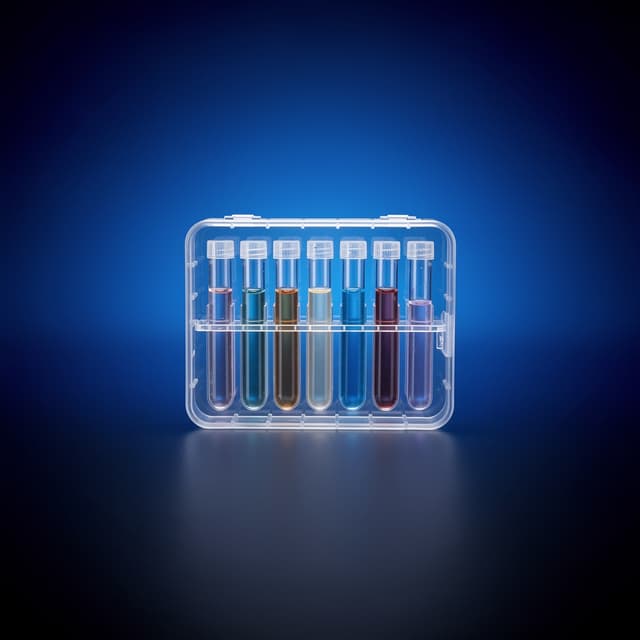
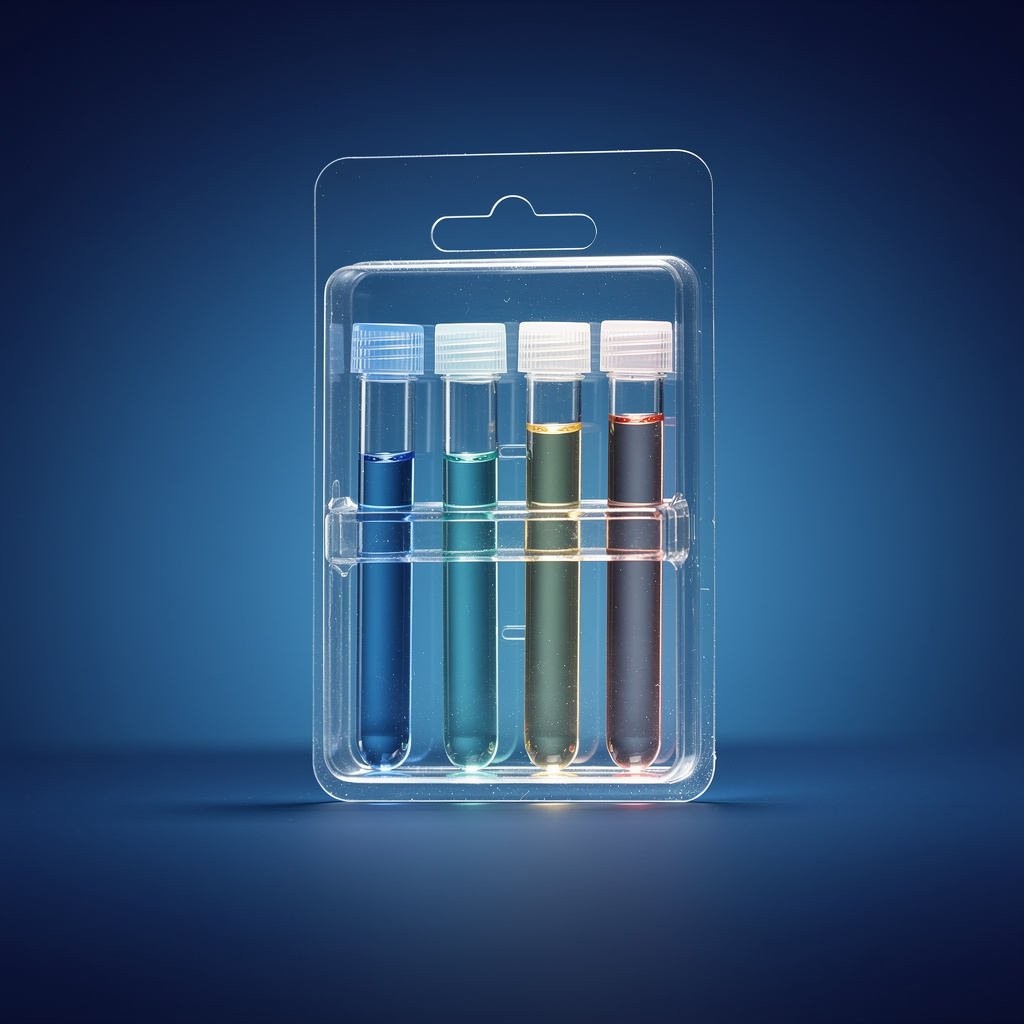
Colorimetric test tube system for rapid quantitative measurement of dissolved ozone concentrations in aqueous samples, providing results in 3-5 minutes without laboratory instrumentation.

Louise Corscadden, PhD
Director of Science · ConductScience
Ask Louise about Ozone Test Tube fit, setup, configuration, or quote prep.
Already working with us? Sign in to connect this with My Scientist.
Key Specifications
Full details →- Model fit
- 1 selectable configurations
- SKU family
- CS-LH-LAB028
- Shipping box
- 8.8 x 7.3 x 5.9 cm
- Ordering
- Online checkout and quote request available
- Category
- Water Test Kits
- Build notes
- Confirm accessories, station layout, and support needs before purchase
The Ozone Test Tube is a colorimetric analysis system designed for rapid quantification of dissolved ozone concentrations in aqueous samples. The test employs a reagent-based colorimetric detection method contained within a sealed polyethylene tube format, enabling field and laboratory measurements without requiring dedicated analytical instrumentation.
This portable testing system provides quantitative ozone measurement capabilities for water quality assessment applications. The pre-loaded reagent chemistry delivers results within 3-5 minutes through visual colorimetric comparison, making it suitable for environments where immediate ozone concentration data is required without access to spectrophotometric equipment.
How It Works
The colorimetric detection system utilizes a specific chemical reagent that undergoes a color change reaction in the presence of dissolved ozone. When the water sample contacts the pre-loaded reagent chemistry within the sealed tube, ozone molecules interact with the indicator compounds to produce a measurable color development proportional to the ozone concentration.
The reaction mechanism typically involves the oxidation of an organic chromophore by dissolved ozone, resulting in a shift in the absorption spectrum that manifests as a visible color change. The intensity of color development correlates directly with ozone concentration, allowing quantitative measurement through visual comparison with provided color standards or colorimetric reference charts.
The sealed tube format prevents atmospheric contamination and reagent degradation while maintaining standardized reaction volumes for consistent results. The polyethylene construction provides chemical resistance to ozone exposure while allowing optical assessment of the color development within the specified reaction timeframe.
Features & Benefits
Shipping weight
- 0.26 lb
Shipping box
- L: 8.8 cm
- W: 7.3 cm
- H: 5.9 cm
| Feature | This Product | Typical Alternative | Advantage |
|---|---|---|---|
| Reaction Time | 3-5 minutes for complete color development | Test strips often provide results in 1-2 minutes but with reduced accuracy | Allows sufficient reaction time for complete color development while maintaining practical testing speed for field applications. |
| Shelf Life | 18 months under normal temperature storage with aluminum foil sealing | Many colorimetric tests offer 12-24 month stability | Extended shelf life reduces inventory turnover and ensures reagent availability for periodic testing programs. |
| Sample Volume | Standardized tube volume for consistent reaction conditions | Variable sample volumes in some test systems | Standardized volume ensures reproducible analytical conditions across different operators and testing locations. |
| Portability | Lightweight polyethylene tube design suitable for field use | Some systems require additional equipment or power sources | Enables testing in remote locations without laboratory infrastructure or electrical requirements. |
This ozone test tube system provides quantitative colorimetric analysis with extended shelf life and portable design suitable for field testing applications. The standardized tube format ensures consistent analytical conditions while the pre-loaded reagent chemistry eliminates preparation steps common in other testing methods.
Practical Tips
Maintain consistent lighting conditions when reading color development to ensure reproducible results across different testing sessions.
Why: Ambient lighting variations can affect color perception and lead to measurement inconsistencies.
Collect water samples in clean containers and analyze immediately or follow proper preservation protocols for delayed analysis.
Why: Ozone is unstable in aqueous solution and concentrations can change rapidly due to decomposition or volatilization.
Store sealed tubes in a cool, dry location away from direct sunlight and temperature extremes.
Why: Proper storage conditions maintain reagent stability and ensure the full 18-month shelf life is achieved.
Verify color chart accuracy periodically using known ozone standards when available for your testing program.
Why: Color chart degradation or variations in color perception can affect measurement accuracy over time.
Document testing conditions including sample temperature, reaction time, and lighting conditions for quality control records.
Why: Environmental factors can influence colorimetric results and documentation supports analytical traceability requirements.
If color development appears uneven or incomplete, ensure adequate mixing by inverting the capped tube multiple times.
Why: Insufficient mixing can result in localized reagent concentrations and non-uniform color development.
Handle test tubes with appropriate personal protective equipment and dispose of used tubes according to local chemical waste regulations.
Why: Test reagents may contain chemical compounds requiring proper handling and disposal procedures.
Setup Guide
What’s in the Box
- Ozone test tubes with pre-loaded reagent chemistry (typical)
- Aluminum foil preservation seals (typical)
- Color reference chart for concentration determination (typical)
- Instruction manual with testing procedures (typical)
- Quality control documentation (typical)
Warranty
ConductScience provides standard manufacturer warranty coverage for analytical consumables with technical support for proper testing procedures. Shelf life guarantee of 18 months applies under specified storage conditions.
Compliance
References
Background reading relevant to this product:
What is the measurement range and detection limit for ozone concentration?
Consult product datasheet for specific measurement range, detection limits, and analytical precision specifications as these parameters determine suitability for your analytical requirements.
Can these tubes be used for gaseous ozone measurement or only dissolved ozone?
The test tube system is designed for dissolved ozone measurement in aqueous samples. Gaseous ozone analysis would require different sampling and testing methodologies.
How does temperature affect the colorimetric reaction accuracy?
Reaction kinetics and color development can be temperature-dependent. Maintain samples at ambient temperature during testing and consult specifications for acceptable temperature ranges.
What interference compounds might affect measurement accuracy?
Common water treatment chemicals, chlorine residuals, and certain organic compounds may interfere with colorimetric detection. Review product documentation for specific interference information.
Can the tubes be stored at different temperatures to extend shelf life?
The 18-month shelf life is specified for normal temperature storage. Refrigeration may extend stability but could affect reagent performance - verify with manufacturer recommendations.
How do I ensure proper quality control when using these test tubes?
Run blank samples, use known ozone standards when available, document testing conditions, and maintain consistent lighting conditions for color comparison readings.
Are there alternative methods for ozone measurement with higher precision?
Spectrophotometric methods, electrochemical sensors, and chemiluminescence analyzers provide higher precision but require dedicated instrumentation and calibration procedures.
Have a question about this product?
Have a question? Just ask.
Send it over and we'll email you a personalized answer — no call, no scheduling.
Prefer to talk it through?
Accessories
Enhance your setup with compatible accessories
Frequently Bought Together