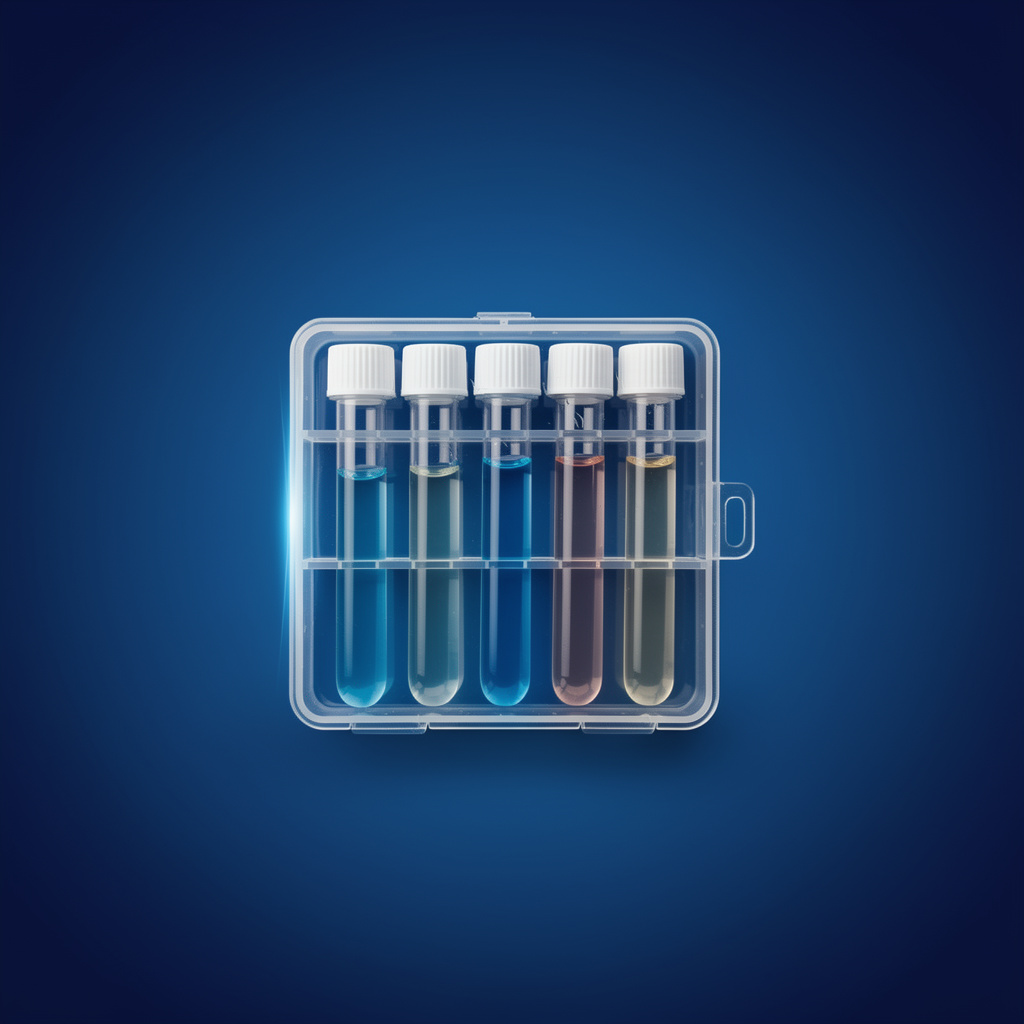
Water Hardness Pack Test
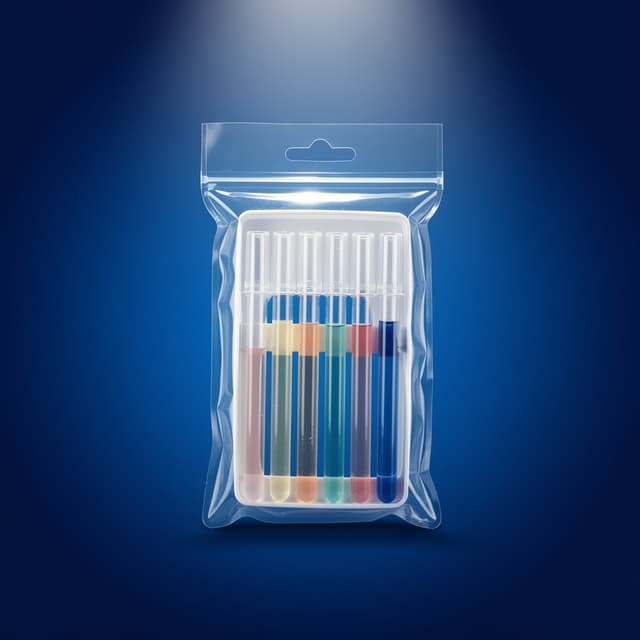
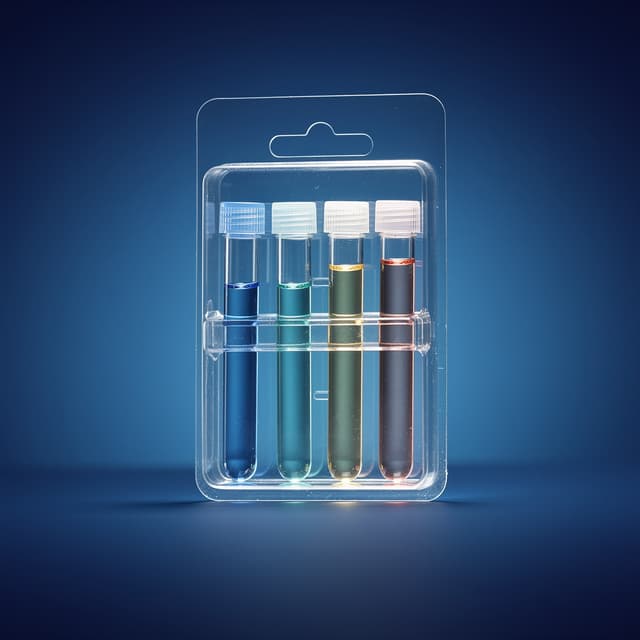
Colorimetric test tube system for rapid determination of water hardness levels in laboratory and field samples.

Louise Corscadden, PhD
Director of Science · ConductScience
Ask Louise about Water Hardness Pack Test fit, setup, configuration, or quote prep.
Already working with us? Sign in to connect this with My Scientist.
Key Specifications
Full details →- Model fit
- 2 selectable configurations
- SKU family
- CS-LH-LAB027
- Shipping box
- 8.8 x 7.3 x 5.9 cm
- Ordering
- Online checkout and quote request available
- Category
- Water Test Kits
- Build notes
- Confirm accessories, station layout, and support needs before purchase
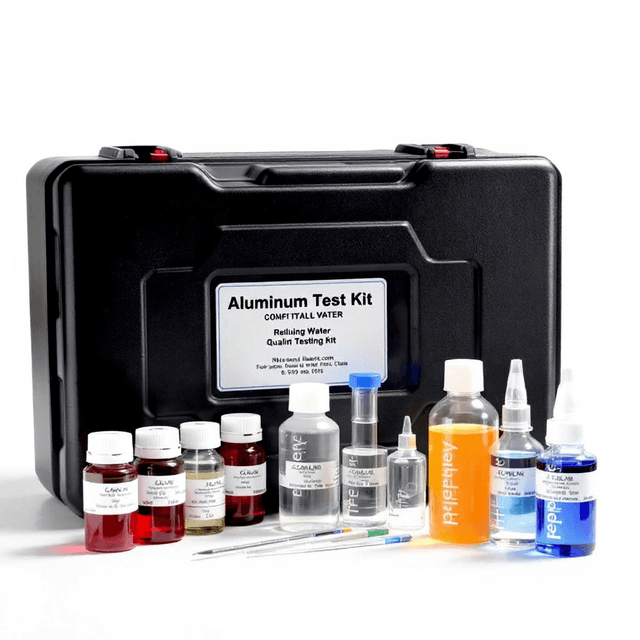
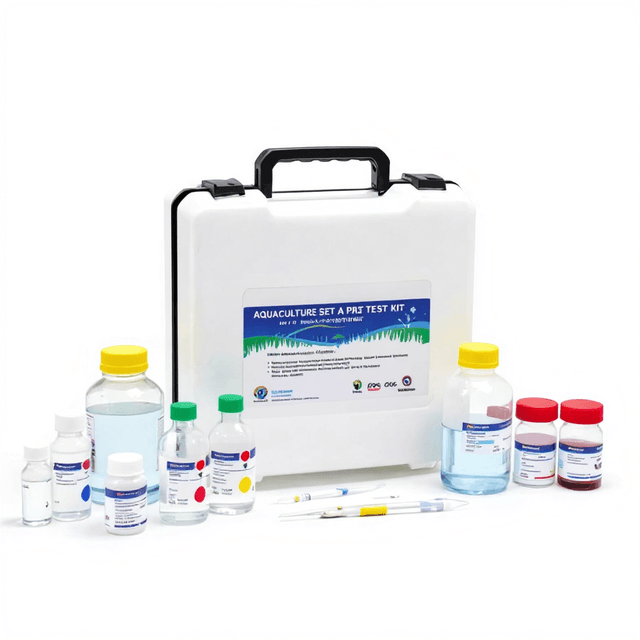
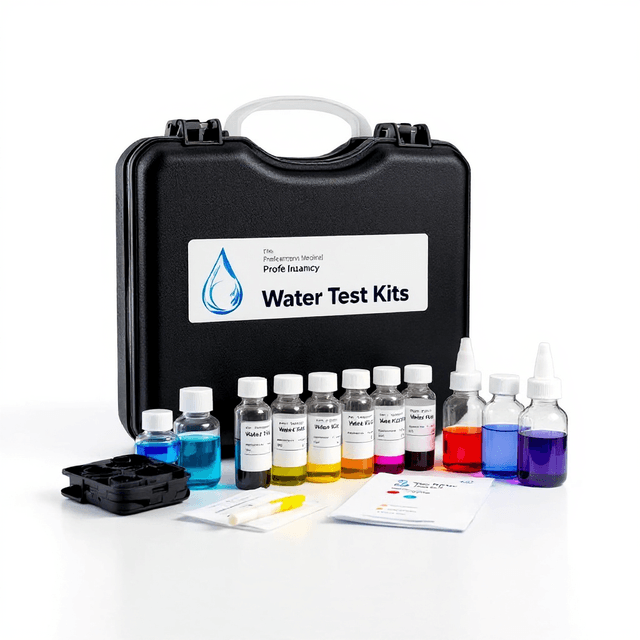
The Water Hardness Pack Test provides a rapid, field-portable method for determining water hardness levels in environmental and laboratory samples. This colorimetric test tube system utilizes a standardized reagent chemistry to quantify total hardness, expressed as calcium carbonate equivalents, through direct visual comparison or spectrophotometric analysis.
The test employs a press-and-fill sample collection mechanism that ensures consistent sample volumes and minimizes contamination risks. After sample collection, the integrated reagent system produces a color change proportional to hardness concentration, enabling quantitative assessment of water quality parameters critical for environmental monitoring, industrial process control, and research applications.
How It Works
Water hardness testing is based on complexometric chemistry, where calcium and magnesium ions in the sample react with specific chelating agents to form colored complexes. The test tube contains pre-measured reagents that undergo a color change when exposed to hardness ions, with color intensity directly proportional to total hardness concentration.
The press-and-fill sampling mechanism ensures accurate volume measurement by expelling excess air and drawing a precise sample volume into the reagent chamber. Upon mixing, the reagent system produces a stable color that can be compared to standardized color charts or measured spectrophotometrically for quantitative results.
This methodology provides rapid results without requiring complex instrumentation, making it suitable for both laboratory and field applications where immediate hardness assessment is required.
Features & Benefits
Shipping weight
- 0.26 lb
Shipping box
- L: 8.8 cm
- W: 7.3 cm
- H: 5.9 cm
| Feature | This Product | Typical Alternative | Advantage |
|---|---|---|---|
| Sampling Method | Press-and-fill tube mechanism with integrated volume control | Manual pipetting or graduated sample collection often required | Reduces sampling variability and contamination risk during field collection procedures. |
| Reagent Preparation | Pre-measured reagents integrated in test tube | Manual reagent mixing and standardization typically required | Eliminates reagent preparation time and reduces potential for measurement errors. |
| Detection Method | Colorimetric analysis with visual or spectrophotometric reading | Titration endpoint detection varies by method | Provides immediate results without requiring analytical balance or specialized glassware. |
| Portability | Single-use tube format suitable for field deployment | Laboratory-based methods often require fixed instrumentation | Enables water quality assessment in remote locations without laboratory infrastructure. |
The Water Hardness Pack Test offers integrated sampling and reagent systems for rapid field assessment, providing immediate colorimetric results without requiring complex laboratory instrumentation or reagent preparation procedures.
| Model | SKU | Listed price | Status | Shipping box |
|---|---|---|---|---|
| 50-Pack | CS-LH-LAB027-BULK50 | $999.99 | Available | 8.8 x 7.3 x 5.9 cm |
| 25-Pack | CS-LH-LAB027-BULK25 | $549.99 | Available | 8.8 x 7.3 x 5.9 cm |
Practical Tips
Collect samples from the center of water bodies, avoiding surface films or sediment disturbance that could affect hardness readings.
Why: Representative sampling ensures accurate assessment of bulk water quality conditions.
Allow color development to complete fully before comparison to reference standards or spectrophotometric measurement.
Why: Incomplete color development leads to underestimation of hardness concentrations.
Test duplicate samples when hardness levels are critical for decision-making or regulatory compliance.
Why: Replicate measurements provide confidence intervals and detect potential sampling or analytical errors.
If color development appears incomplete or inconsistent, check tube integrity and ensure complete reagent mixing.
Why: Damaged tubes or inadequate mixing can result in false negative or inconsistent color formation.
Dispose of used test tubes according to local chemical waste regulations, as reagents may contain chelating agents.
Why: Proper disposal prevents environmental contamination and complies with laboratory waste management protocols.
Store unused test tubes in original packaging at room temperature, away from direct sunlight and extreme temperatures.
Why: Proper storage maintains reagent stability and ensures consistent analytical performance over the product shelf life.
Setup Guide
What’s in the Box
- Water hardness test tube with integrated reagents
- Usage instructions and interpretation guide
- Color comparison chart (typical)
- Safety data sheet (typical)
Warranty
ConductScience provides standard manufacturer warranty coverage with technical support for product performance and application guidance.
Compliance
What is the measurement range and precision of this water hardness test?
Specific measurement range, detection limits, and precision specifications should be consulted in the product datasheet as these parameters vary by reagent formulation and intended application.
Can this test distinguish between calcium and magnesium hardness?
This test measures total hardness as calcium carbonate equivalents and does not differentiate between individual hardness ions. Separate tests would be required for calcium-specific or magnesium-specific analysis.
How should samples be stored before testing?
Water samples should be tested immediately after collection or stored in clean containers at 4°C for no more than 24 hours to prevent changes in hardness due to precipitation or contamination.
What interfering substances might affect test accuracy?
High turbidity, color, or the presence of heavy metals may interfere with colorimetric results. Sample filtration or dilution may be necessary for heavily contaminated samples.
Can this test be used for seawater or high-salinity samples?
High ionic strength solutions may require sample dilution to bring hardness levels within the test range and minimize matrix effects on color development.
How does this compare to titration methods for hardness testing?
This colorimetric method provides rapid results suitable for field screening, while EDTA titration offers higher precision for laboratory analysis where quantitative accuracy is critical.
Have a question about this product?
Have a question? Just ask.
Send it over and we'll email you a personalized answer — no call, no scheduling.
Prefer to talk it through?
Accessories
Enhance your setup with compatible accessories
Frequently Bought Together