Drill Bits for Microdrill
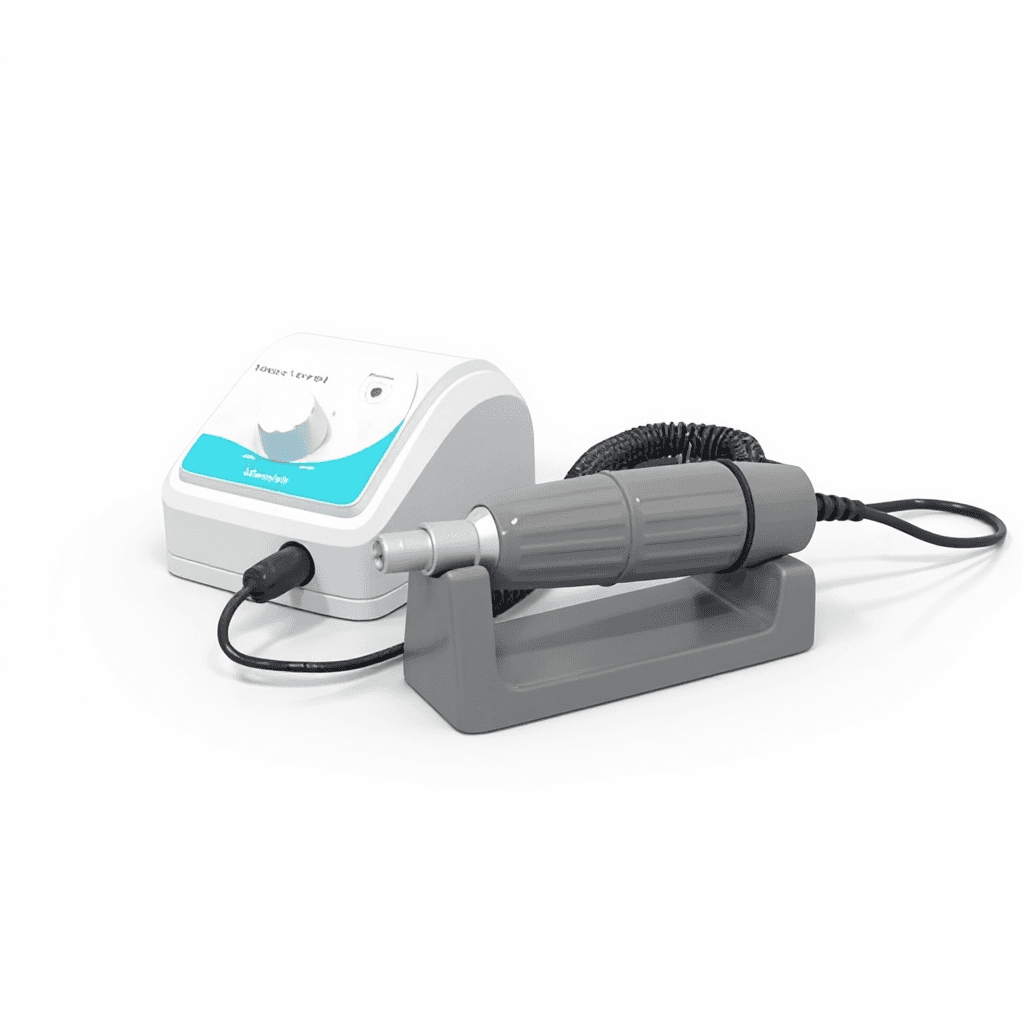
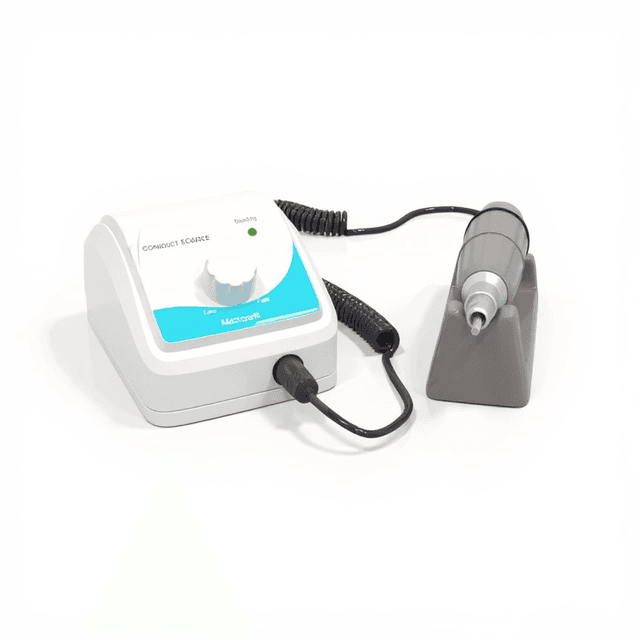
The hand-held cranial drill can only take ⼀ seconds to drill.. It is simple to operate and easy to master.
| drill_bit_diameters | ['0.5mm', '0.6mm', '0.8mm', '1.0mm', '1.2mm', '1.4mm', '1.6mm', '1.8mm', '2.1mm', '2.3mm', '2.7mm'] |
| tip_types | ['Round Tip', 'Flat Tip'] |
| package_quantities | ['pkg of 2', 'pkg of 5'] |
| round_tip_models | ['HM1005', 'HM1006', 'HM1008', 'HM1010', 'HM1012', 'HM1014', 'HM1016', 'HM1018', 'HM1021', 'HM1023', 'HM1027'] |
| flat_tip_models | ['HM31008', 'HM31010', 'HM31012', 'HM31014', 'HM31016', 'HM31018', 'HM31021', 'HM31023'] |
| Automation Level | manual |
| SKU | Product Name | Qty |
| RWD-78040 | Drill Bits HM1005 0.5mm, Round Tip, pkg of 5 | 1 |
| RWD-78041 | Drill Bits HM1006 0.6mm, Round Tip, pkg of 5 | 1 |
| RWD-78042 | Drill Bits HM1008 0.8mm, Round Tip, pkg of 5 | 1 |
| RWD-78043 | Drill Bits HM1010 1.0mm, Round Tip, pkg of 5 | 1 |
| RWD-78044 | Drill Bits HM1012 1.2mm, Round Tip, pkg of 5 | 1 |
| RWD-78045 | Drill Bits HM1014 1.4mm, Round Tip, pkg of 5 | 1 |
| RWD-78046 | Drill Bits HM1016 1.6mm, Round Tip, pkg of 5 | 1 |
| RWD-78047 | Drill Bits HM1018 1.8mm, Round Tip, pkg of 5 | 1 |
| RWD-78048 | Drill Bits HM1021 2.1mm, Round Tip, pkg of 5 | 1 |
| RWD-78049 | Drill Bits HM1023 2.3mm, Round Tip, pkg of 5 | 1 |
| RWD-78050 | Drill Bits HM1027 2.7mm, Round Tip, pkg of 2 | 1 |
| RWD-78060 | Drill Bits HM31008 0.8mm, Flat Tip, pkg of 5 | 1 |
| RWD-78061 | Drill Bits HM31010 1.0mm, Flat Tip, pkg of 5 | 1 |
| RWD-78062 | Drill Bits HM31012 1.2mm, Flat Tip, pkg of 5 | 1 |
| RWD-78063 | Drill Bits HM31014 1.4mm, Flat Tip, pkg of 5 | 1 |
| RWD-78064 | Drill Bits HM31016 1.6mm, Flat Tip, pkg of 5 | 1 |
| RWD-78065 | Drill Bits HM31018 1.8mm, Flat Tip, pkg of 5 | 1 |
| RWD-78066 | Drill Bits HM31021 2.1mm, Flat Tip, pkg of 5 | 1 |
| RWD-78067 | Drill Bits HM31023 2.3mm, Flat Tip, pkg of 5 | 1 |
How It Works
Microdrill bits operate through high-speed rotational cutting, with carbide cutting edges designed to efficiently remove bone tissue while minimizing heat generation and tissue damage. Round tip bits feature a pointed geometry that facilitates initial penetration and allows for angled entry paths, making them ideal for accessing curved skull surfaces or creating pilot holes. The round tip design distributes cutting forces over a smaller initial contact area, reducing the likelihood of bit walking or deflection during entry.
Flat tip bits provide a different cutting profile, with a flat end geometry that creates uniform, flat-bottom holes with controlled depth characteristics. This design is particularly valuable when precise hole depth is critical, such as for implant seating or when drilling to specific anatomical landmarks. The flat cutting surface ensures consistent material removal across the full diameter, resulting in holes with smooth walls and accurate dimensional control.
Both tip configurations utilize carbide construction, which maintains sharp cutting edges longer than standard steel bits when working with calcified tissue. The carbide material's hardness and wear resistance enable consistent cutting performance across multiple procedures, while the precision manufacturing ensures concentricity and dimensional accuracy critical for research applications.
Features & Benefits
drill_bit_diameters
- ['0.5mm', '0.6mm', '0.8mm', '1.0mm', '1.2mm', '1.4mm', '1.6mm', '1.8mm', '2.1mm', '2.3mm', '2.7mm']
tip_types
- ['Round Tip', 'Flat Tip']
package_quantities
- ['pkg of 2', 'pkg of 5']
round_tip_models
- ['HM1005', 'HM1006', 'HM1008', 'HM1010', 'HM1012', 'HM1014', 'HM1016', 'HM1018', 'HM1021', 'HM1023', 'HM1027']
flat_tip_models
- ['HM31008', 'HM31010', 'HM31012', 'HM31014', 'HM31016', 'HM31018', 'HM31021', 'HM31023']
Automation Level
- manual
Brand
- RWD
Research Domain
- Behavioral Pharmacology
- Learning and Memory
- Motor Function
- Neurodegeneration
- Neuroscience
- Pain Research
Species
- Gerbil
- Hamster
- Rabbit
- Mouse
- Rat
- Guinea pig
Weight
- 8.27 lbs
Dimensions
- L: 34.0 in
- W: 39.0 in
- H: 33.0 in
Comparison Guide
| Feature | This Product | Typical Alternative | Advantage |
|---|---|---|---|
| Material Construction | Carbide cutting edges for extended service life | Steel bits more common in basic sets | Maintains sharp cutting performance longer in hard bone tissue applications. |
| Diameter Range | 0.5mm to 2.7mm spanning research applications | Limited diameter selections in standard sets | Single source covers fine electrode work through larger cannula implantation procedures. |
| Tip Geometry Options | Both round tip and flat tip configurations available | Single tip type in basic drill sets | Allows technique optimization for different drilling requirements and anatomical approaches. |
| Package Quantities | 5-unit packages (2-unit for 2.7mm) | Varies by supplier and diameter | Convenient quantities for research labs balancing inventory costs with procedure requirements. |
| Application Focus | Designed specifically for microdrill procedures | General purpose bits adapted for research use | Optimized cutting geometry and quality control for precision research applications. |
This drill bit set provides comprehensive diameter coverage and dual tip geometries specifically designed for research microdrill applications. The carbide construction and precision manufacturing deliver consistent performance required for neurosurgical and stereotactic procedures.
Practical Tips
Verify chuck runout before installing new bits to ensure concentricity within acceptable limits.
Why: Excessive runout causes premature bit wear and hole dimensional inaccuracy.
Clean bits immediately after use with appropriate solvents to remove bone debris and biological material.
Why: Accumulated debris affects cutting performance and can harbor contaminants between procedures.
Use peck drilling technique for deep holes, withdrawing periodically to clear chips and reduce heat buildup.
Why: Prevents bit overheating and ensures consistent cutting action throughout the full depth.
Always secure the drilling workpiece and maintain stable positioning to prevent unexpected movement.
Why: Workpiece movement can cause bit breakage or uncontrolled drilling that may damage surrounding tissue.
If bits dull quickly, check drill speed and feed rate settings against manufacturer recommendations.
Why: Incorrect parameters cause excessive wear and may indicate the need for technique adjustment.
Document bit usage and replacement to maintain consistent hole quality across experimental groups.
Why: Bit wear progression can introduce variability in hole dimensions that may affect experimental outcomes.
Store bits in individual protective sleeves or foam inserts to prevent edge damage.
Why: Preserved cutting edges maintain dimensional accuracy and reduce the need for frequent bit replacement.
Setup Guide
What’s in the Box
- Round tip drill bits: 0.5mm-2.7mm (packages of 2 or 5 per diameter)
- Flat tip drill bits: 0.8mm-2.3mm (packages of 5 per diameter)
- Sterile packaging for each bit set
- Product identification labels
- Usage documentation (typical)
Warranty
ConductScience provides standard manufacturer warranty coverage against material and workmanship defects. Technical support is available for proper bit selection and application guidance.
Compliance
How do I select the appropriate bit diameter for my electrode implantation?
Match bit diameter to electrode shaft diameter plus clearance requirements. For typical recording electrodes, 0.5-0.8mm bits provide adequate clearance, while cannulas typically require 1.0-2.1mm depending on outer diameter specifications.
What is the difference between round tip and flat tip bits?
Round tip bits facilitate initial penetration and angled entry paths, ideal for curved surfaces. Flat tip bits create controlled-depth holes with flat bottoms, preferred when precise depth control or implant seating is critical.
How many procedures can I perform with each drill bit?
Bit lifespan varies with bone density, drilling technique, and maintenance. In typical rodent skull applications, carbide bits maintain performance for 20-50 procedures when used with proper technique and care.
What drill speeds should I use with these bits?
Optimal speeds depend on bit diameter and bone density. Generally, use 800-1200 RPM for smaller diameters (0.5-1.0mm) and 600-1000 RPM for larger diameters (1.2-2.7mm). Monitor cutting action and adjust as needed.
Can these bits be sterilized and reused?
Yes, carbide bits can be sterilized using standard autoclave cycles. Inspect cutting edges after each sterilization cycle for wear or damage. Replace bits when cutting performance degrades.
How do I prevent bit breakage during drilling?
Maintain steady, light feed pressure and avoid excessive force. Use appropriate drill speeds for the bit diameter, ensure proper chuck tightening, and support the drilling area to minimize vibration and deflection.
What maintenance is required for optimal performance?
Clean bits thoroughly after each use to remove bone debris. Store in protective packaging to prevent edge damage. Periodically inspect cutting edges and replace when worn or chipped.
Have a question about this product?
Frequently Bought Together
Upgrade Options