Pig Mirror
Specialized behavioral apparatus for assessing mirror recognition and self-awareness in pigs, featuring a framed mirror system with protective barriers for controlled cognitive testing.

Louise Corscadden, PhD
Director of Science · ConductScience
Ask Louise about Pig Mirror fit, setup, configuration, or quote prep.
Already working with us? Sign in to connect this with My Scientist.
Key Specifications
Full details →- Model fit
- Pig
- SKU family
- ME-8612
- Sizing
- Pig Mirror: Length of mirror 0.6 m · Width of mirror 0.7 m
- Ordering
- Online checkout and quote request available
- Category
- Behavioral Mazes
- Build notes
- Confirm accessories, station layout, and support needs before purchase
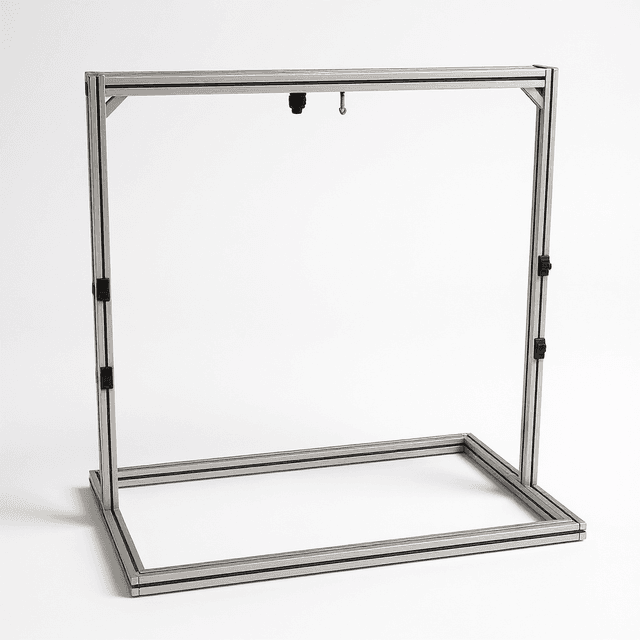
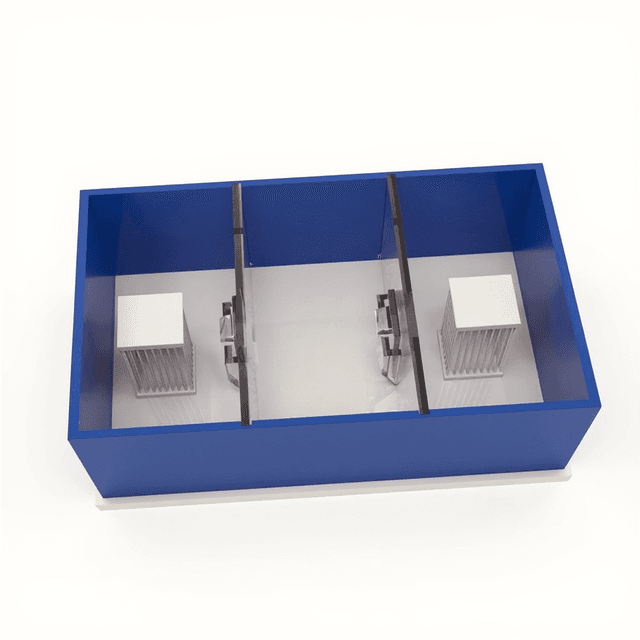
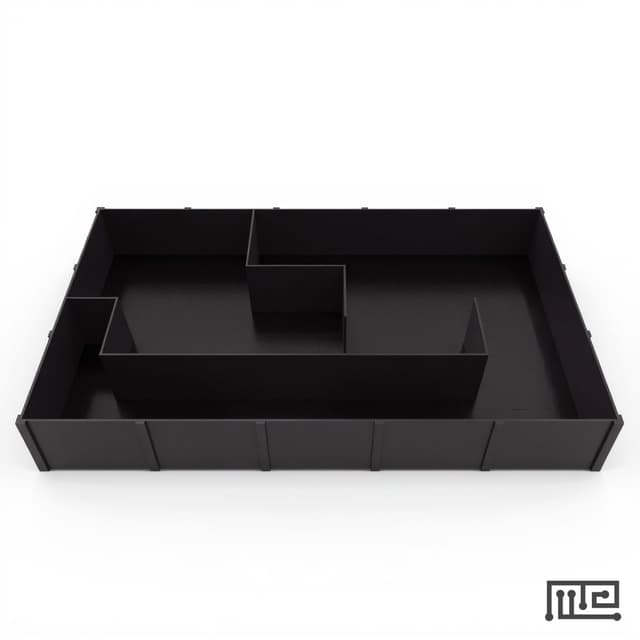
The Pig Mirror apparatus is a specialized cognitive assessment tool designed for evaluating mirror recognition and self-awareness behaviors in swine. This behavioral testing system consists of a 0.6m × 0.7m mirror mounted within a 1.2m × 1.4m frame, surrounded by a 1.7m × 1.4m protective barrier. The apparatus enables controlled investigation of mirror self-recognition (MSR) paradigms in pigs, supporting comparative cognition research and animal intelligence assessment protocols.
The system provides a standardized environment for conducting mirror-based behavioral experiments, allowing researchers to assess cognitive abilities including self-recognition, spatial awareness, and problem-solving behaviors in swine subjects. The protective barrier design ensures subject safety while maintaining clear visual access to the mirror surface for behavioral observation and data collection.
How It Works
Mirror self-recognition testing operates on the principle that self-aware animals can recognize their own reflection and use mirrors as tools to obtain information about their environment or themselves. The test typically involves exposing subjects to a mirror and observing specific behavioral indicators including self-directed behaviors, contingency testing (moving while watching the reflection), and the use of mirrors to locate objects positioned outside direct visual range.
The apparatus design incorporates optimal mirror sizing and positioning based on pig visual capabilities and behavioral patterns. The 0.6m × 0.7m mirror dimensions provide sufficient surface area for full body reflection while maintaining manageable scale for laboratory settings. The protective barrier system prevents direct contact with the mirror surface while allowing natural approach and interaction behaviors.
Behavioral assessment protocols typically involve multiple exposure sessions with systematic observation of approach behaviors, attention to reflection, self-directed actions, and problem-solving tasks involving mirror use. Data collection focuses on latency to approach, duration of mirror engagement, and frequency of specific behavioral categories that indicate recognition versus mere social response to the reflected image.
Features & Benefits
Sizes by model
| Measurement | Pig Mirror |
|---|---|
| Length of mirror | 0.6 m |
| Width of mirror | 0.7 m |
| Length of frame | 1.2 m |
| Width of frame | 1.4 m |
| Length of barrier | 1.7 m |
| Height of barrier | 1.4 m |
Behavioral Construct
- Self-recognition
- Mirror cognition
- Spatial awareness
- Cognitive development
- Problem-solving
Automation Level
- manual
Research Domain
- Animal Behavior
- Behavioral Pharmacology
- Developmental Biology
- Learning and Memory
- Neuroscience
Species
- Pig
Shipping weight
- 21.0 lb
Shipping box
- L: 43.2 cm
- W: 38.0 cm
- H: 27.9 cm
| Feature | This Product | Typical Alternative | Advantage |
|---|---|---|---|
| Mirror Surface Area | 0.42 square meters (0.6m × 0.7m) | Smaller mirrors often provide insufficient reflection area for larger subjects | Adequate surface area ensures full-body reflection visibility for accurate self-recognition assessment. |
| Protective Barrier Integration | Integrated 1.7m × 1.4m barrier system | Separate barriers or improvised containment solutions | Purpose-built protection prevents equipment damage while maintaining optimal interaction distance for natural behaviors. |
| Species-Specific Design | Optimized dimensions for pig behavioral patterns | Generic mirror setups sized for other species | Species-appropriate scaling ensures ecologically valid testing conditions and reduces confounding variables. |
| Modular Construction | Disassembles for storage and transport | Fixed installations with limited portability | Flexible setup options accommodate different laboratory spaces and enable multi-site studies with consistent apparatus. |
This specialized apparatus provides standardized mirror dimensions, integrated safety features, and species-appropriate scaling for reliable pig cognition research. The modular design offers practical advantages for laboratory flexibility while maintaining consistent testing conditions across studies.
Practical Tips
Verify mirror alignment and barrier positioning before each testing session to ensure consistent visual angles and interaction distances.
Why: Consistent apparatus geometry reduces variability in behavioral responses across subjects and sessions.
Clean mirror surface with appropriate cleaning solutions between subjects to prevent odor contamination that might influence behavior.
Why: Olfactory cues from previous subjects can confound behavioral responses and affect the validity of mirror recognition assessments.
Conduct habituation sessions without the mirror present to establish baseline behaviors and reduce novelty effects.
Why: Baseline behavior assessment helps distinguish mirror-specific responses from general environmental exploration or stress behaviors.
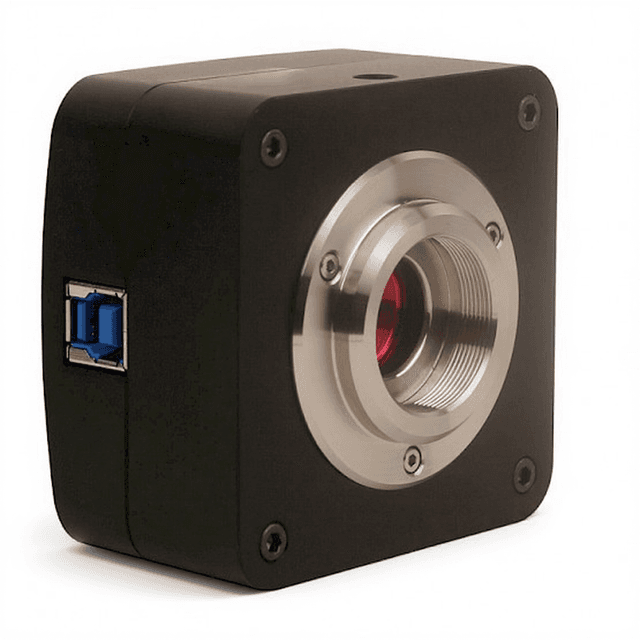
Position multiple cameras to capture both subject behavior and mirror interactions simultaneously for comprehensive analysis.
Why: Multi-angle recording enables detailed behavioral coding and verification of self-directed versus exploratory behaviors.
If subjects show excessive avoidance, gradually introduce mirror exposure through progressive habituation protocols.
Why: Some subjects may require extended acclimation to overcome neophobic responses that could mask cognitive abilities.
Regularly inspect barrier integrity and mirror mounting security to prevent equipment failure during active testing.
Why: Equipment failure during testing sessions can result in subject injury and loss of valuable research data.
Standardize lighting conditions and minimize environmental distractions during testing sessions for consistent results.
Why: Environmental variables can influence attention and behavioral responses, affecting the reliability of cognitive assessments.
Setup Guide
What’s in the Box
- Mirror panel (0.6m × 0.7m)
- Frame assembly components (1.2m × 1.4m)
- Barrier system sections (1.7m × 1.4m)
- Mounting hardware and fasteners
- Assembly instructions
- Behavioral testing protocol guide (typical)
Warranty
ConductScience provides a standard one-year manufacturer warranty covering defects in materials and workmanship, with technical support for setup and operational questions.
Compliance
References
Background reading relevant to this product:
What behavioral indicators should be scored during mirror recognition testing?
Key indicators include self-directed behaviors while viewing the reflection, contingency testing (coordinated movements while watching the mirror), using the mirror to locate objects, and distinguishing between social responses versus self-recognition behaviors.
How long should individual testing sessions last?
Sessions typically range from 10-30 minutes depending on the specific protocol, with multiple sessions required to distinguish between novelty responses and genuine mirror recognition. Consult established protocols for your specific research question.
What age range is appropriate for mirror recognition testing in pigs?
Testing can be conducted across age groups from juvenile (8-12 weeks) through adult pigs, with developmental studies often comparing performance across multiple age cohorts to assess cognitive maturation.
How should the apparatus be positioned relative to lighting conditions?
Position to minimize glare and reflections that could interfere with clear mirror visualization, while ensuring adequate illumination for behavioral observation and video recording from multiple angles.
What control conditions are recommended for mirror studies?
Standard controls include exposure to non-reflective surfaces of similar size, social partner interactions, and baseline behavioral assessments without mirror presence to distinguish mirror-specific responses.
Can the apparatus accommodate different pig sizes and breeds?
The barrier dimensions provide adequate space for various pig breeds and sizes commonly used in research, though very large breeds may require modified protocols or additional space considerations.
What data recording methods are most effective?
Video recording from multiple angles combined with real-time behavioral coding allows for detailed analysis of mirror interactions, approach patterns, and self-directed behaviors that may indicate recognition.
Have a question about this product?
Have a question? Just ask.
Send it over and we'll email you a personalized answer — no call, no scheduling.
Prefer to talk it through?
Accessories
Enhance your setup with compatible accessories
Frequently Bought Together