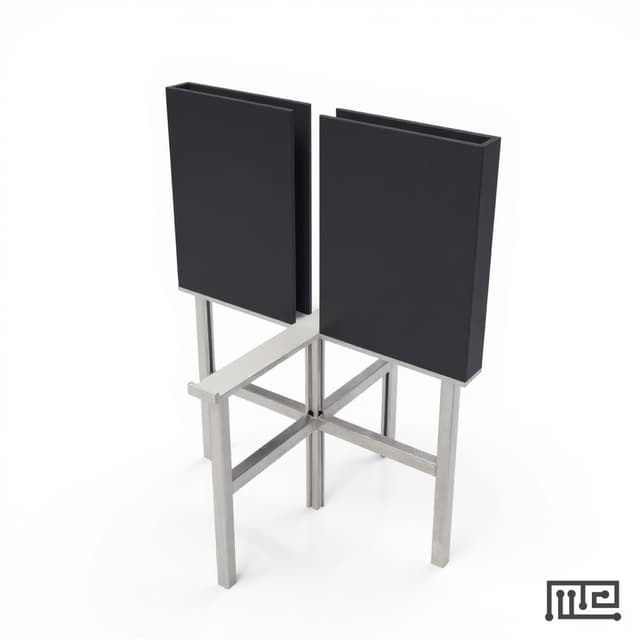
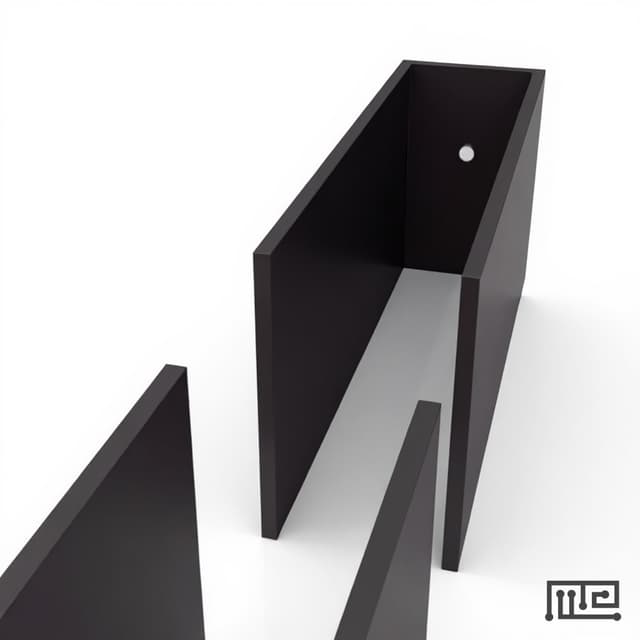
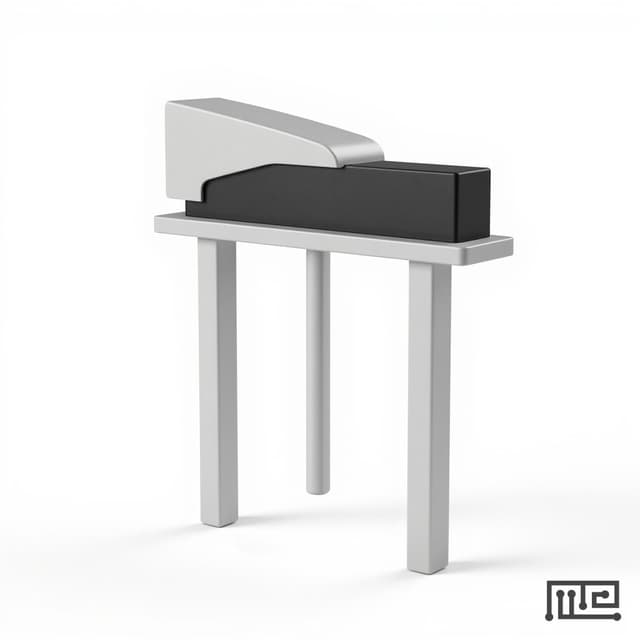
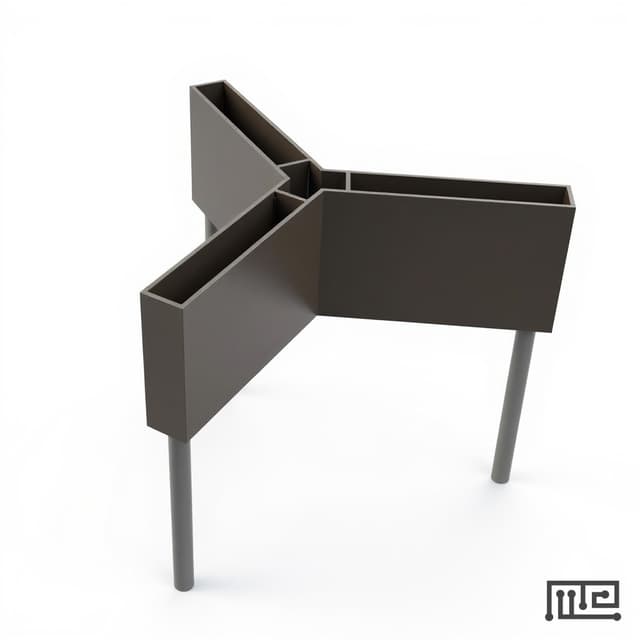
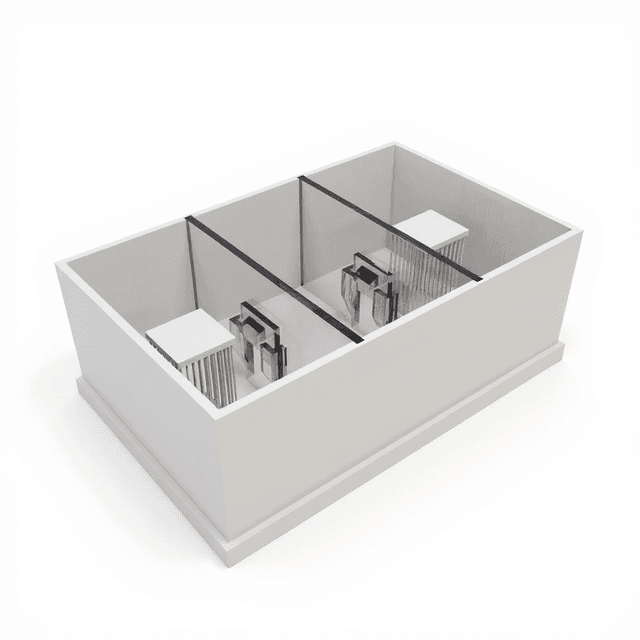
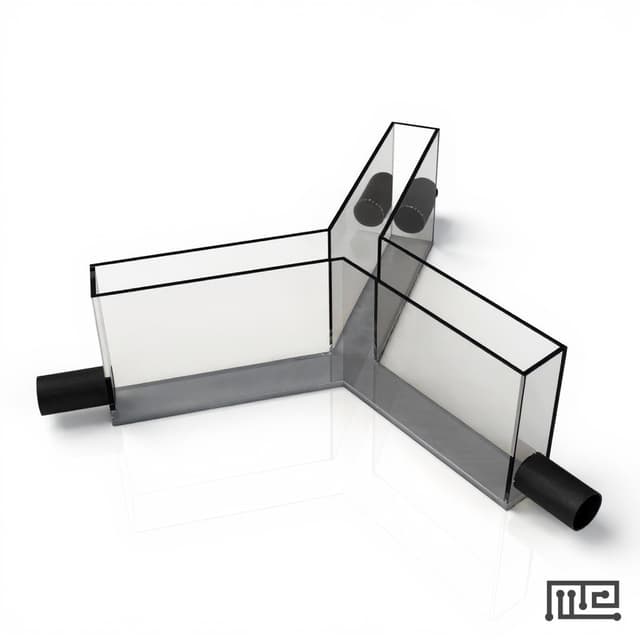
Backlights (EPM Modification)
Specialized lighting modification for elevated plus maze experiments providing uniform illumination for enhanced behavioral assessment in rodent anxiety studies.

Louise Corscadden, PhD
Director of Science · ConductScience
Ask Louise about Backlights (EPM Modification) fit, setup, configuration, or quote prep.
Already working with us? Sign in to connect this with My Scientist.
Key Specifications
Full details →- Model fit
- Mouse, Rat
- SKU family
- ME-3309/ 3310
- Shipping box
- 43.2 x 38.0 x 27.9 cm
- Ordering
- Online checkout and quote request available
- Category
- Behavioral Mazes
- Build notes
- Confirm accessories, station layout, and support needs before purchase
The Backlights (EPM Modification) is a specialized lighting system designed to enhance elevated plus maze experiments by providing controlled illumination conditions. This modification allows researchers to precisely control lighting parameters during anxiety and exploratory behavior assessments in rodents, eliminating shadows and ensuring uniform illumination across all maze arms.
The system is specifically designed for mouse and rat behavioral studies, providing consistent light distribution that is critical for accurate behavioral scoring and video tracking systems. The modification integrates seamlessly with standard elevated plus maze apparatus to create optimal testing conditions for anxiety-related research protocols.
How It Works
The backlighting system operates by providing uniform illumination from beneath or behind the elevated plus maze structure, eliminating shadows and dark spots that can confound behavioral measurements. The controlled lighting ensures that all maze arms receive equal illumination, preventing animals from avoiding or preferring areas based on lighting differences rather than their inherent anxiety levels.
This modification is particularly important for video tracking systems that rely on consistent contrast between the animal and maze surface for accurate position detection and movement analysis. The uniform lighting also enables more precise behavioral scoring by human observers, as all areas of the maze are equally visible throughout the testing session.
Features & Benefits
Behavioral Construct
- Anxiety
- Exploratory Behavior
- Spatial Preference
Automation Level
- semi-automated
Research Domain
- Addiction Research
- Aging Research
- Anxiety and Depression
- Behavioral Pharmacology
- Learning and Memory
- Neuroscience
Shipping weight
- 21.0 lb
Shipping box
- L: 43.2 cm
- W: 38.0 cm
- H: 27.9 cm
| Feature | This Product | Typical Alternative | Advantage |
|---|---|---|---|
| Illumination Method | Backlighting system for uniform illumination | Standard overhead lighting often creates shadows and uneven illumination | Eliminates confounding variables from lighting inconsistencies in behavioral assessment |
| Species Compatibility | Designed for both mouse and rat studies | Some lighting systems require different configurations for different species | Provides flexibility for laboratories working with multiple rodent species |
| Video Tracking Integration | Enhanced contrast for automated tracking systems | Standard lighting may require additional image processing for tracking accuracy | Reduces post-processing requirements and improves real-time tracking reliability |
| Installation Approach | Modification for existing elevated plus maze apparatus | Complete system replacement often required for lighting upgrades | Cost-effective upgrade path for laboratories with existing maze equipment |
This backlighting modification offers laboratories an efficient way to upgrade existing elevated plus maze systems with improved illumination control. The system provides enhanced uniformity compared to traditional overhead lighting while supporting both mouse and rat behavioral studies.
| Model | SKU | Listed price | Status | Shipping box |
|---|---|---|---|---|
| Rat | ME-3310 | $350.00 | Available | 43.2 x 38.0 x 27.9 cm |
| Mouse | ME-3309 | $250.00 | Available | 43.2 x 38.0 x 27.9 cm |
Practical Tips
Measure light intensity at multiple points across all maze arms to verify uniform illumination before beginning experiments.
Why: Uneven lighting can create artificial preferences that confound anxiety behavior measurements.
Regularly clean lighting surfaces to prevent dust accumulation that can create uneven illumination patterns.
Why: Dust buildup gradually reduces light output uniformity over time, affecting experimental consistency.
Allow the lighting system to warm up and stabilize for 10-15 minutes before beginning behavioral testing sessions.
Why: Light output may vary during initial warm-up period, potentially affecting early test results.
Document lighting conditions and settings for each experimental session to ensure reproducibility across studies.
Why: Lighting parameters are critical variables that must be controlled and reported for valid behavioral comparisons.
If video tracking accuracy decreases, check for changes in lighting uniformity or intensity that may affect contrast.
Why: Tracking system performance is directly dependent on consistent lighting conditions for accurate position detection.
Ensure all electrical connections are secure and protected from potential contact with cleaning solutions or animal waste.
Why: Laboratory environments require robust electrical safety measures to prevent equipment damage and ensure operator safety.
Setup Guide
What’s in the Box
- Backlighting system components (typical)
- Power adapter and cables (typical)
- Installation hardware (typical)
- User manual and setup instructions (typical)
Warranty
ConductScience provides a standard one-year manufacturer warranty covering defects in materials and workmanship, with technical support available for installation and operational questions.
Compliance
How does the backlighting system affect animal behavior compared to standard overhead lighting?
The backlighting provides more uniform illumination without creating shadows that could influence animal movement patterns, resulting in more accurate assessment of anxiety-driven behaviors rather than lighting-avoidance responses.
Is the lighting intensity adjustable for different experimental protocols?
Consult product datasheet for specific intensity adjustment capabilities and recommended settings for different experimental paradigms.
How does this modification integrate with automated video tracking systems?
The uniform backlighting significantly improves contrast between the animal and maze surface, enhancing the accuracy of position detection and reducing tracking errors in automated analysis systems.
What power requirements are needed for the backlighting system?
Specific power consumption, voltage requirements, and electrical specifications should be confirmed in the product datasheet for proper laboratory electrical planning.
Can the system be used for both mouse and rat studies without modification?
Yes, the system is designed to accommodate both mouse and rat elevated plus maze studies, though optimal positioning may vary based on maze dimensions for each species.
How does backlighting compare to other illumination methods for behavioral testing?
Backlighting provides more even illumination than overhead lighting systems, reducing shadows and hotspots that can create artificial preferences or avoidance behaviors unrelated to anxiety levels.
Have a question about this product?
Have a question? Just ask.
Send it over and we'll email you a personalized answer — no call, no scheduling.
Prefer to talk it through?
Accessories
Enhance your setup with compatible accessories