Light Cues
Controlled illumination system for delivering standardized light stimuli in behavioral neuroscience experiments.

Louise Corscadden, PhD
Director of Science · ConductScience
Ask Louise about Light Cues fit, setup, configuration, or quote prep.
Already working with us? Sign in to connect this with My Scientist.
Key Specifications
Full details →- Model fit
- Hamster, Mouse, Rat, Guinea pig
- SKU family
- ME-1304
- Shipping box
- 43.2 x 38.0 x 27.9 cm
- Ordering
- Online checkout and quote request available
- Category
- Behavioral Mazes
- Build notes
- Confirm accessories, station layout, and support needs before purchase
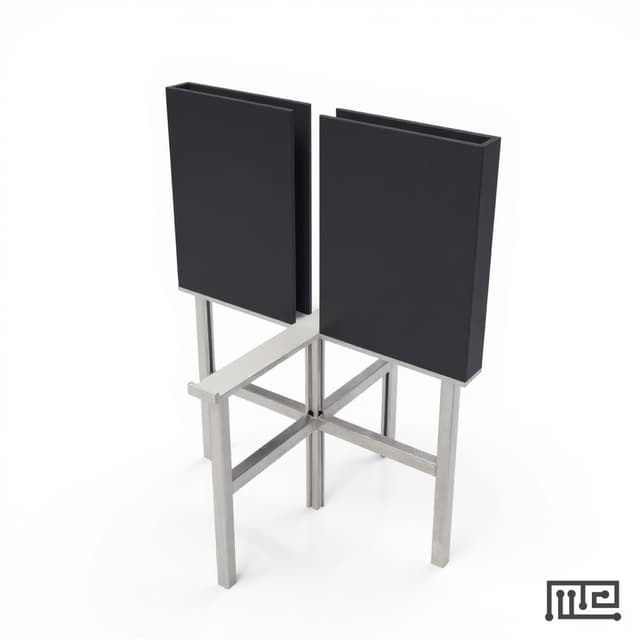
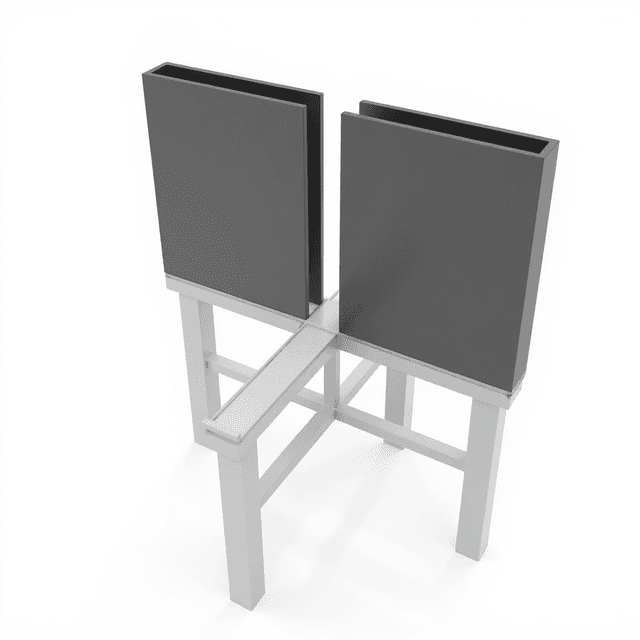
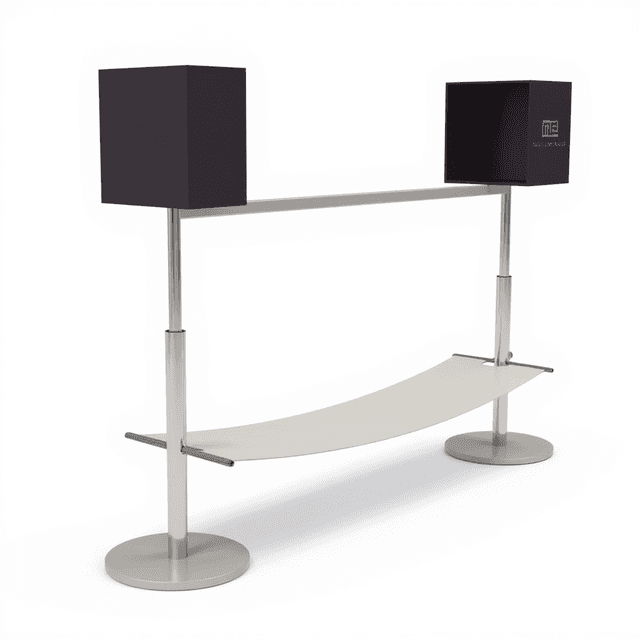
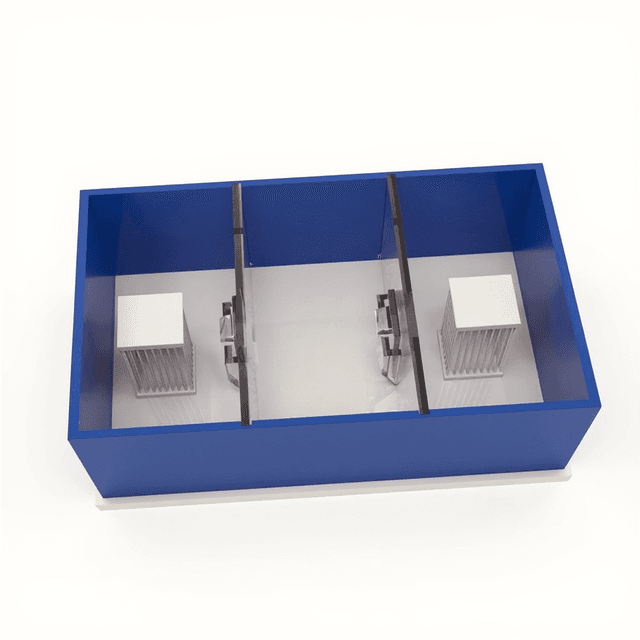
The Light Cues system is a controlled illumination apparatus designed for behavioral neuroscience research requiring precise visual stimuli. The system provides researchers with the ability to deliver standardized light signals in experimental environments, enabling studies of phototactic behavior, circadian entrainment, and visual-guided learning paradigms.
This equipment supports investigations into light-dependent behavioral responses across multiple species, with applications in circadian biology, spatial navigation research, and conditioning studies where visual cues serve as discriminative stimuli or environmental signals.
How It Works
The Light Cues system operates through controlled LED illumination sources that can be programmed to deliver specific light intensities, durations, and spectral characteristics. The system utilizes solid-state lighting technology to provide consistent photon output with minimal thermal variation, ensuring reproducible experimental conditions across testing sessions.
Light delivery is synchronized with experimental protocols through digital control interfaces, allowing precise timing of illumination onset, offset, and intensity modulation. The system can generate continuous illumination, pulsed light sequences, or gradual intensity transitions to simulate natural lighting conditions or create specific visual stimuli patterns.
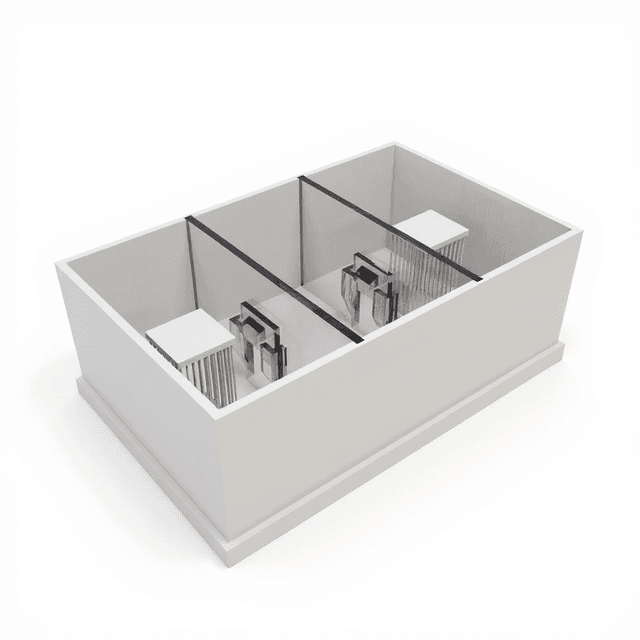
Optical characteristics are maintained through calibrated light sources that provide uniform illumination fields within the experimental chamber, minimizing spatial variation in light intensity that could confound behavioral measurements.
Features & Benefits
Behavioral Construct
- phototaxis
- circadian rhythms
- visual discrimination
- anxiety
- exploratory behavior
- spatial navigation
Automation Level
- semi-automated
Research Domain
- Aging Research
- Anxiety and Depression
- Behavioral Pharmacology
- Learning and Memory
- Motor Function
- Neuroscience
Species
- Hamster
- Mouse
- Rat
- Guinea pig
Shipping weight
- 21.0 lb
Shipping box
- L: 43.2 cm
- W: 38.0 cm
- H: 27.9 cm
| Feature | This Product | Typical Alternative | Advantage |
|---|---|---|---|
| Light Source Technology | LED-based illumination sources | Some systems use incandescent or fluorescent sources | LED technology provides stable output with minimal heat generation for temperature-sensitive behavioral studies |
| Control Interface | Digital control system | Manual switching or basic timer controls | Digital control enables precise timing protocols and integration with automated experimental systems |
| Programming Capabilities | Programmable light sequences | Fixed on/off switching in entry-level systems | Complex experimental protocols can be automated without manual intervention during testing sessions |
| System Integration | Compatible with behavioral monitoring platforms | Standalone operation without synchronization | Synchronized operation ensures accurate temporal correlation between stimuli and behavioral measurements |
The Light Cues system provides LED-based illumination with digital control capabilities for precise behavioral research applications. The programmable interface supports integration with existing laboratory automation systems for synchronized experimental protocols.
Practical Tips
Measure light intensity at multiple positions within the experimental chamber using a calibrated photometer before each study series.
Why: Spatial variation in illumination can introduce behavioral bias that confounds experimental results.
Clean light source surfaces regularly with appropriate lens cleaning materials to maintain consistent output.
Why: Dust accumulation on LED surfaces can reduce light output and alter spectral characteristics over time.
Allow LED sources to reach thermal equilibrium before beginning experimental sessions.
Why: Initial warm-up period ensures stable light output throughout the duration of behavioral testing.
Verify digital timing signals with oscilloscope when experiencing synchronization issues with other equipment.
Why: Timing discrepancies between systems can affect the accuracy of stimulus-response measurements.
Document ambient light conditions in the experimental room when using dim light cues.
Why: Background illumination can interfere with low-intensity cues and affect behavioral responses to programmed stimuli.
Use appropriate eye protection when performing direct light intensity measurements or system calibration.
Why: High-intensity light sources used for calibration can pose vision safety risks during maintenance procedures.
Record light protocol parameters and timing sequences in experimental metadata for reproducibility.
Why: Detailed stimulus documentation enables accurate replication and comparison across experimental sessions.
Setup Guide
What’s in the Box
- Light cue control unit (typical)
- LED light sources (typical)
- Power supply and cables (typical)
- Mounting hardware (typical)
- Control software (typical)
- User manual and setup guide (typical)
Warranty
ConductScience provides standard manufacturer warranty coverage with technical support for equipment troubleshooting and operational guidance.
Compliance
References
Background reading relevant to this product:
What light intensities can the system deliver for different experimental paradigms?
Consult product datasheet for specific intensity ranges. The system typically accommodates both dim circadian cues and bright discrimination stimuli suitable for various species sensitivity requirements.
How does the system integrate with existing behavioral monitoring equipment?
The digital control interface supports standard laboratory automation protocols, allowing synchronization with video tracking systems, activity monitors, and data acquisition platforms.
Can the system deliver different spectral characteristics for circadian research?
LED-based illumination allows for spectral control within the available light source specifications. Consult technical documentation for wavelength options and spectral output characteristics.
What is the temporal precision of light cue delivery?
Digital timing control provides millisecond-level precision for light onset and offset, suitable for precise behavioral conditioning protocols and circadian entrainment studies.
How uniform is the illumination field across the experimental area?
The system is designed to minimize spatial variation in light intensity. Calibration procedures should be followed to verify uniformity within specific experimental chamber configurations.
What maintenance is required to maintain consistent light output?
LED sources require minimal maintenance but should be periodically calibrated with photometry equipment to verify consistent output over extended experimental periods.
Can multiple light sources be controlled independently?
The control system typically supports multiple channel operation, allowing independent control of different light sources for complex spatial cuing paradigms.
Have a question about this product?
Have a question? Just ask.
Send it over and we'll email you a personalized answer — no call, no scheduling.
Prefer to talk it through?