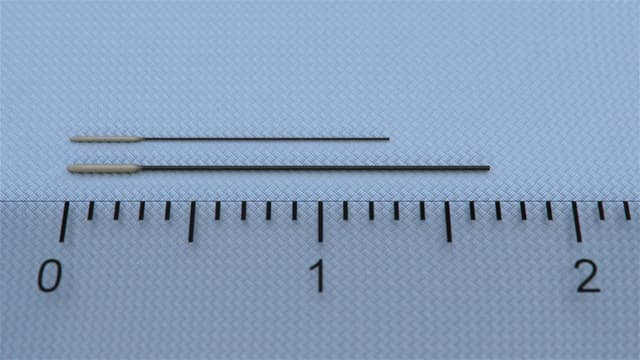
High Speed Microdrill
Precision high-speed microdrill system with adjustable RPM control and stereotaxic compatibility for controlled craniotomy procedures in small animal neuroscience research.

Louise Corscadden, PhD
Director of Science · ConductScience
Ask Louise about High Speed Microdrill fit, setup, configuration, or quote prep.
Already working with us? Sign in to connect this with My Scientist.
Key Specifications
Full details →- Model fit
- Fixed to brain stereotaxic device
- SKU family
- Assigned during quote
- Shipping box
- 31.0 x 31.0 x 16.0 cm
- Ordering
- Online checkout and quote request available
- Category
- Neuroscience Models
- Build notes
- Plexiglass
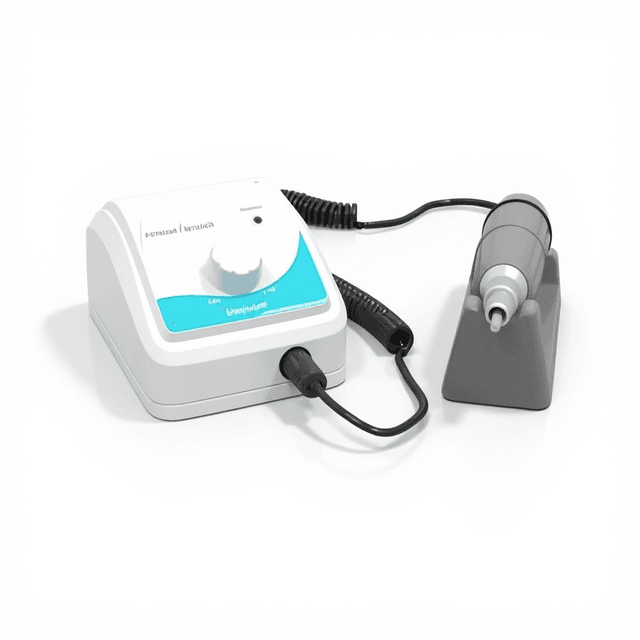
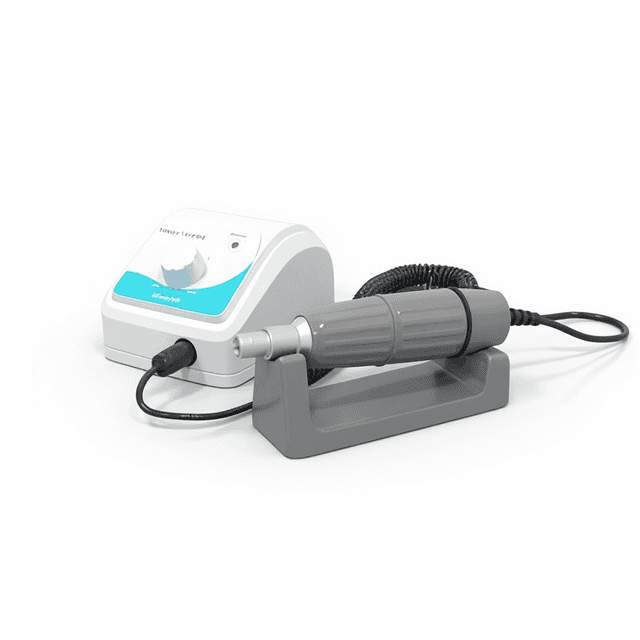
The High Speed Microdrill is a precision surgical instrument designed for controlled craniotomy procedures in small animal neuroscience research. This adjustable-speed drilling system operates from 0-35,000 RPM with bidirectional rotation capability, providing researchers with precise control over cranial access procedures in mouse, rat, cat, and rabbit models.
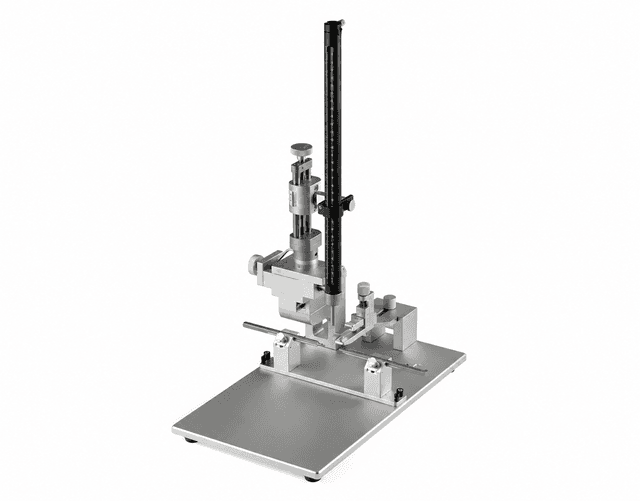
The system integrates with stereotaxic frames for accurate depth control and positioning, featuring both manual and foot pedal operation modes. The drill accommodates various bit diameters from 0.5-2.3mm and includes specialized round-head drill bits for different experimental requirements. The plexiglass construction ensures durability while maintaining visibility of the drilling site.
How It Works
The High Speed Microdrill operates through a variable-speed motor system that drives specialized drill bits at precisely controlled rotational velocities. The speed control mechanism allows continuous adjustment from 0 to 35,000 RPM, enabling researchers to match drilling parameters to specific tissue types and experimental requirements. The bidirectional rotation capability allows both clockwise and counterclockwise operation, providing flexibility for different drilling techniques and bit types.
When mounted to a stereotaxic frame, the drill's positioning system provides three-dimensional control over the drilling site. The depth control mechanism ensures consistent penetration depth, while the range of drill bit diameters (0.5-2.3mm) accommodates various craniotomy sizes. The system's pneumatic or manual control options allow for either hands-free operation via foot pedal or direct manual control, depending on the surgical approach and researcher preference.
Features & Benefits
Rotation Direction
- Clockwise and counterclockwise switchable
Control Modes
- Manual or foot pedal
Drill Bit Diameter Range
- 0.5-2.3mm selectable
Included Drill Bits
- 5 round-head drill bits with 0.6mm diameter
Bellows Length
- 1.2m
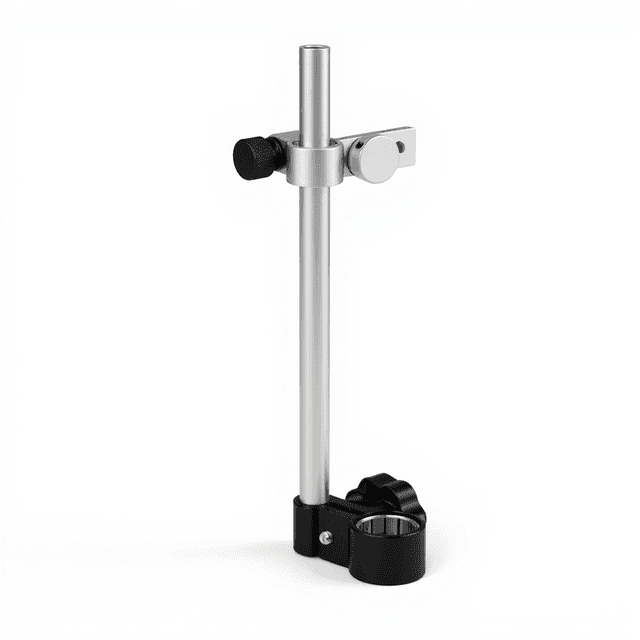
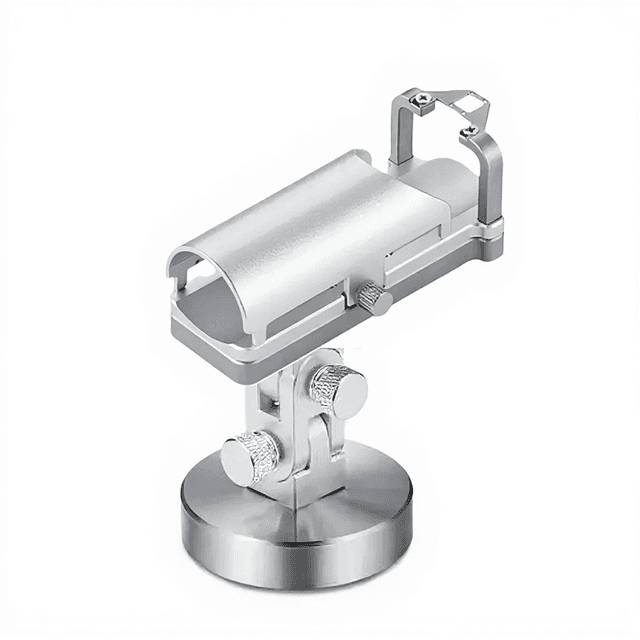
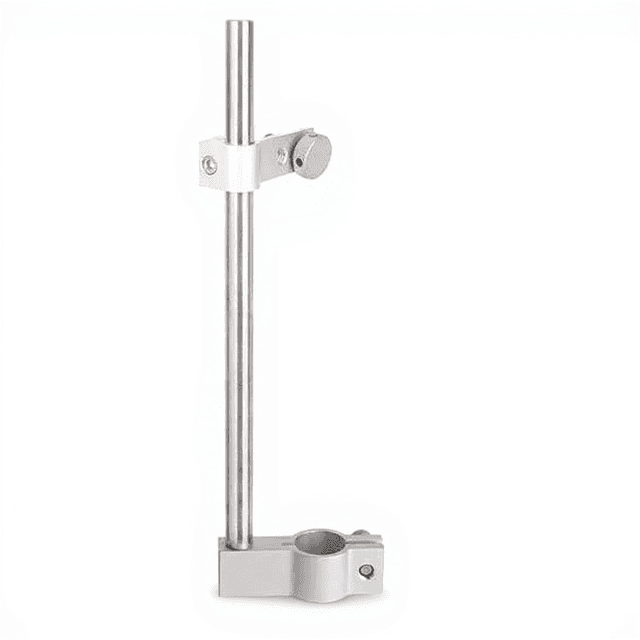
Compatible Drill Holder
- CS-DH-30-2064
Stereotaxic Compatibility
- Fixed to brain stereotaxic device
Filter Canister Model
- R510-31S
Compatible Tools
- Ball-head drill bits, flat-head drill bits, ring saws, circular saws
Automation Level
- manual
Brand
- RWD
Material
- Plexiglass
Speed/RPM
- 0-35,000rpm continuously adjustable
Species
- Cat
- Rabbit
- Mouse
- Rat
Research Domain
- Behavioral Pharmacology
- Learning and Memory
- Motor Function
- Neurodegeneration
- Neuroscience
- Pain Research
Shipping weight
- 6.61 lb
Shipping box
- L: 31.0 cm
- W: 31.0 cm
- H: 16.0 cm
| Feature | This Product | Typical Alternative | Advantage |
|---|---|---|---|
| Speed Range | 0-35,000 RPM continuously adjustable | Many basic models offer fixed speeds or limited RPM ranges | Enables optimal speed matching to different tissue types and drilling requirements throughout the procedure |
| Rotation Direction | Bidirectional (clockwise and counterclockwise) | Most entry-level drills offer single-direction rotation only | Provides operational flexibility for specialized bits and prevents binding in challenging bone types |
| Control Options | Dual mode (manual and foot pedal) | Basic models typically offer manual control only | Enables hands-free operation for complex surgical procedures requiring precise animal positioning |
| Drill Bit Compatibility | 0.5-2.3mm range with multiple tool types | Limited bit size ranges in basic systems | Accommodates diverse experimental requirements from small electrode access to large imaging windows |
| Stereotaxic Integration | Direct mounting with compatible drill holder | Many handheld systems lack stereotaxic mounting capability | Ensures precise coordinate-based targeting and consistent depth control for accurate brain region access |
This high-speed microdrill system offers comprehensive speed control, bidirectional operation, and integrated stereotaxic compatibility. The combination of precise RPM adjustment, dual control modes, and wide drill bit compatibility provides researchers with a versatile platform for various craniotomy procedures in small animal neuroscience research.
| Model | SKU | Listed price | Status | Shipping box |
|---|---|---|---|---|
| 10-Pack Replacement Bits | CS-958446-P10 | $80.00 | Available | 31.0 x 31.0 x 16.0 cm |
| 5-Pack Replacement Bits | CS-958446-P5 | $45.00 | Available | 31.0 x 31.0 x 16.0 cm |
| Motor + Handpiece | CS-DH-30-1330 | $350.00 | Available | 31.0 x 31.0 x 16.0 cm |
Practical Tips
Verify speed accuracy using a tachometer periodically, especially after extended use periods or when switching between high and low RPM applications.
Why: Motor performance can drift over time, affecting drilling precision and experimental reproducibility.
Replace drill bits before they become dull to prevent excessive heating and ensure clean hole edges.
Why: Dull bits require higher drilling forces and generate more heat, potentially damaging surrounding tissue.
Start drilling at low speeds for initial skull contact, then gradually increase RPM as the hole deepens.
Why: This approach prevents bit walking and ensures precise hole placement while reducing the risk of sudden breakthrough.
Always use protective eyewear and ensure proper ventilation when drilling to manage bone dust and debris.
Why: Bone particles can cause eye irritation and respiratory issues during extended drilling procedures.
If the drill bit binds during operation, reverse rotation direction briefly to clear the obstruction before continuing.
Why: Binding can damage the bit or motor if force is applied without clearing the obstruction first.
Document drilling parameters (speed, depth, bit diameter) for each procedure to ensure experimental reproducibility.
Why: Consistent drilling parameters are essential for comparing results across animals and experimental sessions.
Use intermittent drilling with brief pauses to prevent overheating of the drill bit and surrounding tissue.
Why: Continuous high-speed drilling generates heat that can damage neural tissue and affect experimental outcomes.
Setup Guide
What’s in the Box
- High Speed Microdrill main unit
- 5 round-head drill bits (0.6mm diameter)
- Control cable with foot pedal
- Mounting hardware for stereotaxic integration
- Power supply and cables
- User manual with drilling protocols (typical)
- Maintenance tools and spare parts kit (typical)
Warranty
ConductScience provides a standard 1-year manufacturer warranty covering defects in materials and workmanship, with comprehensive technical support for setup, calibration, and operational guidance.
Compliance
References
Background reading relevant to this product:
What drilling speeds are optimal for different tissue types during craniotomy procedures?
Lower speeds (1000-5000 RPM) are recommended for initial skull contact and delicate areas, while higher speeds (15000-30000 RPM) are suitable for rapid bone removal in thicker skull regions. The continuously adjustable control allows real-time speed optimization based on drilling resistance and tissue response.
How does the stereotaxic integration ensure accurate targeting of brain coordinates?
The drill mounts directly to standard stereotaxic frames through the compatible drill holder, maintaining the precise coordinate system alignment. The integrated depth control prevents over-penetration while the stable mounting eliminates positional drift during drilling procedures.
What maintenance procedures are required for consistent drilling performance?
Regular drill bit inspection and replacement is essential, along with periodic cleaning of the motor housing and moving parts. The filter canister (R510-31S) should be replaced according to usage frequency, and the rotation mechanism requires occasional lubrication to maintain smooth operation.
Can the system accommodate different experimental approaches requiring various hole sizes?
Yes, the selectable drill bit diameter range of 0.5-2.3mm covers most neuroscience applications from small electrode access holes to larger imaging windows. The system also accepts ball-head drill bits, flat-head drill bits, ring saws, and circular saws for specialized applications.
What are the advantages of bidirectional rotation capability in craniotomy procedures?
Counterclockwise rotation can help prevent bit binding in certain bone types and allows use of specialized left-handed cutting tools. The bidirectional feature also enables backing out of partial holes without bit damage and supports specific drilling techniques that require rotation reversal.
How does the foot pedal control compare to manual operation for surgical procedures?
Foot pedal control provides hands-free operation allowing both hands to remain available for animal positioning and surgical assistance. Manual control offers more direct tactile feedback and precise speed modulation, making it preferable for delicate procedures requiring frequent speed adjustments.
Are drill bits included with the microdrill?
Yes. A pack of 0.5 mm round drill bits is included with every microdrill as standard.
Is the stereotaxic drill holder included?
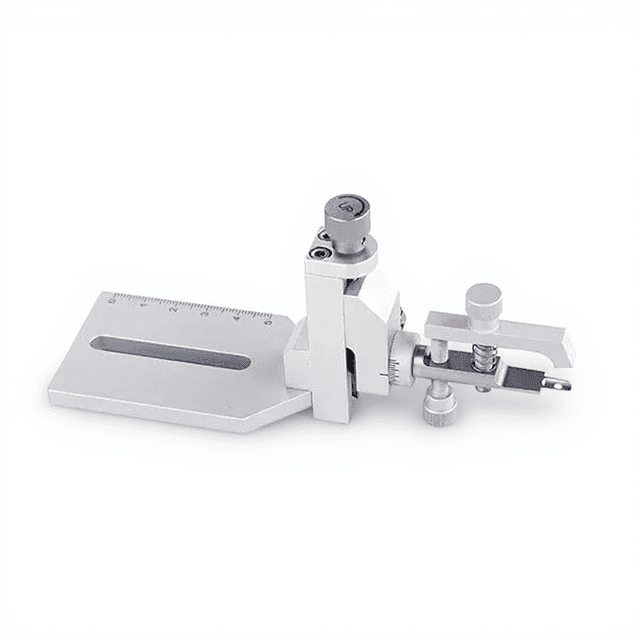
No. The drill holder for mounting the microdrill in a stereotaxic frame is a separate accessory, available as the Stereotaxic Microdrill Holder.
Have a question about this product?
Have a question? Just ask.
Send it over and we'll email you a personalized answer — no call, no scheduling.
Prefer to talk it through?
Accessories
Enhance your setup with compatible accessories
Frequently Bought Together
Upgrade Options