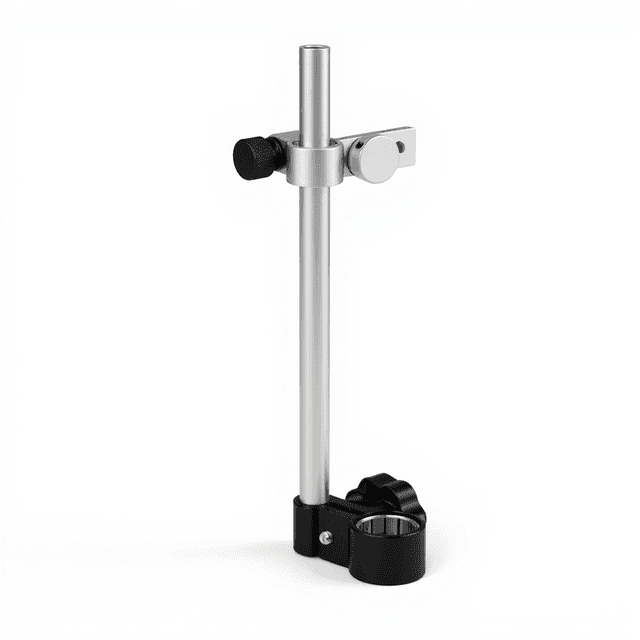
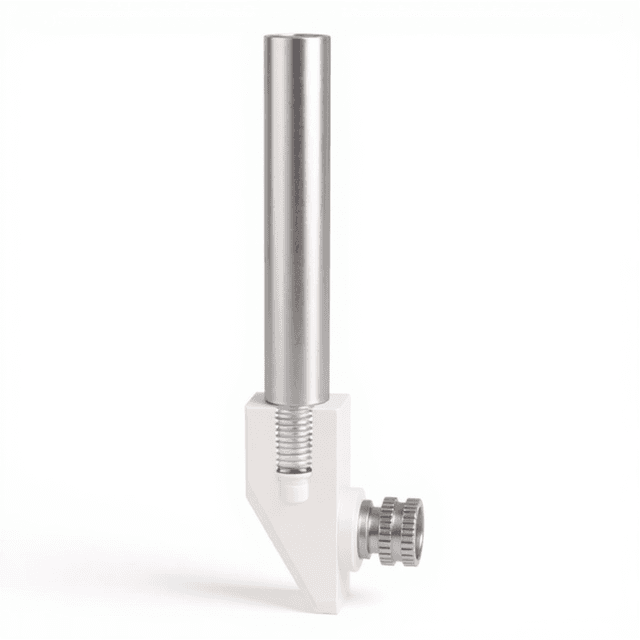
Ear Bar
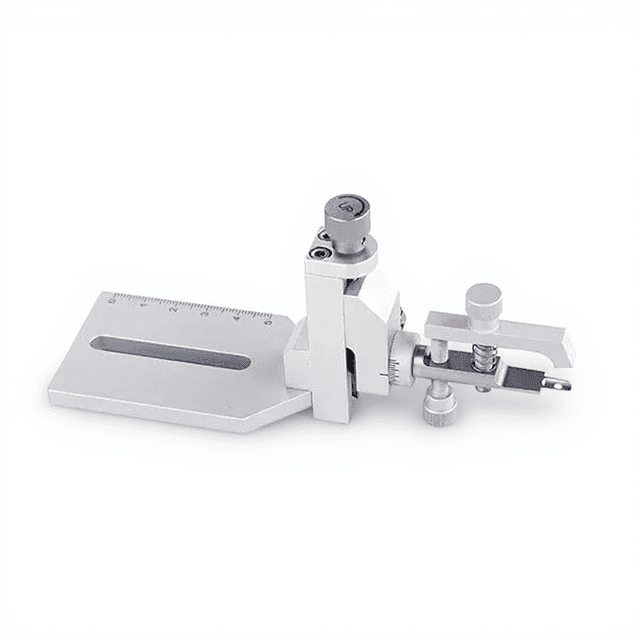
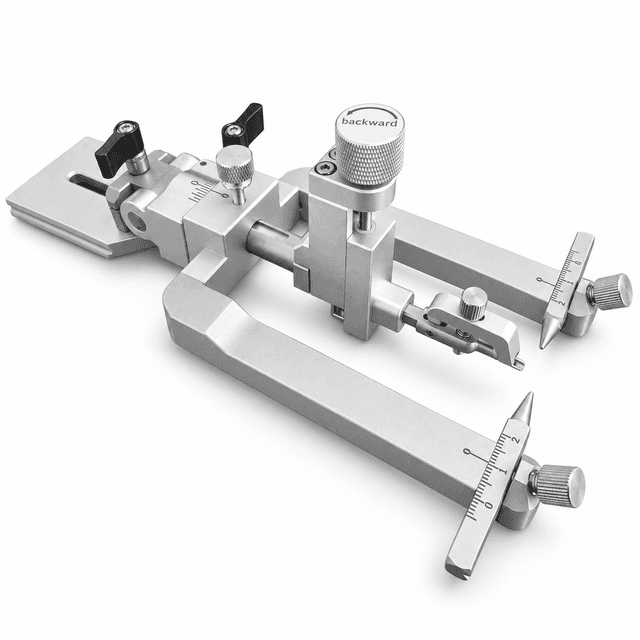
RWD ear bars with the scale of 35mm, 1mm resolution, square 6.15mm. applied for mouse, rat, cat, monkey, and other animals.

Louise Corscadden, PhD
Director of Science · ConductScience
Ask Louise about Ear Bar fit, setup, configuration, or quote prep.
Already working with us? Sign in to connect this with My Scientist.
Key Specifications
Full details →- Model fit
- Mouse, Rat
- SKU family
- RWD-68301/ 68302/ 68305/ 68306/ 68307/ 68308/ 68313
- Shipping box
- 34.0 x 39.0 x 33.0 cm
- Ordering
- Online checkout and quote request available
- Category
- Stereotaxic Accessories
- Build notes
- Confirm accessories, station layout, and support needs before purchase
Specifications
|
SKU |
Species |
Tip/angle |
Description |
|---|---|---|---|
|
RWD-68301 |
Rat |
18° |
The rat 18° ear bar, with a tip radius of 0.8mm, is easy to enter the rat eat canal and convenient for fixation of the skull. |
|
RWD-68302 |
Rat |
45° |
The rat bar has a 45° angle and a tip radius of 0.8mm, which is less prone to injury. |
|
RWD-68305 |
Rat |
45° Hollow |
The hollow 45° ear bar for rats is used for auditory experiments. The sound stimulation signal is transmitted to the animal from the end of the ear bar through the small hole in the middle of the ear bar. It will not damage the animal's eardrum when fixed. The front end aperture is 1.0mm, the rear end aperture is 3.00mm, and the front end angle is 45 degrees. |
|
RWD-68306 |
Mouse |
60° Non rupture |
The ear bar es designed for mice because the mouse skull is thin and easily squeezed and injured. The tip has 60°blunt angle. |
|
RWD-68307 |
Mouse/Neonatal Rats |
Non-Rupture -Cuff type |
The ear bar adopts hollow teeth, which does not go deep into the mouse ear canal. It contacts a large area of the animal's head, will not puncture the mouse's skull to cause damage, and can clamp the animal's head relatively stably. |
|
RWD-68308 |
Mouse/Neonatal Rats |
Non rupture Rubber type |
An O-ring is used as the contact surface for fixing the mouse, which ensures that the head is fixed while avoiding damage to the animal's skull. |
|
RWD-68313 |
Mouse |
45° for Mouse adaptor RWD-68030 |
Includes two tips of 45°and rubber, the cross-sectional size od the ear bars is 5x5mm. |
How It Works
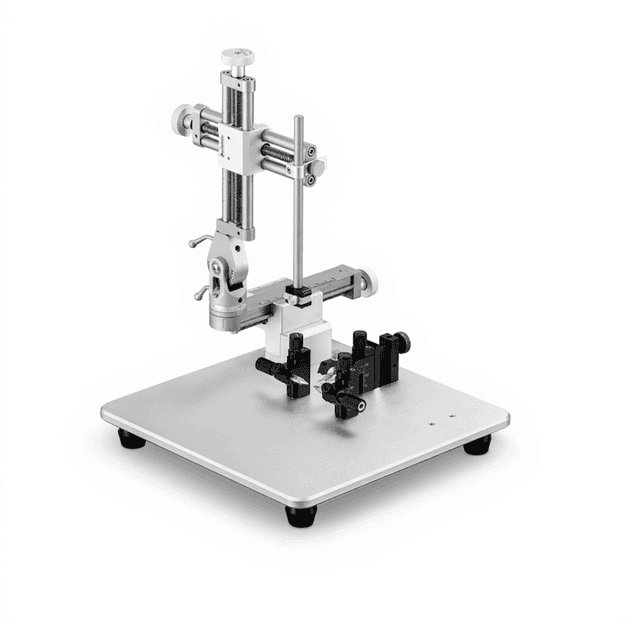
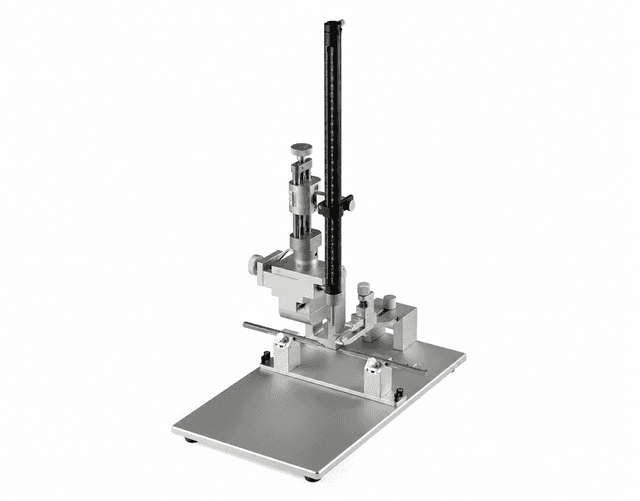
Stereotaxic ear bars function as bilateral anchor points that insert into the external auditory meatus to establish a stable reference frame for coordinate-based brain targeting. The ear bar tips engage the cartilaginous ear canal at precise angles optimized for each species' anatomy, while the incisor bar provides anterior stabilization. This three-point fixation system immobilizes the skull in a reproducible position relative to the stereotaxic coordinate system.
Different tip configurations address specific experimental needs and anatomical constraints. Standard angled tips (18° and 45°) provide secure mechanical engagement for routine procedures. Hollow ear bars incorporate internal channels that permit delivery of auditory stimuli directly to the ear canal during experiments requiring simultaneous sensory input and stereotaxic manipulation. Non-rupture designs feature blunted tips or enlarged contact surfaces that distribute forces across larger areas, preventing tissue damage in smaller subjects.
The ear bar assembly integrates with stereotaxic frames through precision mounting hardware that maintains micrometer-level positioning accuracy. Proper selection of tip angle and configuration ensures optimal stability while minimizing tissue trauma and maintaining physiological conditions throughout extended surgical procedures.
Features & Benefits
Tip Angle Options
- 18º, 45º, 45º Hollow, 60º Non-Rupture, Non-Rupture Cuff type, Non-Rupture Rubber type, 45º for adaptor
Behavioral Construct
- Spatial Navigation
- Fear Conditioning
- Motor Coordination
- Cognitive Function
- Sensory Processing
- Pain Sensitivity
Automation Level
- manual
Species
- Mouse
- Rat
Brand
- RWD
Research Domain
- Addiction Research
- Anxiety and Depression
- Behavioral Pharmacology
- Learning and Memory
- Motor Function
- Neurodegeneration
- Neuroscience
- Pain Research
Shipping weight
- 8.27 lb
Shipping box
- L: 34.0 cm
- W: 39.0 cm
- H: 33.0 cm
| Feature | This Product | Typical Alternative | Advantage |
|---|---|---|---|
| Species-specific optimization | Seven distinct configurations for rat and mouse anatomy with species-optimized tip angles | Universal designs attempt one-size-fits-all approach with limited species optimization | Proper anatomical fit reduces tissue trauma and improves fixation stability for more reliable coordinate targeting. |
| Auditory stimulus integration | Hollow 45° design with graduated apertures (1.0mm to 3.0mm) for simultaneous sound delivery | Separate audio delivery systems require additional equipment and positioning complexity | Integrated audio capability streamlines auditory research protocols without compromising stereotaxic accuracy. |
| Non-rupture safety options | Multiple non-rupture designs including cuff-type and rubber O-ring variants | Standard pointed tips may pose injury risk to delicate subjects | Enables safe stereotaxic procedures in mice and neonatal subjects without skull damage concerns. |
| Tip geometry precision | Controlled 0.8mm tip radius and precise angle specifications | Variable manufacturing tolerances affect positioning reproducibility | Consistent dimensions ensure reproducible fixation and coordinate accuracy across experimental sessions. |
This ear bar system provides comprehensive species-specific optimization with unique hollow and non-rupture configurations not commonly available in standard offerings. The precision manufacturing and specialized designs address both routine stereotaxic applications and specialized requirements for auditory research and delicate subject handling.
| Model | SKU | Listed price | Status | Shipping box |
|---|---|---|---|---|
| 45º for adaptor | RWD-68313 | $199.00 | Available | 34.0 x 39.0 x 33.0 cm |
| Non-Rupture Rubber type | RWD-68308 | $199.00 | Available | 34.0 x 39.0 x 33.0 cm |
| Non-Rupture Cuff type | RWD-68307 | $199.00 | Available | 34.0 x 39.0 x 33.0 cm |
| 60º Non-Rupture | RWD-68306 | $199.00 | Available | 34.0 x 39.0 x 33.0 cm |
| 45º Hollow | RWD-68305 | $549.00 | Available | 34.0 x 39.0 x 33.0 cm |
| 45º | RWD-68302 | $199.00 | Available | 34.0 x 39.0 x 33.0 cm |
| 18º | RWD-68301 | $199.00 | Available | 34.0 x 39.0 x 33.0 cm |
Practical Tips
Select ear bar configuration based on subject age and skull thickness rather than just species, as neonatal subjects require non-rupture designs regardless of species.
Why: Prevents tissue damage and improves experimental success rates in young or delicate subjects.
Verify coordinate accuracy by measuring distances between anatomical landmarks before each surgical session when switching between ear bar configurations.
Why: Different tip geometries may slightly alter head positioning relative to stereotaxic coordinates.
Inspect ear bar tips under magnification regularly for wear, nicks, or dimensional changes that could affect positioning accuracy.
Why: Damaged tips compromise both fixation stability and coordinate precision, leading to targeting errors.
Use minimal insertion force and monitor for resistance when positioning ear bars to avoid tissue damage or skull fracture.
Why: Excessive force can cause injury and compromise experimental conditions, particularly in smaller subjects.
If ear bar insertion meets unexpected resistance, verify proper anesthesia depth and ear canal alignment rather than increasing insertion force.
Why: Resistance typically indicates anatomical misalignment or inadequate anesthesia rather than need for greater force.
Document ear bar model and positioning parameters in surgical records to enable coordinate system verification for chronic experiments.
Why: Consistent documentation enables accurate coordinate referencing across multiple surgical sessions.
For auditory experiments using hollow ear bars, calibrate sound pressure levels at the ear bar tip rather than at the sound source.
Why: Acoustic transmission through the hollow channel affects delivery characteristics and requires tip-referenced calibration.
Clean hollow ear bars with appropriate solvents to prevent acoustic channel blockage that could affect sound transmission quality.
Why: Blocked channels compromise auditory stimulus delivery and experimental reproducibility.
Setup Guide
What’s in the Box
- Ear bar component (model-specific configuration)
- Mounting hardware for stereotaxic frame integration (typical)
- Technical specification documentation (typical)
Warranty
ConductScience provides a standard one-year manufacturer warranty covering defects in materials and workmanship, with technical support available for proper selection and installation guidance.
Compliance
References
Background reading relevant to this product:
How do I select the appropriate ear bar configuration for my experimental subjects?
Selection depends on species, age, and experimental requirements. Use 18° or 45° solid tips for standard rat procedures, 60° non-rupture for adult mice, cuff-type or rubber variants for neonatal subjects, and hollow configuration when simultaneous auditory stimulation is required.
What precautions prevent tissue damage during ear bar insertion?
Use gentle insertion pressure, select appropriate tip geometry for subject size, ensure proper anesthesia depth, and choose non-rupture designs for delicate subjects. Monitor insertion depth and avoid excessive force that could damage ear canal structures.
Can hollow ear bars maintain the same positioning accuracy as solid variants?
Yes, hollow ear bars provide equivalent positioning stability while enabling auditory stimulus delivery. The internal channel does not compromise mechanical fixation properties when properly inserted with appropriate tip engagement.
How do I verify proper ear bar positioning before beginning surgery?
Confirm bilateral insertion depth is equal, check that head position allows clear access to surgical site, verify incisor bar engagement, and test coordinate accuracy by locating standard landmarks like bregma relative to stereotaxic zero point.
Are these ear bars compatible with different stereotaxic frame manufacturers?
Standard mounting interfaces are typically compatible across major stereotaxic systems, but verify dimensional compatibility with your specific frame model. Consult product datasheet for mounting specifications and adapter requirements if needed.
What maintenance is required for long-term ear bar performance?
Clean thoroughly between uses with appropriate disinfectant, inspect tips for wear or damage that could affect positioning accuracy, and replace if dimensional tolerances are compromised. Store in protective containers to prevent tip damage.
How do hollow ear bars affect auditory stimulus delivery parameters?
The graduated aperture design (1.0mm to 3.0mm) provides controlled acoustic coupling to the ear canal. Calibrate sound pressure levels at the ear bar tip rather than speaker output to account for transmission characteristics through the internal channel.
Have a question about this product?
Have a question? Just ask.
Send it over and we'll email you a personalized answer — no call, no scheduling.
Prefer to talk it through?
Accessories
Enhance your setup with compatible accessories