Automated Stereotaxic Instrument for GRIN Lens Implantation
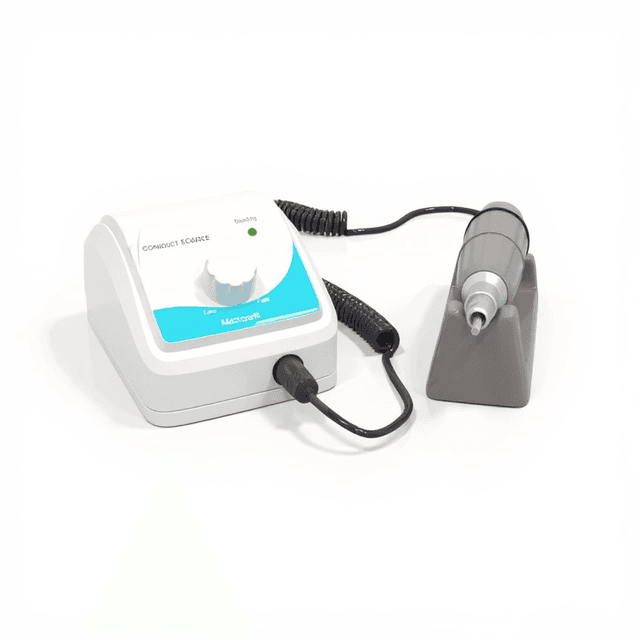
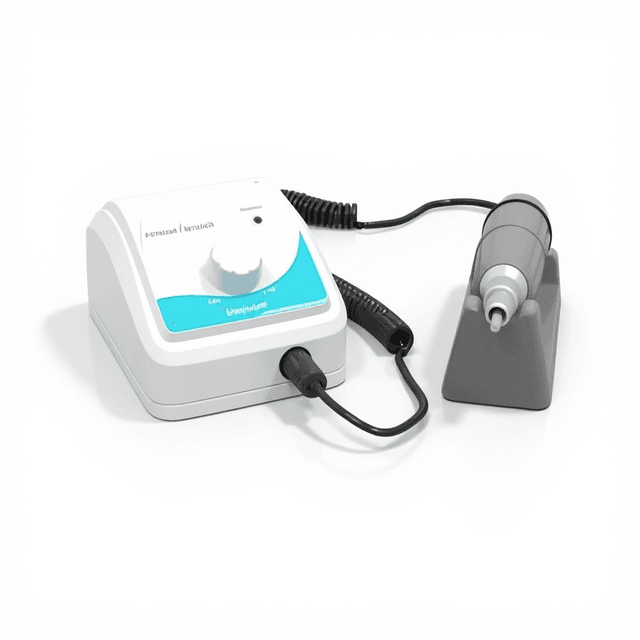
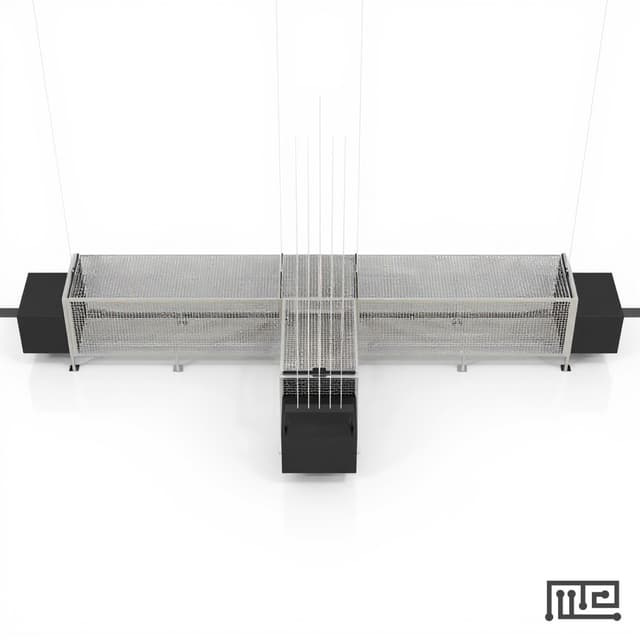
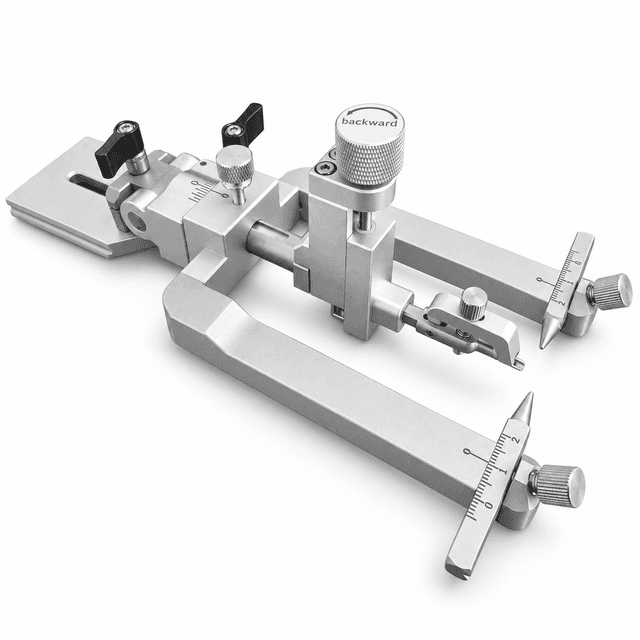
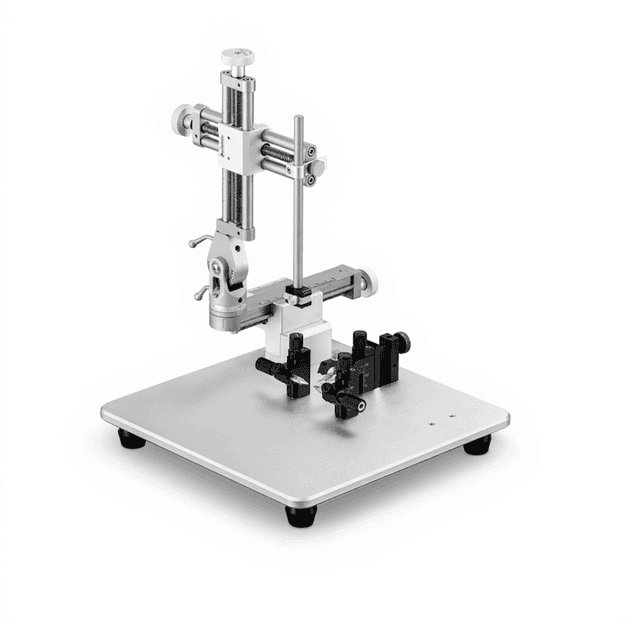
ConductScience’s Automatic Lens Implantation Locator is a precision instrument used for Grin Lens implantation surgery in deep-brain calcium imaging experiments.
The instrument accurately controls the stepper motor through computer software, and then drives the locator operating arm to move, combined with the vacuum pump automatic precision Remove the brain tissue to better implant the lens. The experiment greatly reduced the damage caused by traditional manual operations to the animal brain, thereby improving the quality of neuronal imaging and the success rate of the experiment.

Louise Corscadden, PhD
Director of Science · ConductScience
Ask Louise about Automated Stereotaxic Instrument for GRIN Lens Implantation fit, setup, configuration, or quote prep.
Already working with us? Sign in to connect this with My Scientist.
Key Specifications
Full details →- Model fit
- Mouse, Rat
- SKU family
- RWD-67001/ 67001M
- Shipping box
- 34.0 x 39.0 x 33.0 cm
- Ordering
- Online checkout and quote request available
- Category
- Stereotaxic Complete Systems
- Build notes
- Confirm accessories, station layout, and support needs before purchase
Features
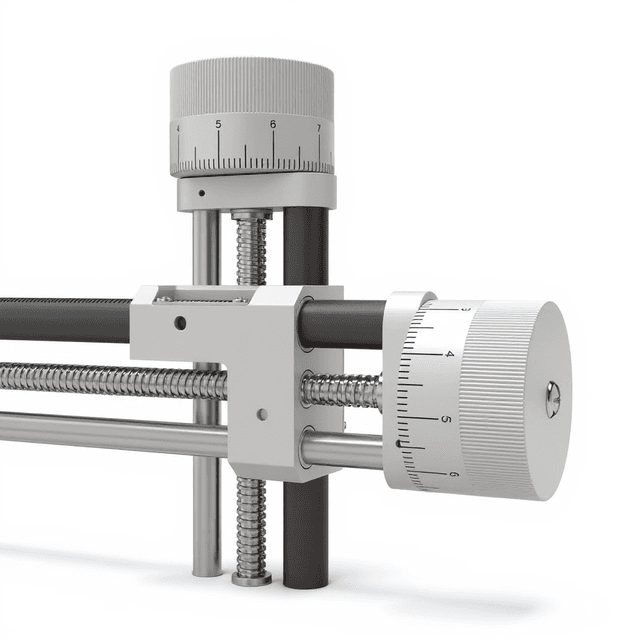
- Choose a high-precision stepper motor drive, resolution 1μm, running accuracy up to 10μm
- The output torque of the motor is large, which can drive other accessories attached to the locator
- Save time, set the target position to move independently
- Automatic record, display position parameters, reduce human error
- The computer interface can display the trajectory and position of the probe in real-time
- Can accurately control the depth of entry
- Support four types of needle tubes: 30G, 29G, 28G, 27G
- The depth, order, and repetition times of tissue extraction can be set through software
- Bregma point can be set with one click;
Parameters
|
Parameter item |
Specification |
| Needle tip motion accuracy | 10μm |
| Vacuum pump limit pressure | ≥0.095MPa |
| Vacuum pump operation noise | ≤60dB |
| Pumping speed | 30L/Min |
| Motor torque | 30kg.cm |
| X, Y, Z operating arm stroke | 0-80mm |
How It Works
The system operates through computer-controlled stepper motors that provide precise three-dimensional positioning along X, Y, and Z axes. Each motor delivers 1μm resolution with 10μm overall positioning accuracy, driven by high-torque motors (30kg.cm) capable of supporting attached surgical accessories.
Integrated software calculates stereotaxic coordinates relative to anatomical landmarks such as bregma, automatically recording position parameters to minimize operator error. Real-time trajectory visualization allows monitoring of probe advancement during procedures.
The vacuum system operates at ≥0.095MPa pressure with 30L/min flow rate to assist with tissue extraction protocols. Software-controlled depth settings and repetition parameters enable standardized surgical procedures across multiple subjects.
Features & Benefits
Needle Tip Motion Accuracy
- 10μm
Vacuum Pump Limit Pressure
- ≥0.095MPa
Vacuum Pump Operation Noise
- ≤60dB
Pumping Speed
- 30L/Min
Motor Torque
- 30kg.cm
X Y Z Operating Arm Stroke
- 0-80mm
Running Accuracy
- 10μm
Supported Needle Tube Types
- ['30G', '29G', '28G', '27G']
Automation Level
- fully-automated
Accuracy
- 10μm
- 1μm
Brand
- RWD
Research Domain
- Behavioral Pharmacology
- Learning and Memory
- Motor Function
- Neurodegeneration
- Neuroscience
- Pain Research
Shipping weight
- 8.27 lb
Shipping box
- L: 34.0 cm
- W: 39.0 cm
- H: 33.0 cm
| Feature | This Product | Typical Alternative | Advantage |
|---|---|---|---|
| Positioning Resolution | 1μm stepper motor resolution | Manual micromanipulators often provide 10-25μm resolution | Higher resolution enables more precise targeting of small anatomical structures |
| Motion Accuracy | 10μm needle tip accuracy | Manual systems typically achieve 25-50μm accuracy | Tighter tolerance specifications support reproducible coordinate placement |
| Motor Torque | 30kg.cm torque capacity | Entry-level automated systems often provide lower torque ratings | Supports heavier surgical accessories without position drift |
| Needle Compatibility | Four gauge options (30G-27G) | Basic systems may accommodate fewer needle sizes | Versatility for different injection volumes and experimental protocols |
| Integrated Vacuum | ≥0.095MPa pressure with programmable protocols | Most positioning systems require separate vacuum equipment | Streamlines tissue extraction workflows with coordinated positioning and suction |
| Software Integration | Real-time trajectory display and coordinate recording | Manual systems rely on operator recording and visualization | Reduces transcription errors and provides procedural documentation |
This system provides computer-controlled positioning with integrated vacuum capabilities and comprehensive software features. The combination of high-resolution motors, multi-gauge needle compatibility, and automated coordinate recording addresses workflow requirements for precise stereotaxic procedures.
| Model | SKU | Listed price | Status | Shipping box |
|---|---|---|---|---|
| Rat | RWD-67001M | $13,290.00 | Available | 34.0 x 39.0 x 33.0 cm |
| Mouse | RWD-67001 | $13,290.00 | Available | 34.0 x 39.0 x 33.0 cm |
Practical Tips
Verify positioning accuracy using known reference points before each experimental session.
Why: Confirms system maintains 10μm accuracy specification throughout use.
Clean needle holders and vacuum lines between subjects to prevent cross-contamination.
Why: Maintains sterile conditions and prevents blockages that could affect positioning accuracy.
Allow stepper motors to reach operating temperature before precision positioning procedures.
Why: Thermal stability helps maintain consistent 1μm resolution performance.
Check vacuum pressure readings if tissue extraction protocols fail to perform as expected.
Why: Insufficient pressure below 0.095MPa specification may indicate line blockages or pump issues.
Document all coordinate parameters automatically recorded by the software for protocol validation.
Why: Enables reproducibility verification and troubleshooting of positioning inconsistencies.
Verify needle tube securement before beginning automated positioning sequences.
Why: Prevents needle displacement during high-torque motor operation that could affect targeting accuracy.
Use the one-click bregma calibration feature to establish consistent reference points across subjects.
Why: Standardizes coordinate system alignment for improved inter-subject reproducibility.
Setup Guide
What’s in the Box
- Automated stereotaxic frame with stepper motor assembly
- Computer interface and control software
- Vacuum pump system with tubing
- Needle holders for 30G, 29G, 28G, 27G tubes (typical)
- Calibration tools and verification standards (typical)
- User manual and software documentation (typical)
- Power supply and connection cables (typical)
Warranty
ConductScience provides standard one-year manufacturer warranty covering mechanical components and software support. Technical assistance includes calibration guidance and troubleshooting for optimal positioning accuracy.
Compliance
What positioning accuracy can I expect for deep brain structure targeting?
The system provides 10μm needle tip motion accuracy with 1μm stepper motor resolution, suitable for precise targeting of small anatomical structures in mouse and rat brains.
Which needle gauges are compatible with this system?
The instrument supports 30G, 29G, 28G, and 27G needle tubes, allowing selection based on injection volume and tissue penetration requirements.
How does the vacuum system assist with tissue extraction protocols?
The integrated vacuum provides ≥0.095MPa pressure with 30L/min flow rate, with software-controlled depth and repetition settings for standardized extraction procedures.
Can the system handle heavy surgical accessories?
Yes, the 30kg.cm motor torque specification supports attachment of substantial surgical equipment without compromising positioning accuracy.
What coordinate systems does the software support?
The software includes one-click bregma calibration and supports standard stereotaxic coordinate systems for both mouse and rat anatomical atlases.
How is positioning accuracy maintained during procedures?
Real-time trajectory display and automated coordinate recording minimize operator variability, while the high-torque motors maintain position stability under load.
Have a question about this product?
Have a question? Just ask.
Send it over and we'll email you a personalized answer — no call, no scheduling.
Prefer to talk it through?