Ear Bars Pack
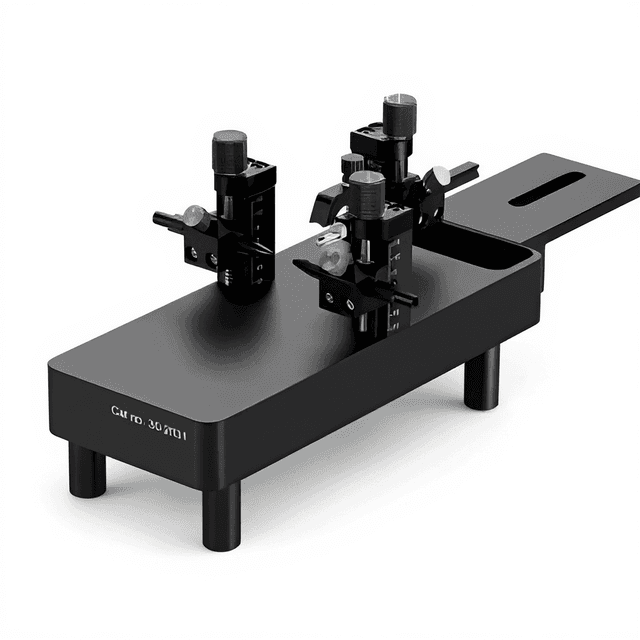
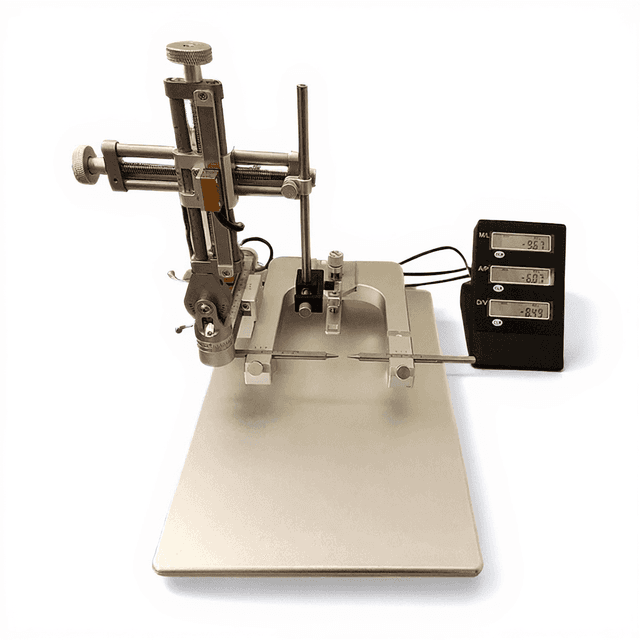
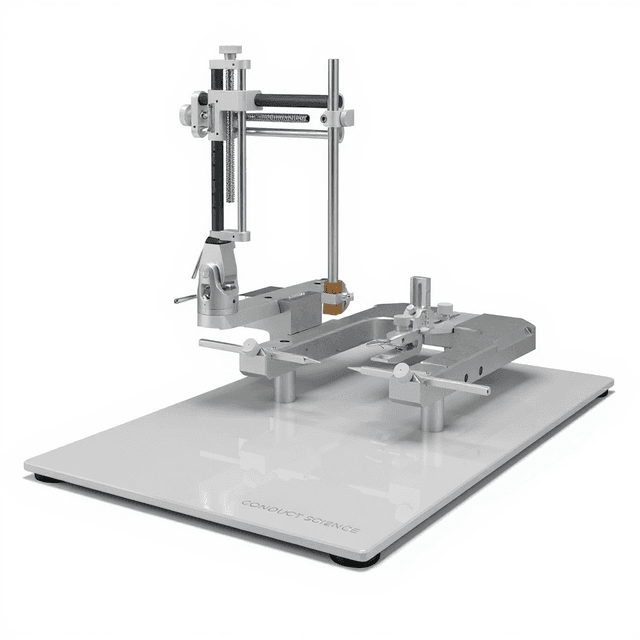
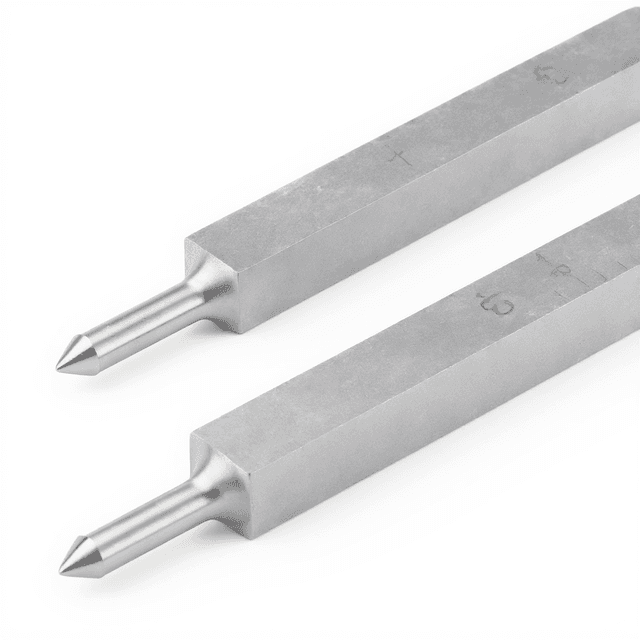
RWD ear bars with the scale of 35mm, 1mm resolution, square 6.15mm.. applied for mouse, rat, cat, monkey, and other animals.

Louise Corscadden, PhD
Director of Science · ConductScience
Ask Louise about Ear Bars Pack fit, setup, configuration, or quote prep.
Already working with us? Sign in to connect this with My Scientist.
Key Specifications
Full details →- Model fit
- Cat, Monkey, Mouse, Rat
- SKU family
- RWD-EBP-01
- Shipping box
- 34.0 x 39.0 x 33.0 cm
- Ordering
- Online checkout and quote request available
- Category
- Stereotaxic Accessories
- Build notes
- Confirm accessories, station layout, and support needs before purchase
Stereotaxic Ear Bar Package
| SKU | Product Description | Unity |
| RWD-68301 | 18°Ear Bars for Rat, One pair | Pcs |
| RWD-68302 | 45°Ear Bars for Rat, One pair | Pcs |
| RWD-68303 | 18°Ear Bars for Cat/Monkey, one pair | Pcs |
| RWD-68304 | 45°Ear Bars for Cat/Monkey, one pair | Pcs |
| RWD-68305 | 45°Hollow Ear Bars for Rat, 1.5mm Hole, one pair | Pcs |
| RWD-68306 | 60°Non-rupture Ear Bars for Mouse, one pair | Pcs |
| RWD-68307 | Non-rupture Ear Bars for Mouse, Cuff type, one pair | Pcs |
| RWD-68308 | Non-rupture Ear Bars for Mouse, Rubber type, one pair | Pcs |
| RWD-68313 | 45°Ear Bars For Mouse Adaptor | Pcs |
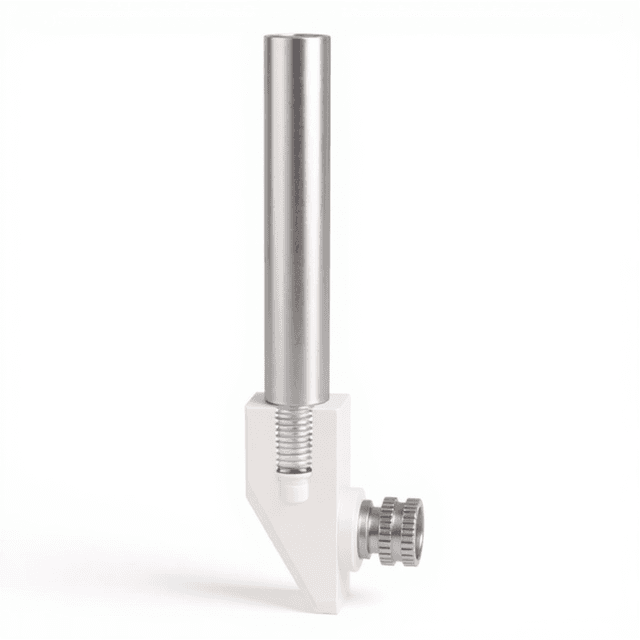
| RWD-68314 | Ear Bars, Height adjustable |
Pcs |
How It Works
Stereotaxic ear bars function by inserting into the external auditory meatus to establish a fixed reference point for three-dimensional coordinate positioning. The ear bar angle determines the plane of skull orientation relative to the stereotaxic frame, with different angles optimizing access to specific brain regions based on established atlas coordinates.
Non-rupture designs utilize soft materials or specialized geometries to distribute pressure across the ear canal without perforating the tympanic membrane, essential for studies requiring intact auditory function. Hollow ear bars maintain a 1.5mm central channel, allowing sound transmission or fluid delivery while preserving positional stability. The height-adjustable configuration accommodates anatomical variation through mechanical adjustment rather than requiring multiple fixed-angle options.
Each ear bar integrates with standard stereotaxic frame mounting systems through precision-machined interfaces, ensuring repeatable positioning accuracy within 0.1mm tolerances typical of research-grade stereotaxic equipment.
Features & Benefits
Ear Bar Angles
- ['18°', '45°', '60°']
Hollow Ear Bar Hole Size
- 1.5mm
Ear Bar Types
- ['Standard', 'Hollow', 'Non-rupture', 'Cuff type', 'Rubber type', 'Height adjustable']
Package Contents
- One pair per item (except height adjustable which is single piece)
Automation Level
- manual
Species
- Cat
- Monkey
- Mouse
- Rat
Brand
- RWD
Research Domain
- Behavioral Pharmacology
- Learning and Memory
- Motor Function
- Neurodegeneration
- Neuroscience
- Pain Research
Shipping weight
- 8.27 lb
Shipping box
- L: 34.0 cm
- W: 39.0 cm
- H: 33.0 cm
| Feature | This Product | Typical Alternative | Advantage |
|---|---|---|---|
| Configuration Variety | 10 specialized configurations including hollow, non-rupture, and adjustable designs | Basic packages often provide 2-3 standard angle options | Supports diverse experimental protocols without requiring additional component sourcing or custom fabrication. |
| Species Coverage | Optimized sizing for mouse, rat, cat, and monkey | Many packages focus on single species or require separate rodent/primate versions | Enables multi-species studies within a single laboratory using standardized positioning approaches. |
| Specialized Designs | Includes hollow (1.5mm channel) and multiple non-rupture variants | Standard solid ear bars without auditory access or tissue-protective features | Preserves hearing function and reduces tissue trauma, essential for longitudinal studies and welfare compliance. |
| Angle Options | 18°, 45°, and 60° configurations for different atlas systems | Limited to one or two standard angles | Optimizes skull orientation for diverse brain regions and coordinate systems without compromising targeting accuracy. |
| Adjustability Features | Height-adjustable option accommodates anatomical variation | Fixed-dimension designs require multiple sizes | Reduces inventory requirements while maintaining positioning flexibility for varied animal populations. |
This comprehensive ear bar package provides specialized configurations addressing diverse stereotaxic requirements through hollow designs for auditory access, non-rupture options for tissue protection, and adjustable features for anatomical accommodation. The multi-species coverage and complete angle range eliminate the need for separate procurement across different experimental protocols.
Practical Tips
Select ear bar angle based on your stereotaxic atlas recommendations and target brain coordinates rather than arbitrary preferences.
Why: Proper angle selection optimizes coordinate accuracy and reduces targeting errors across experimental sessions.
Use gentle, consistent pressure when inserting ear bars to avoid tympanic membrane rupture, particularly in mouse procedures.
Why: Excessive force can cause hearing damage and compromise animal welfare requirements and experimental validity.
Inspect ear bars for mechanical wear or deformation after every 20-25 uses, particularly at the insertion tips.
Why: Worn components can compromise positioning accuracy and introduce coordinate errors in sensitive neuroanatomical procedures.
Verify ear bar positioning reproducibility by measuring interaural distance consistency across multiple setup cycles.
Why: Position consistency directly impacts coordinate accuracy and experimental reproducibility across research sessions.
Document specific ear bar configuration and positioning parameters for each animal in experimental records.
Why: Consistent documentation enables experimental replication and helps identify sources of coordinate variation.
If positioning appears unstable, verify proper ear bar insertion depth and check for anatomical variations requiring different configurations.
Why: Unstable positioning can lead to coordinate drift during procedures and compromise experimental data quality.
Use hollow ear bars when acoustic stimulation or auditory monitoring is required during stereotaxic procedures.
Why: Maintaining auditory pathway access ensures experimental protocols requiring hearing function can be conducted without compromising positioning stability.
Clean ear bars with appropriate disinfectant between animals and store in organized configuration to prevent damage or loss.
Why: Proper cleaning prevents cross-contamination while organized storage maintains component integrity and availability for specific protocols.
Setup Guide
What’s in the Box
- 18° Ear Bars for Rat (one pair)
- 45° Ear Bars for Rat (one pair)
- 18° Ear Bars for Cat/Monkey (one pair)
- 45° Ear Bars for Cat/Monkey (one pair)
- 45° Hollow Ear Bars for Rat with 1.5mm hole (one pair)
- 60° Non-rupture Ear Bars for Mouse (one pair)
- Non-rupture Ear Bars for Mouse, Cuff type (one pair)
- Non-rupture Ear Bars for Mouse, Rubber type (one pair)
- 45° Ear Bars for Mouse Adaptor
- Height adjustable Ear Bars (single unit)
- Configuration guide and compatibility chart (typical)
Warranty
ConductScience provides a one-year manufacturer warranty covering material defects and construction quality, with technical support for proper selection and installation procedures.
Compliance
How do I select the appropriate ear bar angle for my target brain coordinates?
Ear bar angle determines skull orientation relative to the stereotaxic frame. 18° angles typically align with flat-skull positioning for cortical access, while 45° provides angled access for deeper structures. 60° angles optimize mouse skull orientation for specific atlas systems. Consult your stereotaxic atlas for recommended positioning.
What is the advantage of hollow ear bars over standard designs?
Hollow ear bars maintain a 1.5mm central channel allowing auditory stimulation or acoustic monitoring during procedures while preserving head positioning stability. This is essential for studies requiring intact hearing function or auditory pathway access during stereotaxic procedures.
When should I use non-rupture ear bars instead of standard designs?
Non-rupture ear bars prevent tympanic membrane damage and are recommended when hearing function must be preserved post-procedure, for longitudinal studies, or when institutional protocols require minimized tissue trauma. Particularly important for mouse studies due to delicate ear canal anatomy.
Are these ear bars compatible with all stereotaxic frame systems?
The ear bars feature standard mounting interfaces compatible with most research-grade stereotaxic frames. However, verify mounting compatibility with your specific frame model before procurement, particularly for older or specialized systems.
How do I maintain positioning accuracy across multiple experimental sessions?
Use consistent insertion depth and pressure, verify ear bar positioning against frame reference marks, and document positioning parameters for each animal. Regular inspection for wear or damage ensures continued accuracy over multiple uses.
Can different ear bar types be mixed within a single procedure?
While mechanically possible, mixing ear bar types (angles, designs) within a procedure is not recommended as it may introduce asymmetrical positioning forces and compromise coordinate accuracy. Use matched pairs for optimal results.
What maintenance is required for long-term accuracy?
Clean ear bars with appropriate disinfectant between uses, inspect for wear or deformation regularly, and verify mounting interface integrity. Replace any components showing mechanical wear that could affect positioning precision.
Have a question about this product?
Have a question? Just ask.
Send it over and we'll email you a personalized answer — no call, no scheduling.
Prefer to talk it through?
Accessories
Enhance your setup with compatible accessories
Frequently Bought Together