Stereotaxic Ear Bars
Precision ear bars for stereotaxic head fixation in rodent neurosurgery, featuring species-specific tip angles and specialized designs for secure positioning during brain procedures.

Louise Corscadden, PhD
Director of Science · ConductScience
Ask Louise about Stereotaxic Ear Bars fit, setup, configuration, or quote prep.
Already working with us? Sign in to connect this with My Scientist.
Key Specifications
Full details →- Model fit
- Mouse, Rat
- SKU family
- CS-MA-30- 2030.1/2/5/6/7/8/13
- Shipping box
- 30.0 x 25.0 x 25.0 cm
- Ordering
- Online checkout and quote request available
- Category
- Stereotaxic Accessories
- Build notes
- Confirm accessories, station layout, and support needs before purchase
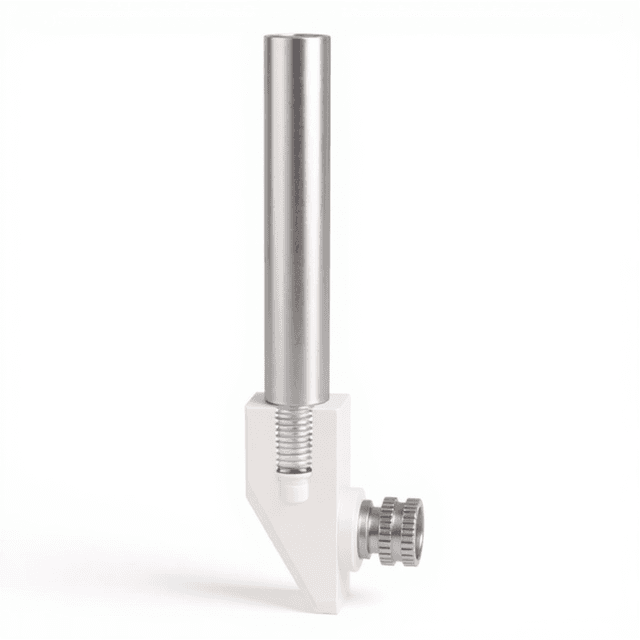
Stereotaxic ear bars are precision positioning components designed for secure head fixation during neurosurgical and neurophysiological procedures in rodents. These specialized ear bars feature species-specific geometries and tip angles optimized for rat and mouse stereotaxic applications, ensuring stable skull positioning while minimizing tissue trauma during brain surgery, electrode implantation, and injection procedures.
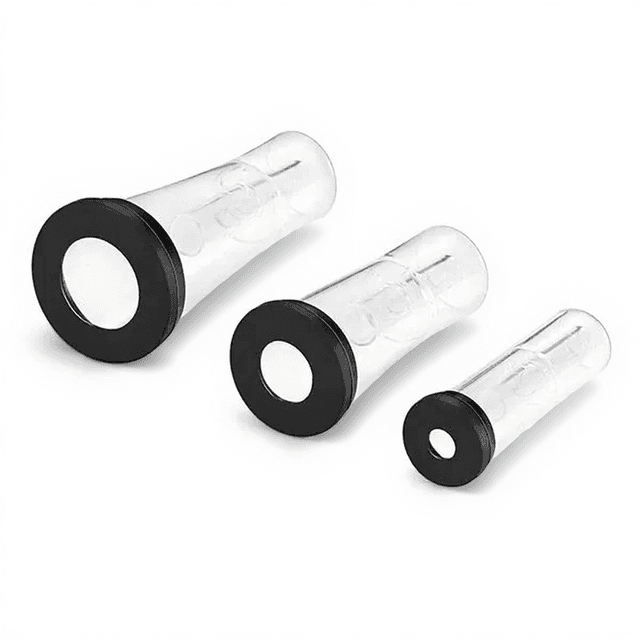
The product line includes seven distinct configurations ranging from standard angled tips (18° and 45°) to specialized non-rupture designs for delicate mouse procedures. Hollow ear bars enable simultaneous auditory stimulation during experiments, while cuff-type and rubber-tipped variants provide enhanced safety for thin-skulled mice and neonatal subjects. All ear bars maintain the precise tolerances required for accurate stereotaxic coordinate systems essential to reproducible neuroscience research.
How It Works
Stereotaxic ear bars function as anatomical reference points by engaging the external auditory meatus to establish a reproducible three-dimensional coordinate system. The ear bar tips are inserted into the ear canals at predetermined angles that align with the natural anatomy of each species, creating a stable fulcrum that prevents head movement during surgical procedures. The positioning system relies on the consistent relationship between ear canal orientation and internal brain structures to maintain coordinate accuracy.
Different tip geometries accommodate species-specific anatomical variations and experimental requirements. Standard angled tips (18° and 45°) provide firm engagement with the ear canal for maximum stability, while non-rupture designs distribute contact forces across broader surface areas to prevent skull damage in thin-boned mice. Hollow ear bars incorporate acoustic pathways that allow sound transmission during auditory experiments without compromising positional stability.
The mechanical interface between ear bars and stereotaxic frames creates a rigid positioning system where precise adjustments translate directly to target coordinates within the brain. This relationship enables researchers to navigate to specific anatomical structures using established brain atlases, with positioning accuracy typically maintained within 0.1mm tolerances throughout extended surgical procedures.
Features & Benefits
Tip Angles Available
- 18º, 45º, 45º Hollow, 60º Non-Rupture, Non-Rupture Cuff type, Non-Rupture Rubber type, 45º for adaptor
Automation Level
- manual
Species
- Mouse
- Rat
Research Domain
- Addiction Research
- Aging Research
- Anxiety and Depression
- Behavioral Pharmacology
- Learning and Memory
- Motor Function
- Neurodegeneration
- Neuroscience
- Pain Research
- Social Behavior
Shipping weight
- 17.64 lb
Shipping box
- L: 30.0 cm
- W: 25.0 cm
- H: 25.0 cm
| Feature | This Product | Typical Alternative | Advantage |
|---|---|---|---|
| Tip Angle Selection | Seven distinct configurations including 18°, 45°, and 60° angles plus specialized non-rupture designs | Basic models often provide 2-3 standard angles | Comprehensive selection enables optimal positioning across diverse species, ages, and experimental protocols. |
| Safety Features | Non-rupture cuff-type and rubber tip variants specifically designed for mouse applications | Standard pointed tips only | Prevents skull damage in thin-boned subjects while maintaining positional stability for delicate procedures. |
| Acoustic Capabilities | Hollow 45° design with 1.0mm front and 3.0mm rear apertures for sound transmission | Solid ear bars without acoustic pathways | Enables simultaneous auditory experiments during stereotaxic procedures for hearing research applications. |
| Tip Precision | 0.8mm tip radius on standard configurations | Varies by model and manufacturing tolerances | Consistent engagement geometry ensures reproducible positioning and minimizes tissue trauma during insertion. |
| Interchangeability | Adaptor-compatible system with 5x5mm cross-section and dual tip options | Fixed configurations requiring complete ear bar replacement | Rapid switching between tip types during multi-subject sessions without compromising coordinate accuracy. |
| Species Coverage | Dedicated configurations for rats, mice, and neonatal subjects | One-size-fits-all approaches | Optimized anatomy-specific designs improve positioning accuracy and reduce experimental variability across different subject populations. |
This stereotaxic ear bar system offers the most comprehensive selection of species-specific configurations available, with particular strength in safety features for delicate mouse procedures and specialized acoustic capabilities for hearing research. The precision-machined construction and interchangeable design support diverse experimental requirements while maintaining coordinate accuracy essential for reproducible neuroscience research.
| Model | SKU | Listed price | Status | Shipping box |
|---|---|---|---|---|
| 45º for adaptor | CS-MA-30- 2030.13 | $180.00 | Available | 30.0 x 25.0 x 25.0 cm |
| Non-Rupture Rubber type | CS-MA-30- 2030.8 | $180.00 | Available | 30.0 x 25.0 x 25.0 cm |
| Non-Rupture Cuff type | CS-MA-30- 2030.7 | $180.00 | Available | 30.0 x 25.0 x 25.0 cm |
| 60º Non-Rupture | CS-MA-30- 2030.6 | $180.00 | Available | 30.0 x 25.0 x 25.0 cm |
| 45º Hollow | CS-MA-30- 2030.3 | $495.00 | Available | 30.0 x 25.0 x 25.0 cm |
| 45º | CS-MA-30- 2030.2 | $180.00 | Available | 30.0 x 25.0 x 25.0 cm |
| 18º | CS-MA-30- 2030.1 | $180.00 | Available | 30.0 x 25.0 x 25.0 cm |
Practical Tips
Verify ear bar alignment with stereotaxic coordinate system before each experimental session using known anatomical landmarks.
Why: Maintains positioning accuracy essential for reproducible target coordinates across subjects.
Select ear bar angle based on subject head size and surgical approach rather than using one configuration for all procedures.
Why: Optimized positioning reduces tissue trauma and improves coordinate accuracy for specific experimental requirements.
Use gentle insertion pressure and monitor for signs of tissue blanching or excessive resistance during ear bar placement.
Why: Prevents auditory canal damage and ensures animal welfare during positioning procedures.
Inspect ear bar tips regularly for wear or damage that could affect positioning accuracy or cause tissue injury.
Why: Worn tips compromise coordinate precision and may increase risk of complications during procedures.
If subjects show signs of distress during positioning, verify ear bar angle compatibility and consider switching to non-rupture variants.
Why: Improper ear bar selection can cause discomfort or injury, affecting experimental outcomes and animal welfare.
Document ear bar configuration and positioning settings for each subject to enable precise coordinate replication in follow-up procedures.
Why: Consistent positioning parameters are essential for longitudinal studies and repeated-measures experimental designs.
For neonatal or young subjects, start with non-rupture designs and gradually transition to standard configurations as skull thickness develops.
Why: Age-appropriate ear bar selection prevents developmental damage while establishing reliable positioning protocols.
Setup Guide
What’s in the Box
- Stereotaxic ear bars (configuration varies by SKU)
- Mounting hardware for stereotaxic frame attachment (typical)
- User manual with species-specific positioning guidelines (typical)
- Sterilization compatibility documentation (typical)
Warranty
ConductScience provides a standard one-year manufacturer warranty covering defects in materials and workmanship, along with technical support for proper installation and positioning protocols.
Compliance
How do I select the appropriate ear bar angle for my experimental species?
Rats typically use 18° or 45° angles depending on head size and surgical approach, while mice require 60° non-rupture or specialized cuff-type designs to prevent skull damage. Consult anatomical references for your specific strain and age group.
Can these ear bars be sterilized between subjects?
Yes, the precision-machined construction allows standard sterilization methods including autoclaving and chemical disinfection. Ensure complete drying before use to maintain coordinate accuracy.
What is the positioning accuracy achievable with these ear bars?
When properly installed, these ear bars support stereotaxic coordinate accuracy within 0.1mm tolerances, sufficient for most neurosurgical applications including electrode implantation and targeted injections.
Are the hollow ear bars compatible with standard audio equipment?
The hollow design features 1.0mm front and 3.0mm rear apertures compatible with standard auditory stimulation systems, enabling hearing research during stereotaxic procedures.
How do non-rupture designs differ from standard ear bars?
Non-rupture variants use broader contact surfaces (cuff-type) or rubber tips to distribute forces across larger skull areas, preventing puncture damage in thin-boned mice and neonatal subjects.
Can I switch between different ear bar types during an experiment?
Yes, adaptor-compatible systems (RWD-68030) allow rapid reconfiguration between tip types during multi-subject sessions, maintaining coordinate integrity between changes.
What maintenance is required for long-term use?
Regular inspection for tip wear, proper cleaning after each use, and periodic verification of mounting tolerances ensure continued coordinate accuracy and animal safety.
Have a question about this product?
Have a question? Just ask.
Send it over and we'll email you a personalized answer — no call, no scheduling.
Prefer to talk it through?
Accessories
Enhance your setup with compatible accessories