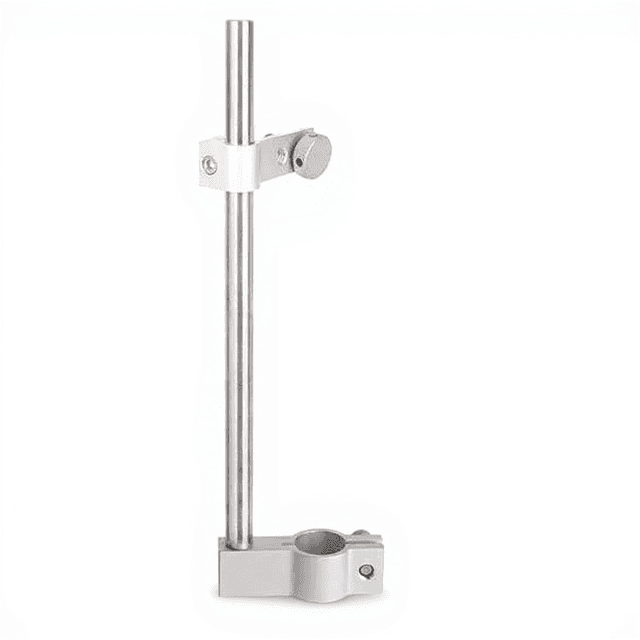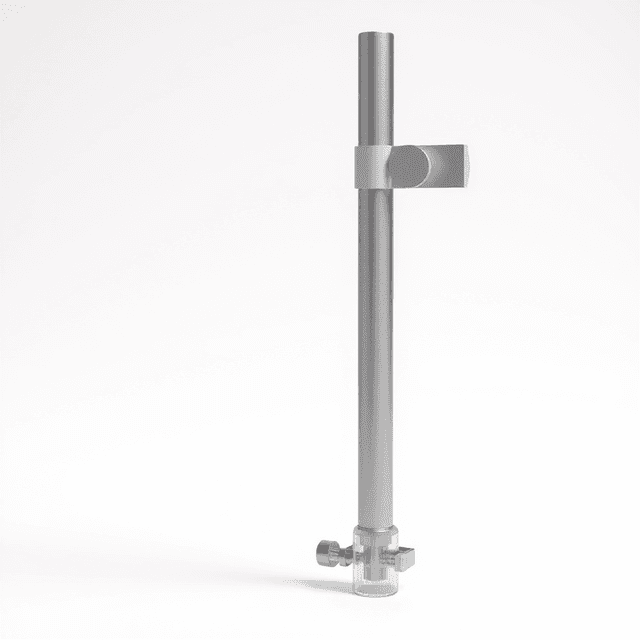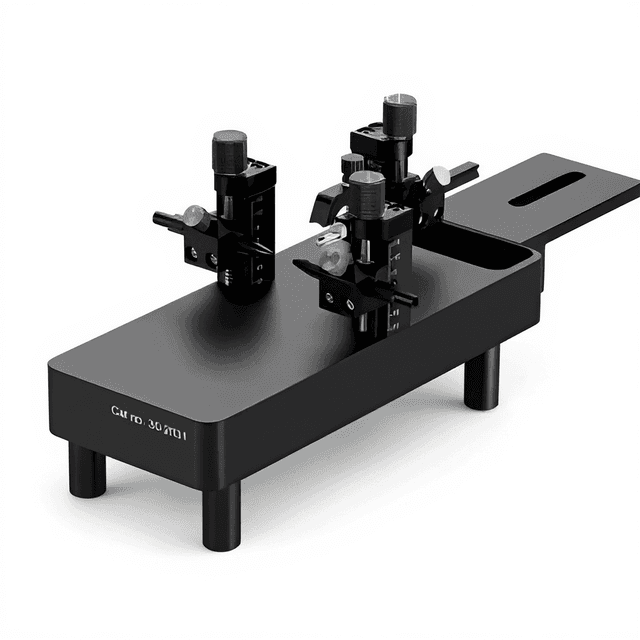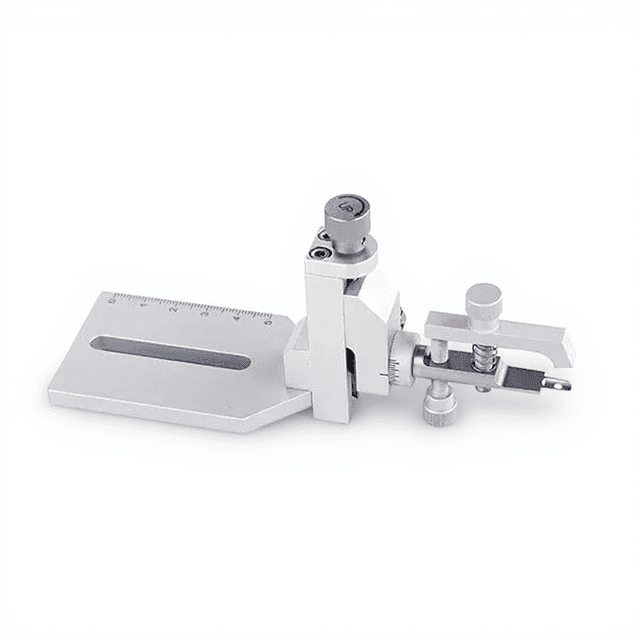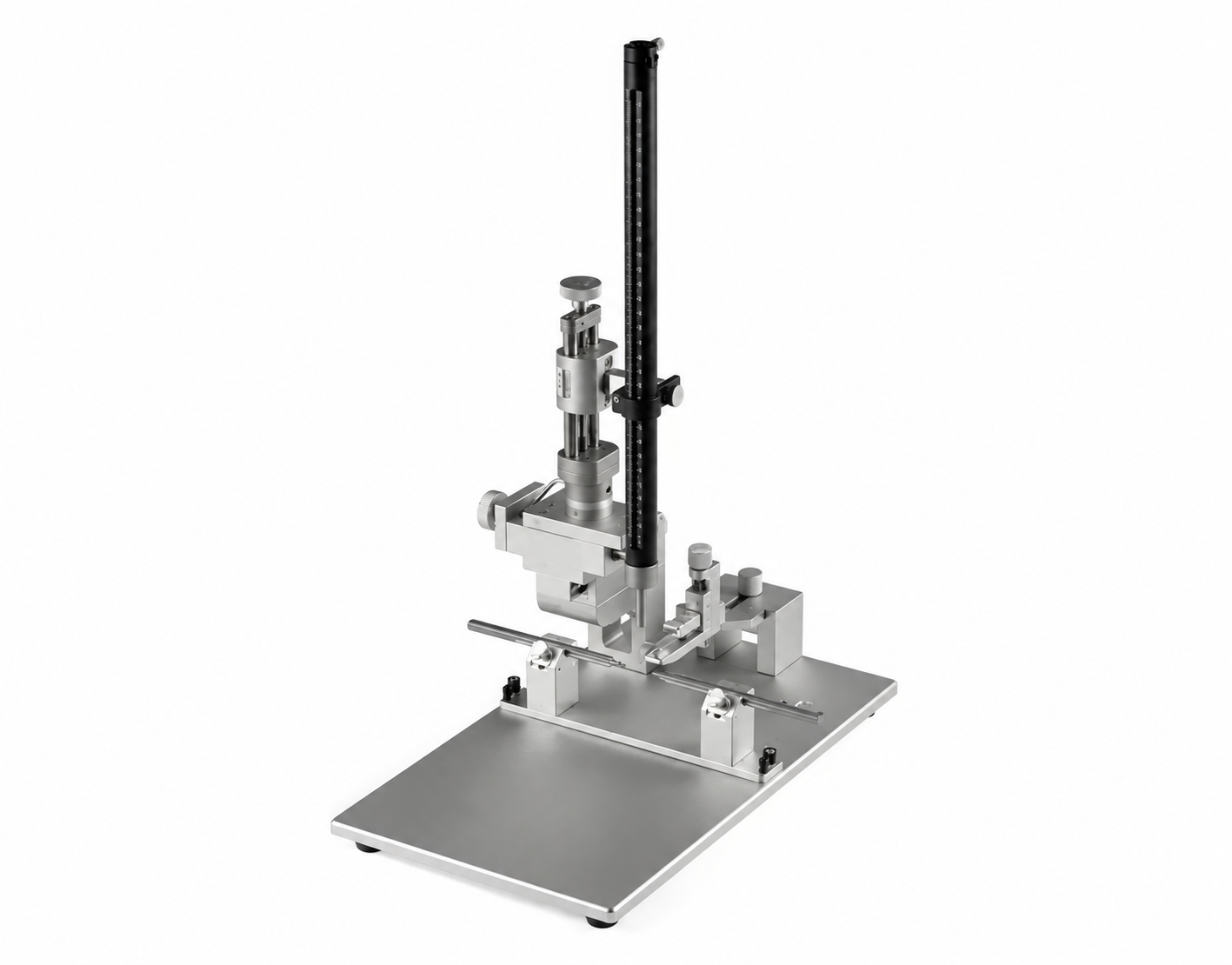
Stereotaxic Multi-function Spinal Cord Adaptor for Rat and Mouse
Stereotaxic Spinal Cord Adaptor (for SCI experiments) SCI: Spinal Cord Injury with the Precise Impactor Device.

Louise Corscadden, PhD
Director of Science · ConductScience
Ask Louise about Stereotaxic Multi-function Spinal Cord Adaptor for Rat and Mouse fit, setup, configuration, or quote prep.
Already working with us? Sign in to connect this with My Scientist.
Key Specifications
Full details →- Model fit
- Mouse, Rat
- SKU family
- RWD-68091
- Shipping box
- 34.0 x 39.0 x 33.0 cm
- Ordering
- Online checkout and quote request available
- Category
- Stereotaxic Accessories
- Build notes
- Confirm accessories, station layout, and support needs before purchase
Brain and Spinal Cord Impactor device designed for precise, controlled impact testing in research applications. Features reliable operation for consistent results in neurological injury models.
How It Works
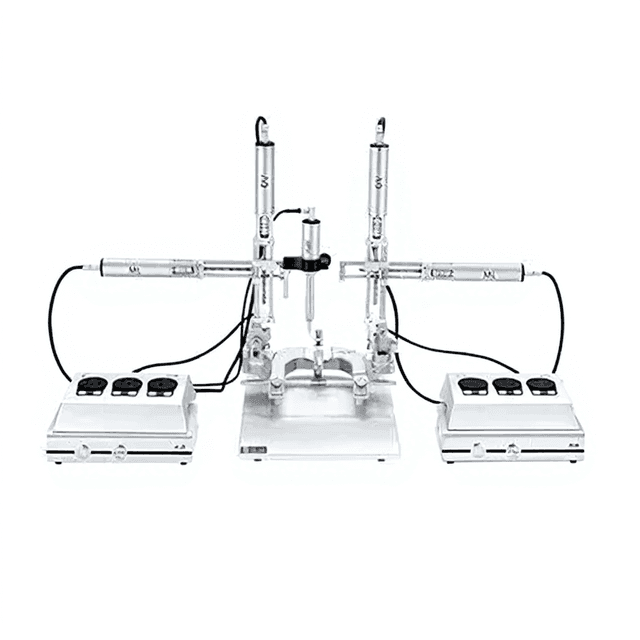
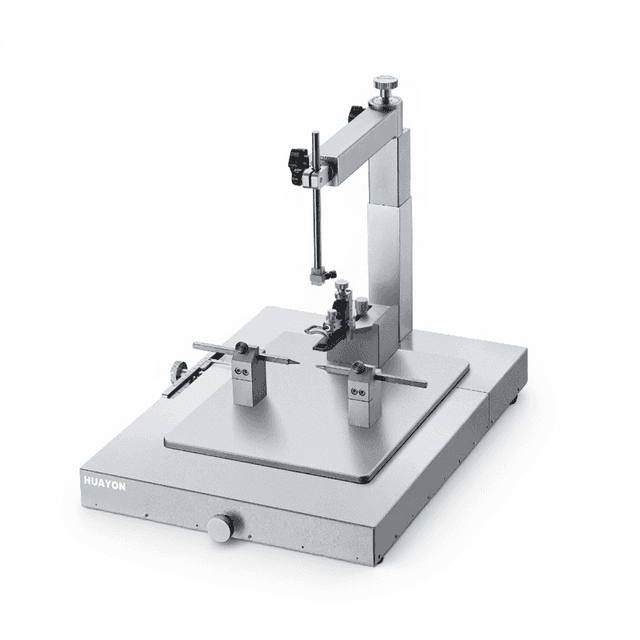
The adaptor operates on a three-axis micro-manipulated positioning principle that provides independent control over anteroposterior, mediolateral, and dorsoventral coordinates. The system supports the animal from the lower sides of the spine rather than through dorsal pressure, which maintains natural spinal curvature and reduces tissue deformation during procedures.
The universal adjustment mechanism allows precise positioning across different spinal cord levels while the rotatable platform accommodates varying surgical approaches. The design compensates for respiratory movement artifacts through stable lateral support, preventing the depth errors commonly encountered when animals experience breathing-induced positional shifts during procedures.
Vertical strike orientation ensures consistent needle trajectories perpendicular to the spinal cord surface, critical for accurate targeting of specific laminae or nuclei within the cord's complex three-dimensional structure.
Features & Benefits
Support Method
- Supporting the spinal cord from the lower sides of the spine
Platform Type
- Three-axis micro-manipulated rotatable platform
Adjustment Device
- Universal adjustment device for spinal cord level adjustment
Strike Orientation
- Vertical strikes
Depth Error Prevention
- Avoids depth error caused by animal collapse during breathing or impact
Automation Level
- manual
Species
- Mouse
- Rat
Brand
- RWD
Research Domain
- Behavioral Pharmacology
- Developmental Biology
- Motor Function
- Neurodegeneration
- Neuroscience
- Pain Research
Shipping weight
- 8.27 lb
Shipping box
- L: 34.0 cm
- W: 39.0 cm
- H: 33.0 cm
Practical Tips
Verify coordinate zero points using consistent anatomical landmarks before each experimental session.
Why: Accurate calibration ensures reproducible targeting across animals and experimental days.
Allow the positioning platform to settle for 30-60 seconds after making adjustments before beginning injections.
Why: Mechanical settling prevents micro-movements that could affect injection accuracy.
Clean all contact surfaces with appropriate solvents after each use to prevent biological material buildup.
Why: Regular cleaning maintains smooth mechanical operation and prevents positioning drift.
Monitor anesthesia depth continuously as the prone positioning may affect respiratory mechanics.
Why: Spinal positioning can alter breathing patterns requiring careful anesthetic management.
If experiencing positioning drift, check that all lateral support points are making consistent contact with the animal.
Why: Uneven support can cause gradual positional shifts during procedures.
Record all coordinate settings and adjustment parameters for each animal to enable precise replication.
Why: Detailed documentation improves experimental reproducibility and troubleshooting capabilities.
Warm the adaptor components to room temperature before use if stored in cold environments.
Why: Temperature equilibration prevents condensation and ensures stable mechanical properties.
Setup Guide
Complete installation support and operator training included. System includes pneumatic/electric control unit, impactor assembly, and mounting hardware. Includes calibration procedures and safety documentation.What’s in the Box
- Stereotaxic spinal cord adaptor with three-axis platform
- Universal spinal level adjustment device
- Lateral spine support components
- Mounting hardware for stereotaxic frames
- User manual with coordinate reference tables (typical)
- Calibration verification tools (typical)
Warranty
ConductScience provides a one-year manufacturer warranty covering defects in materials and workmanship, with technical support for setup and calibration procedures.
Compliance
Comprehensive operation manuals, calibration procedures, maintenance schedules, and safety protocols included. Technical support available for research protocols.References
Background reading relevant to this product:
Have a question about this product?
Have a question? Just ask.
Send it over and we'll email you a personalized answer — no call, no scheduling.
Prefer to talk it through?
Accessories
Enhance your setup with compatible accessories