Spinal Cord Injury Device
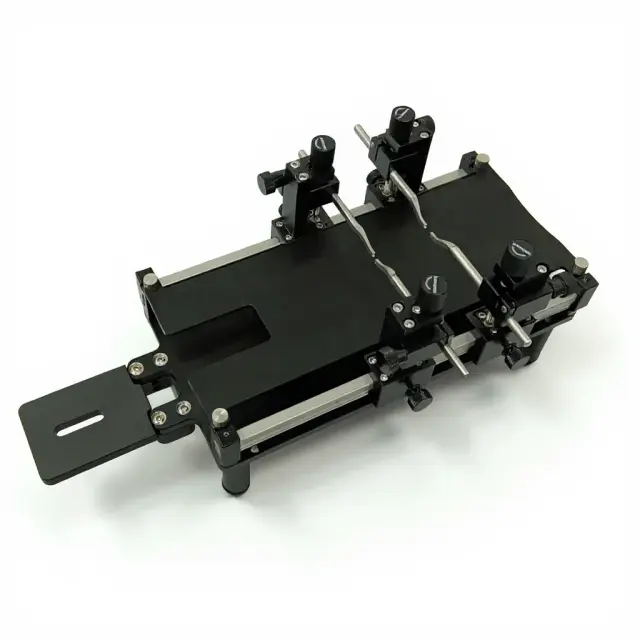
Precision weight-drop device for controlled spinal cord contusion injuries in mice, featuring adjustable drop heights (10-20 mm) and guided impact system for reproducible T9 vertebral injuries.

Louise Corscadden, PhD
Director of Science · ConductScience
Ask Louise about Spinal Cord Injury Device fit, setup, configuration, or quote prep.
Already working with us? Sign in to connect this with My Scientist.
Key Specifications
Full details →- Model fit
- Mouse
- SKU family
- CS-SCID-00
- Shipping box
- 1.18 x 0.2 x 28.8 cm
- Ordering
- Online checkout and quote request available
- Category
- Neuroscience Models
- Build notes
- Steel, Teflon, Stainless Steel
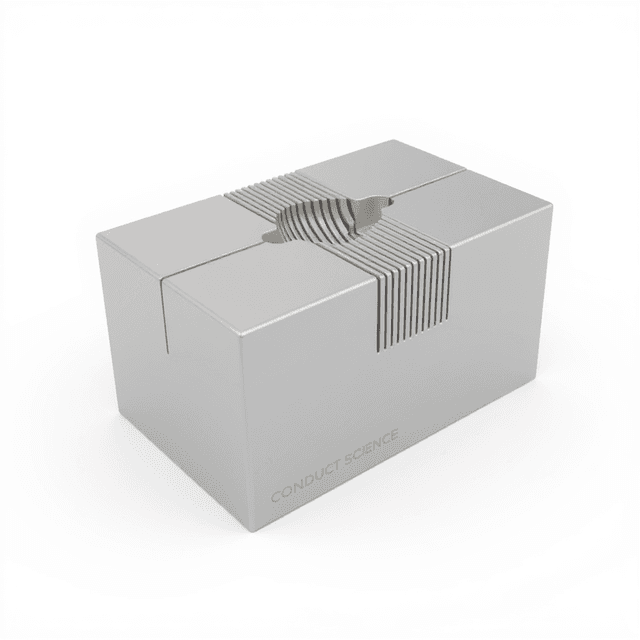
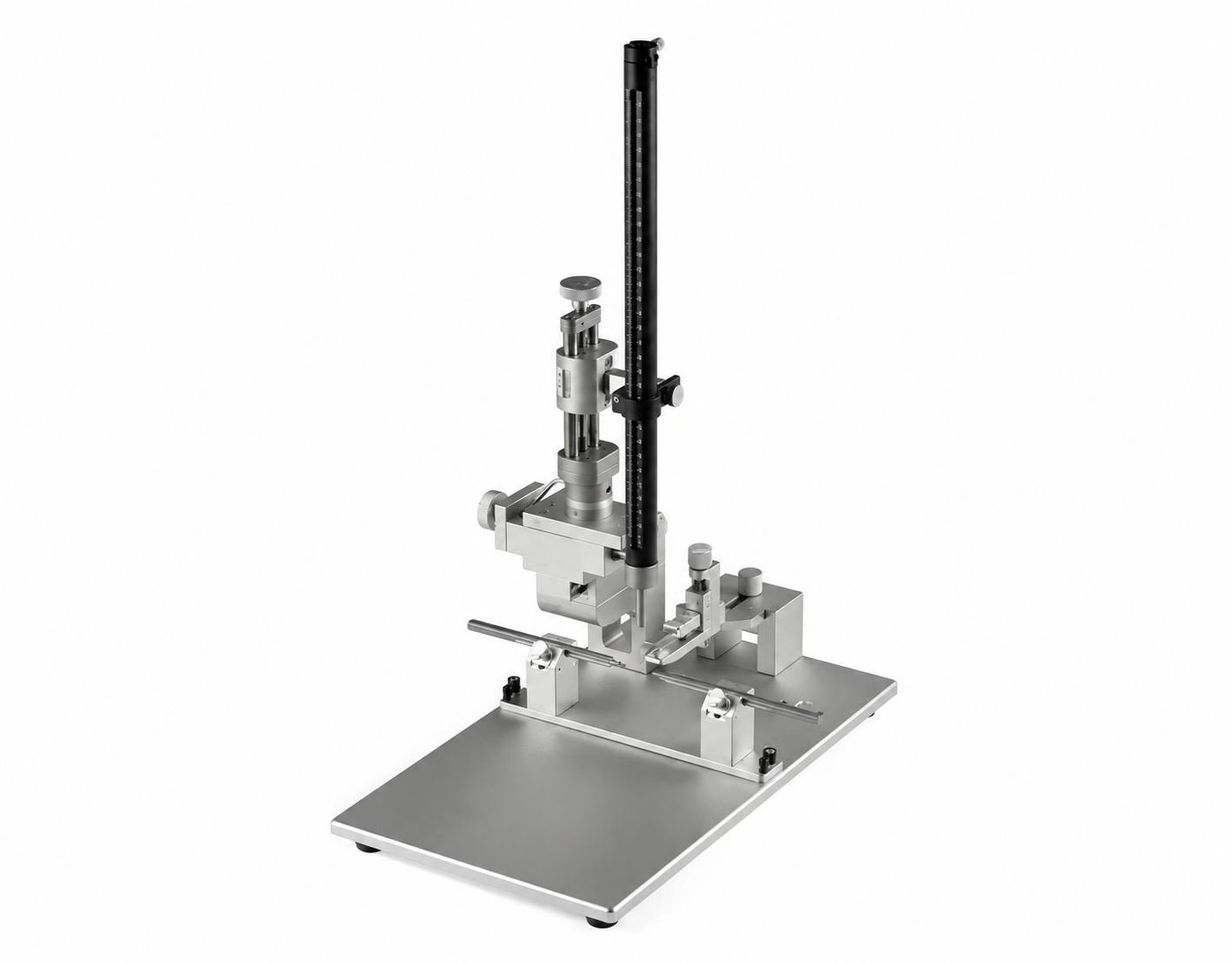
Brain and Spinal Cord Impactor device designed for precise, controlled impact testing in research applications. Features reliable operation for consistent results in neurological injury models.
How It Works
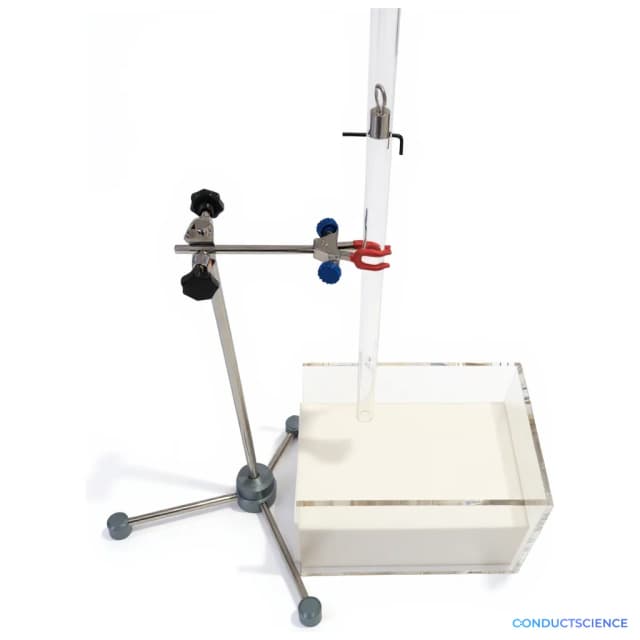
The device operates on controlled gravitational energy transfer through a guided weight-drop mechanism. A 1.85 g Teflon-coated stainless steel weight is positioned at a predetermined height (10 mm or 20 mm) within a 25 cm hollow Teflon tube. When released via removable pin withdrawal, the weight travels down the tube under gravitational acceleration, impacting the steel impounder positioned over the exposed T9 spinal cord segment.
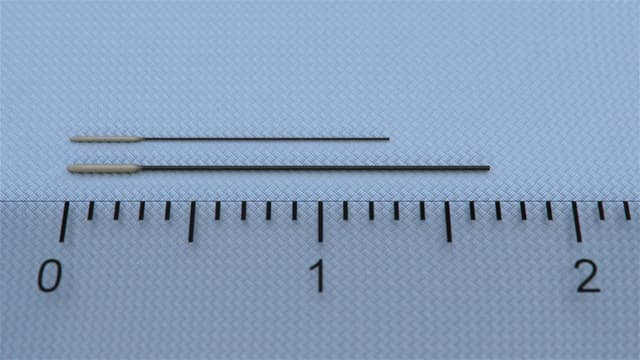
The impounder features a 1.2 mm diameter needle that penetrates the spinal cord tissue, delivering precise mechanical trauma. A horizontal pin guidance system prevents the weight from bouncing upon impact, ensuring single-strike energy delivery and reproducible injury severity. The kinetic energy at impact varies with drop height: 10 mm drops produce mild-to-moderate contusions while 20 mm drops generate moderate-to-severe injuries. The Teflon tube construction minimizes friction during weight descent, maximizing energy transfer consistency.
Post-impact weight retrieval occurs via rod magnet, maintaining sterile conditions during the surgical procedure. The device's geometry ensures that injury forces are concentrated at the T9 level, the standard location for modeling human thoracic spinal cord injuries and associated paraplegia.
Features & Benefits
Tube Length
- 25 cm
Tube Diameter
- 6 mm
Impounder Height
- 3 cm
Impounder Diameter
- 5 mm
Needle Length
- 1 cm
Needle Diameter
- 1.2 mm
Drop Height Mild Moderate
- 10 mm
Drop Height Moderate Severe
- 20 mm
Weight Mass
- 1.85 g
Injury Location
- T9
Automation Level
- manual
Material
- Steel
- Teflon
- Stainless Steel
Species
- Mouse
Research Domain
- Addiction Research
- Behavioral Pharmacology
- Motor Function
- Neurodegeneration
- Neuroscience Models
- Pain Research
Shipping weight
- 30.92 lb
Shipping box
- L: 1.18 cm
- W: 0.2 cm
- H: 28.8 cm
Practical Tips
Verify drop height measurements before each experimental session using precision measuring tools to ensure consistent injury severity.
Why: Small variations in drop height significantly affect impact energy and resulting injury characteristics.
Clean all components with 70% ethanol between subjects and inspect the Teflon tube for scratches or debris that could affect weight descent.
Why: Contamination or surface damage can alter weight trajectory and compromise injury reproducibility.
Ensure the mouse is properly anesthetized and positioned with the T9 vertebra directly aligned beneath the impounder needle before weight release.
Why: Precise anatomical positioning is critical for targeting the correct spinal cord segment and avoiding off-target injuries.
Always use the rod magnet to retrieve the weight rather than manual handling during surgical procedures.
Why: Magnetic retrieval maintains sterile conditions and prevents accidental needle stick injuries from the impounder.
Record the exact drop height, weight position, and impact timing for each subject to enable proper statistical analysis of injury parameters.
Why: Detailed documentation supports reproducibility assessment and enables correlation of injury parameters with functional outcomes.
If the weight does not descend smoothly, check for debris in the Teflon tube or damage to the weight's Teflon coating.
Why: Friction during descent alters impact velocity and can lead to inconsistent injury severity between subjects.
Test the magnet retrieval system before beginning surgical procedures to ensure proper magnetic strength and positioning.
Why: Functional retrieval system prevents delays during surgery that could compromise animal welfare or experimental timing.
Setup Guide
Complete installation support and operator training included. System includes pneumatic/electric control unit, impactor assembly, and mounting hardware. Includes calibration procedures and safety documentation.What’s in the Box
- Hollow Teflon tube (25 cm length, 6 mm diameter)
- Steel impounder with 1.2 mm needle
- Teflon-coated stainless steel weight (1.85 g)
- Horizontal guidance pin
- Removable support pin
- Rod magnet for weight retrieval
- Teflon base component
- Assembly instructions (typical)
- Calibration certificate (typical)
Warranty
ConductScience provides a standard one-year manufacturer warranty covering defects in materials and workmanship, with technical support for setup and operational guidance.
Compliance
Comprehensive operation manuals, calibration procedures, maintenance schedules, and safety protocols included. Technical support available for research protocols.References
Background reading relevant to this product:
Have a question about this product?
Have a question? Just ask.
Send it over and we'll email you a personalized answer — no call, no scheduling.
Prefer to talk it through?
Accessories
Enhance your setup with compatible accessories
Frequently Bought Together