Stereotaxic Precise Spinal and Cortical Impactor
Pneumatic-controlled stereotaxic impactor for precise traumatic brain injury and spinal cord injury modeling in rodents with automated zero-detection and programmable impact parameters.

Louise Corscadden, PhD
Director of Science · ConductScience
Ask Louise about Stereotaxic Precise Spinal and Cortical Impactor fit, setup, configuration, or quote prep.
Already working with us? Sign in to connect this with My Scientist.
Key Specifications
Full details →- Model fit
- Mouse, Rat
- SKU family
- CS-PI-1000M/ PI-1000R
- Shipping box
- 68.9 x 25.0 x 25.0 cm
- Ordering
- Online checkout and quote request available
- Category
- Stereotaxic Systems
- Build notes
- Confirm accessories, station layout, and support needs before purchase
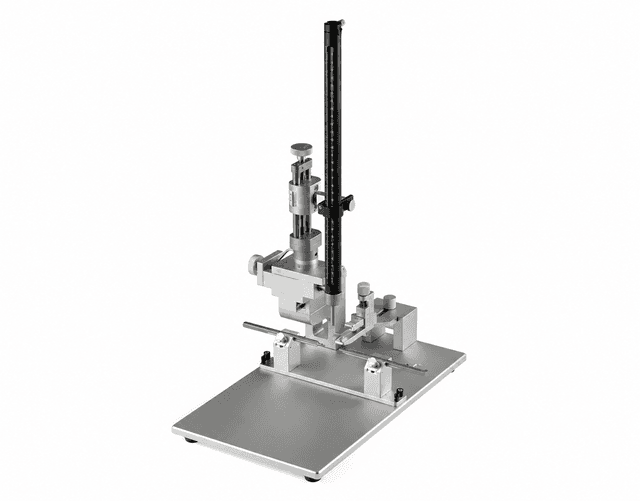
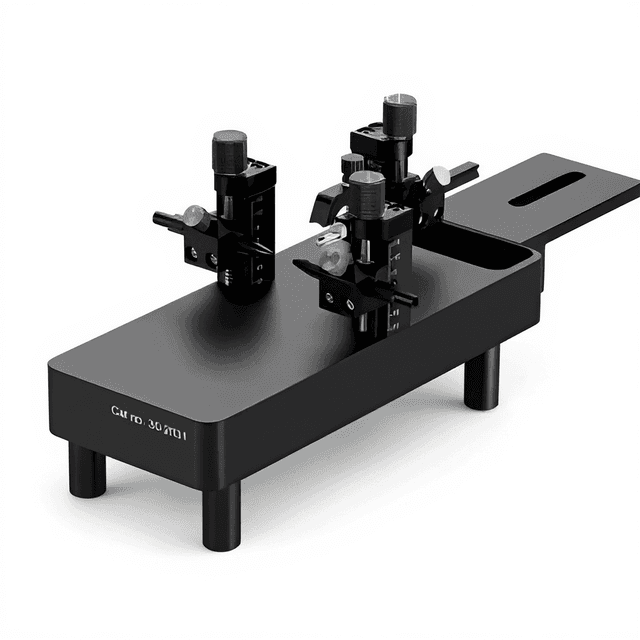
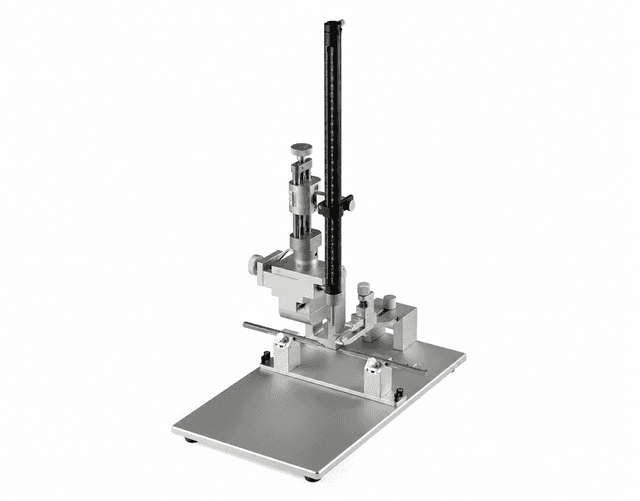
The Stereotaxic Precise Spinal and Cortical Impactor is a pneumatically-controlled traumatic brain injury device designed for precise controlled cortical impact (CCI) studies in laboratory rodents. This system integrates stereotaxic positioning with a pneumatic impactor to deliver reproducible mechanical trauma for modeling TBI and spinal cord injury in experimental settings.
The device features automated zero-interface detection at the impact point, eliminating manual zeroing procedures and improving injury reproducibility. Key parameters including strike velocity (0.5-3.0 m/s), depth (0-10 mm), and dwell time (up to 60 seconds) are programmable and stored for consistent experimental protocols. The system achieves 0.01 mm depth accuracy with 1 ms temporal precision, enabling standardized injury models across research studies.
nn
How It Works
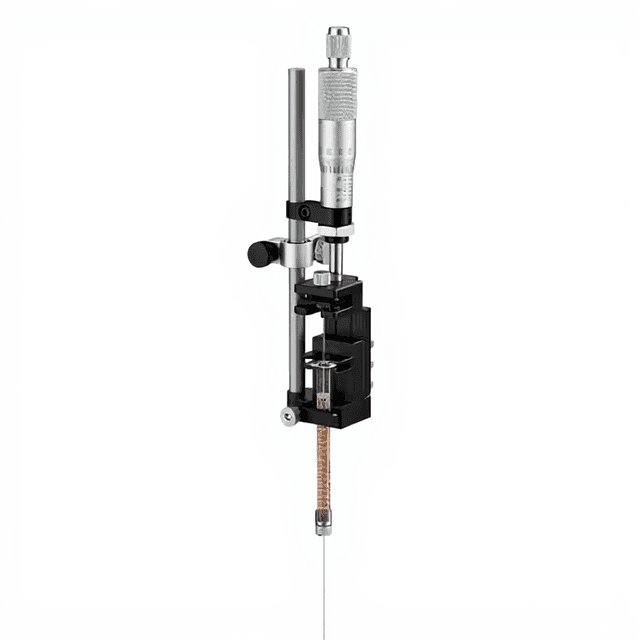
The stereotaxic impactor operates through pneumatic actuation to deliver controlled mechanical trauma to cortical or spinal tissue. The system utilizes a 19.75 mm bore pneumatic piston that drives cylindrical impactor tips of varying diameters (1-5 mm) at precisely controlled velocities between 0.5-3.0 m/s. Gas pressure from oxygen tanks or aerostatic systems powers the pneumatic mechanism through 9/16" or φ8 fast connections.
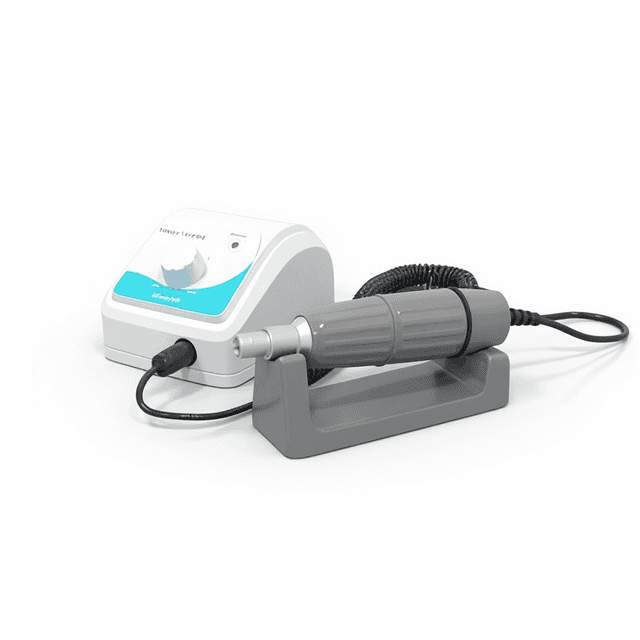
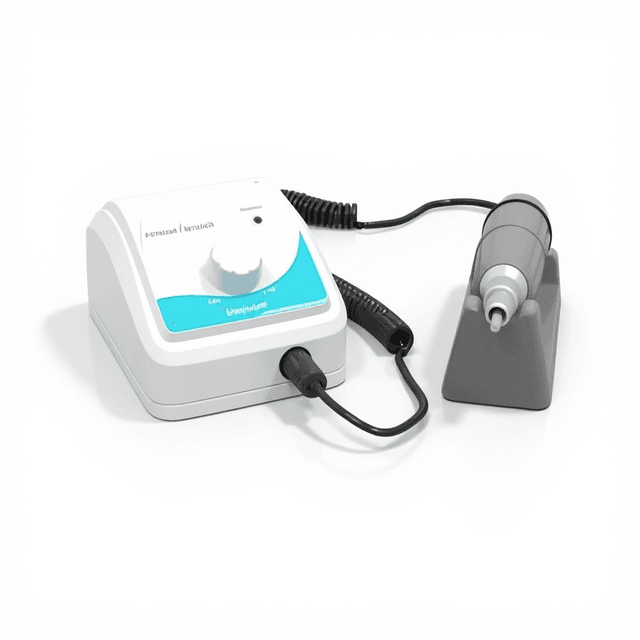
An integrated sensor system automatically detects the zero-interface reference point at the tissue surface before impact initiation. This eliminates variability from manual positioning and ensures consistent injury depth measurements. The touch LCD interface allows programming of strike velocity, penetration depth (0-10 mm), and dwell time parameters, with data storage for protocol reproducibility across experimental sessions.
Upper and lower limit switches provide safety boundaries for the impactor mechanism, while the system maintains 0.01 mm depth accuracy and 1 ms temporal precision throughout the impact sequence. The standardized stereotaxic mounting enables precise anatomical targeting based on established coordinate systems for rodent brain and spinal anatomy.
Features & Benefits
Pneumatic Piston Bore
- 19.75mm
Strike Speed Range
- 0.5m/s to 3m/s
Strike Depth Range
- 0-10mm
Dwell Time Range
- 60s
Time Accuracy
- 1ms
Tip Diameters
- 1mm, 1.2mm, 1.5mm, 2mm, 2.5mm, 3mm, 4mm, and 5mm
Gas Connection Types
- 9/16" and φ8 fast connection
Compatible Gas Supplies
- oxygen tanks, aerostatic press
Automation Level
- semi-automated
Accuracy
- depth accuracy of 0.01mm
Research Domain
- Behavioral Pharmacology
- Learning and Memory
- Motor Function
- Neurodegeneration
- Neuroscience
- Pain Research
Shipping weight
- 17.64 lb
Shipping box
- L: 68.9 cm
- W: 25.0 cm
- H: 25.0 cm
| Feature | This Product | Typical Alternative | Advantage |
|---|---|---|---|
| Impact Velocity Range | 0.5-3.0 m/s continuously adjustable | Entry-level systems often provide 1-2 fixed velocities | Enables modeling of graduated injury severities from mild to severe within a single experimental system. |
| Depth Accuracy | 0.01 mm precision with 0-10 mm range | Manual systems typically achieve 0.1 mm accuracy | Provides standardized injury depths essential for reproducible experimental outcomes and inter-study comparisons. |
| Zero-Point Detection | Automated sensor-based interface detection | Manual positioning and visual alignment methods | Eliminates operator variability and reduces preparation time while improving measurement consistency. |
| Impactor Tip Options | 8 cylindrical tips from 1-5 mm diameter | Basic models often include 2-3 tip sizes | Accommodates diverse experimental designs and species-specific anatomical requirements for targeted lesions. |
| Dwell Time Control | Programmable up to 60 seconds | Most systems provide impact-only without sustained compression | Enables investigation of both acute impact and sustained compression trauma mechanisms in a single device. |
| Parameter Storage | Touch LCD with protocol memory | Manual parameter adjustment for each use | Ensures experimental consistency and enables rapid setup for established protocols across research sessions. |
This pneumatic impactor combines automated positioning with precise parameter control to deliver reproducible traumatic injury models. The system's automated zero-detection and programmable parameters provide superior consistency compared to manual positioning methods while accommodating both acute impact and sustained compression studies.
Practical Tips
Verify depth accuracy using precision gauge blocks before each experimental session to ensure 0.01 mm measurement precision.
Why: Maintains measurement accuracy essential for reproducible injury severity across experimental subjects.
Inspect pneumatic connections and gas supply pressure regularly to ensure consistent impact velocities throughout experiments.
Why: Pressure variations can affect impact consistency and compromise experimental reproducibility.
Allow the automated zero-detection sensor to complete surface identification before programming impact parameters.
Why: Proper surface detection ensures accurate depth measurements and prevents positioning errors.
Test upper and lower limit switches before each use and maintain clear workspace around the impactor mechanism.
Why: Safety switches prevent mechanical damage and protect both equipment and experimental subjects during operation.
Store and document all parameter settings for each experimental group to enable protocol replication and data analysis.
Why: Consistent parameter documentation supports statistical analysis and enables comparison across experimental conditions.
If zero-detection fails, check for tissue debris on the sensor and ensure adequate lighting at the impact site.
Why: Clean sensor surfaces and proper illumination are required for reliable automated positioning detection.
Select impactor tip diameter based on target anatomy size to ensure appropriate injury focal area for experimental objectives.
Why: Tip selection affects lesion characteristics and should match the anatomical scale of the experimental model.
Setup Guide
What’s in the Box
- Stereotaxic impactor main unit (typical)
- Pneumatic piston assembly (typical)
- Set of cylindrical impactor tips (1-5 mm diameters) (typical)
- Gas connection fittings (9/16" and φ8) (typical)
- Power cable and control interface (typical)
- User manual and calibration documentation (typical)
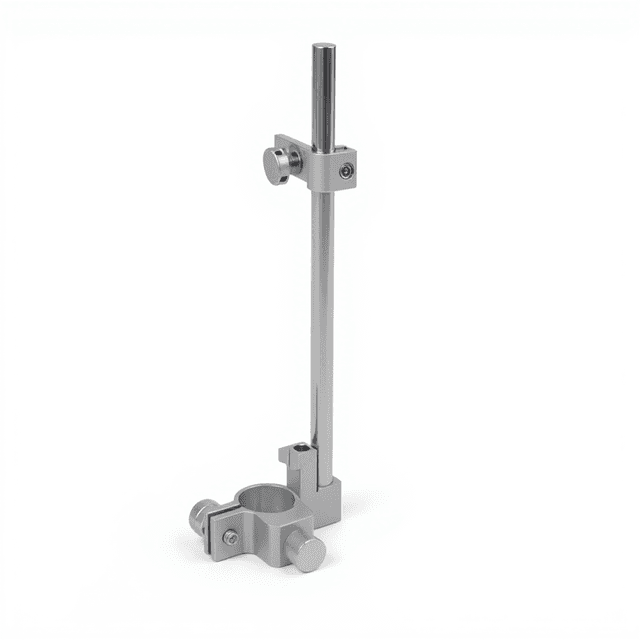
- Mounting hardware for stereotaxic frame (typical)
Warranty
ConductScience provides a standard one-year manufacturer warranty covering defects in materials and workmanship, with comprehensive technical support for setup, calibration, and troubleshooting procedures.
Compliance
What is the minimum impact velocity achievable with this system?
The system delivers controlled impact velocities starting from 0.5 m/s, allowing for mild injury models and graduated severity studies.
How does the automated zero-detection system work?
An integrated sensor automatically identifies the tissue surface interface point before impact, eliminating manual positioning variability and ensuring consistent depth measurements.
Can the system accommodate both brain and spinal cord applications?
Yes, the stereotaxic mounting system and range of impactor tip diameters (1-5 mm) enable precise targeting of both cortical and spinal anatomical sites.
What gas pressure requirements are needed for operation?
The system operates with standard compressed gas supplies including oxygen tanks and aerostatic presses through 9/16" or φ8 connections; consult product datasheet for specific pressure specifications.
How are experimental parameters stored and recalled?
The touch LCD interface allows programming and storage of strike velocity, depth, and dwell time parameters for consistent reproduction across experimental sessions.
What is the maximum dwell time for sustained compression studies?
The system supports programmable dwell times up to 60 seconds for investigating sustained compression effects beyond acute impact trauma.
How does this compare to weight-drop injury models?
This pneumatic system provides precise velocity and depth control with automated positioning, offering greater reproducibility than gravity-based weight-drop methods.
Have a question about this product?
Have a question? Just ask.
Send it over and we'll email you a personalized answer — no call, no scheduling.
Prefer to talk it through?
Accessories
Enhance your setup with compatible accessories