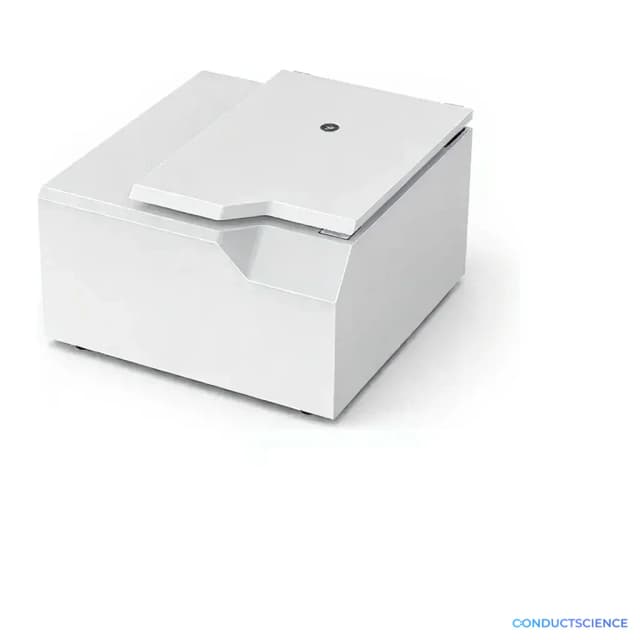
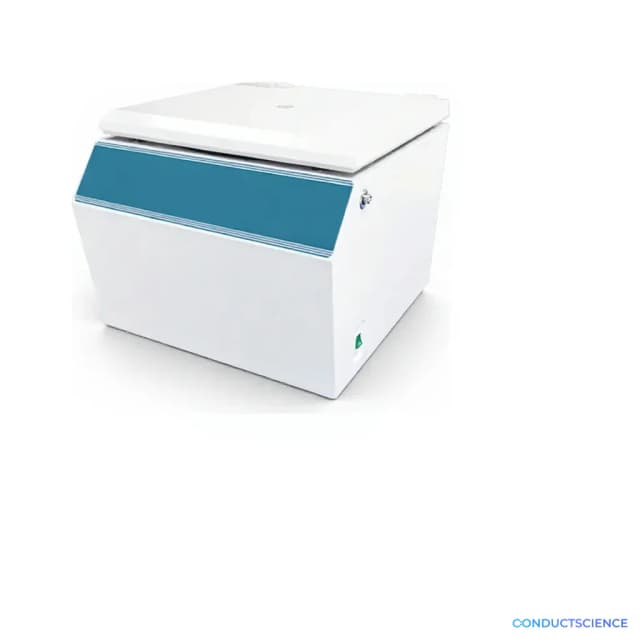
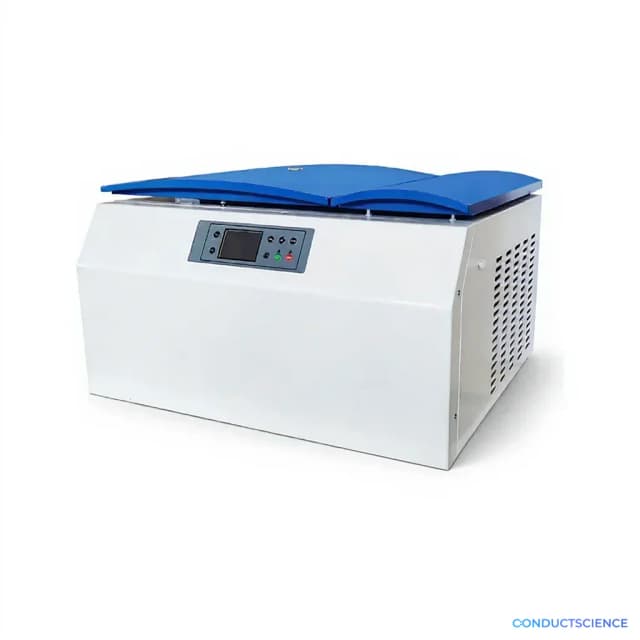
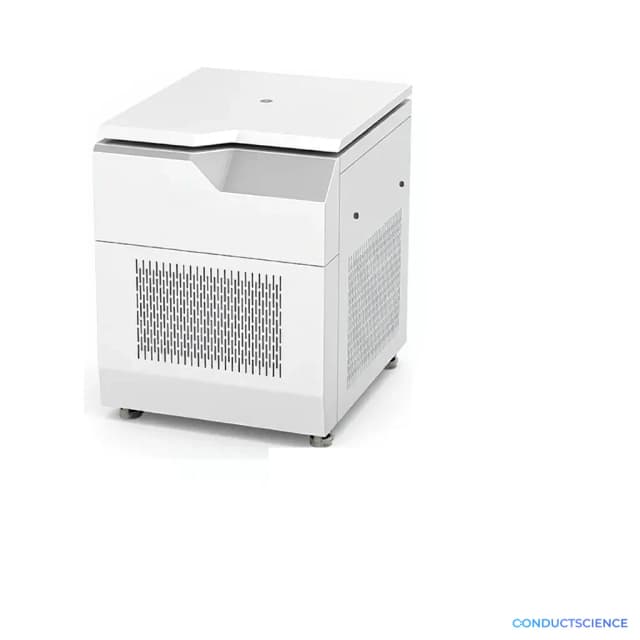
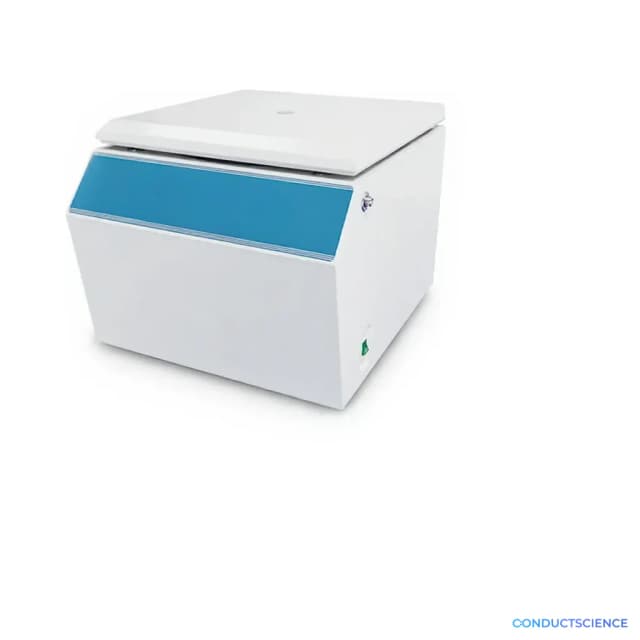
Mini Centrifuge Mini-5S Mini-7S Mini-10S Mini-12S
Compact benchtop microcentrifuges with speeds up to 10,300 rpm and RCF up to 7,318×g, designed for routine sample preparation including DNA/RNA isolation and protein precipitation in research laboratories.
| Automation Level | semi-automated |
| Mini-7S(With Display ) | Mini-7S(Without Display ) |
| Mini-10S(With Display ) | Mini-10S(Without Display ) |
| Max. Speed | 5200rpm |
| 7200rpm | 7000rpm |
| 10300rpm | 10000rpm |

The ConductScience Mini Centrifuge series offers four compact benchtop models (Mini-5S, Mini-7S, Mini-10S, Mini-12S) designed for routine sample preparation in research and clinical laboratories. These microcentrifuges utilize high-speed rotation to separate components of biological samples based on density differences, with maximum speeds ranging from 5,200 to 10,300 rpm and relative centrifugal forces up to 7,318×g. The rotor accommodates various tube formats including 1.5/2.0/0.5 ml microtubes and PCR strips, making these units suitable for DNA/RNA isolation, protein precipitation, and cellular pelleting applications.
Each model features programmable timing up to 99 minutes 59 seconds with speed accuracy of ±3% to ±5% depending on configuration. Select models offer digital display options for precise parameter monitoring during operation. The compact footprint (13.9 × 17.6 × 24.1 cm) and 2.25 kg weight make these centrifuges ideal for laboratories with limited bench space while maintaining the performance specifications required for quantitative sample processing.
How It Works
Microcentrifugation operates on the principle of differential sedimentation, where sample components separate based on their density, size, and shape when subjected to centrifugal force. The rotor spins at high speed, creating a centrifugal field that accelerates denser particles toward the bottom of the tube while less dense components remain in the supernatant. The relative centrifugal force (RCF), measured in multiples of gravitational acceleration (×g), determines the separation efficiency and is calculated from the rotational speed and rotor radius.
The Mini Centrifuge series utilizes a fixed-angle rotor design that holds tubes at a constant angle relative to the rotation axis, maximizing pelleting efficiency for small sample volumes. The variable speed control allows researchers to optimize separation conditions for different sample types, from gentle pelleting of fragile cells at lower speeds to rapid precipitation of proteins and nucleic acids at maximum RCF values. The programmable timer ensures consistent processing times across multiple samples.
Temperature control during centrifugation prevents sample degradation and maintains reproducible separation conditions. The compact motor design generates minimal heat buildup during short runs typical of microcentrifuge applications, while the aerodynamic rotor chamber reduces air resistance and vibration for stable operation across the full speed range.
Features & Benefits
Automation Level
- semi-automated
Mini-7S(With Display )
- Mini-7S(Without Display )
Mini-10S(With Display )
- Mini-10S(Without Display )
Max. Speed
- 5200rpm
7200rpm
- 7000rpm
10300rpm
- 10000rpm
Max. RCF
- 1865×g
3576×g
- 3560×g
7318×g
- 7267×g
Max. Volume
- 12*2ml
Timing Range
- 0s~99min59s
/
- 0s~99min59s
Speed Accuracy
- ±3%
±5%
- ±3%
Rotor
- 12*1.5/2/0.5ml+4*8*0.2ml PCR tube, 4*12*0.2ml PCR tube
Brand
- ConductScience
Research Domain
- Analytical Chemistry
- Cell Biology
- Clinical Diagnostics
- Materials Science
- Microbiology
- Pharmaceutical QC
Weight
- 2.25 kg
Dimensions
- L: 13.9 mm
- W: 17.6 mm
- H: 24.1 mm
Comparison Guide
| Feature | This Product | Typical Alternative | Advantage |
|---|---|---|---|
| Maximum Speed Range | 5,200 to 10,300 rpm across four models | Entry-level models often limited to 6,000-8,000 rpm | Higher speeds enable more efficient separation of dense materials and faster processing times for routine protocols. |
| RCF Range | 1,865×g to 7,318×g maximum force | Basic units typically provide 3,000-5,000×g maximum | Higher RCF values improve separation efficiency for challenging samples like protein precipitates and subcellular fractions. |
| Tube Format Compatibility | Multi-format rotor for 1.5/2.0/0.5 ml tubes plus PCR strips | Single format rotors requiring separate adaptors | Eliminates adapter changes and reduces setup time when processing different tube types in the same workflow. |
| Speed Accuracy | ±3% to ±5% depending on model | ±5% to ±10% for budget models | Better speed control ensures more reproducible RCF values and consistent separation results between runs. |
| Model Selection | Four models with different speed and display options | Limited model variants in most product lines | Allows selection of optimal performance level and features to match specific laboratory requirements and budget. |
| Timer Range | Programmable up to 99 minutes 59 seconds | Many basic models limited to 30-60 minutes maximum | Extended timing capability supports longer protocols for difficult separations and overnight processing. |
The Mini Centrifuge series provides a comprehensive range of speed and RCF options with multi-format tube compatibility in a compact design. The four-model lineup allows laboratories to select the optimal balance of performance and cost for their specific applications. Higher-end models offer enhanced speed accuracy and digital displays for precise protocol control.
Practical Tips
Verify speed accuracy annually using a certified optical or contact tachometer, checking at multiple speed points across the operating range.
Why: Speed accuracy directly affects RCF calculations and separation reproducibility.
Clean rotor wells immediately after processing samples containing salts or proteins to prevent corrosion and buildup.
Why: Salt residues can cause rotor imbalance and premature bearing wear if allowed to accumulate.
Pre-cool tubes and rotor to 4°C when processing heat-sensitive samples like enzymes or live cells.
Why: Centrifugal heating can denature proteins and reduce cell viability during processing.
Never open the lid during operation and always wait for complete stop before accessing samples.
Why: The rotor continues spinning after power off due to inertia, creating injury risk from moving parts.
If excessive vibration occurs, immediately stop operation and check for proper tube balance and rotor seating.
Why: Imbalanced loads can damage bearings and create safety hazards from excessive mechanical stress.
Record actual speed and time parameters for each run to maintain protocol reproducibility and audit trails.
Why: Small variations in centrifugation conditions can significantly affect separation efficiency and experimental outcomes.
Use pulse centrifugation for fragile samples, alternating short high-speed bursts with rest periods.
Why: Minimizes sample heating and mechanical stress while still achieving effective separation.
Inspect tube caps and lids for cracks before centrifugation to prevent sample loss and contamination.
Why: Failed closures can lead to aerosol generation and cross-contamination between samples during spinning.
Setup Guide
What’s in the Box
- Mini centrifuge main unit
- Multi-format rotor assembly
- Power cord
- Tube adapters (typical)
- User manual and operation guide
- Warranty documentation (typical)
Warranty
ConductScience provides a standard one-year manufacturer warranty covering defects in materials and workmanship. Technical support is available for installation guidance, troubleshooting, and routine maintenance procedures.
Compliance
What is the maximum tube capacity and can I process different tube sizes simultaneously?
The rotor accommodates 12 positions for 1.5/2.0/0.5 ml microtubes plus dedicated slots for PCR strips. You can mix different microtube sizes in the same run, but ensure proper balance across opposing positions.
How do I determine the appropriate speed and time for my samples?
Start with manufacturer recommendations for your sample type. For cell pelleting, use 3,000-5,000 rpm for 5-10 minutes. For protein precipitation, use maximum speed for 10-15 minutes. Adjust based on pellet formation and supernatant clarity.
What maintenance is required and how often should it be performed?
Clean the rotor and chamber after each use with mild detergent. Inspect rotor for wear or damage weekly. Lubricate bearings according to manufacturer schedule, typically every 6-12 months depending on usage frequency.
Can the centrifuge handle organic solvents and aggressive chemicals?
Consult the chemical compatibility chart in the user manual. Most standard laboratory solvents are compatible, but avoid strong acids, bases, and halogenated compounds that may damage rotor materials or seals.
How accurate is the speed control and does it require calibration?
Speed accuracy ranges from ±3% to ±5% depending on model. Annual calibration is recommended using a certified tachometer to verify speed accuracy and maintain measurement traceability.
What safety features prevent operation with unbalanced loads?
The unit includes imbalance detection that will stop operation if excessive vibration is detected. Always load samples in opposing positions and use water-filled tubes as counterbalances when necessary.
Can I upgrade the rotor for different tube formats or higher capacity?
Consult product documentation for compatible rotor options. Some models may accept alternative rotors, but verify compatibility and maximum speed ratings to prevent damage or safety issues.
How does this compare to larger floor-model centrifuges for routine applications?
Microcentrifuges offer faster acceleration/deceleration and are optimized for small sample volumes. They're ideal for routine molecular biology but lack the capacity and versatility of larger preparative centrifuges for bulk sample processing.
Have a question about this product?
Accessories
Enhance your setup with compatible accessories
Replacement Parts & Consumables
Frequently Bought Together
Upgrade Options