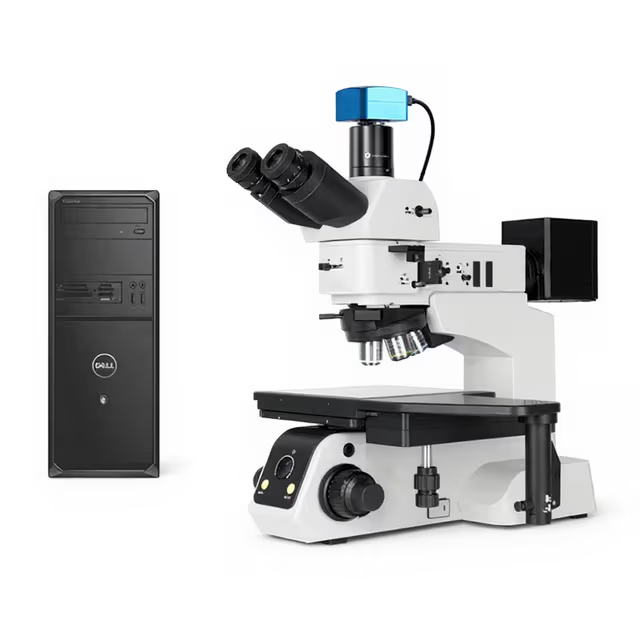
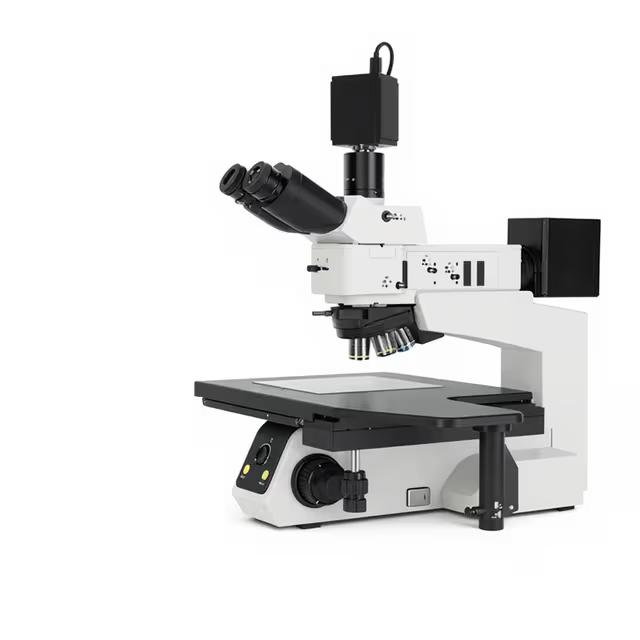
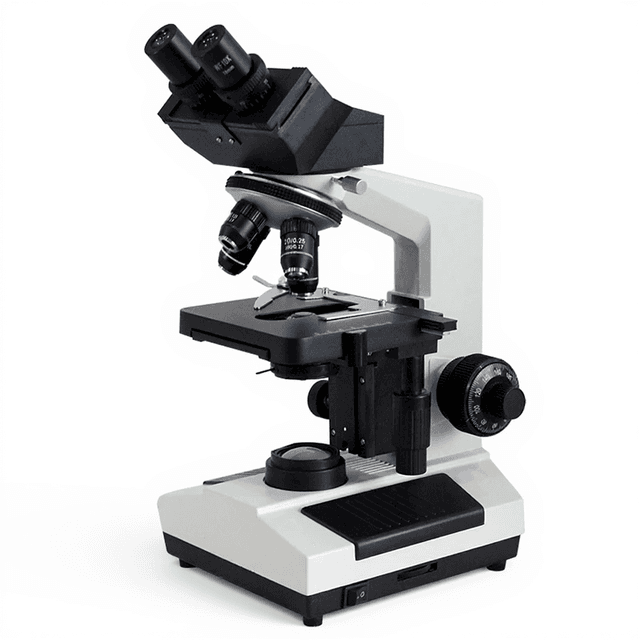
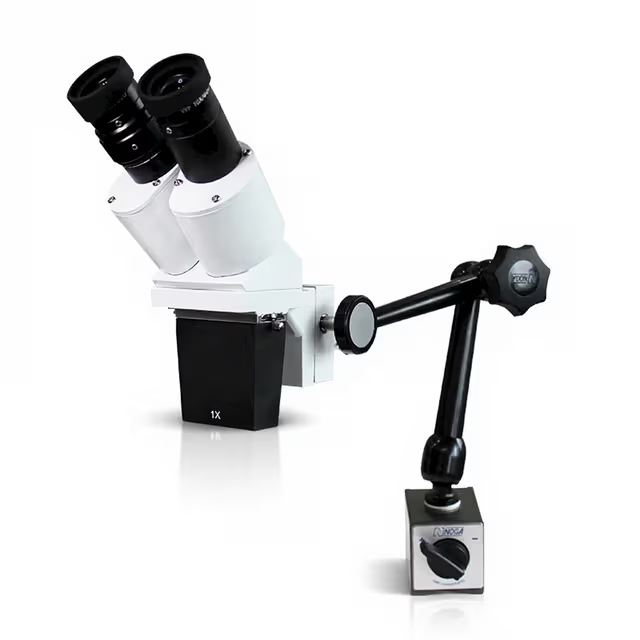
Motor Drive Auto Stereo 14~120X Digital 3D Microscope with 4K Camera & Side View for PCB Inspection
Digital stereo microscope with 14-120X magnification, 4K imaging, and dual working distances for PCB inspection and materials analysis applications.

Louise Corscadden, PhD
Director of Science · ConductScience
Ask Louise about Motor Drive Auto Stereo 14~120X Digital 3D Microscope with 4K Camera & Side View for PCB Inspection fit, setup, configuration, or quote prep.
Already working with us? Sign in to connect this with My Scientist.
Key Specifications
Full details →- Model fit
- Configured during quote
- SKU family
- MCX-0044
- Shipping box
- 4.9 x 6.6 x 6.6 cm
- Ordering
- Online checkout and quote request available
- Category
- Microscopy
- Build notes
- Confirm accessories, station layout, and support needs before purchase
The Motor Drive Auto Stereo Digital Microscope delivers high-resolution 3D imaging capabilities for detailed inspection of electronic components, circuit boards, and materials. With 14-120X total magnification range and 4K imaging resolution, this system provides the optical performance required for quality control and failure analysis applications.
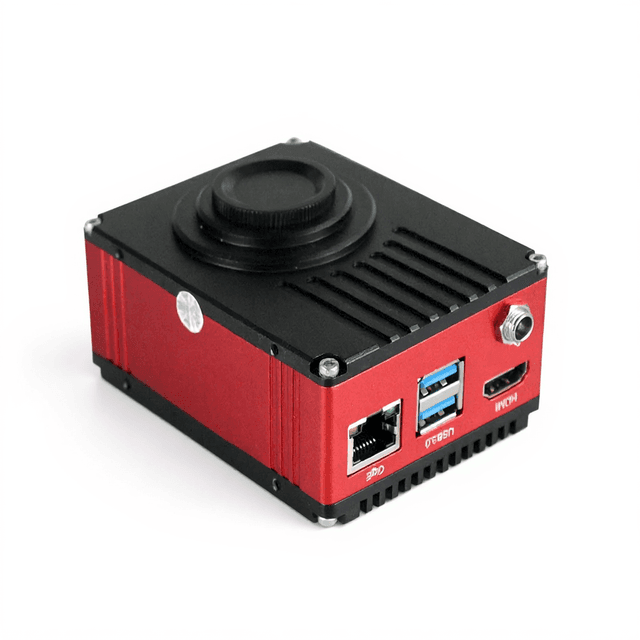
The integrated 1/1.8" SONY CMOS sensor captures 3840x2160 resolution images at 60 FPS, enabling both static documentation and real-time observation. The dual working distance configuration (86mm for 2D, 50mm for 3D observation) accommodates various sample geometries while maintaining optimal optical performance throughout the magnification range.
How It Works
The system employs stereo optical principles to generate three-dimensional images of sample surfaces. The 0.6-5.0X zoom body with 0.5X C-mount configuration provides variable magnification while maintaining parfocal operation. Light reflected from the sample surface is collected through the objective lens system and focused onto the 1/1.8" SONY CMOS sensor.
The sensor's 2.0μm × 2.0μm pixel array converts optical information into digital data at 3840x2160 resolution. The stereo observation mode enables depth perception and surface topology assessment through parallax viewing. HDMI output provides real-time display capability, while integrated memory functions allow direct capture of images and video to USB storage devices.
Features & Benefits
Automation Level
- semi-automated
Product Type
- Microscope
Microscope Type
- Stereo / Dissecting
Application
- Assembly & Rework
- Sample Preparation
Skill Level
- Professional / Research
Brand
- ConductScience
Research Domain
- Materials Science
Shipping weight
- 1.9 lb
Shipping box
- L: 4.9 cm
- W: 6.6 cm
- H: 6.6 cm
| Feature | This Product | Typical Alternative | Advantage |
|---|---|---|---|
| Image Resolution | 3840x2160 (4K) resolution | Many inspection microscopes offer 1080p or lower resolution imaging | Higher resolution enables detection of smaller defects and more detailed documentation for quality records. |
| Magnification Range | 14-120X continuous zoom range | Fixed magnification systems require objective changes for different zoom levels | Continuous zoom allows seamless transition from overview to detail inspection without workflow interruption. |
| Frame Rate | 60 FPS real-time imaging | Entry-level systems often limited to 30 FPS or lower | Higher frame rate reduces motion blur during sample manipulation and improves operator comfort. |
| Working Distance Options | Dual working distances (86mm 2D, 50mm 3D) | Single fixed working distance systems | Flexibility accommodates various sample heights and manipulation tool requirements. |
This system combines 4K imaging resolution with flexible magnification and dual working distances for comprehensive PCB and materials inspection capabilities. The 60 FPS frame rate and direct USB storage provide efficient workflow support for quality control applications.
Practical Tips
Verify magnification calibration using certified reference standards at multiple zoom settings across the 14-120X range.
Why: Display size variations affect effective magnification and measurement accuracy.
Keep the CMOS sensor protected from dust by using lens caps when not in operation and cleaning optical surfaces with proper materials.
Why: Sensor contamination degrades image quality and may appear in all captured images.
Select appropriate working distance (86mm for 2D, 50mm for 3D) based on sample geometry and required depth of field.
Why: Optimizes illumination uniformity and optical performance for different sample types.
If images appear soft at high magnifications, check that the sample surface is within the depth of field limits.
Why: Stereo systems have limited depth of field that decreases with increasing magnification.
Use consistent lighting conditions and capture settings when creating comparative documentation across multiple samples.
Why: Standardized imaging conditions improve reproducibility of inspection results and defect detection.
Ensure adequate ventilation when inspecting samples that may outgas or require cleaning solvents during preparation.
Why: Enclosed inspection areas can accumulate vapors that affect both operator safety and optical components.
Setup Guide
What’s in the Box
- Digital stereo microscope main unit (typical)
- 4K CMOS camera assembly (typical)
- HDMI cable (typical)
- USB cable (typical)
- Power adapter (typical)
- User manual and documentation (typical)
- Calibration reference (typical)
Warranty
ConductScience provides a standard one-year manufacturer warranty covering parts and labor, with technical support for setup and operation questions.
Compliance
References
Background reading relevant to this product:
What is the actual magnification range when using different monitor sizes?
The 14-120X range is calculated for a 15.6-inch 4K monitor. Larger displays will provide higher effective magnification, while smaller displays reduce it proportionally.
Can the system perform accurate dimensional measurements?
Yes, with proper calibration using reference standards. The 2.0μm pixel size provides the resolution foundation for measurement accuracy within the field of view limits.
What file formats are supported for image and video storage?
Consult product datasheet for specific supported formats. The system saves directly to USB drives through the integrated memory function.
How do I optimize illumination for different sample types?
Consult product datasheet for illumination specifications and adjustment procedures. Working distance selection affects illumination uniformity and contrast.
Is the zoom parfocal throughout the magnification range?
The 0.6-5.0X zoom body is designed for parfocal operation, though minor focus adjustments may be needed at extreme magnifications for optimal sharpness.
What maintenance is required for the CMOS sensor?
Protect sensor from dust and contamination. Clean only with appropriate optical cleaning materials and procedures as specified in the user manual.
Have a question about this product?
Have a question? Just ask.
Send it over and we'll email you a personalized answer — no call, no scheduling.
Prefer to talk it through?
Accessories
Enhance your setup with compatible accessories
Frequently Bought Together
Upgrade Options
Related Products