Nitrate Test Tube
Laboratory test tube consumable for nitrate detection and quantification in aqueous samples using colorimetric or spectrophotometric analysis methods.

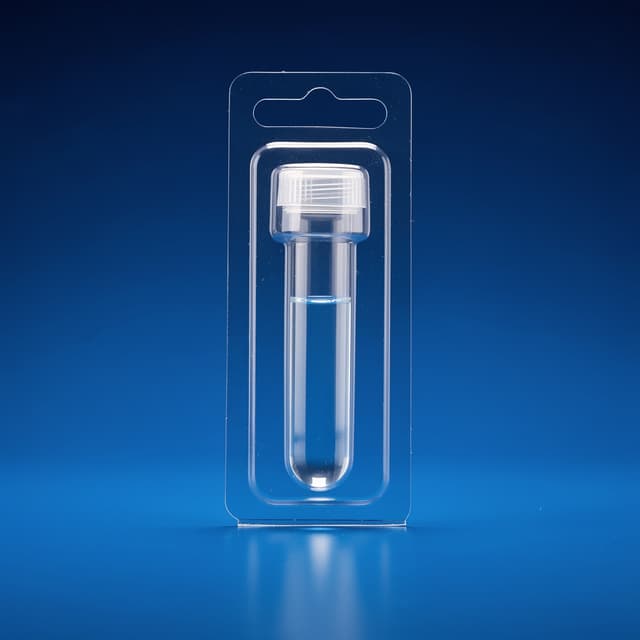
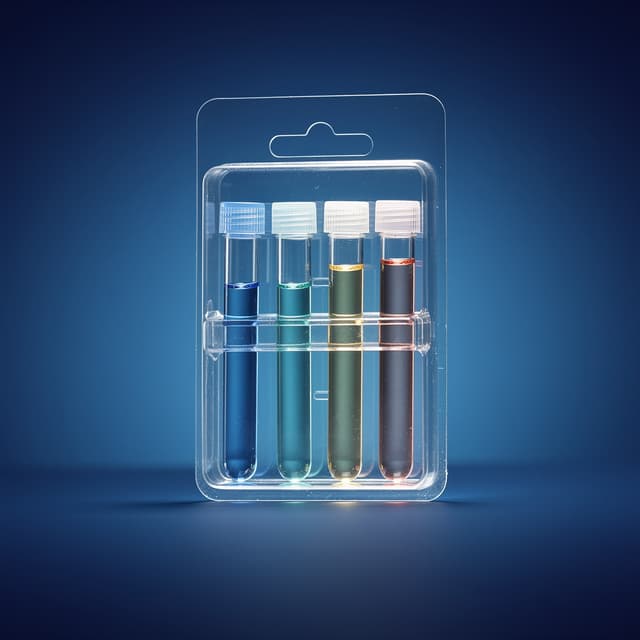
The Nitrate Test Tube is a laboratory consumable designed for nitrate detection and quantification in aqueous samples. This single-use testing vessel provides a standardized format for colorimetric or spectrophotometric nitrate analysis, accommodating various analytical protocols commonly employed in water quality assessment and environmental monitoring applications.
The test tube format enables consistent sample handling and measurement procedures, supporting reproducible analytical workflows in laboratory environments. Compatible with standard laboratory equipment including spectrophotometers, colorimeters, and automated analyzers, this consumable integrates into established analytical protocols for nitrate determination across research and quality control applications.
How It Works
Nitrate detection typically employs colorimetric analysis based on the Griess reaction or cadmium reduction methods. In the cadmium reduction approach, nitrate is reduced to nitrite using cadmium metal or cadmium-coated copper, followed by diazotization with sulfanilamide and coupling with N-(1-naphthyl)ethylenediamine to produce a pink azo dye with absorbance maximum at 540 nm.
The test tube provides a controlled reaction vessel for sample preparation and color development. Sample aliquots are combined with reagents in the tube, allowing for consistent reaction volumes and optical path lengths during spectrophotometric measurement. The uniform tube geometry ensures reproducible light transmission characteristics essential for quantitative analysis.
Alternative detection methods may utilize ion chromatography or ion-selective electrode techniques, where the test tube serves as a sample preparation vessel for dilutions, standard preparations, or matrix modifications prior to instrumental analysis.
Features & Benefits
Pack Size
- 24-Pack
Weight
- 0.26 kg
Dimensions
- L: 8.8 mm
- W: 7.3 mm
- H: 5.9 mm
Comparison Guide
| Feature | This Product | Typical Alternative | Advantage |
|---|---|---|---|
| Container Material | Laboratory-grade glass construction | Plastic containers may be used but can introduce contamination or chemical interference | Glass provides superior chemical inertness and optical clarity for accurate nitrate measurements. |
| Format Standardization | Standard test tube dimensions | Custom containers require specialized equipment adapters | Universal compatibility with existing laboratory equipment reduces setup complexity and equipment requirements. |
| Quality Consistency | ConductScience quality control standards | Variable quality control across suppliers | Consistent manufacturing standards ensure reproducible analytical results across product batches. |
| Usage Model | Single-use consumable design | Reusable containers require extensive cleaning validation | Eliminates cross-contamination risks and reduces laboratory cleaning and validation overhead. |
The Nitrate Test Tube offers standard laboratory glass construction in a universally compatible format, designed for reliable nitrate analysis workflows. The single-use format eliminates contamination concerns while maintaining compatibility with established analytical protocols and instrumentation.
Practical Tips
Handle tubes with powder-free gloves to prevent fingerprint contamination that could interfere with optical measurements.
Why: Skin oils and residues can affect light transmission and create background interference in spectrophotometric analysis.
Use reverse pipetting technique when adding viscous reagents to ensure accurate volume delivery and prevent bubble formation.
Why: Air bubbles can interfere with optical measurements and affect reaction stoichiometry.
Include blank tubes with reagents but no sample in each analytical batch to monitor for contamination and baseline drift.
Why: Blank measurements are essential for accurate background correction and quality control in quantitative analysis.
Inspect tubes for stress fractures before use, especially when handling samples containing strong acids or bases.
Why: Glass failure can result in sample loss, contamination, and potential exposure to hazardous chemicals.
Dispose of used tubes according to your laboratory's chemical waste protocols based on the reagents and samples used.
Why: Proper disposal prevents environmental contamination and complies with laboratory safety and regulatory requirements.
If color development appears uneven, ensure complete mixing by gentle inversion rather than vigorous shaking to prevent bubble formation.
Why: Incomplete mixing leads to concentration gradients that affect measurement accuracy, while bubbles interfere with optical analysis.
Allow tubes to reach room temperature before measurement if samples or reagents were stored at different temperatures.
Why: Temperature differences can affect reaction kinetics and optical properties, leading to measurement variability.
Setup Guide
What’s in the Box
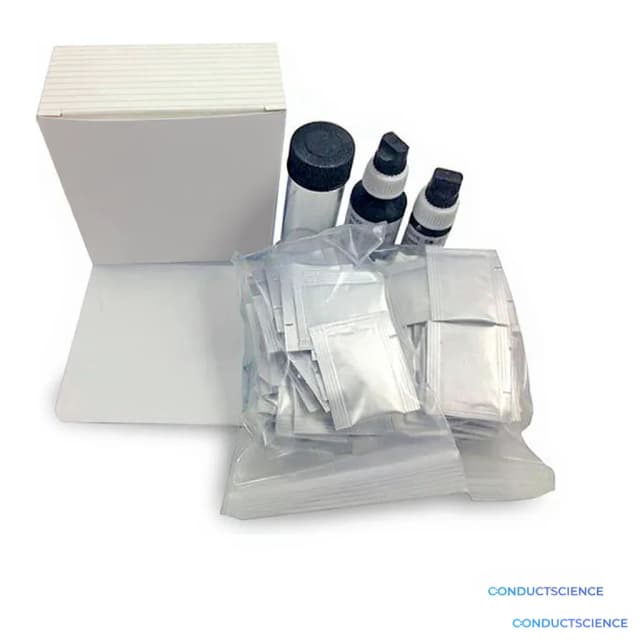
- Nitrate test tubes (quantity per package - consult product specifications)
- Product identification labels (typical)
- Certificate of quality (typical)
Warranty
ConductScience provides standard quality assurance for laboratory consumables, with replacement available for manufacturing defects identified upon receipt.
Compliance
What analytical methods are compatible with these test tubes?
The tubes support standard nitrate analysis methods including cadmium reduction, Griess reaction, ion chromatography sample preparation, and spectrophotometric protocols. Specific compatibility depends on your chosen analytical method and reagent systems.
Are the tubes suitable for automated analysis systems?
Standard test tube format is compatible with most automated analyzers and sample handling systems. Verify dimensional compatibility with your specific instrumentation before use.
What is the recommended storage condition for unused tubes?
Store in original packaging in a clean, dry laboratory environment away from potential contaminants. Avoid temperature extremes that could cause thermal stress to the glass.
Can these tubes be reused after cleaning?
While physically possible, single-use application is recommended to prevent cross-contamination and maintain analytical integrity. Cleaning validation would be required for reuse protocols.
What is the detection limit achievable with these tubes?
Detection limits depend on the analytical method employed, reagent quality, and instrumentation sensitivity rather than the test tube itself. Consult your analytical method documentation for specific performance characteristics.
Are the tubes certified for trace-level analysis?
Consult product datasheet for contamination specifications and quality control testing. For ultra-trace analysis, additional cleaning or specialized low-contamination tubes may be required.
Have a question about this product?
Accessories
Enhance your setup with compatible accessories
Frequently Bought Together