Pathology Workbench series
Height-adjustable stainless steel pathology workbenches with integrated ventilation, automated washing, and UV disinfection for tissue processing and gross examination workflows.

Louise Corscadden, PhD
Director of Science · ConductScience
Ask Louise about Pathology Workbench series fit, setup, configuration, or quote prep.
Already working with us? Sign in to connect this with My Scientist.
Key Specifications
Full details →- Model fit
- Gross Specimens
- SKU family
- RF-RD-907S-M / RF-RD-907S-C
- Shipping box
- 34.0 x 25.0 x 20.0 cm
- Ordering
- Online checkout and quote request available
- Category
- Pathology & Histology
- Build notes
- 304 stainless steel
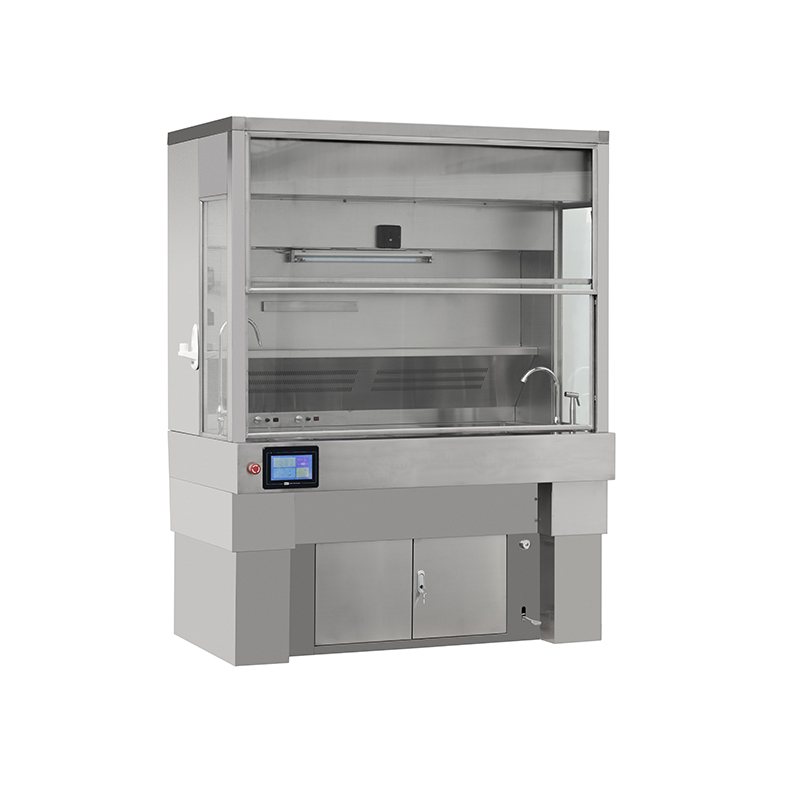
The Pathology Workbench series provides specialized gross examination stations designed for tissue processing and specimen preparation in histopathology laboratories. These workbenches feature height-adjustable stainless steel construction with integrated ventilation systems, automated washing capabilities, and comprehensive tool organization for systematic tissue handling workflows.
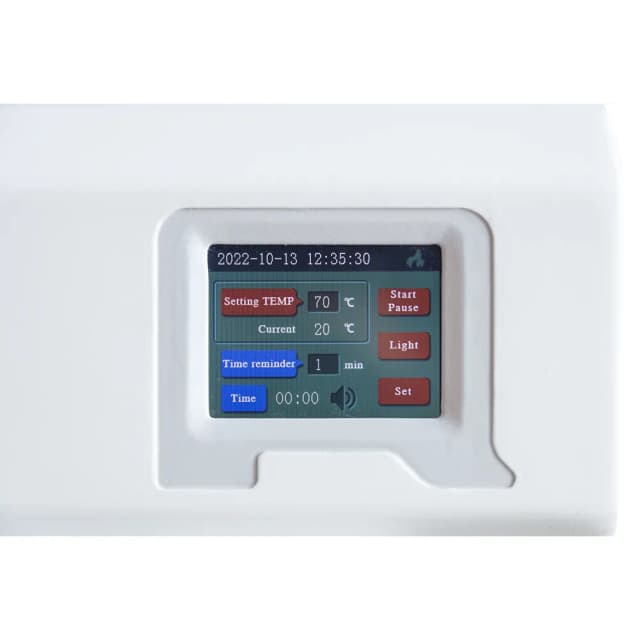
Built from 304 stainless steel with adjustable working height (800-1000mm), each workbench incorporates essential components for safe formalin-based tissue processing including UV disinfection, high-pressure washing systems, and dedicated fume extraction. The advanced model (RF-RD-907S-M) includes touchscreen controls, digital integration capabilities, and enhanced safety features such as a splash door and formalin collection system.
How It Works
The pathology workbench operates through a two-tier system combining specimen handling and waste management. The detachable perforated upper layer provides the primary work surface for tissue sectioning and examination, while the lower discharge layer channels fluids and debris toward integrated disposal systems. Foot-operated water controls allow hands-free operation during specimen handling, maintaining sterile technique while providing hot and cold water access.
Formalin vapor extraction occurs through the built-in exhaust fan system connected to external ventilation, creating negative pressure to draw potentially hazardous vapors away from the operator. The integrated pulverizer (560W, 4200 rpm) processes tissue debris, while the automatic washing system provides comprehensive surface decontamination between specimens. UV disinfection lamps provide additional sterilization capability for work surfaces and tools.
Digital integration capabilities in the advanced model allow documentation and data entry during gross examination, supporting laboratory information management system connectivity for specimen tracking and reporting workflows.
Features & Benefits
Equipment Type
- Workstations
Application
- Histology
Tissue Compatibility
- Gross Specimens
Countertop System
- Two-tier system with detachable perforated upper layer and discharge lower layer
Water Control
- Foot-operated hot and cold water taps
Fume Extraction
- Built-in exhaust fan with external ventilation connection
Lighting
- Integrated LED lighting and UV disinfection lamp
Waste Management
- Built-in debris crusher and garbage handler
Cleaning System
- Automatic washing device and integrated flushing system
Tool Organization
- Magnetic tool rack and stainless steel tissue holder
Communication
- Automatic induction type mobile phone
Optional Features
- Display screen and keyboard rack for digital integration
Automation Level
- semi-automated
Product Size (mm)
- L1500* W800*H2100mm
Table height
- 800- 1000mm adjustable
Control system
- Touch screen operation panel
Standard parts
- Safety Splash Door
Pulverizer
- Voltage: 220v/50Hz
Fan specification data
- Speed: 500r/min
Customization
- YES
Material
- 304 stainless steel
Display Type
- LED
Research Domain
- Cancer Research
- Clinical Diagnostics
- Developmental Biology
- Microbiology
- Pharmaceutical QC
- Toxicology
Certifications
- CE
Shipping weight
- 6.61 lb
Shipping box
- L: 34.0 cm
- W: 25.0 cm
- H: 20.0 cm
| Feature | This Product | Typical Alternative | Advantage |
|---|---|---|---|
| Work Surface Material | 304 stainless steel construction (316 optional) | Basic models often use laminate surfaces or lower-grade metals | Provides superior chemical resistance and durability for long-term formalin exposure. |
| Height Adjustment Range | 800-1000mm adjustable height | Fixed-height tables are common in entry-level models | Accommodates different operator heights and ergonomic requirements for extended procedures. |
| Integrated Waste Processing | 560W pulverizer with 1200mL capacity at 4200 rpm | Manual waste collection systems without processing capability | Reduces biological waste volume and simplifies disposal procedures. |
| Ventilation System | Built-in exhaust fan with external connection | Separate hood systems or passive ventilation | Integrated design ensures consistent vapor extraction directly from the work surface. |
| Digital Integration | Touchscreen controls with display and camera mounting (advanced model) | Manual documentation with separate computer systems | Enables real-time documentation and laboratory information system connectivity. |
| Safety Features | UV disinfection, splash door, automatic washing, leakage protector | Basic models offer fewer integrated safety systems | Comprehensive safety approach reduces operator exposure and contamination risk. |
The Pathology Workbench series integrates multiple specialized functions in a single unit, combining ergonomic design with comprehensive safety systems and digital capabilities for modern pathology workflows.
| Model | SKU | Listed price | Status | Shipping box |
|---|---|---|---|---|
| Advanced | RWD-69026-1-1 | $7,499.00 | Available | 34.0 x 25.0 x 20.0 cm |
| Standard | RWD-69020-1-1 | $5,499.00 | Available | 34.0 x 25.0 x 20.0 cm |
Practical Tips
Verify exhaust fan airflow and water pressure settings during initial setup and quarterly maintenance checks.
Why: Consistent ventilation and water pressure ensure optimal safety and cleaning performance.
Clean the perforated work surface daily and inspect UV lamp function weekly for consistent disinfection.
Why: Regular maintenance prevents tissue debris accumulation and ensures effective decontamination between specimens.
Use the foot-operated water controls exclusively during specimen handling to maintain sterile technique.
Why: Hands-free water access prevents contamination of specimens and reduces cross-contamination risk.
Always activate exhaust ventilation before beginning formalin-based tissue processing procedures.
Why: Proper ventilation prevents formaldehyde vapor accumulation and protects operator health.
Check drainage flow if the automatic washing system shows reduced efficiency or water backup occurs.
Why: Proper drainage prevents water accumulation and maintains effective decontamination cycles.
Position the magnifying glass and lighting system to minimize shadows during gross examination documentation.
Why: Optimal lighting conditions ensure accurate specimen photography and detailed gross descriptions.
Inspect and clean the pulverizer blades monthly to prevent tissue debris accumulation and maintain processing efficiency.
Why: Clean blades ensure effective tissue waste processing and prevent equipment malfunction.
Setup Guide
What’s in the Box
- Pathology workbench main unit
- 3 movable cutting boards
- Magnetic tool tray
- High-pressure shower attachment
- LED lighting system
- UV disinfection lamp
- Automatic washing device
- Electrical leakage protector
- Safety splash door (advanced model)
- Magnifying glass (advanced model)
- Formalin collector and drainer (advanced model)
- Keyboard and display holders (advanced model)
- Camera mounting bracket (advanced model)
- Installation hardware and user manual
Warranty
ConductScience provides a one-year manufacturer warranty covering defects in materials and workmanship, with technical support for installation and operational guidance.
Compliance
References
Background reading relevant to this product:
What ventilation requirements are needed for safe formalin vapor extraction?
The built-in exhaust fan connects to external ventilation systems and should provide adequate airflow to maintain formalin vapor concentrations below OSHA permissible exposure limits. Consult facility engineering for specific CFM requirements based on laboratory size and usage patterns.
Can the workbench accommodate large surgical specimens?
The 1500×800mm work surface provides adequate space for most surgical specimens. The perforated upper tier and adjustable height (800-1000mm) allow ergonomic handling of specimens up to the pulverizer capacity of 1200mL for debris processing.
How does the automatic washing system operate between specimens?
The integrated washing device provides comprehensive surface decontamination using the high-pressure shower system. Combined with UV disinfection capabilities, this ensures thorough decontamination between specimen processing sessions.
What digital integration capabilities are available?
The advanced model includes touchscreen controls, keyboard and display holders, plus camera mounting for documentation. These features support laboratory information system connectivity for specimen tracking and digital pathology workflows.
Is 316 stainless steel necessary for standard pathology applications?
304 stainless steel provides adequate chemical resistance for routine formalin-based processing. 316 grade offers enhanced corrosion resistance for high-volume laboratories or extended exposure to aggressive chemicals, available as an option on the advanced model.
How is tissue debris managed during processing?
The integrated 560W pulverizer processes tissue waste at 4200 rpm with 1200mL capacity. Combined with the two-tier drainage system and formalin collection (advanced model), this provides comprehensive waste management during gross examination.
What maintenance is required for optimal performance?
Regular cleaning of the perforated work surface, UV lamp replacement, and pulverizer blade maintenance ensure optimal performance. The stainless steel construction allows standard laboratory disinfectants for routine cleaning protocols.
Have a question about this product?
Have a question? Just ask.
Send it over and we'll email you a personalized answer — no call, no scheduling.
Prefer to talk it through?
Accessories
Enhance your setup with compatible accessories