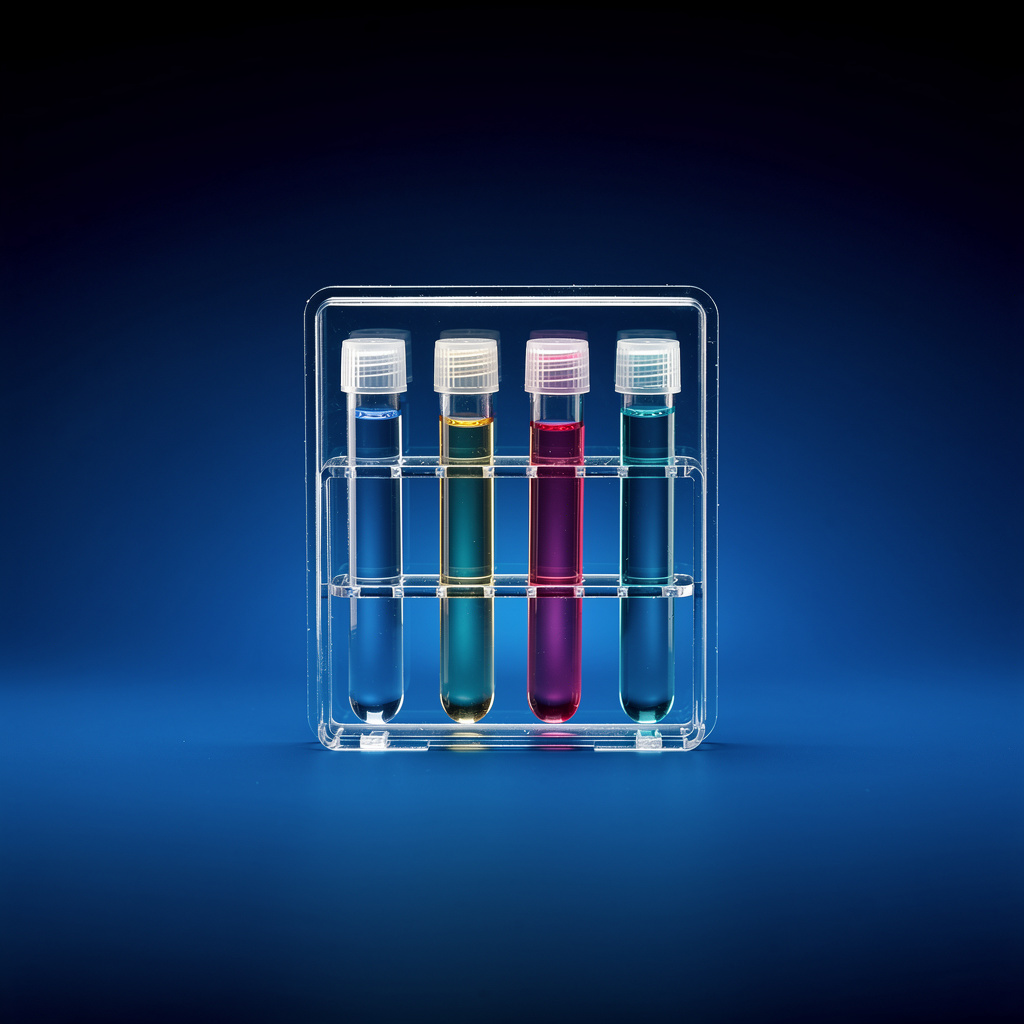
Peroxide Test Tube In Price
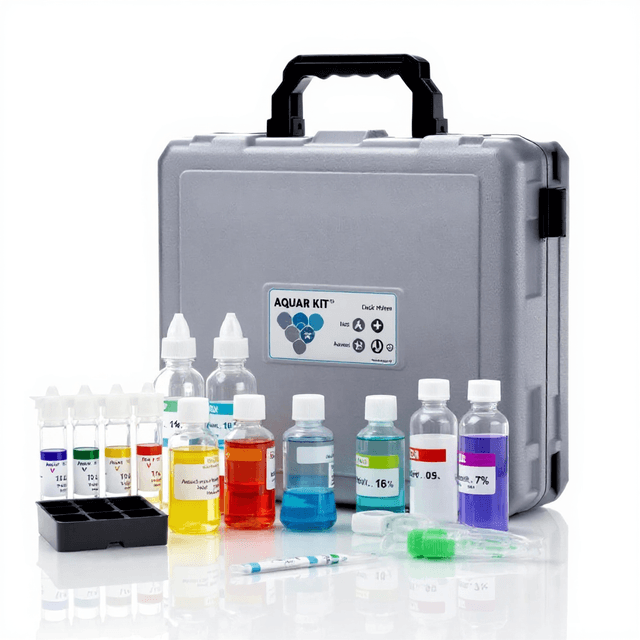
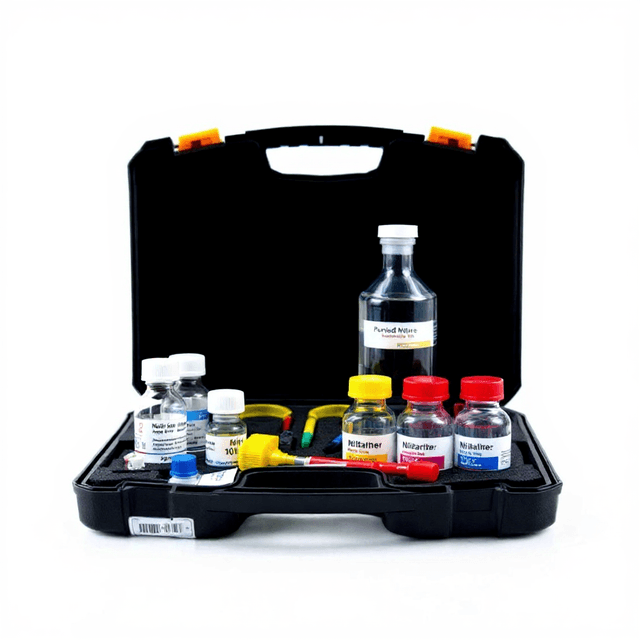
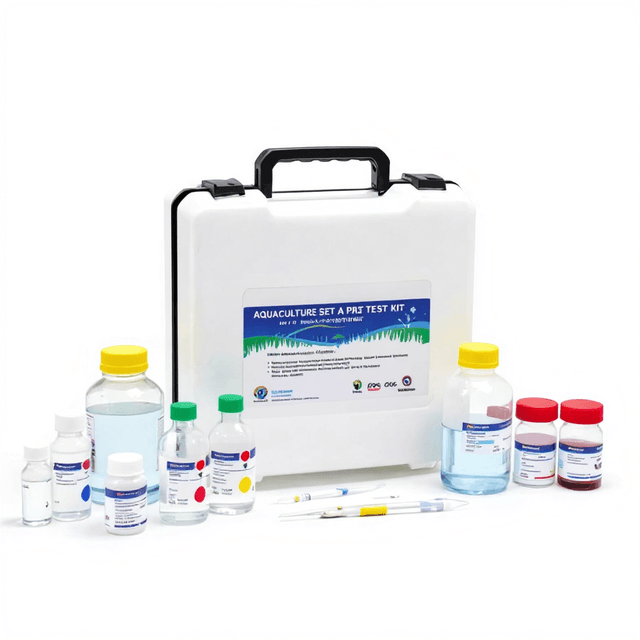
Portable colorimetric test tubes for rapid hydrogen peroxide determination in aqueous samples, providing semi-quantitative results in 3-5 minutes without laboratory equipment.

Louise Corscadden, PhD
Director of Science · ConductScience
Ask Louise about Peroxide Test Tube In Price fit, setup, configuration, or quote prep.
Already working with us? Sign in to connect this with My Scientist.
Key Specifications
Full details →- Model fit
- 1 selectable configurations
- SKU family
- CS-LH-LAB020
- Shipping box
- 8.8 x 7.3 x 5.9 cm
- Ordering
- Online checkout and quote request available
- Category
- Water Test Kits
- Build notes
- Confirm accessories, station layout, and support needs before purchase
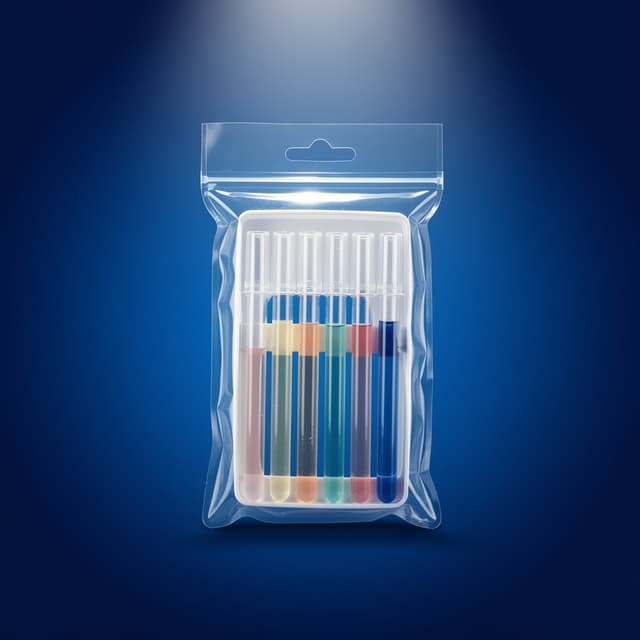
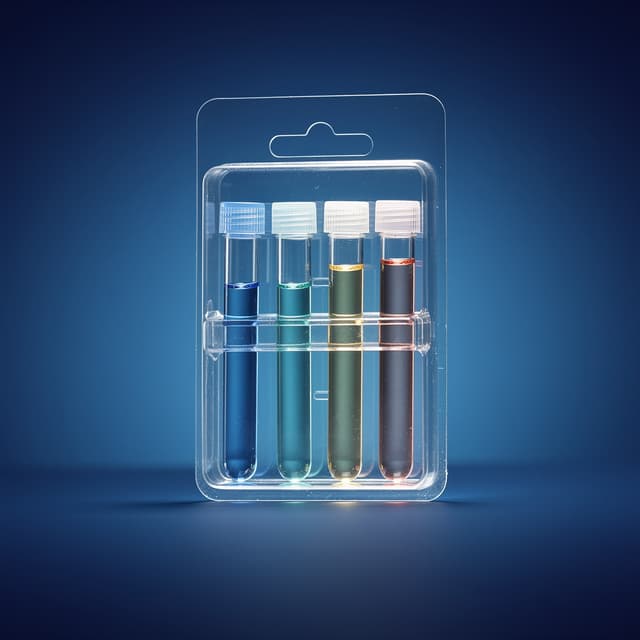
The ConductScience Peroxide Test Tube provides rapid colorimetric determination of hydrogen peroxide concentration in aqueous samples through a standardized reagent system. This portable analytical tool utilizes pre-measured reagents sealed in polyethylene tubes to enable field-ready peroxide quantification without laboratory infrastructure. The colorimetric method produces measurable color changes proportional to peroxide concentration, allowing semi-quantitative analysis within 3-5 minutes per sample.
Each sealed tube contains stabilized reagents with an 18-month shelf life at ambient temperature, eliminating the need for reagent preparation or calibration solutions. The lightweight design and self-contained format make this system suitable for on-site testing in industrial processes, environmental monitoring, and quality control applications where rapid peroxide assessment is required.
How It Works
The test system employs colorimetric detection based on the oxidation of chromogenic substrates by hydrogen peroxide in the presence of catalytic reagents. When the sample is introduced to the pre-loaded reagents, hydrogen peroxide catalyzes the oxidation of indicator compounds, producing a colored complex whose intensity correlates with peroxide concentration. Common chromogenic systems include iron-thiocyanate complexes, where ferrous iron is oxidized to ferric iron in the presence of peroxide, forming intensely colored thiocyanate complexes.
The reaction kinetics are optimized for completion within 3-5 minutes at ambient temperature, with color development stabilized by pH buffering systems and interference-masking agents. The sealed tube design prevents atmospheric contamination and maintains reagent stability through aluminum foil barrier protection. Color intensity can be assessed visually against reference standards or measured instrumentally for quantitative determination.
Reagent formulations follow international analytical standards for peroxide determination, incorporating validated methodologies adapted for field-portable applications. The standardized format ensures reproducible results across different testing environments and minimizes user technique variables.
Features & Benefits
Shipping weight
- 0.26 lb
Shipping box
- L: 8.8 cm
- W: 7.3 cm
- H: 5.9 cm
| Feature | This Product | Typical Alternative | Advantage |
|---|---|---|---|
| Reaction Time | 3-5 minutes to completion | Laboratory methods often require 30-60 minutes including sample preparation | Enables rapid decision-making in process control and field monitoring situations where immediate results drive operational decisions. |
| Shelf Life | 18-month stability at ambient temperature | Liquid reagents typically require refrigerated storage with shorter stability | Reduces storage infrastructure requirements and enables stockpiling for emergency response or intermittent testing programs. |
| Portability | Self-contained tubes requiring no auxiliary equipment | Field test kits often require multiple reagent bottles and measurement devices | Simplifies field operations and reduces the risk of reagent loss or contamination during transport to remote testing sites. |
| Sample Volume Requirements | Consult product datasheet for specific volume | Varies by method | Optimized reagent ratios ensure reliable results while minimizing sample consumption for applications with limited sample availability. |
This product offers rapid field-testing capability with extended shelf life and simplified operation compared to traditional analytical approaches. The standardized reagent format reduces user variables while maintaining analytical traceability to established methods.
Practical Tips
Test samples immediately after collection when possible to minimize peroxide decomposition effects.
Why: Hydrogen peroxide naturally decomposes in aqueous solution, leading to underestimation of actual concentrations.
Verify analytical performance periodically using certified reference materials or freshly prepared peroxide standards.
Why: Reagent activity can drift over time even within shelf life, affecting quantitative accuracy.
Inspect aluminum foil seals before use and discard any tubes showing damage or premature seal failure.
Why: Compromised seals allow moisture and oxygen ingress that degrades reagent performance and analytical reliability.
Record ambient temperature and reaction time for each test to support result interpretation and troubleshooting.
Why: Reaction kinetics are temperature-dependent, and documentation supports quality assurance for regulatory applications.
If color development appears weak or delayed, verify sample pH is within the acceptable range for the method.
Why: Extreme pH conditions can inhibit chromogenic reactions or alter color development characteristics.
Handle used tubes as chemical waste and follow institutional disposal protocols for analytical reagents.
Why: Reagent mixtures may contain compounds requiring specific disposal methods to meet environmental regulations.
Establish acceptance criteria for visual color comparison or spectrophotometric measurement precision before routine use.
Why: Pre-defined criteria ensure consistent data interpretation across different operators and testing sessions.
Document lot numbers and expiration dates for all tubes used in testing to support analytical traceability.
Why: Batch-to-batch reagent variations can affect results, and documentation supports investigation of analytical anomalies.
Setup Guide
What’s in the Box
- Pre-loaded peroxide test tubes with sealed reagents
- User instructions and analytical protocol (typical)
- Color reference chart for semi-quantitative assessment (typical)
- Safety data sheet and disposal guidelines (typical)
Warranty
ConductScience provides standard one-year manufacturer warranty covering reagent integrity and packaging defects. Technical support is available for analytical methodology questions and troubleshooting guidance.
Compliance
References
Background reading relevant to this product:
What is the detection range and sensitivity of these test tubes?
Specific detection range and sensitivity parameters are detailed in the product datasheet. The colorimetric method provides semi-quantitative assessment with visual comparison to reference standards, while spectrophotometric measurement can enhance quantitative precision.
How do these compare to laboratory-based peroxide analysis methods?
These provide rapid field screening capability with 3-5 minute results versus hours for laboratory turnaround. While precision may be lower than instrumental methods, the portability and speed make them valuable for initial assessment and process monitoring.
What interferences should I be concerned about in my samples?
Common interferences include strong oxidizing or reducing agents, high organic content, and extreme pH conditions. Consult the analytical protocol for specific interference profiles and sample pretreatment recommendations.
Can results be quantified spectrophotometrically?
Yes, the colorimetric reaction products can be measured spectrophotometrically at the appropriate wavelength specified in the methodology. This provides enhanced quantitative capability compared to visual assessment alone.
How should samples be collected and preserved?
Collect samples in clean containers avoiding contamination with organic materials. Test immediately when possible, as hydrogen peroxide can decompose rapidly. Specific preservation requirements depend on sample matrix and storage duration.
What are the storage requirements for unused tubes?
Store at ambient temperature in original packaging with intact aluminum foil seals. Avoid exposure to extreme temperatures, direct sunlight, and moisture. Shelf life is 18 months under proper storage conditions.
Are these suitable for continuous monitoring applications?
These are designed for discrete sample testing rather than continuous monitoring. For ongoing process control, implement a sampling schedule appropriate to your application requirements and peroxide decay kinetics.
How do I validate results for regulatory reporting?
Run parallel analyses with certified reference materials when available, compare results with established laboratory methods for selected samples, and maintain detailed documentation of testing conditions and quality control measures.
Have a question about this product?
Have a question? Just ask.
Send it over and we'll email you a personalized answer — no call, no scheduling.
Prefer to talk it through?
Accessories
Enhance your setup with compatible accessories
Frequently Bought Together