pH Test Analyzer With Sensor
Portable pH/ORP/temperature analyzer with electrochemical sensing for laboratory and field water quality analysis, featuring battery operation and compact design for environmental monitoring applications.
| pH | Measuring range |
| Model | LH-P220 |
| Measuring accuracy | ±0.5°C |
| ORP | Measuring range |
| Automation Level | manual |
| Brand | ConductScience |

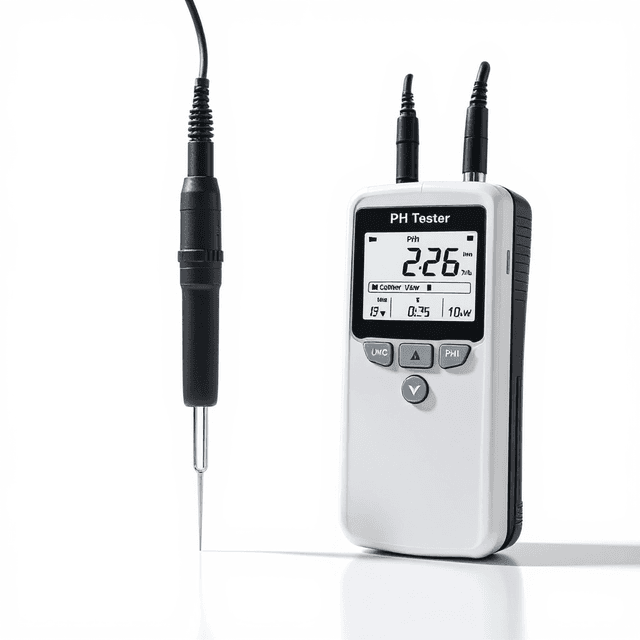
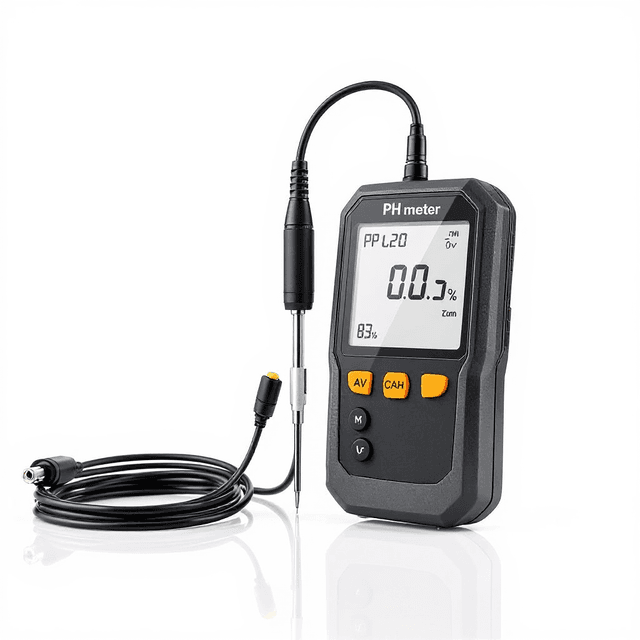
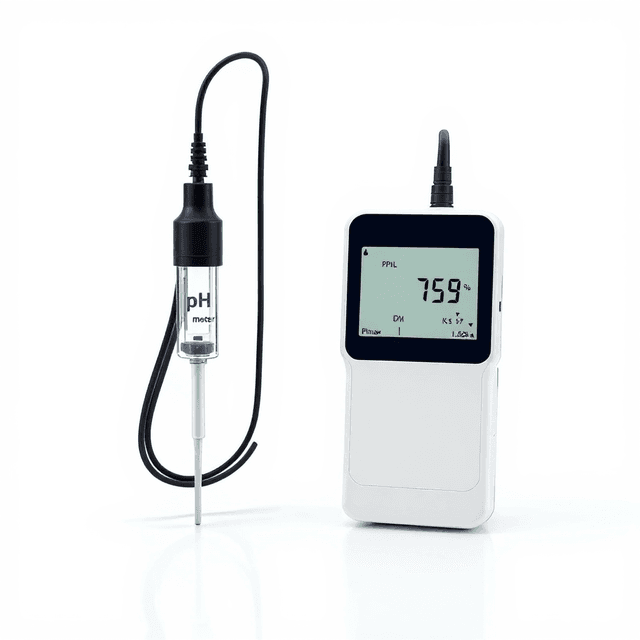
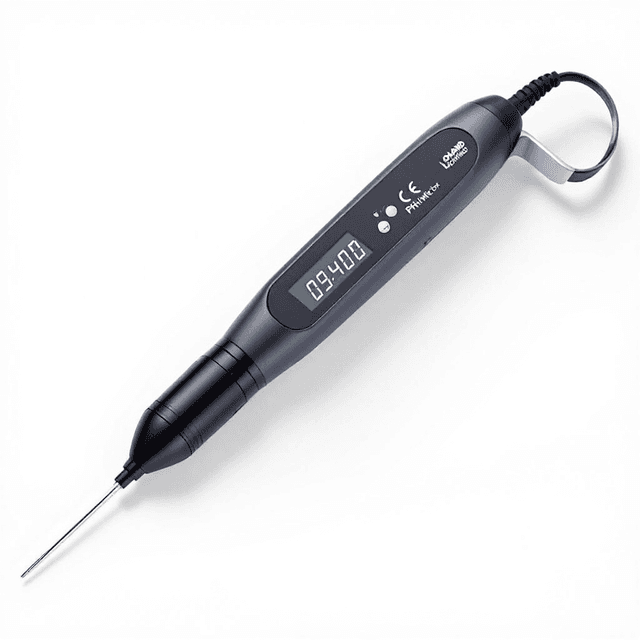
The pH Test Analyzer with Sensor (Model LH-P220) is a portable potentiometric analytical instrument designed for multi-parameter water quality analysis in laboratory and field environments. This handheld unit simultaneously measures pH, oxidation-reduction potential (ORP), and temperature using electrochemical sensing principles. The instrument employs standard glass electrode technology with automatic temperature compensation to provide accurate measurements across diverse aqueous samples.
The analyzer features a compact, lightweight design (270g without batteries) optimized for field portability while maintaining analytical precision suitable for research applications. Battery operation using three AAA cells enables extended field deployment without external power requirements. The instrument is particularly suited for environmental monitoring, water quality assessment, and analytical workflows requiring rapid pH determination in various sample matrices.
How It Works
The pH Test Analyzer operates on potentiometric principles, measuring the electrical potential difference between a pH-sensitive glass electrode and a stable reference electrode. The glass electrode contains a pH-sensitive membrane that develops a potential proportional to the logarithm of hydrogen ion activity in solution, following the Nernst equation. This potential difference, typically ranging from -414 to +414 mV across the pH scale, is converted to pH units through internal calibration algorithms.
The ORP measurement utilizes a platinum or gold electrode surface that responds to the oxidation-reduction potential of the solution, providing information about the electron activity and oxidizing or reducing nature of the sample. Temperature measurement is accomplished through an integrated temperature sensor that provides both direct temperature readings and automatic temperature compensation for pH measurements, correcting for the temperature dependence of the Nernst response.
The instrument's microprocessor-controlled electronics process the electrode signals, apply calibration corrections, and display results on the integrated display. Battery operation ensures stable performance without AC power fluctuations that could introduce measurement noise.
Features & Benefits
pH
- Measuring range
Research Domain
- Analytical Chemistry
- Environmental Monitoring
- Food Science
- Pharmaceutical QC
Model
- LH-P220
Measuring accuracy
- ±0.5°C
ORP
- Measuring range
Automation Level
- manual
Brand
- ConductScience
Accuracy
- 0.1â,0.1â
Temperature Range
- Measuring range
Power/Voltage
- AAA battery*3
Size
- 165x75x51mm
Weight
- 270g(no battery)
Weight
- 0.62 kg
Dimensions
- L: 6.5 mm
- W: 2.95 mm
- H: 2.01 mm
Comparison Guide
| Feature | This Product | Typical Alternative | Advantage |
|---|---|---|---|
| Multi-parameter capability | pH, ORP, and temperature measurement in single unit | Entry-level portable meters often measure pH only | Reduces equipment requirements and provides comprehensive sample characterization for water quality assessment. |
| Temperature accuracy | ±0.5°C temperature measurement precision | Basic portable units may have ±1-2°C temperature accuracy | Enables more accurate temperature compensation for pH measurements and better thermal profiling of samples. |
| Resolution | 0.1 unit resolution for pH and temperature | Some field instruments offer 0.01 pH resolution | Provides adequate precision for most field applications while maintaining measurement stability in challenging conditions. |
| Power system | Standard AAA battery operation (3x) | Some units use proprietary rechargeable batteries | Enables easy field replacement with commercially available batteries without requiring charging infrastructure. |
| Form factor | Compact 165×75×51mm dimensions, 270g weight | Varies by model - some offer smaller form factors | Balances portability with functionality for handheld field measurements and single-operator deployment. |
The LH-P220 offers multi-parameter measurement capability with practical temperature accuracy and standard battery operation. Its compact design provides good portability while maintaining analytical functionality suitable for routine field pH, ORP, and temperature measurements.
Practical Tips
Use fresh buffer solutions and ensure they are at the same temperature as your samples for most accurate calibration.
Why: Buffer solution age and temperature differences introduce systematic errors in pH measurements.
Verify calibration slope by checking that the two-point calibration yields approximately 59 mV/pH unit at 25°C.
Why: Electrode degradation is indicated by significant deviation from theoretical Nernstian response.
Store electrodes in pH 4 buffer or storage solution, never in distilled water for extended periods.
Why: Proper storage solution maintains electrode hydration and prevents junction potential drift.
Clean contaminated electrodes with mild detergent solution followed by thorough distilled water rinse.
Why: Protein and organic deposits on electrode surfaces cause slow response and measurement errors.
Allow 30-60 seconds for reading stabilization, especially in low ionic strength samples.
Why: Electrode equilibration time affects measurement accuracy and reproducibility.
Minimize electrode exposure to air between measurements to prevent dehydration of the glass membrane.
Why: Glass electrode dehydration leads to increased response time and reduced sensitivity.
If readings drift continuously, check electrode junction for clogging or replace electrode storage solution.
Why: Junction blockage prevents proper ionic contact between reference electrode and sample.
Record sample temperature along with pH readings for proper documentation and data interpretation.
Why: pH measurements are temperature-dependent and temperature data is essential for result validation and comparison.
Setup Guide
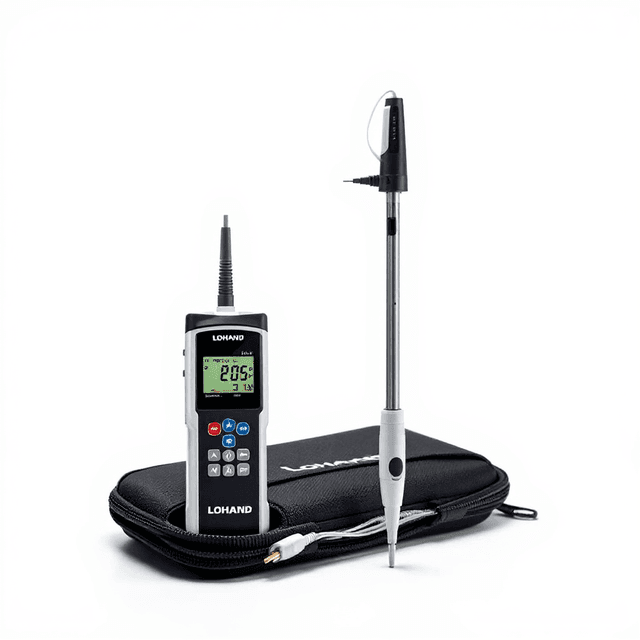
What’s in the Box
- pH Test Analyzer main unit (LH-P220)
- pH/ORP combination electrode with cable (typical)
- Temperature sensor (integrated or separate) (typical)
- Calibration buffer solution sachets (pH 4.0, 7.0) (typical)
- Electrode storage solution (typical)
- User manual and calibration instructions
- Protective carrying case (typical)
- AAA batteries (3x) (typical)
Warranty
ConductScience provides a standard one-year manufacturer warranty covering defects in materials and workmanship, with technical support available for calibration procedures and troubleshooting assistance.
Compliance
References
Background reading relevant to this product:
What is the calibration frequency requirement for accurate pH measurements?
Daily calibration is recommended using fresh pH buffer solutions (typically pH 4.0 and 7.0) before each measurement session. Two-point calibration establishes both the electrode zero point and slope response.
How does temperature affect pH measurements and what compensation is provided?
pH measurements have inherent temperature dependence due to the Nernst equation relationship. The analyzer includes temperature measurement with ±0.5°C accuracy to provide automatic temperature compensation, ensuring accurate pH readings across varying sample temperatures.
What is the expected electrode lifespan and replacement indicators?
Glass pH electrodes typically provide 6-12 months of reliable service depending on usage and sample types. Replace electrodes when calibration slope falls below 90% of theoretical (-59.16 mV/pH unit at 25°C) or when drift exceeds acceptable limits.
Can this analyzer measure pH in non-aqueous or high ionic strength solutions?
The instrument is designed for aqueous solutions. High ionic strength samples may require dilution or specialized electrode conditioning. Non-aqueous measurements require verification of electrode compatibility and may affect accuracy.
What maintenance procedures are required for optimal performance?
Rinse electrodes with distilled water between samples, store in appropriate storage solution when not in use, and perform regular calibration verification. Clean electrodes with mild detergent for protein or organic contamination removal.
How does this analyzer compare to benchtop pH meters?
Portable design provides field measurement capability with slightly reduced precision compared to laboratory benchtop instruments. Suitable for screening and field work where immediate results are required, with laboratory confirmation for critical measurements.
What sample volume and container requirements apply?
Minimum sample volume should allow complete electrode immersion (typically 25-50 mL). Use clean, chemically inert containers and ensure sample temperature equilibration before measurement for optimal accuracy.
How long do measurements take to stabilize?
Typical stabilization time is 30-60 seconds in aqueous solutions at room temperature. Low ionic strength samples or extreme pH values may require longer equilibration times for stable readings.
Have a question about this product?
Accessories
Enhance your setup with compatible accessories
Frequently Bought Together