Predator Odor Exposure Test
Behavioral assessment system for evaluating anxiety-like behaviors and fear responses through controlled exposure to predator odors in laboratory animals.

Louise Corscadden, PhD
Director of Science · ConductScience
Ask Louise about Predator Odor Exposure Test fit, setup, configuration, or quote prep.
Already working with us? Sign in to connect this with My Scientist.
Key Specifications
Full details →- Model fit
- Hamster, Mouse, Rat, Guinea pig
- SKU family
- CS-958221
- Sizing
- 65.0 x 36.0 x 27.0 cm
- Ordering
- Online checkout and quote request available
- Category
- Behavioral Mazes
- Build notes
- Confirm accessories, station layout, and support needs before purchase
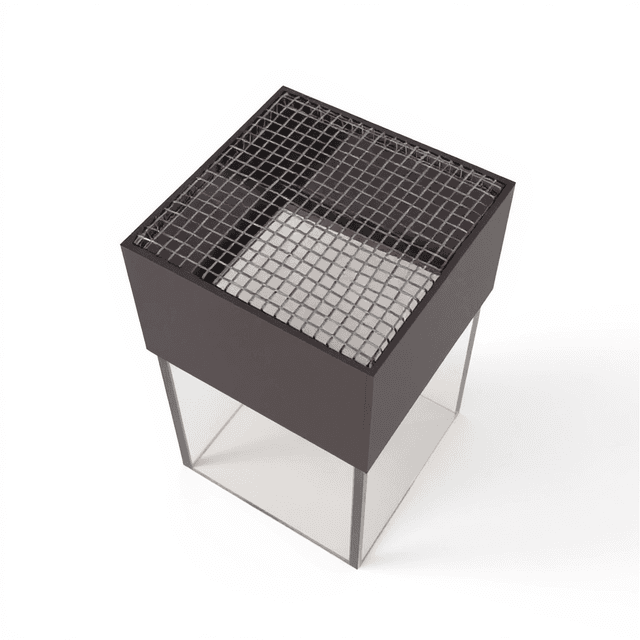
The Predator Odor Exposure Test is a behavioral assessment tool designed to evaluate anxiety-like behaviors and fear responses in laboratory animals through controlled exposure to predator scents. This paradigm exploits the innate fear response that prey animals exhibit when exposed to chemical cues from their natural predators, providing a non-invasive method to assess anxiety states and stress-related behaviors.
The test apparatus allows researchers to systematically present predator odors while monitoring behavioral responses such as freezing, avoidance, and locomotor activity changes. This approach is particularly valuable for studying the neurobiological mechanisms underlying fear conditioning, anxiety disorders, and the effects of pharmacological interventions on defensive behaviors. The paradigm provides ecological validity by utilizing naturally occurring predator-prey relationships to elicit behavioral responses.
How It Works
The Predator Odor Exposure Test operates on the principle of innate predator-prey relationships encoded in the nervous systems of laboratory animals. When prey animals detect chemical cues from predators through their olfactory system, they exhibit species-typical defensive behaviors including freezing, avoidance, and altered locomotion patterns. These responses are mediated by neural circuits involving the amygdala, hypothalamus, and brainstem regions responsible for fear processing and defensive behaviors.
During testing, animals are exposed to predator odors (commonly from cats, foxes, or other natural predators) in a controlled environment while their behavioral responses are monitored and quantified. The intensity and duration of defensive behaviors serve as measures of anxiety-like states and fear responsiveness. The paradigm can be modified to include habituation protocols, where repeated exposures allow assessment of fear extinction and adaptive responses.
Behavioral parameters typically measured include freezing duration, locomotor activity changes, avoidance behaviors, and exploratory activity. These measurements provide quantitative data on stress responsiveness and can be used to evaluate the efficacy of anxiolytic treatments or to characterize anxiety phenotypes in genetically modified animal models.
Features & Benefits
Behavioral Construct
- Anxiety
- Fear Response
- Defensive Behavior
- Stress Response
- Avoidance Behavior
- Freezing Behavior
Automation Level
- semi-automated
Research Domain
- Addiction Research
- Anxiety and Depression
- Behavioral Pharmacology
- Learning and Memory
- Neuroscience
- Pain Research
Species
- Hamster
- Mouse
- Rat
- Guinea pig
Compatible Tracking Software
- ConductVision
Weight
- 6.06 kg
Dimensions
- L: 65.0 mm
- W: 36.0 mm
- H: 27.0 mm
| Feature | This Product | Typical Alternative | Advantage |
|---|---|---|---|
| Ecological Validity | Utilizes natural predator-prey relationships | Most anxiety tests rely on artificial environmental manipulations | Provides more translatable results to natural anxiety states and fear responses. |
| Behavioral Endpoints | Measures species-typical defensive behaviors | Traditional tests often measure approach-avoidance or exploration | Captures biologically relevant fear responses that are evolutionarily conserved across species. |
| Stress Induction Method | Non-invasive olfactory stimulation | Physical stressors or environmental manipulations | Maintains animal welfare while providing robust stress responses for pharmacological studies. |
| Protocol Flexibility | Supports acute and chronic exposure paradigms | Fixed testing protocols with limited modification options | Accommodates various research questions from acute drug effects to long-term stress adaptation studies. |
This predator odor exposure system leverages natural fear responses to provide ecologically valid behavioral assessments. The non-invasive approach and flexible protocols make it particularly suitable for comprehensive anxiety research and pharmacological screening applications.
Practical Tips
Use fresh predator odor sources or properly stored frozen samples to maintain consistent potency across experimental sessions.
Why: Odor degradation can lead to variable behavioral responses and reduced experimental reproducibility.
Standardize odor concentration using dilution series and verify detection thresholds with pilot animals before main experiments.
Why: Ensures consistent stimulus intensity and prevents ceiling or floor effects in behavioral responses.
Clean testing chambers thoroughly between sessions using ethanol followed by air drying to eliminate residual odors.
Why: Prevents contamination from previous exposures that could confound behavioral measurements.
Record baseline behavioral activity for at least 5 minutes before odor introduction to establish individual behavioral patterns.
Why: Allows for within-subject comparisons and accounts for individual differences in baseline activity levels.
If animals show minimal responses, verify odor source potency and check for habituation from previous exposures.
Why: Reduced responses may indicate ineffective stimuli or adaptive changes from repeated testing.
Handle predator odor sources with appropriate personal protective equipment and ensure adequate ventilation in testing areas.
Why: Prevents researcher exposure to concentrated odors and maintains safe working conditions.
Counterbalance odor presentation order and include appropriate control conditions in experimental designs.
Why: Controls for order effects and provides proper baselines for statistical comparisons.
Setup Guide
What’s in the Box
- Testing chamber with odor presentation system (typical)
- Predator odor source containers (typical)
- Behavioral monitoring equipment mounting hardware (typical)
- Protocol documentation and setup guide (typical)
- Calibration standards for odor concentration (typical)
Warranty
ConductScience provides a standard one-year manufacturer warranty covering defects in materials and workmanship, with technical support for protocol optimization and troubleshooting.
Compliance
References
Background reading relevant to this product:
What predator odors are most effective for inducing anxiety-like behaviors in rodents?
Cat odor (from cat fur, urine, or feces) is most commonly used and effective for mice and rats. Fox odor is also highly effective, particularly for outdoor-derived laboratory strains. The choice depends on species-specific predator relationships and research objectives.
How long should animals be exposed to predator odor to achieve measurable behavioral responses?
Acute exposures of 5-15 minutes typically elicit robust defensive behaviors. For habituation studies, repeated daily exposures of 10-30 minutes may be used. Consult published protocols for specific experimental paradigms and species considerations.
Can this test be combined with other behavioral assessments?
Yes, predator odor exposure can be integrated with elevated plus maze, open field test, or fear conditioning protocols. However, allow sufficient washout periods between tests to prevent carryover effects from odor exposure.
What behavioral parameters should be quantified during predator odor exposure?
Primary measures include freezing duration, locomotor activity, rearing behavior, and time spent in odor-proximal versus odor-distal zones. Additional parameters may include grooming, defecation, and exploratory behaviors depending on research objectives.
How should predator odors be prepared and stored to maintain consistency?
Fresh predator materials should be collected under standardized conditions and stored frozen in small aliquots. Synthetic predator compounds offer greater consistency but may have reduced potency compared to natural odors.
What controls should be included in predator odor exposure experiments?
Include clean air control, novel non-predator odor control (such as vanilla or citrus), and vehicle control if using carrier solutions. Counterbalanced exposure orders help control for habituation effects.
How does this test compare to other anxiety assessment methods?
Predator odor exposure provides higher ecological validity than traditional anxiety tests like elevated plus maze, as it exploits innate fear responses. However, it may show different pharmacological sensitivities and should be used as part of a comprehensive behavioral battery.
Have a question about this product?
Have a question? Just ask.
Send it over and we'll email you a personalized answer — no call, no scheduling.
Prefer to talk it through?
Accessories
Enhance your setup with compatible accessories

Frequently Bought Together