Refractometer Alcohol Adjustment
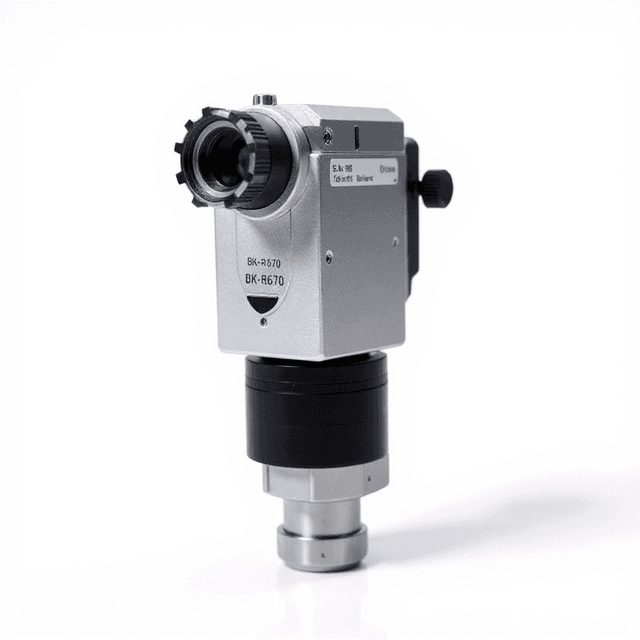
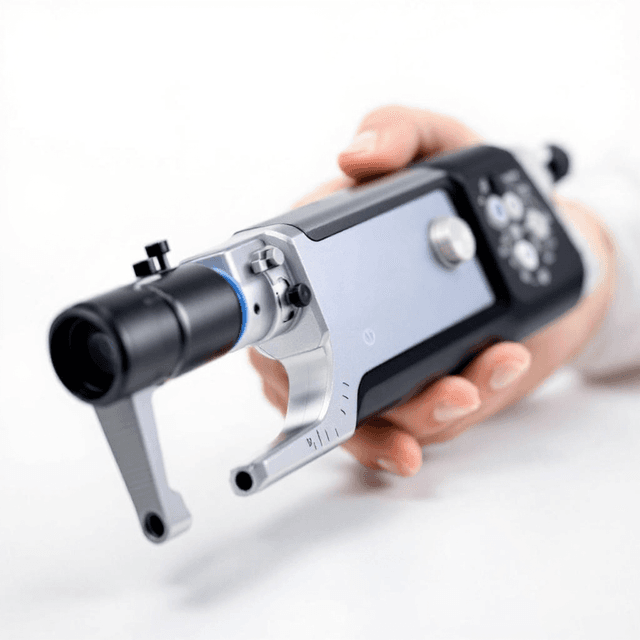
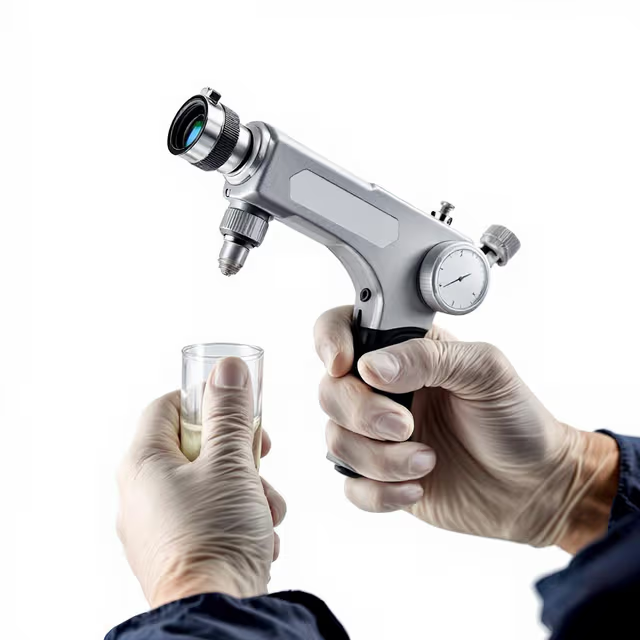
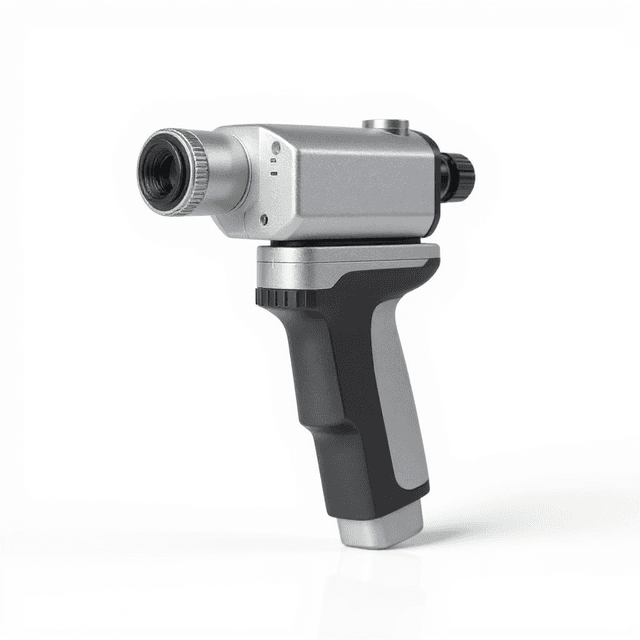
Handheld optical refractometer for measuring alcohol content in beer and sugar concentrations in fruits and vegetables, designed for brewing quality control and agricultural applications.
| Model | LH-J80 |
| Scope of use | Model No. |
| alcohol refractometer | LH-J80 |
| Automation Level | manual |
| Brand | ConductScience |

The LH-J80 Alcohol Refractometer is an optical instrument designed for measuring alcohol content in beer brewing applications and sugar concentrations in fruits, vegetables, and plant materials. This handheld refractometer utilizes the principle of light refraction to determine soluble solid content, providing brewers and food scientists with rapid, accurate measurements for quality control and process monitoring.
The instrument supports both alcohol content determination in fermented beverages and Brix measurements for assessing ripeness and sugar content in agricultural products. Its portable design enables field measurements for crop monitoring and laboratory applications for beverage analysis and food processing quality control.
How It Works
The refractometer operates on the principle of light refraction, measuring the critical angle at which light passing through a sample undergoes total internal reflection. When a sample is placed on the instrument's prism, light rays entering the sample at different angles will refract differently based on the sample's refractive index, which correlates directly with its dissolved solid concentration.
The instrument contains an optical system that directs light through the sample and measures the boundary between light and dark regions created by the refractive index difference. This boundary position corresponds to specific concentration values, allowing direct reading of alcohol content or sugar concentration (Brix) through the eyepiece scale.
For alcohol measurements in beer, the refractive index correlates with the alcohol content, while for fruits and vegetables, the measurement reflects total dissolved solids, primarily sugars, providing an indication of ripeness and quality.
Features & Benefits
Model
- LH-J80
Scope of use
- Model No.
alcohol refractometer
- LH-J80
Automation Level
- manual
Brand
- ConductScience
Research Domain
- Analytical Chemistry
- Food Science
Weight
- 0.26 kg
Dimensions
- L: 20.0 mm
- W: 10.0 mm
- H: 5.0 mm
Comparison Guide
| Feature | This Product | Typical Alternative | Advantage |
|---|---|---|---|
| Measurement Method | Optical refraction with direct eyepiece reading | Some models offer digital displays or automatic temperature compensation | Provides immediate visual confirmation of measurement boundary without dependence on electronic components. |
| Application Range | Designed for beer alcohol content and fruit/vegetable sugar measurement | General-purpose refractometers may have broader or narrower measurement ranges | Optimized scale ranges provide enhanced resolution for specific brewing and agricultural applications. |
| Portability | Handheld design for field and laboratory use | Benchtop models offer greater stability but reduced mobility | Enables on-site measurements in brewing facilities and agricultural settings without requiring laboratory infrastructure. |
The LH-J80 combines optical measurement reliability with application-specific scaling for brewing and agricultural quality control applications.
Practical Tips
Calibrate with distilled water at the same temperature as your samples to ensure measurement accuracy.
Why: Temperature differences between calibration and sample can introduce systematic measurement errors.
Clean the prism surface immediately after each use with distilled water and a lint-free cloth.
Why: Dried sample residues can cause optical interference and affect subsequent measurement accuracy.
Allow samples to reach room temperature before measurement to minimize temperature-related variations.
Why: Temperature directly affects refractive index and can lead to inconsistent results if not controlled.
Take multiple readings and use the average for critical measurements or quality control documentation.
Why: Averaging multiple measurements reduces random error and improves measurement precision.
If the boundary line appears unclear, ensure the sample completely covers the prism and is free from bubbles.
Why: Incomplete sample coverage or air bubbles create optical discontinuities that interfere with accurate boundary detection.
Handle the instrument carefully to avoid damage to the optical prism surface.
Why: Scratches or chips on the prism surface permanently affect optical performance and measurement accuracy.
Setup Guide
What’s in the Box
- LH-J80 Refractometer main unit
- Calibration adjustment tool (typical)
- Cleaning cloth (typical)
- Protective carrying case (typical)
- User manual and calibration instructions (typical)
Compliance
Warranty & ConductCare
ConductScience provides standard manufacturer warranty coverage with technical support for instrument calibration and measurement procedures.
What is the typical sample volume required for accurate measurements?
Consult the product datasheet for specific sample volume requirements, though refractometers typically require only a small drop to cover the prism surface.
How frequently should the instrument be calibrated?
Calibration with distilled water should be performed before each measurement session or when switching between different sample types to ensure accuracy.
Can this refractometer measure alcohol content in wines or spirits?
While designed specifically for beer applications, consult the measurement range specifications to determine compatibility with other alcoholic beverages.
What maintenance is required for optimal performance?
Regular cleaning of the prism surface with distilled water and proper storage in the protective case will maintain optical clarity and measurement accuracy.
How does temperature affect measurement accuracy?
Temperature can significantly affect refractive index measurements; consult the datasheet for temperature compensation specifications or ensure samples are at consistent room temperature.
Have a question about this product?