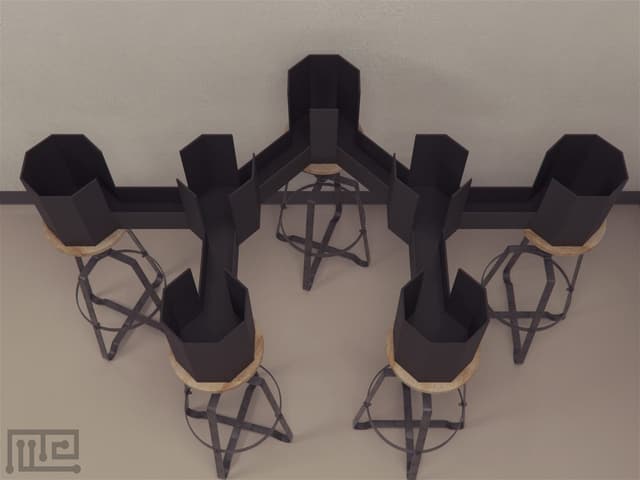
Snake T-maze
Behavioral testing maze with serpentine approach arm for assessing spatial working memory and spontaneous alternation in rodents with enhanced delay intervals.

Louise Corscadden, PhD
Director of Science · ConductScience
Ask Louise about Snake T-maze fit, setup, configuration, or quote prep.
Already working with us? Sign in to connect this with My Scientist.
Key Specifications
Full details →- Model fit
- Mouse, Rat
- SKU family
- CS-958163
- Sizing
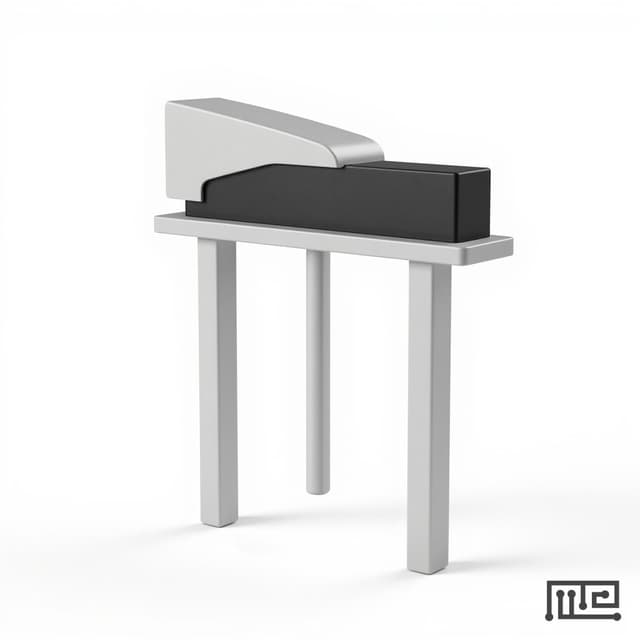
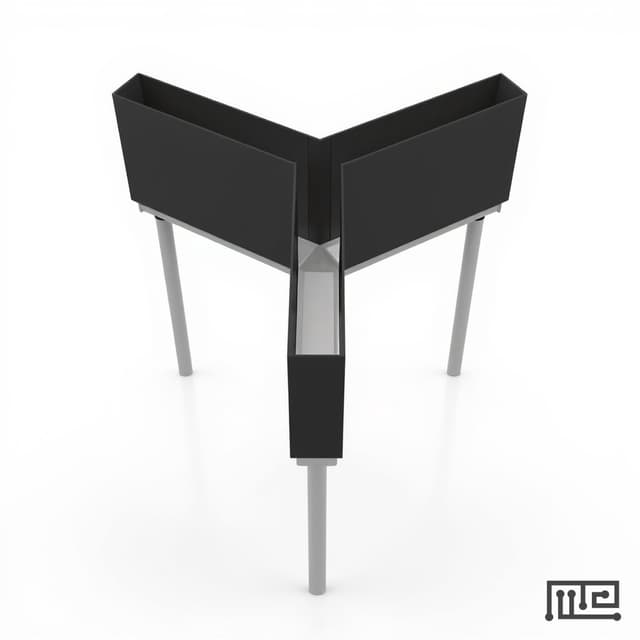
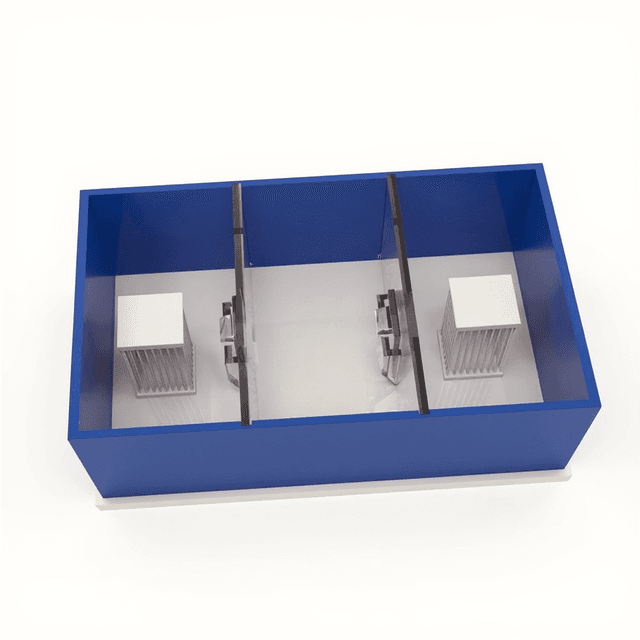
- Snake T- maze: Length of open-top enclosure: 150cm; Width of open-top enclosure: 75cm; Height of open-top enclosure: 120cm; Length of equally divided halves: 75cm; Width of equally divided halves: 75cm; Height of equally divided halves: 120cm; Length of start arm: 75cm; Height of start arm: 75cm; Height of T-Maze walls: 6cm; Width of arms of maze: 6cm; Length of hide boxes: 25cm; Height of hide boxes: 4cm
- Ordering
- Online checkout and quote request available
- Category
- Behavioral Mazes
- Build notes
- Confirm accessories, station layout, and support needs before purchase
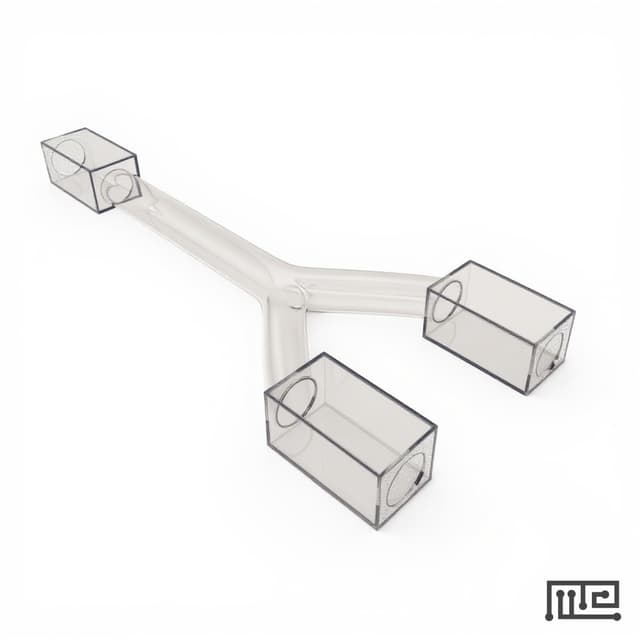
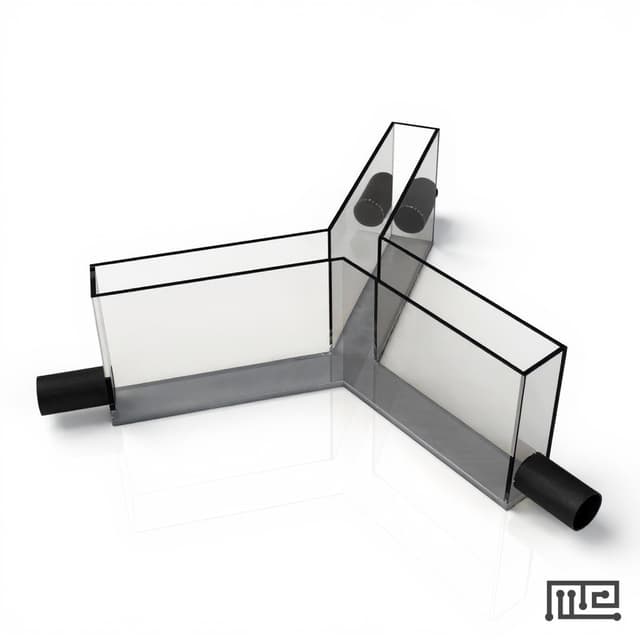
The Snake T-maze is a specialized behavioral testing apparatus designed for assessing spatial working memory, spontaneous alternation behavior, and decision-making processes in rodents. This maze configuration combines the classic T-maze design with an elongated, serpentine approach arm that increases the retention interval between sample and choice phases, providing enhanced sensitivity for detecting subtle cognitive deficits.
The apparatus enables researchers to evaluate hippocampus-dependent spatial memory function through forced alternation tasks and spontaneous alternation paradigms. The extended pathway design allows for systematic manipulation of delay intervals, making it particularly valuable for pharmacological studies investigating memory-enhancing or memory-impairing compounds, as well as genetic models of cognitive dysfunction.
How It Works
The Snake T-maze operates on the principle of spatial working memory assessment through alternation behavior. The apparatus presents subjects with a forced choice between two goal arms after traversing an extended serpentine approach pathway. During spontaneous alternation testing, rodents naturally tend to alternate between arms on successive trials due to their innate exploratory behavior, a phenomenon that depends on intact hippocampal function.
The elongated, winding approach arm serves as a retention interval manipulation, requiring subjects to maintain spatial information in working memory while navigating the curved pathway before reaching the choice point. This design feature allows researchers to systematically vary the cognitive load and temporal demands of the task, providing greater sensitivity for detecting subtle memory impairments compared to standard T-maze configurations.
Performance is typically measured as the percentage of alternation responses, with healthy subjects showing alternation rates significantly above chance (50%). Reduced alternation behavior indicates impaired spatial working memory, making this apparatus valuable for phenotyping cognitive dysfunction in various experimental models.
Features & Benefits
Sizes by model
| Measurement | Snake T- maze |
|---|---|
| Size | Length of open-top enclosure: 150cm; Width of open-top enclosure: 75cm; Height of open-top enclosure: 120cm; Length of equally divided halves: 75cm; Width of equally divided halves: 75cm; Height of equally divided halves: 120cm; Length of start arm: 75cm; Height of start arm: 75cm; Height of T-Maze walls: 6cm; Width of arms of maze: 6cm; Length of hide boxes: 25cm; Height of hide boxes: 4cm |
- Length of open-top enclosure: 150cm
- Width of open-top enclosure: 75cm
- Height of open-top enclosure: 120cm
- Length of equally divided halves: 75cm
- Width of equally divided halves: 75cm
- Height of equally divided halves: 120cm
- Length of start arm: 75cm
- Height of start arm: 75cm
Behavioral Construct
- Spatial Working Memory
- Spontaneous Alternation
- Decision Making
- Spatial Navigation
Automation Level
- manual
Research Domain
- Addiction Research
- Aging Research
- Behavioral Pharmacology
- Learning and Memory
- Neurodegeneration
- Neuroscience
Species
- Mouse
- Rat
Compatible Tracking Software
- ConductVision
Shipping weight
- 6.06 lb
Shipping box
- L: 65.0 cm
- W: 36.0 cm
- H: 27.0 cm
| Feature | This Product | Typical Alternative | Advantage |
|---|---|---|---|
| Approach Pathway Design | Extended serpentine configuration | Direct straight approach arms in standard T-mazes | Increases retention interval and cognitive load for enhanced detection of subtle memory deficits. |
| Task Sensitivity | Enhanced sensitivity due to temporal delay component | Standard sensitivity limited by minimal retention demands | Better discrimination between normal and impaired cognitive function in subtle phenotypes. |
| Protocol Compatibility | Compatible with both spontaneous and forced alternation protocols | Varies by model and design | Provides flexibility for different experimental paradigms within a single apparatus. |
| Assembly Configuration | Modular construction for easy setup and reconfiguration | Fixed designs or complex assembly requirements | Facilitates laboratory setup changes and storage when not in use. |
The Snake T-maze offers enhanced cognitive demands through its serpentine approach design while maintaining compatibility with established T-maze protocols. The modular construction and protocol flexibility make it suitable for diverse spatial memory research applications.
Practical Tips
Allow 5-10 minutes of habituation time before each testing session to reduce anxiety-related behaviors that can confound alternation patterns.
Why: Stress responses can override natural exploratory alternation behavior and lead to false negative results.
Inspect maze joints and connections weekly to ensure structural stability and prevent gaps that could trap subjects.
Why: Structural integrity is essential for consistent behavioral results and animal safety.
Record at least 10-15 trials per subject per session to obtain reliable alternation rate measurements.
Why: Small sample sizes increase variability in alternation percentage calculations and reduce statistical power.
If subjects show position bias toward one arm, rotate the maze 180 degrees to distinguish spatial preference from maze-intrinsic factors.
Why: True spatial alternation should adapt to maze rotation, while position bias indicates non-spatial response patterns.
Standardize extra-maze visual cues and lighting conditions across all testing sessions and maintain consistent spatial relationships.
Why: Spatial navigation depends on reliable environmental references, and changes in cue configuration can alter behavioral outcomes.
Ensure maze walls are of appropriate height to prevent escapes while allowing clear observation of the subject throughout testing.
Why: Subject containment is essential for data validity and animal welfare during behavioral assessment.
Setup Guide
What’s in the Box
- Serpentine approach arm section
- T-junction choice point
- Left goal arm
- Right goal arm
- Assembly hardware (typical)
- Setup and protocol guide (typical)
Warranty
ConductScience provides a one-year manufacturer warranty covering structural defects and material workmanship, with technical support for protocol optimization and troubleshooting.
Compliance
References
Background reading relevant to this product:
What alternation rate indicates normal spatial working memory function?
Healthy rodents typically show alternation rates of 60-80%, significantly above chance (50%), with rates below 55-60% generally considered indicative of spatial working memory impairment.
How does the serpentine design affect task difficulty compared to standard T-mazes?
The elongated approach pathway increases the retention interval between spatial information encoding and retrieval, making the task more sensitive to subtle memory deficits while maintaining the fundamental alternation paradigm.
What inter-trial intervals are recommended for spontaneous alternation testing?
Inter-trial intervals of 10-30 seconds are typical for spontaneous alternation, though longer intervals (up to several minutes) can be used to assess memory decay functions.
Can this maze be used for reinforced alternation protocols?
Yes, the apparatus accommodates both spontaneous and reinforced alternation paradigms by placing food rewards or other reinforcers in the goal arms according to experimental requirements.
What factors can confound alternation behavior results?
Olfactory cues from previous subjects, inconsistent lighting, external noise, and anxiety-inducing environmental factors can all influence alternation behavior and should be controlled.
How should the maze be cleaned between subjects?
Clean all surfaces with 70% ethanol or appropriate disinfectant between subjects to eliminate odor trails that could influence spatial choices, allowing adequate drying time before the next trial.
What video tracking parameters should be recorded?
Track position coordinates, path length, velocity, time spent in each arm, and choice latency to provide comprehensive behavioral analysis beyond simple alternation scoring.
Have a question about this product?
Have a question? Just ask.
Send it over and we'll email you a personalized answer — no call, no scheduling.
Prefer to talk it through?
Accessories
Enhance your setup with compatible accessories