Snake Y-Maze
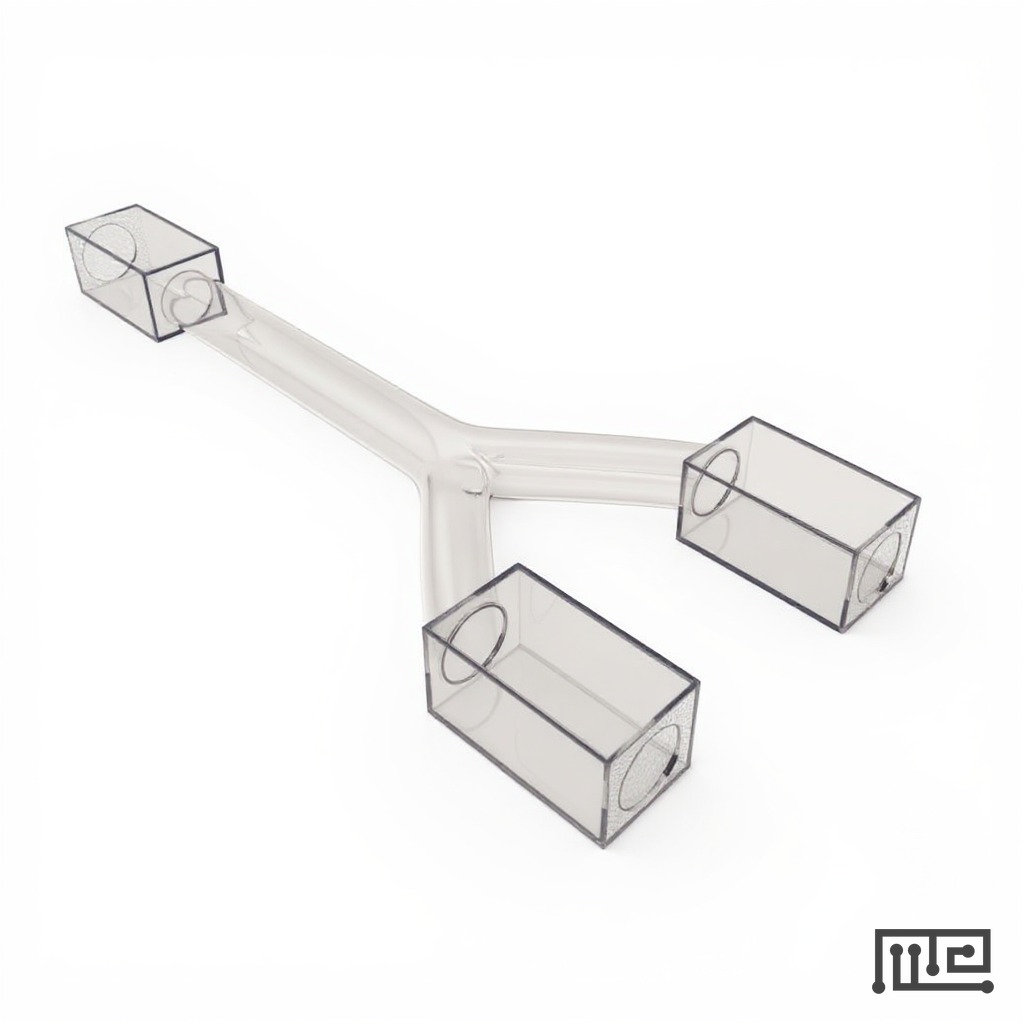
Specialized three-arm behavioral maze with serpentine configuration for assessing spatial navigation, decision-making, and working memory in rodents.
| Automation Level | manual |
| Species | Mouse, Rat |

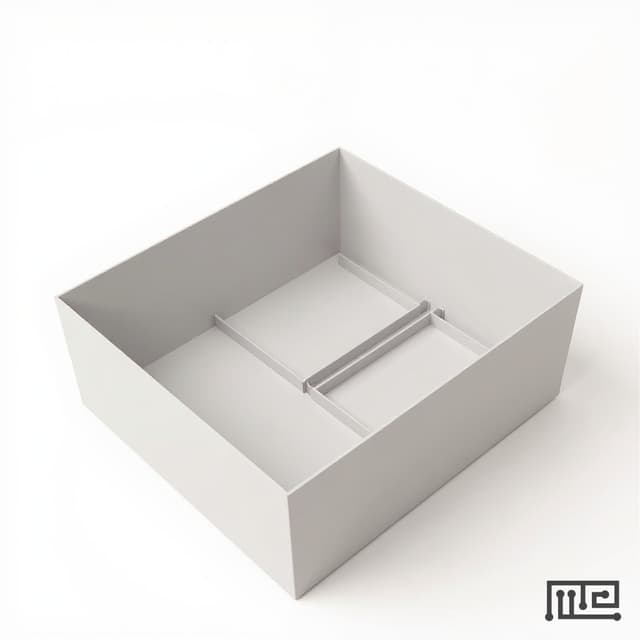
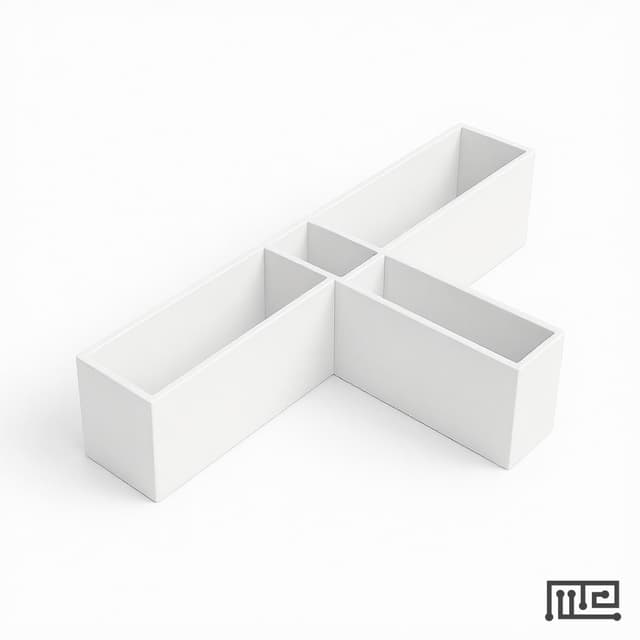
The Snake Y-Maze is a specialized behavioral testing apparatus designed for assessing spatial navigation, decision-making, and learning behaviors in small laboratory animals. This three-arm maze features a serpentine configuration that challenges subjects with complex spatial choices while minimizing the influence of external visual cues that can confound traditional Y-maze studies.
The apparatus is constructed for reliable behavioral phenotyping in neuroscience research, particularly for studies examining hippocampal function, spatial memory, and exploratory behavior patterns. The unique design allows researchers to conduct spontaneous alternation tests, spatial working memory assessments, and novel object recognition paradigms with enhanced experimental control compared to standard linear maze configurations.
How It Works
The Snake Y-Maze operates on the principle of spontaneous alternation behavior, a natural tendency for rodents to explore novel environments rather than recently visited locations. The serpentine arm configuration creates spatial complexity that engages hippocampal and cortical navigation circuits, requiring subjects to maintain working memory of previously visited locations while making sequential arm choices.
During testing, animals are placed in the central hub and allowed to explore freely. Their movement patterns, arm entries, and alternation sequences are recorded to quantify spatial working memory performance. The maze design minimizes the influence of external spatial cues, forcing subjects to rely on internal spatial representations and path integration mechanisms. This approach provides a sensitive measure of cognitive function that correlates with hippocampal neurophysiology and synaptic plasticity.
Features & Benefits
Behavioral Construct
- Spatial Working Memory
- Spontaneous Alternation
- Exploratory Behavior
- Decision Making
- Spatial Navigation
Automation Level
- manual
Research Domain
- Aging Research
- Anxiety and Depression
- Behavioral Pharmacology
- Learning and Memory
- Neurodegeneration
- Neuroscience
Species
- Mouse
- Rat
Weight
- 6.06 kg
Dimensions
- L: 65.0 mm
- W: 36.0 mm
- H: 27.0 mm
Comparison Guide
| Feature | This Product | Typical Alternative | Advantage |
|---|---|---|---|
| Arm Configuration | Serpentine three-arm design with curved pathways | Standard Y-mazes typically feature straight arms radiating from a central hub | Curved pathways reduce reliance on external visual cues and increase sensitivity to hippocampal navigation deficits |
| Spatial Complexity | Enhanced path integration requirements through serpentine routing | Basic Y-mazes offer simpler spatial navigation challenges | Higher complexity reveals subtle cognitive impairments that may be missed by simpler maze designs |
| Testing Duration | Optimized for 8-15 minute sessions with sufficient choice opportunities | Some maze designs require longer testing periods to generate adequate data | Shorter sessions reduce stress effects while maintaining statistical power for behavioral analysis |
| Construction | Modular design allows disassembly for cleaning and storage | Fixed maze designs may be more difficult to clean thoroughly | Complete disassembly ensures elimination of olfactory cues between experimental cohorts |
The Snake Y-Maze provides enhanced spatial navigation assessment through its unique serpentine arm configuration, offering greater sensitivity to cognitive deficits than traditional straight-arm designs. The modular construction and optimized testing protocols support reliable behavioral phenotyping in neuroscience research applications.
Practical Tips
Establish consistent arm entry criteria by marking threshold lines at standardized distances from the central hub.
Why: Standardized entry definitions ensure reproducible scoring across different operators and experimental sessions.
Inspect junction connections regularly for wear and ensure arm segments remain securely attached during testing.
Why: Loose connections can create noise or movement that distracts subjects and confounds behavioral measurements.
Maintain consistent room temperature and lighting conditions throughout testing sessions to minimize environmental variables.
Why: Environmental consistency reduces non-cognitive factors that can influence exploratory behavior and alternation patterns.
If subjects show reduced exploration, verify that cleaning agents have fully evaporated and room ventilation is adequate.
Why: Residual chemical odors can create aversive conditions that suppress natural exploratory behaviors.
Record both successful alternations and total arm entries to calculate alternation percentages and assess overall activity levels.
Why: Combined metrics distinguish between spatial memory deficits and general locomotor or motivational changes.
Ensure maze walls are sufficiently high to prevent subject escape while maintaining clear overhead video recording access.
Why: Proper containment prevents subject injury while enabling accurate behavioral tracking for data analysis.
Allow subjects 2-3 minutes of initial exploration before beginning formal data collection to reduce neophobia effects.
Why: Initial familiarization reduces anxiety-related behaviors that can mask spatial navigation capabilities.
Setup Guide
What’s in the Box
- Snake Y-Maze apparatus with three arms (typical)
- Assembly hardware and junction connectors (typical)
- Setup and operation manual (typical)
- Cleaning protocol guidelines (typical)
Warranty
ConductScience provides a standard one-year manufacturer warranty covering defects in materials and workmanship, with technical support for experimental protocol optimization and troubleshooting.
Compliance
References
Background reading relevant to this product:
What is the optimal testing duration for spontaneous alternation assessment?
Typical sessions range from 8-15 minutes, allowing sufficient time for multiple arm choices while avoiding fatigue effects that can reduce alternation rates.
How do I control for potential olfactory cues between subjects?
Clean all surfaces with 70% ethanol between subjects and allow complete drying. Some protocols recommend using different odor masking agents in each arm to further minimize olfactory navigation.
What constitutes a valid arm entry for scoring purposes?
Standard protocols define arm entry as placement of all four paws beyond a designated threshold line, typically located at the entrance to each arm segment.
Can this maze be used for both mice and rats?
The apparatus accommodates both species, though arm dimensions should be verified against your specific strain sizes to ensure appropriate scaling for natural exploration behaviors.
How does the serpentine design differ from standard Y-maze testing?
The curved arm configuration reduces external visual cue utilization and increases reliance on path integration and internal spatial mapping compared to straight-arm designs.
What behavioral parameters should be recorded during testing?
Key measures include total arm entries, alternation percentage, sequence patterns, time spent in each arm, and latency to first arm entry for comprehensive spatial behavior analysis.
Is video tracking software required for data collection?
While manual scoring is possible, automated tracking systems provide more precise movement analysis and reduce observer bias in behavioral measurements.
Have a question about this product?
Accessories
Enhance your setup with compatible accessories

Upgrade Options