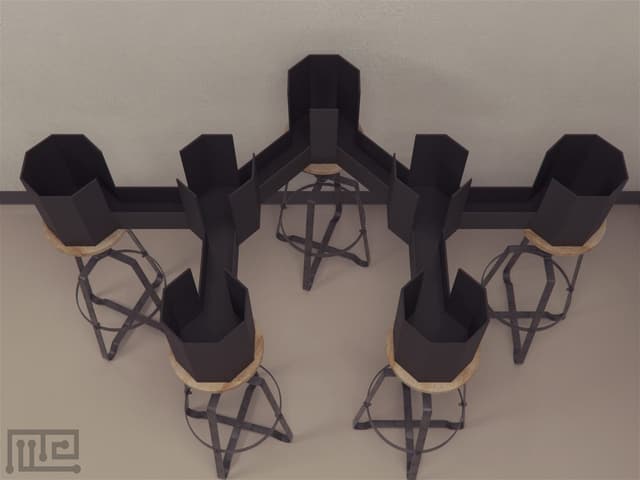
Snake 2-Choice Apparatus
Behavioral testing apparatus for studying decision-making and choice behavior in snake species through controlled two-option paradigms.

Louise Corscadden, PhD
Director of Science · ConductScience
Ask Louise about Snake 2-Choice Apparatus fit, setup, configuration, or quote prep.
Already working with us? Sign in to connect this with My Scientist.
Key Specifications
Full details →- Model fit
- Snake
- SKU family
- CS-958164
- Shipping box
- 65.0 x 36.0 x 27.0 cm
- Ordering
- Online checkout and quote request available
- Category
- Behavioral Mazes
- Build notes
- Confirm accessories, station layout, and support needs before purchase
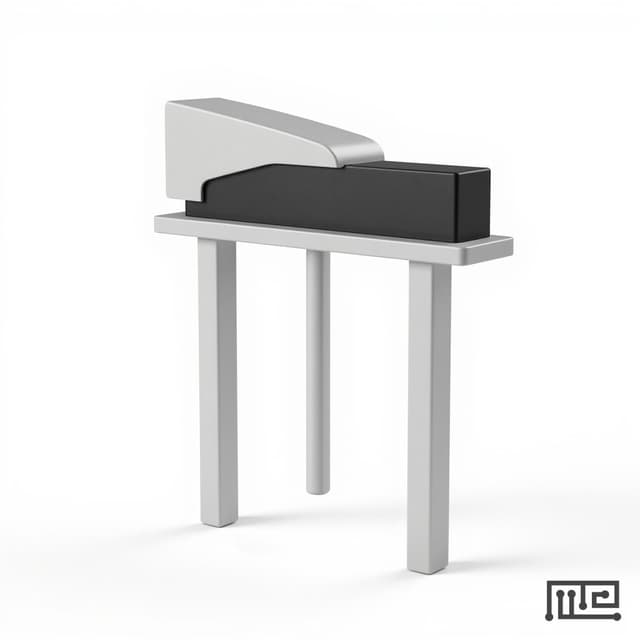
The Snake 2-Choice Apparatus is a specialized behavioral testing system designed for studying decision-making and choice behavior in snake species. This apparatus presents subjects with two distinct pathways or stimulus options, allowing researchers to quantify preference patterns and behavioral responses under controlled laboratory conditions.
The system provides a standardized environment for investigating reptilian cognitive processes, spatial learning, and environmental preferences. Researchers can configure the apparatus to test various behavioral paradigms including food preference, thermal gradient selection, and habitat choice experiments in both wild-caught and laboratory-maintained snake populations.
How It Works
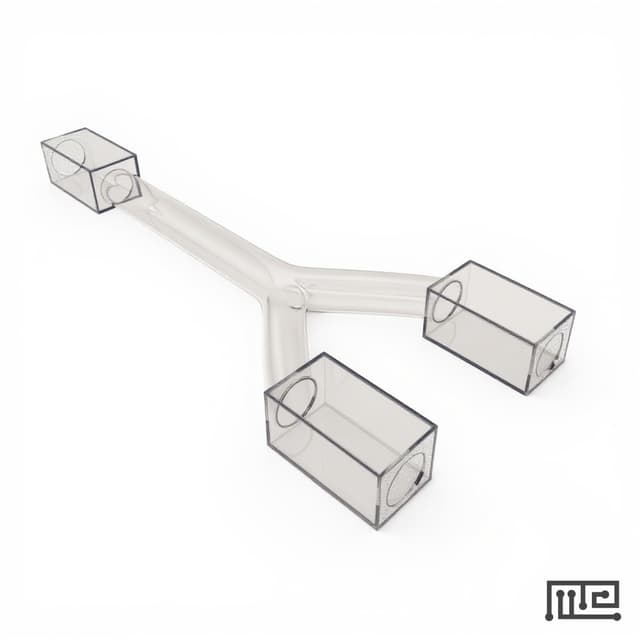
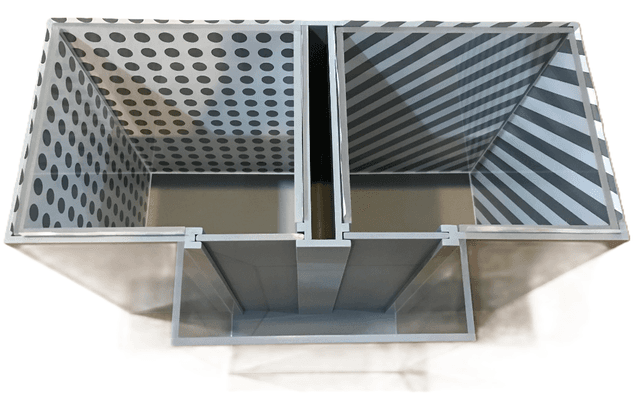
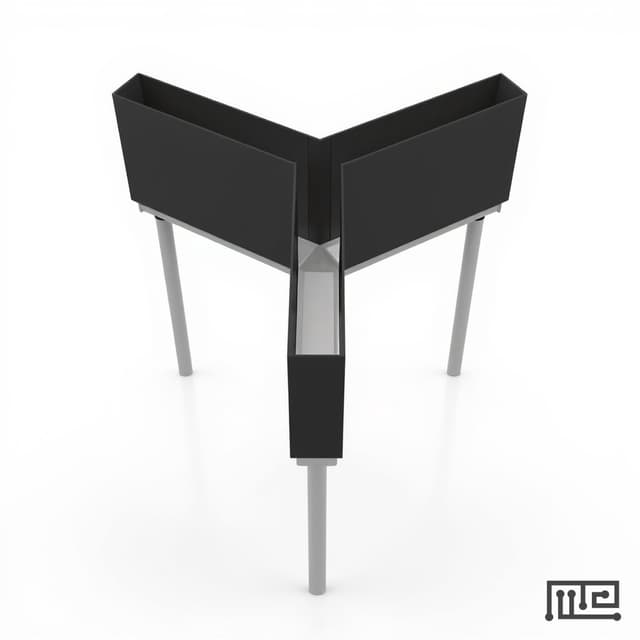
The Snake 2-Choice Apparatus operates on the principle of binary decision paradigms, where subjects are presented with two distinct options and their selection behavior is recorded. The system typically consists of a central starting chamber connected to two choice arms or compartments, each of which can be configured with different environmental conditions, stimuli, or rewards.
During testing, snakes are placed in the starting position and allowed to explore freely. Their movement patterns, choice selections, and time spent in each option are monitored to quantify behavioral preferences. The apparatus design accommodates natural snake locomotion patterns while providing clear decision points for accurate behavioral measurement.
Data collection involves recording choice frequency, decision latency, and exploration patterns. This behavioral data provides insights into cognitive processing, sensory preferences, and learning capabilities in reptilian subjects under controlled experimental conditions.
Features & Benefits
Behavioral Construct
- Decision Making
- Choice Behavior
- Spatial Learning
- Preference Testing
Automation Level
- manual
Research Domain
- Animal Behavior
- Neuroscience
Species
- Snake
Compatible Tracking Software
- ConductVision
Shipping weight
- 6.06 lb
Shipping box
- L: 65.0 cm
- W: 36.0 cm
- H: 27.0 cm
| Feature | This Product | Typical Alternative | Advantage |
|---|---|---|---|
| Test Configuration | Binary choice paradigm with modular arms | Simple Y-maze designs often provide fixed configurations | Allows experimental flexibility for diverse research protocols and species requirements. |
| Species Accommodation | Designed specifically for snake locomotion patterns | General reptile enclosures may not optimize for serpentine movement | Provides natural movement pathways that reduce stress and improve behavioral validity. |
| Data Collection Integration | Compatible with automated tracking systems | Basic apparatus designs often require manual observation | Enables precise quantification of choice latency and movement patterns for detailed analysis. |
| Cleaning and Maintenance | Modular components with smooth surfaces | Fixed designs can be difficult to thoroughly decontaminate | Prevents cross-contamination between subjects and maintains consistent experimental conditions. |
The apparatus provides specialized binary choice testing optimized for snake behavior research with modular design flexibility and automated data collection compatibility.
Practical Tips
Allow subjects 24-48 hours of standard housing before testing to minimize handling stress effects on choice behavior.
Why: Stress can alter normal decision-making patterns and reduce experimental validity.
Replace substrate materials completely between experimental groups rather than just surface cleaning.
Why: Residual chemical cues can influence subsequent subject choices and confound results.
Record ambient temperature and humidity during each session as these factors influence snake activity levels.
Why: Environmental conditions affect reptilian behavior and should be documented for proper data interpretation.
Maintain secure containment protocols especially when testing venomous species or escape-prone individuals.
Why: Laboratory safety requires proper handling procedures for all snake species regardless of perceived danger level.
If subjects show no choice preference, verify that stimuli are appropriate for the species' sensory capabilities and natural behaviors.
Why: Poor stimulus selection can result in random choices rather than meaningful behavioral responses.
Standardize trial duration based on species-specific activity patterns and decision-making timeframes.
Why: Appropriate testing duration ensures sufficient opportunity for choice expression while maintaining subject welfare.
Setup Guide
What’s in the Box
- Main apparatus assembly (typical)
- Central starting chamber (typical)
- Two choice arm modules (typical)
- Connecting hardware (typical)
- Setup and operation manual (typical)
Warranty
ConductScience provides a standard one-year manufacturer warranty covering defects in materials and workmanship, with technical support for setup and operational guidance.
Compliance
What snake species sizes can this apparatus accommodate?
Consult product datasheet for specific dimensional ranges. The modular design typically allows testing of various species from juvenile to adult specimens with appropriate size configurations.
How do I prevent scent trail contamination between subjects?
Clean all surfaces with appropriate disinfectant between trials. Remove substrate materials and allow complete drying. Use separate apparatus components for different experimental groups when possible.
Can the apparatus be used with video tracking systems?
Yes, the open design accommodates overhead video recording and automated behavioral tracking software. Ensure adequate lighting and contrast for reliable subject detection.
What types of stimuli can be presented in the choice arms?
The apparatus accepts thermal gradients, different substrates, chemical cues, prey items, or environmental enrichment objects depending on experimental requirements and safety protocols.
How long should acclimation periods be before testing?
Typically 10-15 minutes for initial apparatus familiarization, though optimal duration varies by species and individual stress responses. Monitor subject behavior for signs of normal exploratory activity.
What maintenance is required for long-term studies?
Regular cleaning between sessions, periodic inspection of structural integrity, and replacement of worn substrate or stimulus materials as needed for consistent experimental conditions.
Have a question about this product?
Have a question? Just ask.
Send it over and we'll email you a personalized answer — no call, no scheduling.
Prefer to talk it through?
Accessories
Enhance your setup with compatible accessories