Ti-50-G Automatic Potential Titrator (Customized)
Customized automatic potential titrator with dual potentiometric/photometric detection modules for automated acid-base, redox, and colorimetric endpoint titrations.
| Automation Level | fully-automated |
| Burette | Accuracy |
| Potential Titration Module | Titration Repeatability |
| Range | (0.000~20.000)pH; (-2000.00~2000.00)mV |
| Fluctuation | ±0.3mV/3h |
| Photometric Titration Module | Titration Repeatability |

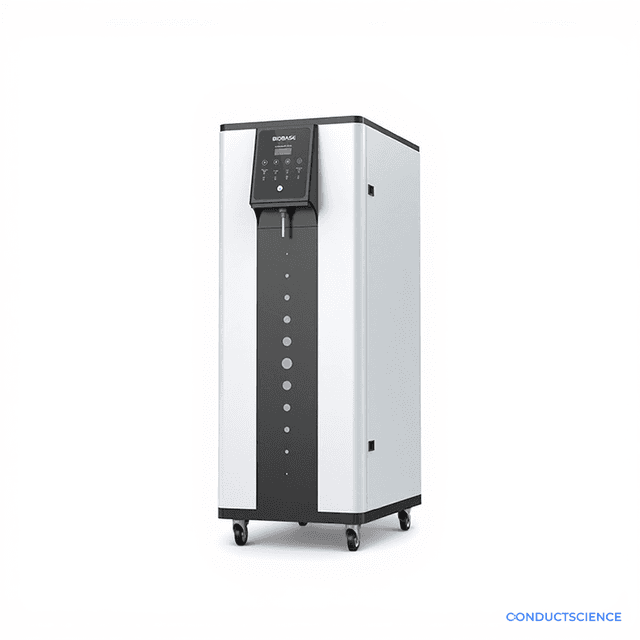
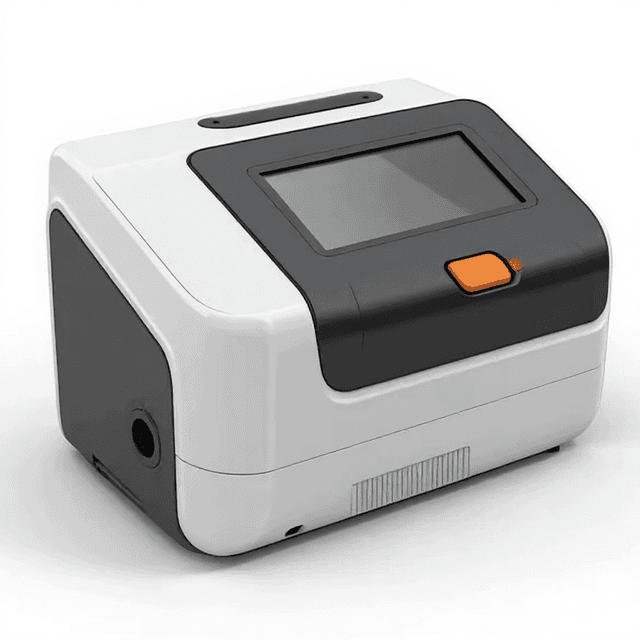
The Ti-50-G Automatic Potential Titrator is a customized benchtop analytical instrument designed for automated potentiometric and photometric titration analysis. This system combines precise pH and mV measurement capabilities with automated burette control and multi-wavelength photometric detection, enabling quantitative analysis of acids, bases, redox compounds, and colorimetric endpoints. The instrument features dual measurement modules with high-resolution potential detection (0.01 mV) across a wide dynamic range and photometric analysis at three fixed wavelengths (520nm, 570nm, 620nm).
The system provides automated titration sequences with programmable endpoint detection, reducing manual intervention and improving reproducibility in routine analytical workflows. Temperature compensation and drift stability (±0.3mV/3h) ensure consistent performance during extended analytical sessions. The compact benchtop design (340×400×400mm) integrates all necessary components for complete titration analysis in analytical chemistry, quality control, and research applications.
How It Works
The Ti-50-G operates through dual analytical modules that enable both potentiometric and photometric titration analysis. The potentiometric module measures electrical potential differences using ion-selective electrodes, detecting endpoint changes in pH (0.000-20.000 range) or redox potential (-2000.00 to +2000.00 mV range) with 0.01 mV resolution. The system automatically dispenses titrant through a high-accuracy burette while continuously monitoring potential changes to identify equivalence points through first and second derivative calculations.
The integrated photometric module provides colorimetric endpoint detection at three fixed wavelengths (520nm, 570nm, 620nm) with ±10nm wavelength accuracy. This enables analysis of samples that form colored complexes or undergo chromogenic reactions during titration. The system combines optical density measurements with potential data to provide comprehensive endpoint characterization for complex analytical matrices.
Temperature compensation maintains measurement accuracy across varying sample conditions, while the instrument's drift stability (±0.3mV/3h) ensures consistent baseline performance during extended analytical sequences. Automated burette control with programmable dispensing rates enables precise titrant addition for both rapid screening and high-precision quantitative analysis.
Features & Benefits
Automation Level
- fully-automated
Burette
- Accuracy
Potential Titration Module
- Titration Repeatability
Range
- (0.000~20.000)pH; (-2000.00~2000.00)mV
Fluctuation
- ±0.3mV/3h
Photometric Titration Module
- Titration Repeatability
Range and Resolution
- (0.00~1500.00)mV, 0.01mV
Wavelength
- 520nm, 570nm, 620nm
Wavelength Accuracy
- ±10nm
General
- Power Supply
Brand
- ConductScience
Research Domain
- Analytical Chemistry
- Environmental Monitoring
- Food Science
- Industrial Hygiene
- Materials Science
- Pharmaceutical QC
Accuracy
- ±0.2ºC
Temperature Range
- Range
Dimensions
- 340*400*400mm
Weight
- 10kg
Weight
- 10.0 kg
Dimensions
- L: 40.0 mm
- W: 34.0 mm
- H: 40.0 mm
Comparison Guide
| Feature | This Product | Typical Alternative | Advantage |
|---|---|---|---|
| Detection Methods | Dual potentiometric and photometric modules with multi-wavelength capability | Single detection mode instruments require separate systems for different titration types | Enables comprehensive endpoint detection for diverse analytical applications in a single instrument platform. |
| pH Measurement Range | 0.000-20.000 pH with 0.01 mV resolution | Standard instruments typically offer 0-14 pH range with 0.1 pH resolution | Extended range accommodates extreme pH conditions and higher resolution improves precision for buffered systems. |
| mV Measurement Capability | ±2000.00 mV range with 0.01 mV resolution | Entry-level models often limited to ±1000 mV with lower resolution | Wide dynamic range supports diverse redox titrations and high-precision electrochemical measurements. |
| Photometric Wavelengths | Three fixed wavelengths (520nm, 570nm, 620nm) with ±10nm accuracy | Basic colorimetric systems may offer single wavelength or variable wavelength with lower accuracy | Multiple wavelengths provide flexibility for different indicator systems and improve endpoint discrimination. |
| Drift Stability | ±0.3mV/3h stability specification | Standard instruments may have higher drift rates affecting long-term measurements | Low drift maintains consistent baseline performance during extended analytical sessions and batch processing. |
| Temperature Compensation | ±0.2°C accuracy with 0.1°C resolution | Basic models often provide ±0.5°C accuracy with limited resolution | Precise temperature compensation maintains measurement accuracy across varying sample conditions. |
The Ti-50-G provides integrated dual-mode detection capabilities with high-resolution measurements across extended ranges. The combination of potentiometric and photometric modules in a single platform eliminates the need for multiple instruments while maintaining precision specifications suitable for demanding analytical applications.
Practical Tips
Calibrate the pH system with fresh buffer solutions at temperatures close to sample conditions before each analytical session.
Why: Temperature-matched calibration ensures optimal accuracy when temperature compensation algorithms are applied to sample measurements.
Clean the burette system with appropriate solvents when switching between different titrant solutions to prevent cross-contamination.
Why: Residual titrants can cause systematic errors in endpoint detection and affect analytical precision.
Allow the instrument to stabilize for at least 30 minutes after power-on before beginning critical measurements.
Why: Electronic components require thermal equilibration to achieve the specified ±0.3mV/3h drift stability.
Monitor drift between measurements by checking standard solutions periodically during extended analytical sessions.
Why: Regular standard checks verify that the instrument maintains calibration accuracy throughout the analysis period.
If endpoint detection becomes erratic, check electrode condition and ensure proper electrical connection to measurement inputs.
Why: Electrode deterioration or poor connections introduce noise that interferes with automated endpoint algorithms.
Ensure proper ventilation when analyzing volatile samples or using organic solvents in the titration medium.
Why: Chemical vapors can affect instrument electronics and pose health risks during extended analytical sessions.
Program conservative dispensing rates for samples with sharp endpoint transitions to improve endpoint precision.
Why: Slower titrant addition near the equivalence point reduces overshoot errors and improves reproducibility.
Store electrodes in appropriate conditioning solutions between analyses according to manufacturer specifications.
Why: Proper electrode storage maintains response characteristics and extends electrode lifetime for consistent performance.
Setup Guide
What’s in the Box
- Ti-50-G Automatic Titrator main unit
- Automatic burette assembly (typical)
- pH/reference electrode set (typical)
- Electrode holders and mounting hardware (typical)
- Power cable
- USB/RS232 interface cable (typical)
- Calibration buffer solutions (typical)
- User manual and software documentation (typical)
- Calibration certificate (typical)
Warranty
ConductScience provides a standard one-year manufacturer warranty covering defects in materials and workmanship. Technical support includes software updates, calibration guidance, and troubleshooting assistance for the duration of the warranty period.
Compliance
What is the measurement resolution and accuracy for pH and mV measurements?
The system provides 0.01 mV resolution for both pH (0.000-20.000 range) and mV (-2000.00 to +2000.00 mV range) measurements. Temperature measurement accuracy is ±0.2°C with 0.1°C resolution for proper compensation.
How does the photometric module enhance titration capabilities?
The integrated photometric module operates at three wavelengths (520nm, 570nm, 620nm) with ±10nm accuracy, enabling colorimetric endpoint detection and indicator-based titrations that complement traditional potentiometric analysis.
What level of drift stability can be expected during extended analysis sessions?
The instrument maintains ±0.3mV/3h drift stability, ensuring consistent baseline performance during extended analytical sequences and batch processing workflows.
Can the system handle both acid-base and redox titrations automatically?
Yes, the wide measurement range (±2000.00 mV) and dual detection modes accommodate both acid-base titrations through pH measurement and redox titrations through direct potential measurement with automated endpoint detection.
What data output and connectivity options are available?
Consult product datasheet for specific data output formats and connectivity options, as these specifications are not detailed in the provided technical information.
How does temperature compensation affect measurement accuracy?
The system provides automatic temperature compensation with ±0.2°C accuracy and 0.1°C resolution, maintaining measurement precision across varying sample temperatures critical for pH-sensitive analyses.
What is the typical analysis time for standard titration protocols?
Analysis time depends on sample matrix and programmed titration parameters. The automated burette control and programmable dispensing rates optimize throughput for routine quality control applications.
What maintenance is required for the electrode and burette systems?
Regular calibration with standard solutions, electrode cleaning and storage in appropriate solutions, and burette system cleaning between different titrant solutions maintain optimal performance. Consult manual for detailed maintenance schedules.
Have a question about this product?