Tissue Homogenizers
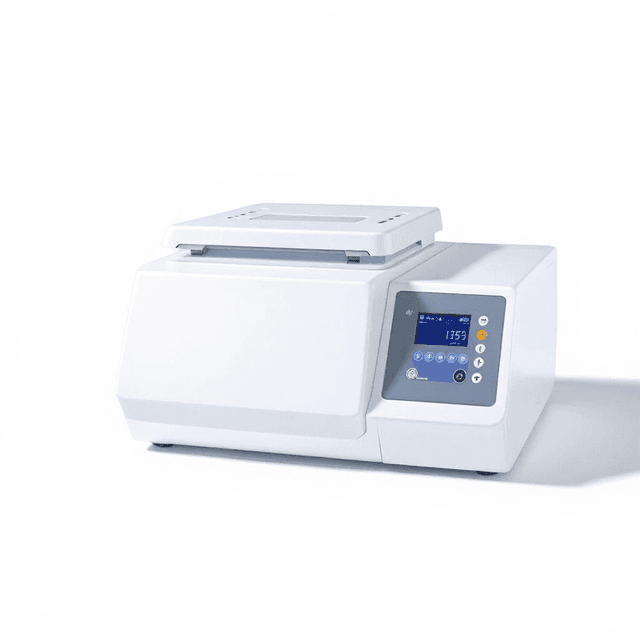
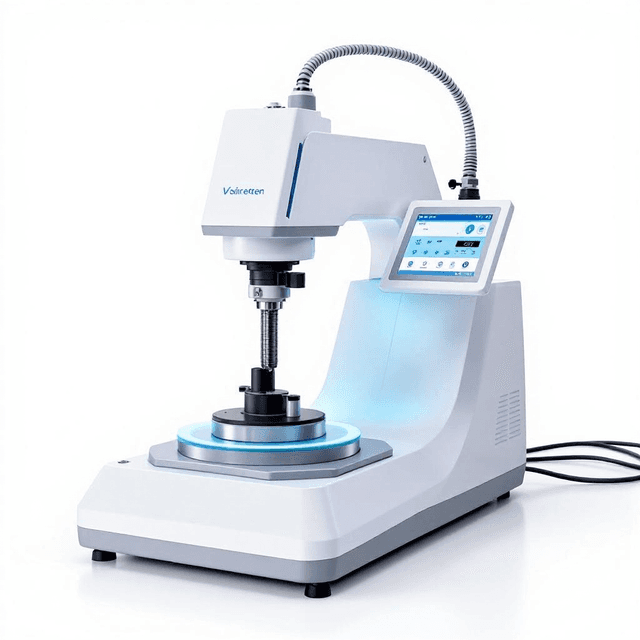
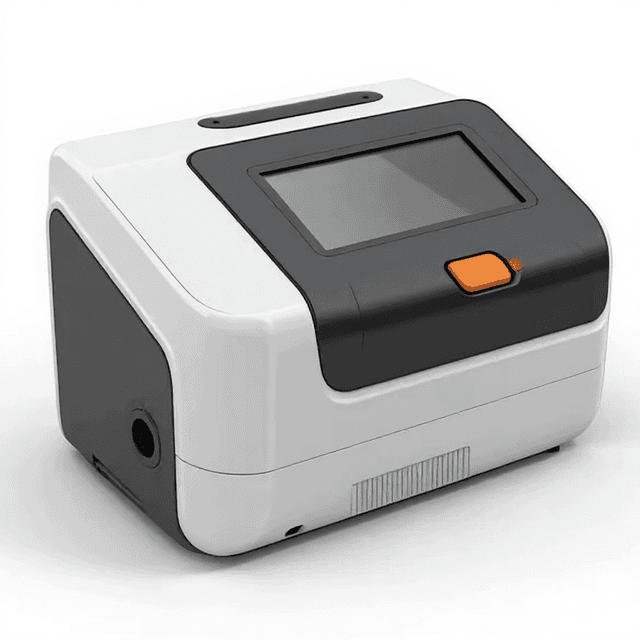
High-throughput bead mill homogenizers for mechanical tissue disruption with temperature control from ambient to -50°C, processing up to 192 samples simultaneously.
| processing_time | 1 minute for up to 192 samples |
| standard_capacity | 24 samples |
| sample_size_recommendation | no more than 100mg |
| grinding_mechanism | high-speed reciprocating motion vertical shaking system |
| safety_features | Electromagnetic Safety Lock with automatic power-off unlocking |
| cooling_system | imported compressor |
The Tissue Homogenizer series provides high-throughput sample processing for laboratory tissue preparation workflows. These bead mill homogenizers utilize high-speed reciprocating motion or three-dimensional grinding systems to mechanically disrupt frozen and fresh tissue samples through collision and shear forces between grinding beads and tissue within sealed tubes. Multiple models accommodate different temperature requirements, from ambient processing to cryogenic homogenization at -50°C.
The systems process up to 192 samples simultaneously in one minute, supporting multi-sample protocols common in genomics, proteomics, and metabolomics research. Temperature-controlled models maintain sample integrity during processing of heat-sensitive biomolecules, while the cryogenic variant enables direct processing of frozen tissue without thawing. Standard configurations accommodate 24 samples in 2 mL tubes, with adapter compatibility extending to 96-well plate formats for high-throughput applications.
How It Works
The tissue homogenizers operate through mechanical disruption using high-speed reciprocating motion or three-dimensional grinding systems. In the vertical shaking models, tissue samples and grinding beads are sealed within tubes and subjected to rapid vertical oscillation at frequencies that generate collision and shear forces sufficient to break down cellular structures. The three-dimensional motion model (SB-KZ-5F-3D) employs a figure-eight spatial movement pattern that creates multidirectional forces for enhanced grinding efficiency.
Temperature control is achieved through integrated cooling systems using imported compressors that maintain precise temperature ranges from -50°C to ambient conditions. The cryogenic models utilize liquid nitrogen or mechanical refrigeration to preserve sample integrity during processing, preventing thermal degradation of heat-sensitive biomolecules. Sample tubes are secured in adapters that ensure uniform motion transfer while maintaining temperature stability throughout the grinding cycle.
The grinding mechanism relies on impact and shear forces generated between grinding beads and tissue within sealed tubes. Bead selection and tube materials are optimized for different tissue types, with processing times typically ranging from 30 seconds to several minutes depending on tissue hardness and desired particle size distribution.
Features & Benefits
Model
- SB-KZ-III
- SB-KZ-III-F/FP
- SB-KZ-5F-3D
- SB-SWE-FP
processing_time
- 1 minute for up to 192 samples
standard_capacity
- 24 samples
sample_size_recommendation
- no more than 100mg
grinding_mechanism
- high-speed reciprocating motion vertical shaking system
safety_features
- Electromagnetic Safety Lock with automatic power-off unlocking
cooling_system
- imported compressor
freezing_table
- equipped
drive_system
- slider drive, no wear shaft
adapter_compatibility
- 96-well plate adapter available
control_interface
- screen click control
Automation Level
- semi-automated
Power/Voltage
- 220V
Temperature Range
- -50℃ to ambient
Capacity
- up to 192 samples simultaneously
Display Type
- Screen
Research Domain
- Analytical Chemistry
- Cancer Research
- Cell Biology
- Materials Science
- Metabolic Research
- Microbiology
- Neuroscience
- Pharmaceutical QC
Weight
- 6.61 kg
Dimensions
- L: 47.5 mm
- W: 45.0 mm
- H: 35.0 mm
Comparison Guide
| Feature | This Product | Typical Alternative | Advantage |
|---|---|---|---|
| Sample Throughput | Up to 192 samples simultaneously | Most benchtop models process 12-48 samples per cycle | Enables large-scale studies and reduces overall processing time for multi-sample experiments |
| Temperature Control Range | Models available from ambient to -50°C | Many systems operate at ambient temperature only | Preserves heat-sensitive biomolecules and enables direct processing of frozen samples |
| Grinding Mechanisms | Vertical shaking and 3D motion options available | Single grinding mechanism per instrument | Allows optimization for different tissue types and hardness levels |
| Temperature Precision | ±1°C control accuracy on temperature-controlled models | Temperature control varies widely by model | Ensures reproducible conditions for temperature-sensitive protocols |
| Safety Features | Electromagnetic safety lock with automatic power-off | Basic mechanical locks common in entry-level models | Provides enhanced operator safety and prevents accidental operation |
| Adapter Compatibility | 96-well plate adapter available with standard 24-position blocks | Limited adapter options on many competitive systems | Integrates with high-throughput workflows and automated systems |
This tissue homogenizer series offers high-throughput capability with temperature control options and multiple grinding mechanisms. The combination of large sample capacity, precise temperature control, and safety features addresses the needs of modern high-throughput laboratory environments.
Practical Tips
Verify temperature accuracy monthly using a calibrated reference thermometer, especially for cryogenic models operating below -20°C.
Why: Temperature precision directly affects sample integrity and reproducibility of results.
Clean grinding chamber and adapters with appropriate solvents between different sample types to prevent cross-contamination.
Why: Residual material can interfere with subsequent analyses and compromise data quality.
Pre-cool tubes and adapters for 10-15 minutes when processing temperature-sensitive samples in cryogenic models.
Why: Temperature equilibration prevents thermal shock and maintains sample integrity throughout processing.
If homogenization appears incomplete, reduce sample size rather than increasing processing time to avoid over-heating.
Why: Smaller sample volumes allow more efficient bead-to-tissue contact ratios and prevent thermal degradation.
Document grinding parameters (time, speed, temperature) for each tissue type to establish reproducible protocols.
Why: Standardized protocols ensure consistent sample preparation and reduce inter-batch variability.
Always ensure the electromagnetic safety lock is fully engaged before starting operation and never attempt to override safety features.
Why: The high-speed grinding mechanism can cause injury if accessed during operation.
Balance tube placement symmetrically in adapters to minimize vibration and ensure uniform grinding across all samples.
Why: Unbalanced loads can cause excessive wear and inconsistent homogenization results.
Inspect grinding beads periodically for wear or contamination and replace when surface damage is evident.
Why: Worn beads reduce grinding efficiency and may introduce contaminants into samples.
Setup Guide
What’s in the Box
- Main homogenizer unit
- Standard 24-position adapter block
- Power cable (220V)
- User manual and operation guide
- Sample grinding beads starter kit (typical)
- Safety lock key (typical)
- USB cable for data export (typical)
- Calibration certificate (typical)
Warranty
ConductScience provides a standard one-year manufacturer warranty covering defects in materials and workmanship, with comprehensive technical support for operation and maintenance procedures.
Compliance
What is the maximum sample size that can be processed effectively?
Sample size should not exceed 100mg per tube for optimal homogenization efficiency. Larger samples may result in incomplete grinding or increased processing times.
How do I select appropriate grinding beads for different tissue types?
Bead selection depends on tissue hardness and desired particle size. Consult the product datasheet for specific bead recommendations based on sample type and downstream applications.
Can the temperature-controlled models maintain stability during extended runs?
Yes, temperature-controlled models maintain ±1°C precision throughout operation using imported compressor systems designed for continuous duty cycles.
Is cross-contamination possible between samples during processing?
No, samples are processed in sealed individual tubes, eliminating cross-contamination risk. Proper tube sealing and adapter cleaning between runs ensures sample integrity.
What maintenance is required for optimal performance?
Regular cleaning of adapters and grinding chamber, periodic calibration of temperature sensors, and inspection of safety locks. The slider drive system requires minimal maintenance due to wear-resistant design.
How does processing time affect homogenization quality?
Most tissues achieve complete homogenization within 1 minute. Extended processing may generate heat or over-fragment samples, particularly with temperature-sensitive materials.
Can the system accommodate tubes other than the standard 2 mL format?
Multiple adapter configurations are available, including 96-well plate compatibility. Consult specifications for complete tube size compatibility and adapter options.
Have a question about this product?