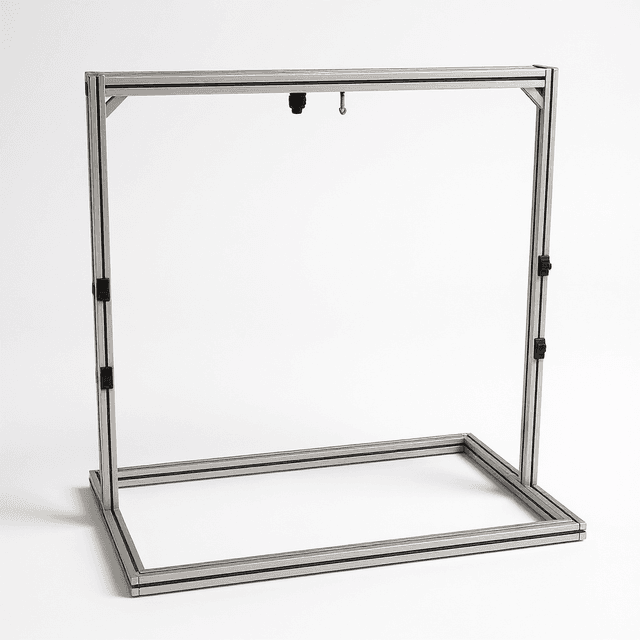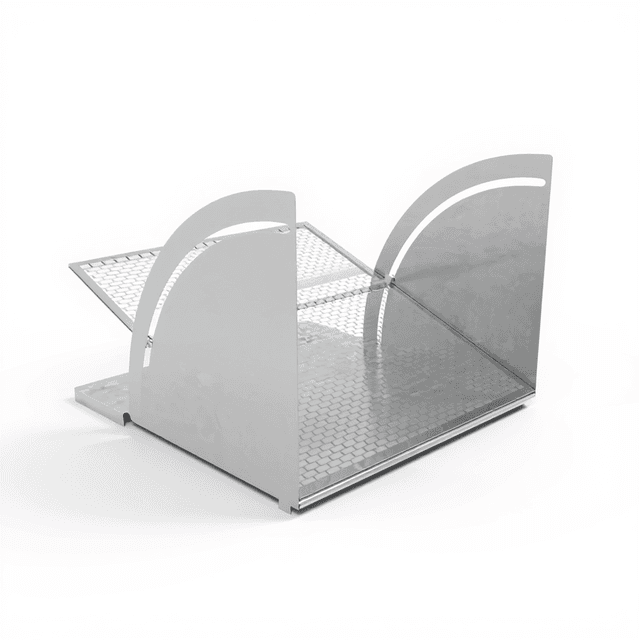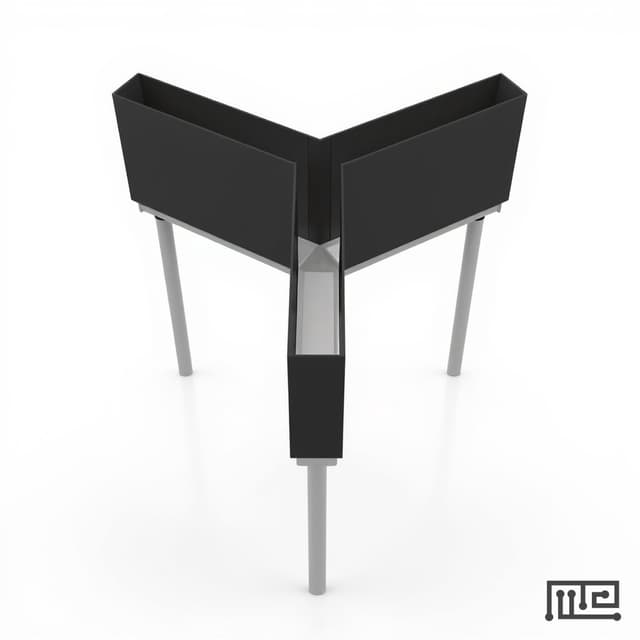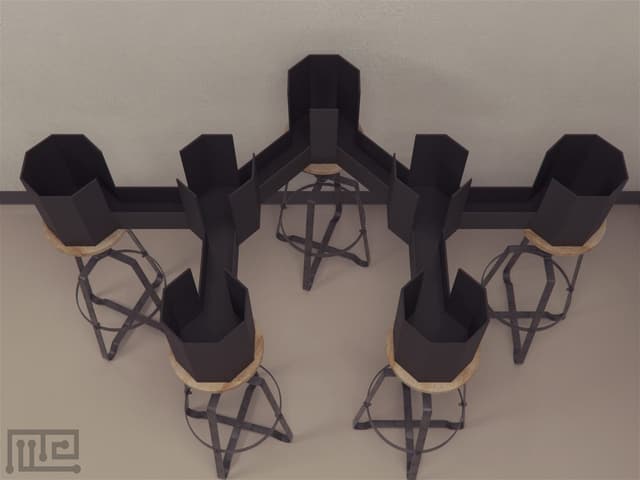
Zebrafish Y Maze Avoidance
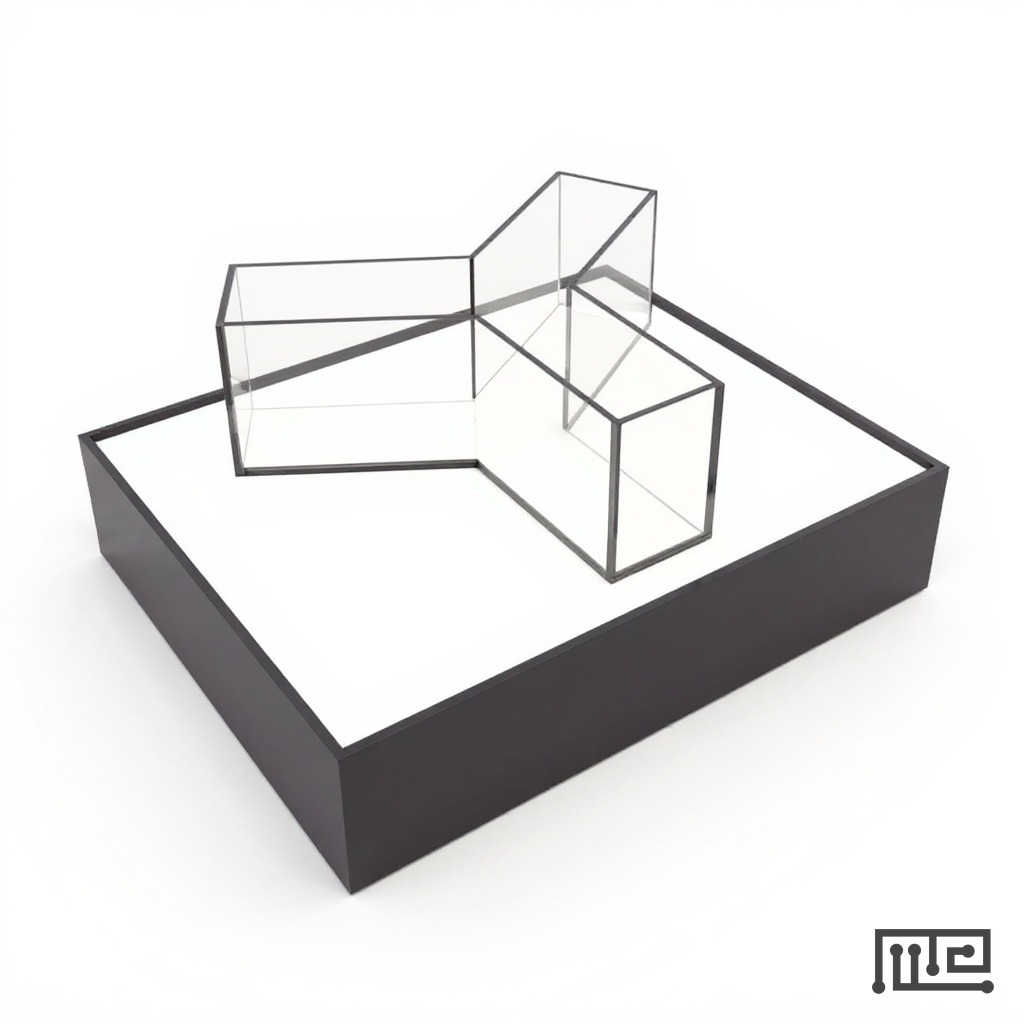
Y-shaped maze apparatus designed for zebrafish avoidance learning, spatial navigation, and memory assessment studies.
| Automation Level | manual |
| Species | Zebrafish |

The Zebrafish Y Maze Avoidance apparatus provides a controlled environment for assessing avoidance learning, spatial navigation, and memory consolidation in zebrafish (Danio rerio). This behavioral testing system consists of a Y-shaped configuration with distinct choice arms, enabling researchers to evaluate conditioned avoidance responses and spatial memory formation through controlled stimulus presentation and choice measurement.
The apparatus supports investigations of learning and memory mechanisms, neuropharmacological interventions, and behavioral phenotyping in zebrafish models. Researchers can implement various experimental protocols including active avoidance conditioning, spatial preference testing, and memory retention assessments. The system accommodates standard zebrafish behavioral testing requirements while providing consistent environmental conditions for reproducible data collection.
How It Works
The Y maze avoidance paradigm operates on principles of associative learning where zebrafish acquire conditioned avoidance responses through repeated exposure to predictive stimuli. The apparatus presents controlled environmental cues (visual, olfactory, or electrical) in specific maze arms, allowing researchers to measure learning acquisition, memory consolidation, and behavioral choice patterns.
During testing, zebrafish navigate between the start arm and two choice arms while researchers monitor swimming patterns, arm entry frequency, and avoidance latencies. The spatial configuration enables assessment of both passive avoidance (avoiding previously punished locations) and active avoidance (moving to safe zones upon stimulus presentation). Data collection includes choice accuracy, reaction times, and swimming trajectories to quantify learning performance and memory retention across experimental sessions.
Features & Benefits
Behavioral Construct
- Avoidance Learning
- Spatial Memory
- Conditioned Response
- Choice Behavior
- Navigation
Automation Level
- manual
Research Domain
- Anxiety and Depression
- Behavioral Pharmacology
- Developmental Biology
- Learning and Memory
- Neurodegeneration
- Neuroscience
- Toxicology
Species
- Zebrafish
Weight
- 21.0 kg
Dimensions
- L: 43.2 mm
- W: 38.0 mm
- H: 27.9 mm
Comparison Guide
| Feature | This Product | Typical Alternative | Advantage |
|---|---|---|---|
| Maze Configuration | Y-shaped three-arm design with binary choice architecture | Some systems use T-maze or linear configurations | Y-configuration provides optimal spatial choice paradigm for avoidance conditioning while maintaining simple decision architecture |
| Species Optimization | Purpose-built for zebrafish behavioral characteristics | Generic aquatic mazes often lack species-specific design features | Zebrafish-specific dimensions and features ensure natural swimming behavior and reliable behavioral responses |
| Stimulus Integration | Compatible with multiple stimulus delivery systems | Basic maze systems may have limited stimulus integration options | Flexible stimulus delivery enables diverse conditioning protocols and experimental paradigm development |
| Construction Design | Modular assembly with transparent materials | Fixed configuration systems limit cleaning and modification options | Modular design facilitates thorough cleaning and protocol modifications while maintaining visual access for monitoring |
This Y maze apparatus provides zebrafish-optimized spatial learning assessment through modular construction and flexible stimulus integration. The Y-configuration supports both passive and active avoidance paradigms with clear visual monitoring capabilities for comprehensive behavioral analysis.
Practical Tips
Conduct all testing at consistent times of day to minimize circadian rhythm effects on learning performance.
Why: Zebrafish exhibit diurnal behavioral patterns that can influence learning acquisition and memory consolidation.
Rinse maze components with distilled water after each session and allow complete air drying to prevent bacterial growth.
Why: Residual organics and moisture can harbor pathogens that stress test subjects and confound behavioral results.
Verify stimulus delivery timing and intensity before each experimental session using appropriate measurement equipment.
Why: Consistent stimulus parameters are critical for reliable conditioning and reproducible avoidance learning data.
Record swimming trajectories continuously rather than just choice endpoints to capture complete behavioral patterns.
Why: Full trajectory data reveals learning strategies and behavioral changes that discrete choice measurements may miss.
If subjects show position bias toward one arm, rotate the apparatus 180 degrees to distinguish spatial from environmental preferences.
Why: Position biases can confound learning assessment and need to be separated from true spatial memory formation.
Monitor water temperature continuously during extended testing sessions to prevent thermal stress.
Why: Temperature fluctuations can alter zebrafish metabolism and swimming behavior, affecting learning performance and animal welfare.
Setup Guide
What’s in the Box
- Y maze assembly components (typical)
- Connection hardware and seals (typical)
- Assembly instructions (typical)
- User manual with protocol examples (typical)
Warranty
ConductScience provides a one-year manufacturer warranty covering defects in materials and workmanship, with technical support for setup and protocol development.
Compliance
References
Background reading relevant to this product:
What water depth and temperature conditions are recommended for zebrafish Y maze testing?
Consult product datasheet for specific depth recommendations. Maintain water temperature at 26-28°C for optimal zebrafish performance and use aged, dechlorinated water to minimize stress responses.
How long should habituation periods be before beginning avoidance training?
Allow 10-15 minutes for initial acclimation to reduce novelty stress, with additional habituation sessions recommended for naive subjects before conditioning trials.
What types of conditioning stimuli can be integrated with this apparatus?
The apparatus accommodates visual stimuli (LED arrays), chemical cues (through water delivery), and mild electrical stimulation systems depending on experimental protocol requirements.
How many trials per session are typically used for avoidance conditioning?
Standard protocols employ 10-20 trials per session with inter-trial intervals of 30-60 seconds, though specific parameters depend on experimental objectives and animal welfare considerations.
What behavioral parameters are commonly measured during Y maze avoidance testing?
Key measurements include choice accuracy, avoidance latency, swimming velocity, arm entry frequency, and time spent in each maze section for comprehensive behavioral analysis.
How does this compare to other zebrafish learning and memory assessment methods?
Y maze avoidance provides spatial choice-based assessment complementing T-maze alternation and place preference paradigms, offering specific advantages for conditioned avoidance studies.
What maintenance procedures are required between experimental sessions?
Thoroughly rinse maze components with clean water, allow complete drying, and inspect for damage or residue that could affect subsequent behavioral testing.
Can the apparatus accommodate different zebrafish strains and developmental stages?
The system is designed for adult zebrafish but may require protocol modifications for different strains or developmental stages depending on size and behavioral characteristics.
Have a question about this product?
Accessories
Enhance your setup with compatible accessories
Frequently Bought Together