Zebrafish Y Maze
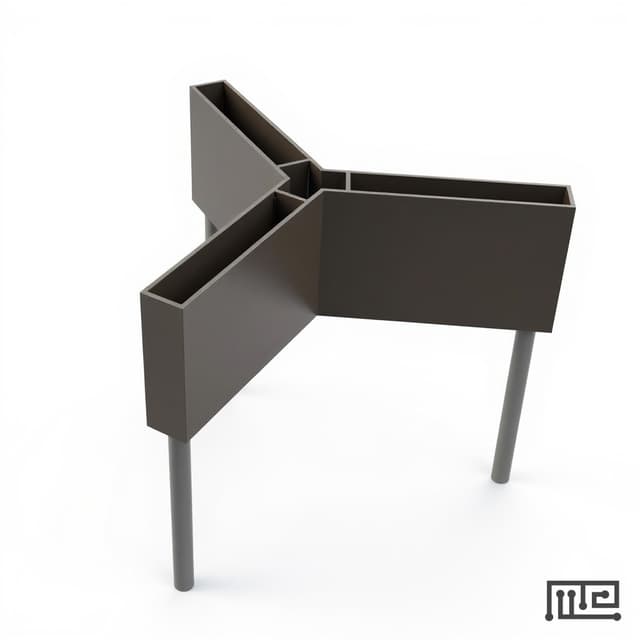
Aquatic Y-shaped maze apparatus for spatial learning and memory assessment in zebrafish, featuring 120-degree arm configuration and optional automated door control systems.
| maze_shape | Y-shaped aquarium |
| arm_angle | 120 degrees |
| number_of_arms | 3 |
| arm_function | Choice arms and start arm |
| floor_design | Contrasting color to fish |
| optional_features | Manually operated or automated guillotine doors |

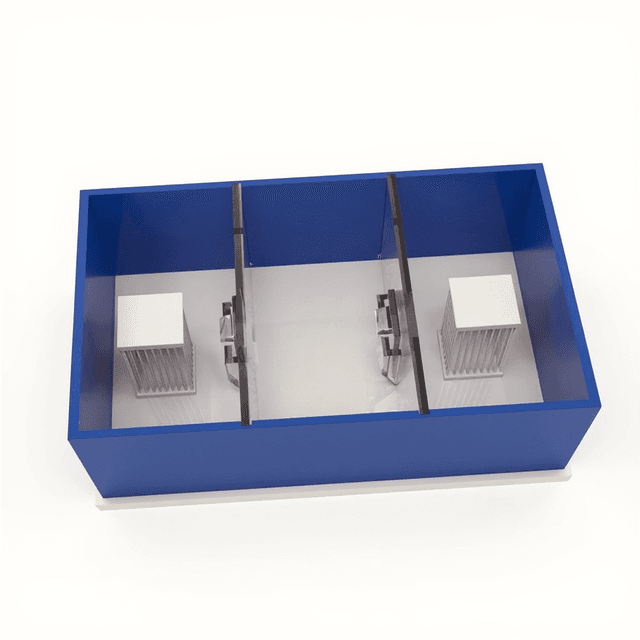
The Zebrafish Y-Maze is an aquatic behavioral assessment apparatus designed for spatial learning and memory evaluation in zebrafish (Danio rerio). This Y-shaped aquarium features three arms positioned at 120-degree angles, providing a more naturalistic spatial configuration compared to traditional T-maze designs. The apparatus serves as a versatile platform for investigating cognitive functions, spatial navigation, and memory formation in this increasingly important vertebrate model organism.
Constructed from glass or acrylic materials, the maze measures 25 cm per arm with 8 cm width and 15 cm height, providing adequate swimming space for adult zebrafish while maintaining controlled experimental conditions. The design incorporates optional guillotine doors for precise trial control and contrasting floor coloration to enhance visual tracking. This aquatic adaptation enables researchers to leverage established rodent behavioral paradigms while utilizing the unique advantages of zebrafish as a model system, including genetic tractability and optical transparency for neural imaging applications.
How It Works
The Zebrafish Y-Maze operates on the principle of spatial alternation behavior, a fundamental cognitive process observed across vertebrate species. The apparatus exploits the natural tendency of zebrafish to explore novel environments and avoid recently visited locations. During testing, subjects navigate between three arms arranged in a Y-configuration, with each arm serving as both a choice point and a spatial reference.
Spatial memory assessment occurs through spontaneous alternation paradigms, where consecutive arm entries are recorded to calculate alternation rates above chance levels (33.3% for random choice among three arms). Working memory evaluation utilizes delayed alternation protocols, where subjects must remember previously visited locations across time delays. The 120-degree arm angle provides optimal spatial separation for discrimination while maintaining natural swimming trajectories that reduce stress-induced behavioral artifacts.
Optional guillotine doors enable precise temporal control over arm access, allowing for delayed-choice procedures and forced-choice training protocols. The contrasting floor design enhances video tracking accuracy for automated behavioral analysis systems, enabling quantification of path length, swimming velocity, and spatial preference patterns alongside traditional choice measurements.
Features & Benefits
maze_shape
- Y-shaped aquarium
arm_angle
- 120 degrees
number_of_arms
- 3
arm_function
- Choice arms and start arm
floor_design
- Contrasting color to fish
optional_features
- Manually operated or automated guillotine doors
Color
- Black
- Blue
- Clear
- Grey
Behavioral Construct
- Spatial Working Memory
- Spatial Reference Memory
- Spontaneous Alternation
- Spatial Navigation
- Exploratory Behavior
Automation Level
- semi-automated
Material
- Acrylic
- glass
Species
- Zebrafish
construction_options
- Opaque or clear materials
Dimensions
- 25 cm per arm x 8 cm per arm x 15 cm
Research Domain
- Behavioral Pharmacology
- Developmental Biology
- Learning and Memory
- Neurodegeneration
- Neuroscience
- Toxicology
Weight
- 21.0 kg
Dimensions
- L: 43.2 mm
- W: 38.0 mm
- H: 27.9 mm
Comparison Guide
| Feature | This Product | Typical Alternative | Advantage |
|---|---|---|---|
| Arm Configuration Angle | 120-degree Y-shaped arms | Many aquatic mazes use 90-degree T-configurations or linear arrangements | The 120-degree angle provides more naturalistic spatial choices and smoother swimming transitions between arms. |
| Construction Materials | Glass and acrylic options available | Basic models often limited to single material types | Material flexibility allows researchers to select transparent options for neural imaging or opaque materials for controlled visual environments. |
| Door Control System | Optional automated guillotine doors | Manual blocking systems or fixed maze configurations | Automated doors enable precise temporal control for delayed-choice paradigms and reduce experimenter interference. |
| Floor Design | Contrasting color flooring | Standard uniform flooring in entry-level systems | Enhanced contrast improves automated video tracking accuracy and reduces analysis errors in behavioral quantification. |
| Color Customization | Available in black, blue, clear, and grey | Limited color options in standard configurations | Multiple color choices accommodate different lighting conditions and experimental contrast requirements. |
The Zebrafish Y-Maze provides a specialized aquatic cognitive assessment platform with optimized 120-degree arm geometry, flexible construction materials, and optional automation features. The design balances standardized spatial parameters with natural zebrafish swimming behavior to enable reliable cognitive testing in aquatic vertebrate models.
Practical Tips
Establish baseline alternation rates for each zebrafish strain and age group before experimental manipulation.
Why: Natural variation in spatial behavior between strains can significantly impact cognitive assessment results.
Replace water completely between testing sessions and clean all surfaces with aquarium-safe disinfectants.
Why: Chemical cues from previous subjects can influence subsequent behavioral responses and confound spatial choice patterns.
Verify door operation timing and water flow patterns before each experimental session.
Why: Mechanical inconsistencies can introduce unwanted variables that affect spatial navigation behavior.
Monitor swimming speed and general activity levels alongside spatial choice measurements.
Why: Changes in locomotor activity can confound interpretation of spatial memory deficits in pharmacological or genetic studies.
If fish show arm bias, check for unintended visual cues or water flow patterns that might influence spatial preferences.
Why: Environmental asymmetries can create artificial spatial preferences that mask or mimic cognitive effects.
Maintain appropriate water temperature and oxygen levels throughout testing sessions to prevent stress responses.
Why: Physiological stress can significantly impair cognitive performance and invalidate behavioral measurements.
Allow adequate habituation time in the apparatus before formal testing to reduce novelty-induced exploration effects.
Why: Novel environment exploration can override spatial memory processes and confound cognitive assessment outcomes.
Setup Guide
What’s in the Box
- Y-maze apparatus with three arms
- Assembly hardware and sealing components (typical)
- Optional guillotine door system (if ordered)
- Installation and setup guide (typical)
- Behavioral protocol reference manual (typical)
Warranty
ConductScience provides a standard one-year manufacturer warranty covering defects in materials and workmanship, with technical support for setup and protocol optimization.
Compliance
What water parameters are optimal for behavioral testing in this maze?
Maintain water temperature at 26-28°C, pH 7.0-7.5, and adequate dissolved oxygen levels. Use conditioned aquarium water to minimize stress responses that could confound cognitive measurements.
How does the 120-degree arm configuration compare to traditional T-maze designs?
The 120-degree angle provides more naturalistic spatial choices and reduces the sharp angular turns required in 90-degree T-mazes, potentially improving ecological validity of spatial navigation assessments.
What are typical alternation rates for normal adult zebrafish in this apparatus?
Consult current literature for species-specific normative data, as alternation rates vary with age, strain, and testing conditions. Baseline establishment is recommended for each experimental cohort.
Can this maze be used with automated tracking systems?
Yes, the contrasting floor design and standardized dimensions are compatible with commercial video tracking software. Overhead camera positioning provides optimal tracking accuracy for path analysis.
What is the recommended trial duration for spatial memory assessment?
Trial duration depends on the specific protocol, typically ranging from 5-15 minutes for spontaneous alternation or shorter intervals for delayed-choice procedures. Consult behavioral literature for paradigm-specific recommendations.
How should the apparatus be cleaned between subjects?
Use aquarium-safe cleaning solutions and ensure complete water exchange between subjects to eliminate chemical cues that could influence subsequent behavioral responses.
Are there age restrictions for zebrafish testing in this apparatus?
The maze is designed for adult zebrafish. Juvenile testing may require protocol modifications to account for developmental differences in swimming ability and cognitive capacity.
Have a question about this product?
Accessories
Enhance your setup with compatible accessories
Frequently Bought Together