Pathology research
Quantify tissue images with reproducible computer vision workflows.
Pathology should be the software-led child hub. It connects prepared slides and microscope images to ConductVision protocols for tissue quantification, morphology, and research-only reporting.
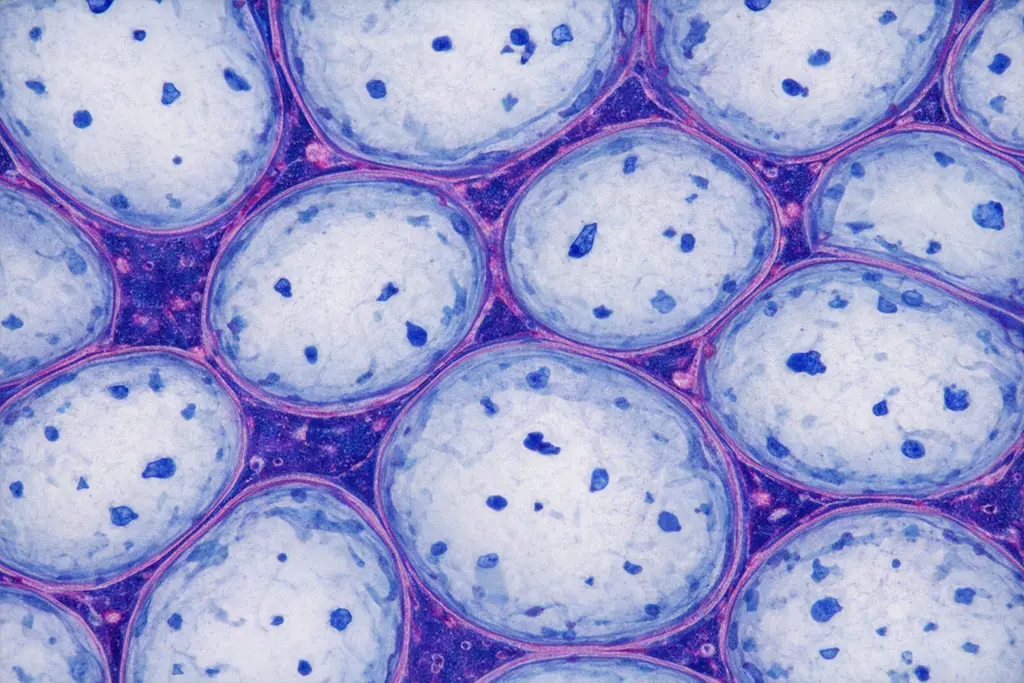
RESEARCH USE / image quantification, not clinical diagnosis
Analysis features
Bring existing ConductVision features into pathology use cases
The same ConductVision Image capabilities become pathology workflows when packaged around stains, tissue ROIs, review overlays, and slide-level exports.
H&E nuclei workflows
Detect hematoxylin-stained nuclei, nuclear density, and regional cell distributions.
IHC and chromogen analysis
Quantify DAB positive area, optical density, H-score style summaries, and ROI tables.
Morphology measurements
Measure object area, circularity, elongation, count, density, and field-level summaries.
Batch image pipelines
Apply locked protocols to image folders from microscope cameras or slide-scanner exports.
Outputs
Quantification that belongs next to the slide workflow
| Input | ConductVision output |
|---|---|
| Nuclei and cell fields | Count, density, area, circularity, ROI summary |
| H&E tissue sections | Hematoxylin channel, nuclear density, field annotations |
| IHC and DAB slides | Positive area, optical density, intensity distribution, H-score style export |
| QC review | Fold, tear, chatter, missing tissue, uneven staining flags |
Upstream preparation stays visible
Pathology analysis depends on histology quality, so the software hub should point users back to preparation equipment where it affects data quality.
Make pathology measurable.
Package ConductVision Image around tissue-specific outputs so users can move from slide images to consistent research datasets.