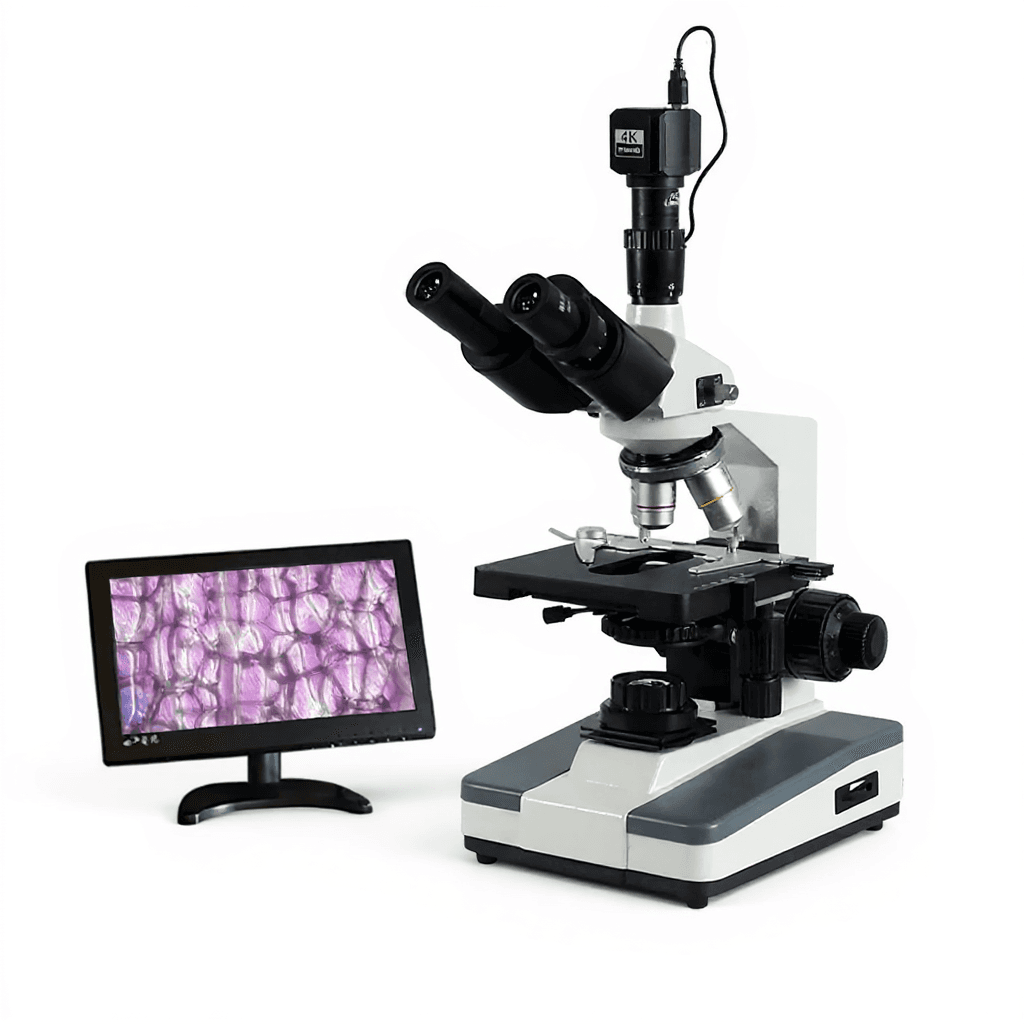
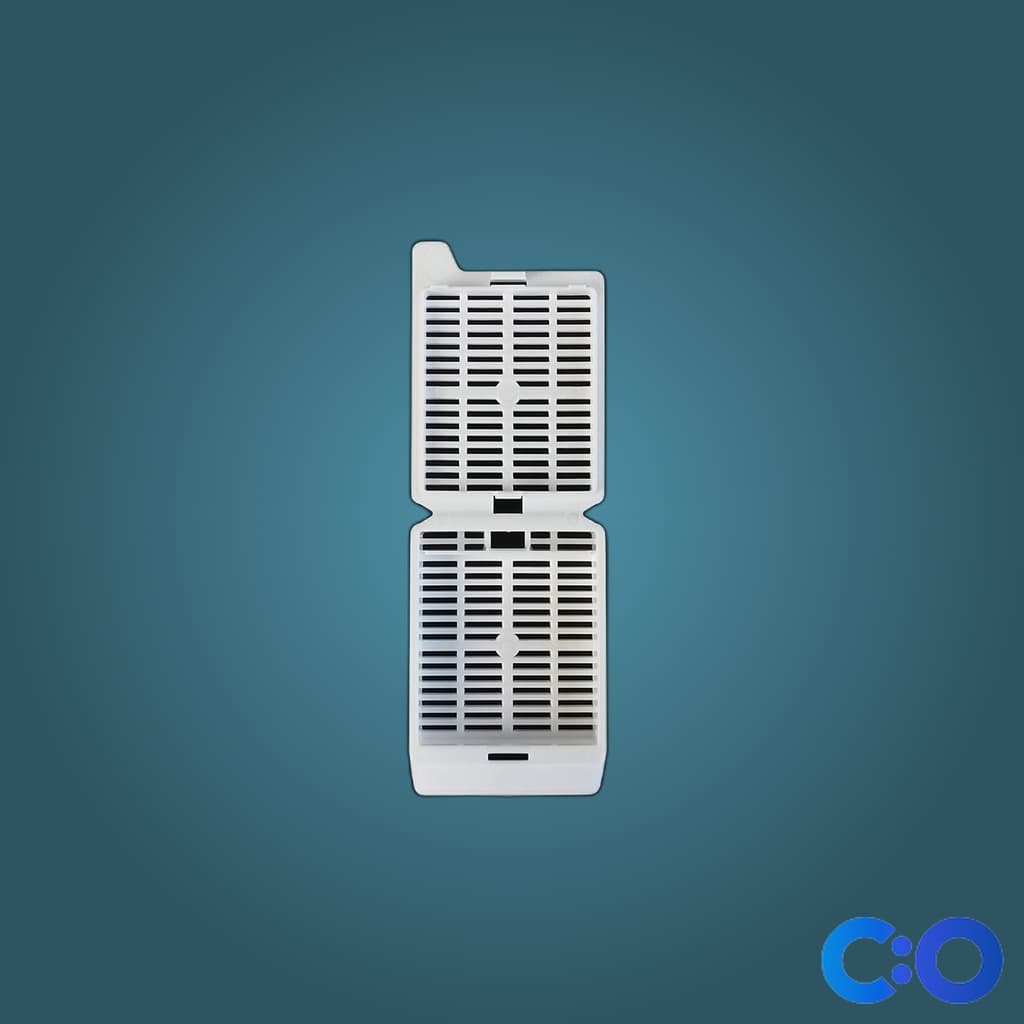
These are the failure modes that repeatedly show up in FFPE H&E runs. The goal is to localize the problem to fixation, sectioning, staining chemistry, or slide prep quickly enough to keep the next batch on track.
Uneven or blotchy staining
Cause: Incomplete deparaffinization - residual wax blocks dye penetration.
Fix: Ensure fresh xylene, extend deparaffinization time, and check xylene for water contamination.
Hematoxylin overstaining
Cause: Too long in hematoxylin, solution too concentrated, or too few differentiation dips.
Fix: Reduce hematoxylin time by 30-second increments. For regressive staining, add 1-2 more acid alcohol dips.
Weak or pale eosin
Cause: Excess water rinses dilute eosin, eosin is exhausted, or dehydrating alcohols contain water.
Fix: Reduce water washes before eosin, use fresh eosin with glacial acetic acid, and change dehydrating alcohols regularly.
Nuclei appear pink or red instead of blue
Cause: Incomplete blueing - tissue remains at acidic pH where hematoxylin is red.
Fix: Extend time in Scott's or running tap water and verify your water source is alkaline enough for proper blueing.
Sections fold or lift off slides during staining
Cause: Flotation bath temperature is wrong, slides are not charged, or drying is inadequate.
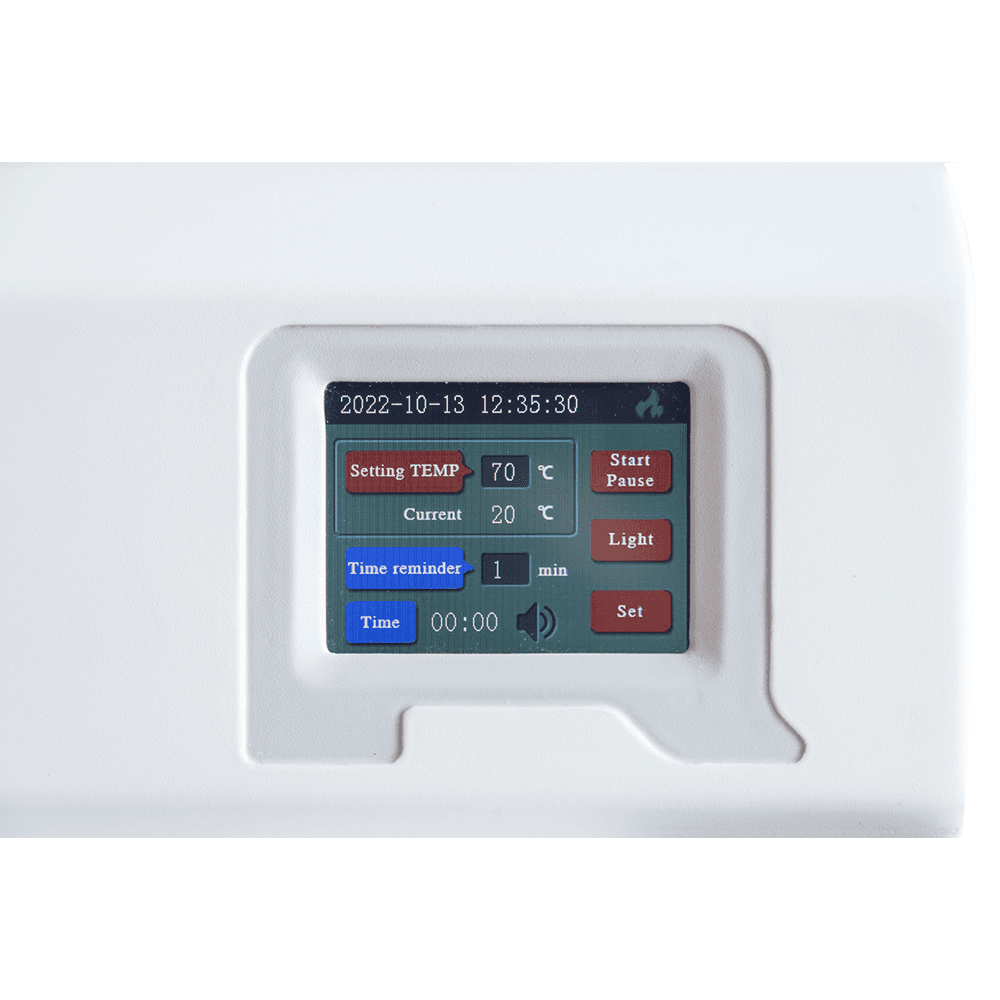
Fix: Set the flotation bath to 42 C, use positively charged slides, and dry slides at 60 C for 30+ minutes before staining.
Nuclear bubbling or pale staining from poor fixation
Cause: Delayed fixation or insufficient fixative volume.
Fix: Fix tissue within 30 minutes of excision, maintain a 10:1 fixative ratio, and slice specimens to 3-4 mm thickness.