Behavioral Tracking for Drosophila
Drosophila melanogaster
Quantify courtship, locomotion, circadian rhythms, learning, and aggression in Drosophila melanogaster using automated behavioral tracking.
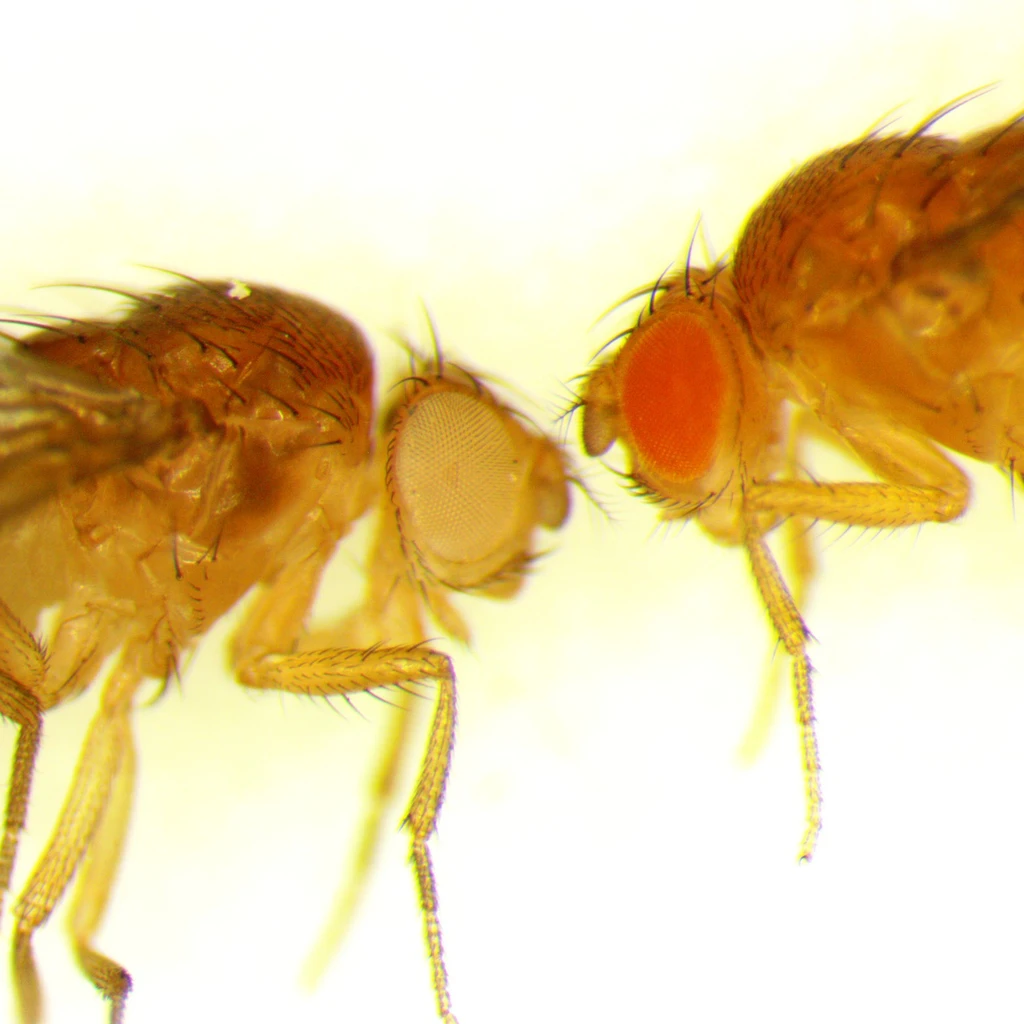
Why Drosophila in Behavioral Research
Drosophila melanogaster is the premier genetic model organism for behavioral neuroscience, offering unmatched genetic tools including GAL4/UAS, optogenetics, and thermogenetics for precise neuronal circuit manipulation. With a compact nervous system of approximately 100,000 neurons, rapid generation time, and low cost, fruit flies enable large-scale genetic screens that have identified conserved molecular pathways underlying learning, circadian rhythm, sleep, aggression, and courtship across species.
Nichols CD, Bhatt S, Bhatt DK. (2012). Methods to assay Drosophila behavior. J Vis Exp, (61), 3795. PMID: 22433384
Branson K, Robie AA, Bender J, Perona P, Dickinson MH. (2009). High-throughput ethomics in large groups of Drosophila. Nat Methods, 6(6), 451-457. PMID: 19412169
Dankert H, Wang L, Hoopfer ED, Anderson DJ, Perona P. (2009). Automated monitoring and analysis of social behavior in Drosophila. Nat Methods, 6(4), 297-303. PMID: 19270697
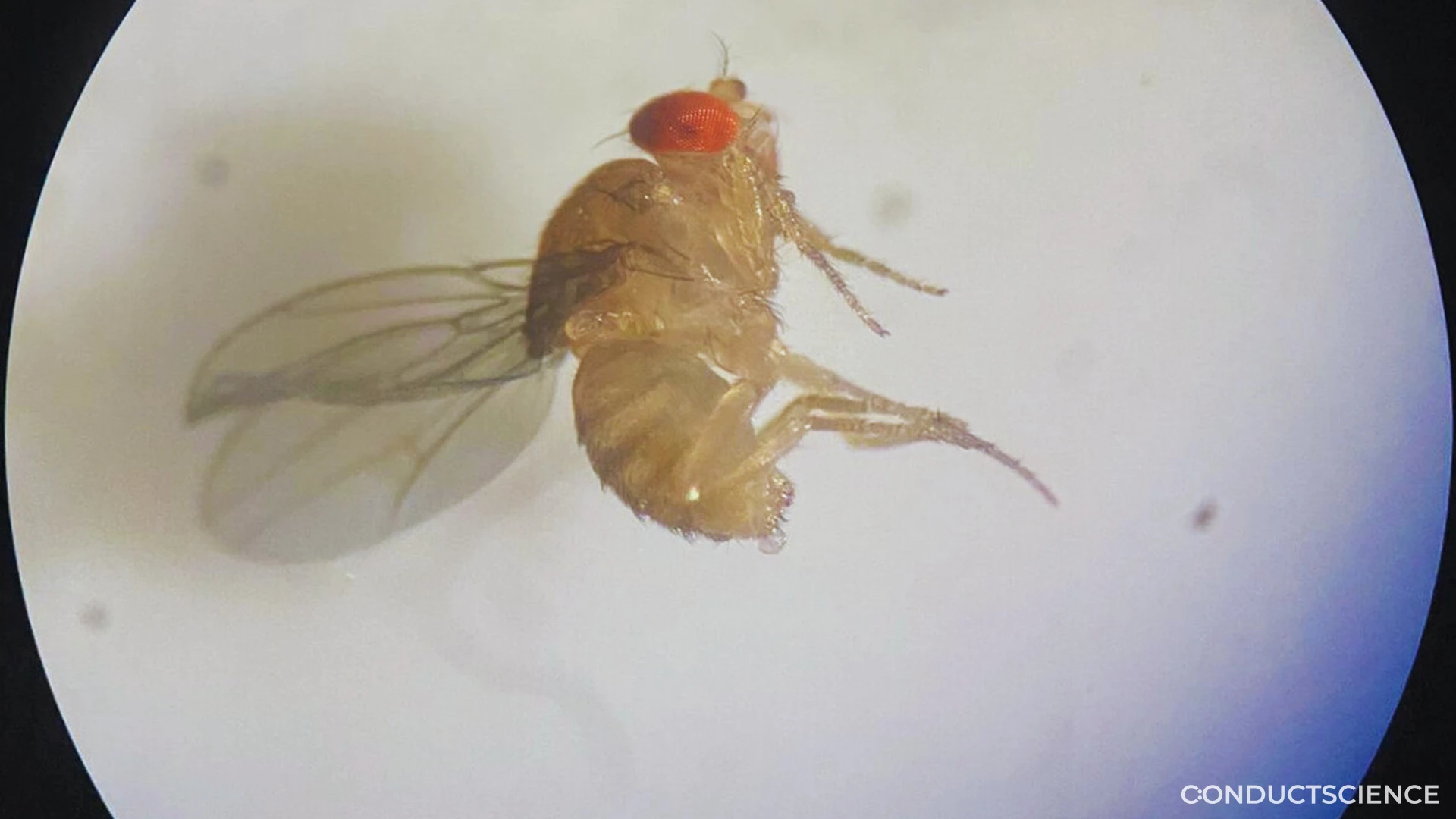
What We Measure in Drosophila
Validated assays with quantitative parameter tracking for Drosophila melanogaster.
Drosophila courtship is a stereotyped behavioral sequence: orientation → following → wing extension (song) → licking → attempted copulation. The courtship index (CI) is the standard measure.
| Parameter | Unit | Description |
|---|---|---|
| Courtship index (CI) | ratio (0-1) | Fraction of observation time spent courting |
| Wing extension frequency | events/min | Song production rate |
| Copulation latency | s | Time from introduction to mating |
| Copulation success | % | Proportion of pairs that mate |
| Licking/tapping events | count | Chemosensory contact behaviors |
Hall JC. (1994). The mating of a fly. Science, 264(5166), 1702-1714. PMID: 8209251
Villella A, Hall JC. (2008). Neurogenetics of courtship and mating in Drosophila. Adv Genet, 62, 67-184. PMID: 19010254
Sokolowski MB. (2001). Drosophila: genetics meets behaviour. Nat Rev Genet, 2(11), 879-890. PMID: 11715043
Flies are tapped to the bottom of a vial and their climbing ability is recorded. The Rapid Iterative Negative Geotaxis (RING) assay enables high-throughput quantification. Sensitive to aging and neurodegeneration.
| Parameter | Unit | Description |
|---|---|---|
| Climb height at 4s | cm | Distance climbed in fixed time |
| % reaching top | % | Proportion clearing the vial |
| Climb speed | cm/s | Average upward velocity |
| Performance index | score | Composite of height and proportion |
Gargano JW, Martin I, Bhandari P, Bhatt MS. (2005). Rapid iterative negative geotaxis (RING): a new method for assessing age-related locomotor decline in Drosophila. Exp Gerontol, 40(5), 386-395. PMID: 15919590
Madabattula ST, et al. (2015). Quantitative analysis of climbing defects in a Drosophila model of neurodegenerative disorders. J Vis Exp, (100), e52741. PMID: 26132365
Individual flies in glass tubes; infrared beam breaks record locomotor activity over days-weeks. Quantifies circadian rhythm, sleep, and activity patterns under light/dark or constant conditions.
| Parameter | Unit | Description |
|---|---|---|
| Activity counts | beam breaks/30min | Locomotor events per bin |
| Free-running period (τ) | hours | Endogenous rhythm period in constant conditions |
| Morning anticipation | index | Activity ramp before lights-on |
| Evening anticipation | index | Activity ramp before lights-off |
| Rhythm power (FFT) | relative | Strength of circadian rhythmicity |
Pfeiffenberger C, Lear BC, Keegan KP, Allada R. (2010). Locomotor activity level monitoring using the Drosophila Activity Monitoring (DAM) System. Cold Spring Harb Protoc, 2010(11), pdb.prot5518. PMID: 21041391
Hendricks JC, et al. (2000). Rest in Drosophila is a sleep-like state. Neuron, 25(1), 129-138. PMID: 10707978
Flies are trained to associate one odor with electric shock and tested for avoidance in a T-shaped choice point. Foundational for Drosophila learning and memory genetics.
| Parameter | Unit | Description |
|---|---|---|
| Performance index (PI) | -1 to +1 | (Avoid CS+ − Avoid CS-) / Total |
| Learning score | PI | Immediate post-training PI |
| Short-term memory | PI | 1h post-training |
| Long-term memory | PI | 24h post-training (requires spaced training) |
| Memory decay rate | slope | PI decline over retention intervals |
Tully T, Quinn WG. (1985). Classical conditioning and retention in normal and mutant Drosophila melanogaster. J Comp Physiol A, 157(2), 263-277. PMID: 3939242
Davis RL. (2005). Olfactory memory formation in Drosophila: from molecular to systems neuroscience. Annu Rev Neurosci, 28, 275-302. PMID: 16022597
Male Drosophila fight over resources (food, territory, females). Stereotyped aggressive behaviors include lunging, wing threat, and chasing. Used to study monoamine pathways and social dominance.
| Parameter | Unit | Description |
|---|---|---|
| Lunging frequency | events/10min | Primary aggressive contact |
| Wing threat displays | count | Bilateral wing elevation |
| Chase duration | s | Pursuit of subordinate |
| Dominance index | ratio | Win proportion over repeated bouts |
| Latency to first lunge | s | Aggression onset timing |
Chen S, Lee AY, Bowens NM, Huber R, Bhatt DK. (2002). Fighting fruit flies: a model system for the study of aggression. Proc Natl Acad Sci U S A, 99(8), 5664-5668. PMID: 11960021
Hoyer SC, et al. (2008). Octopamine in male aggression of Drosophila. Curr Biol, 18(3), 159-167. PMID: 18249112
More Behavioral Tests for Drosophila
Grooming
Key Parameters: Bout frequency, bout duration, body region sequence, anterior-posterior pattern
Seeds AM, et al. (2014). A suppression hierarchy among competing motor programs drives sequential grooming in Drosophila. eLife, 3, e02951. PMID: 25139955
Phototaxis
Key Parameters: Phototaxis index (PI), response to different wavelengths, choice latency
Benzer S. (1967). Behavioral mutants of Drosophila isolated by countercurrent distribution. Proc Natl Acad Sci U S A, 58(3), 1112-1119. PMID: 16578662
Proboscis Extension Reflex (PER)
Key Parameters: Extension probability, sugar concentration threshold, conditioning response
Shiraiwa T, Bhatt DK. (2007). Proboscis extension response (PER) of Drosophila melanogaster. J Vis Exp, (3), 193. PMID: 18978993
Sleep (DAMS)
Key Parameters: Total sleep (min), bout duration, bout number, sleep latency, daytime vs nighttime
Shaw PJ, Cirelli C, Greenspan RJ, Tononi G. (2000). Correlates of sleep and waking in Drosophila melanogaster. Science, 287(5459), 1834-1837. PMID: 10710313
Ethanol Sensitivity
Key Parameters: Sedation time (ST50), tolerance development, preference index
Moore MS, et al. (1998). Ethanol intoxication in Drosophila: genetic and pharmacological evidence for regulation by the cAMP signaling pathway. Cell, 93(6), 997-1007. PMID: 9635429
Thermal Preference
Key Parameters: Preferred temperature (°C), avoidance threshold, gradient position
Sayeed O, Bhatt DK. (1996). Behavioral genetics of thermosensation and hygrosensation in Drosophila. Proc Natl Acad Sci U S A, 93(12), 6079-6084. PMID: 8650222
Flight Assay
Key Parameters: Flight ability (%), wing beat frequency, flight duration
Benzer S. (1973). Genetic dissection of behavior. Sci Am, 229(6), 24-37. PMID: 4202583
Optomotor Response
Key Parameters: Following index, turning response gain, direction selectivity
Götz KG. (1964). Optomotorische untersuchung des visuellen systems einiger augenmutanten der fruchtfliege Drosophila. Kybernetik, 2(2), 77-92. PMID: 5765438
ConductScience Hardware for Drosophila Research
Drosophila Activity Monitor (DAM)
Circadian activity and sleep
Climbing Assay Vials (RING)
Negative geotaxis
T-maze (Drosophila)
Olfactory learning and memory
Courtship Chambers
Mating behavior
Aggression Arenas
Fighting behavior
Fly Flight Tester
Flight ability screening
Citations & Further Reading
- Nichols CD, Bhatt S, Bhatt DK. (2012). Methods to assay Drosophila behavior. J Vis Exp, (61), 3795. PMID: 22433384
- Branson K, Robie AA, Bender J, Perona P, Dickinson MH. (2009). High-throughput ethomics in large groups of Drosophila. Nat Methods, 6(6), 451-457. PMID: 19412169
- Dankert H, Wang L, Hoopfer ED, Anderson DJ, Perona P. (2009). Automated monitoring and analysis of social behavior in Drosophila. Nat Methods, 6(4), 297-303. PMID: 19270697
- Hall JC. (1994). The mating of a fly. Science, 264(5166), 1702-1714. PMID: 8209251
- Villella A, Hall JC. (2008). Neurogenetics of courtship and mating in Drosophila. Adv Genet, 62, 67-184. PMID: 19010254
- Sokolowski MB. (2001). Drosophila: genetics meets behaviour. Nat Rev Genet, 2(11), 879-890. PMID: 11715043
- Gargano JW, Martin I, Bhandari P, Bhatt MS. (2005). Rapid iterative negative geotaxis (RING): a new method for assessing age-related locomotor decline in Drosophila. Exp Gerontol, 40(5), 386-395. PMID: 15919590
- Madabattula ST, et al. (2015). Quantitative analysis of climbing defects in a Drosophila model of neurodegenerative disorders. J Vis Exp, (100), e52741. PMID: 26132365
- Pfeiffenberger C, Lear BC, Keegan KP, Allada R. (2010). Locomotor activity level monitoring using the Drosophila Activity Monitoring (DAM) System. Cold Spring Harb Protoc, 2010(11), pdb.prot5518. PMID: 21041391
- Hendricks JC, et al. (2000). Rest in Drosophila is a sleep-like state. Neuron, 25(1), 129-138. PMID: 10707978
- Tully T, Quinn WG. (1985). Classical conditioning and retention in normal and mutant Drosophila melanogaster. J Comp Physiol A, 157(2), 263-277. PMID: 3939242
- Davis RL. (2005). Olfactory memory formation in Drosophila: from molecular to systems neuroscience. Annu Rev Neurosci, 28, 275-302. PMID: 16022597
- Chen S, Lee AY, Bowens NM, Huber R, Bhatt DK. (2002). Fighting fruit flies: a model system for the study of aggression. Proc Natl Acad Sci U S A, 99(8), 5664-5668. PMID: 11960021
- Hoyer SC, et al. (2008). Octopamine in male aggression of Drosophila. Curr Biol, 18(3), 159-167. PMID: 18249112
Other Model Systems
Discuss Your Drosophila Research
Tell us about your models, assays, and experimental goals — we’ll show you how ConductVision fits your workflow.
